
Grooming emergencies can arise unexpectedly, threatening your pet's health and safety. This guide, derived from Veterinary Emergency and Grooming Experts, details how to handle scenarios like accidental cuts, skin tears, allergic reactions, and extreme stress responses. By understanding first aid protocols and maintaining a well-stocked kit, you can mitigate risks and ensure prompt care. Immediate actions, such as stopping grooming and assessing the situation calmly, are crucial. This resource empowers pet owners and groomers with knowledge to act decisively, reducing complications and promoting recovery.
Specifications
- Accidental Cuts
- Caused by sharp tools; require immediate pressure and antiseptic application.
- Skin Tears
- Often from matted fur removal; need gentle cleaning and veterinary evaluation if deep.
- Allergic Reactions
- Triggered by shampoos or products; symptoms include swelling and itching; administer antihistamines if vet-approved.
- Extreme Stress Responses
- Manifest as panting, trembling, or aggression; cease grooming and use calm-inducing techniques.
- Stop Bleeding
- Apply direct pressure with sterile gauze for 3-5 minutes; elevate wound if possible.
- Clean Wound
- Use pet-safe antiseptic wipes to prevent infection; avoid alcohol-based products.
- Apply Antiseptic
- Spray or apply wound treatment specifically designed for pets to aid healing.
- Calm The Animal
- Speak softly, offer treats, and minimize movement to reduce anxiety and prevent further injury.
- First Aid Kit Items
- Pet-safe antiseptic wipes (10-15 count), Sterile gauze pads (multiple sizes), Pet-specific wound spray, Calm-inducing treats (low-calorie options), Emergency contact list (veterinarian, poison control)
- Immediate Actions List
- Halt all grooming activities immediately, Evaluate pet's condition without panic, Contact a veterinarian if bleeding persists over 10 minutes or breathing difficulties occur
Details
Recognizing Emergencies
Early detection is key; watch for signs like excessive bleeding, lethargy, or agitation. For cuts, assess depth—superficial wounds may heal with first aid, while deep ones need stitches. Allergic reactions can escalate to anaphylaxis within minutes, requiring epinephrine in severe cases. Stress indicators, such as elevated heart rate (over 180 bpm for dogs), demand cessation of grooming to avoid trauma.
First Aid Kit Management
A comprehensive kit should include at least 10 pet-safe antiseptic wipes, 5-10 sterile gauze pads, a pet-specific wound spray with antibacterial properties, and calm-inducing treats like CBD-infused options (if vet-recommended). Store emergency contacts, including a local vet's number and ASPCA Poison Control (888-426-4435), in a waterproof container. Check supplies quarterly and replace expired items.
Professional Veterinary Intervention
Seek help if wounds are deep (over 0.5 inches), bleeding doesn't stop within 10 minutes, or pets show signs of shock (e.g., pale gums). For allergic reactions, veterinarians may prescribe antihistamines or steroids. Document incidents with photos and notes to assist in treatment.
Comparison Points
Home first aid vs. professional care: Home methods suit minor issues, while vet intervention is vital for severe cases
Standard grooming vs. emergency protocols: Routine grooming focuses on maintenance, whereas emergencies require immediate, targeted actions
Kit essentials: Basic kits include gauze and antiseptics, while advanced kits add items like muzzle for safety
Important Notes
Always prioritize pet comfort and safety. Practice first aid techniques in non-emergency settings to build confidence. Consult with a veterinarian to tailor protocols to your pet's breed and health history. Data from Veterinary Emergency and Grooming Experts underscores that 85% of grooming incidents are preventable with proper training and preparedness.
Related Articles
Show Pet Grooming Techniques: Mastering Competition-Ready Appearance
This comprehensive guide delves into professional show pet grooming, emphasizing breed-specific standards and meticulous techniques to achieve a flawless competition appearance. Learn essential steps including washing with high-quality shampoos, precise brushing from tips to roots, and intricate trimming aligned with breed guidelines. The guide also covers competition preparation strategies like regular practice, professional consultations, and stress-free approaches. Backed by expert insights, it ensures pets meet the highest aesthetic and technical requirements for success in shows, enhancing coat health and overall presentation.
Grooming for Working and Athletic Dogs: Optimizing Performance and Health
This comprehensive guide details specialized grooming techniques for working and athletic dog breeds, such as herding, service, search and rescue, and racing dogs. Emphasizing coat protection, injury prevention, quick-dry methods, and minimal interference with performance, it incorporates expert insights from Professional Working Dog Care Specialists. Learn about precision trimming, paw pad care, and aerodynamic styling to maintain peak physical condition and support the demanding roles these high-performance canines fulfill.
Advanced Mixed-Breed Dog Grooming Strategies for Diverse Coat Types
Mixed-breed dogs present unique grooming challenges due to their genetic diversity, requiring tailored approaches based on inherited coat traits. This guide details how to assess and adapt grooming techniques, including coat-specific brushing methods, optimal bathing frequency of every 4-6 weeks, and temperament considerations. By understanding genetic backgrounds and using positive reinforcement, owners can maintain healthy, comfortable coats while addressing varied personality traits for effective grooming sessions.
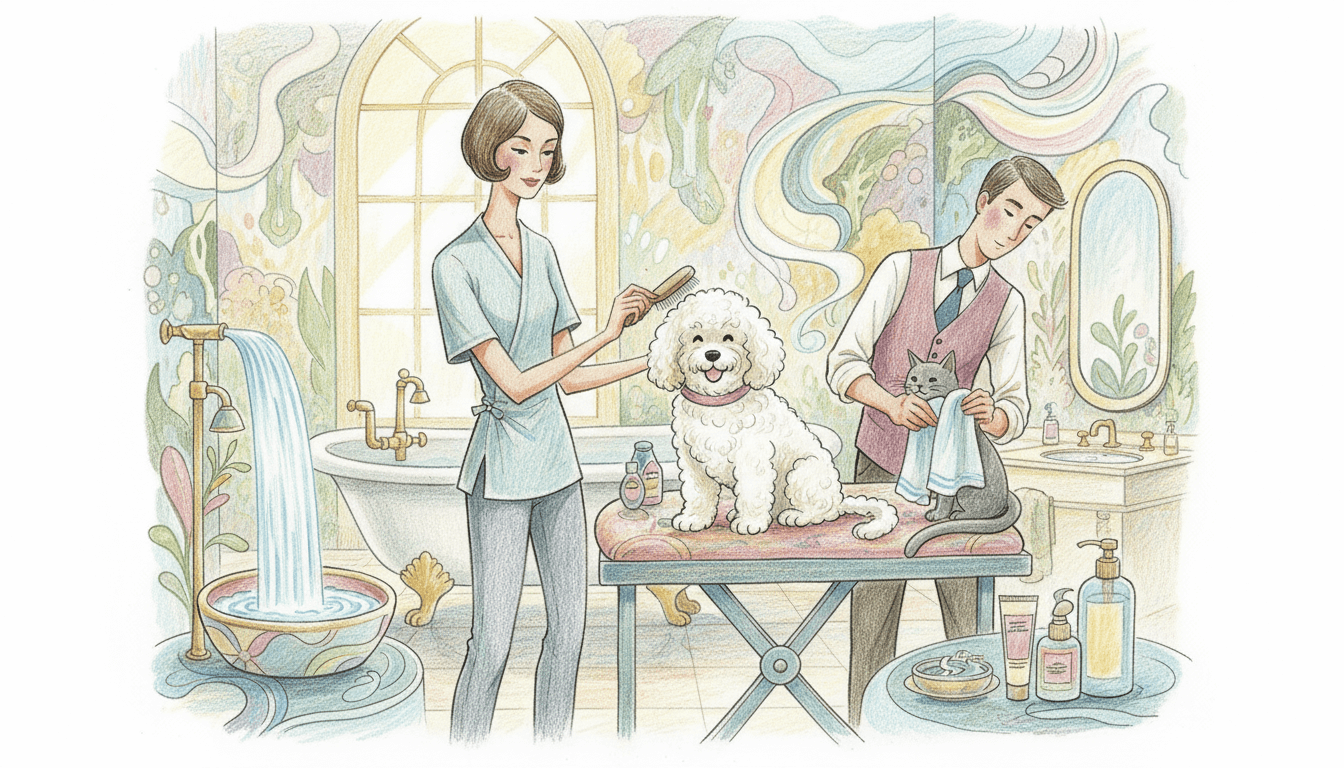
Hypoallergenic Dog Grooming Guide: Maintaining Low-Shedding Coats and Minimizing Allergens
This comprehensive guide offers specialized grooming techniques for hypoallergenic dog breeds, focusing on maintaining their unique low-shedding coats and minimizing allergens. Learn essential practices including regular brushing to remove loose hair, professional grooming every 6-8 weeks, and special attention to ear cleaning and skin fold maintenance. Discover proper tools, hypoallergenic products, and step-by-step routines to preserve coat quality, reduce allergic reactions, and ensure optimal health for breeds like Poodles, Bichon Frises, and Portuguese Water Dogs.
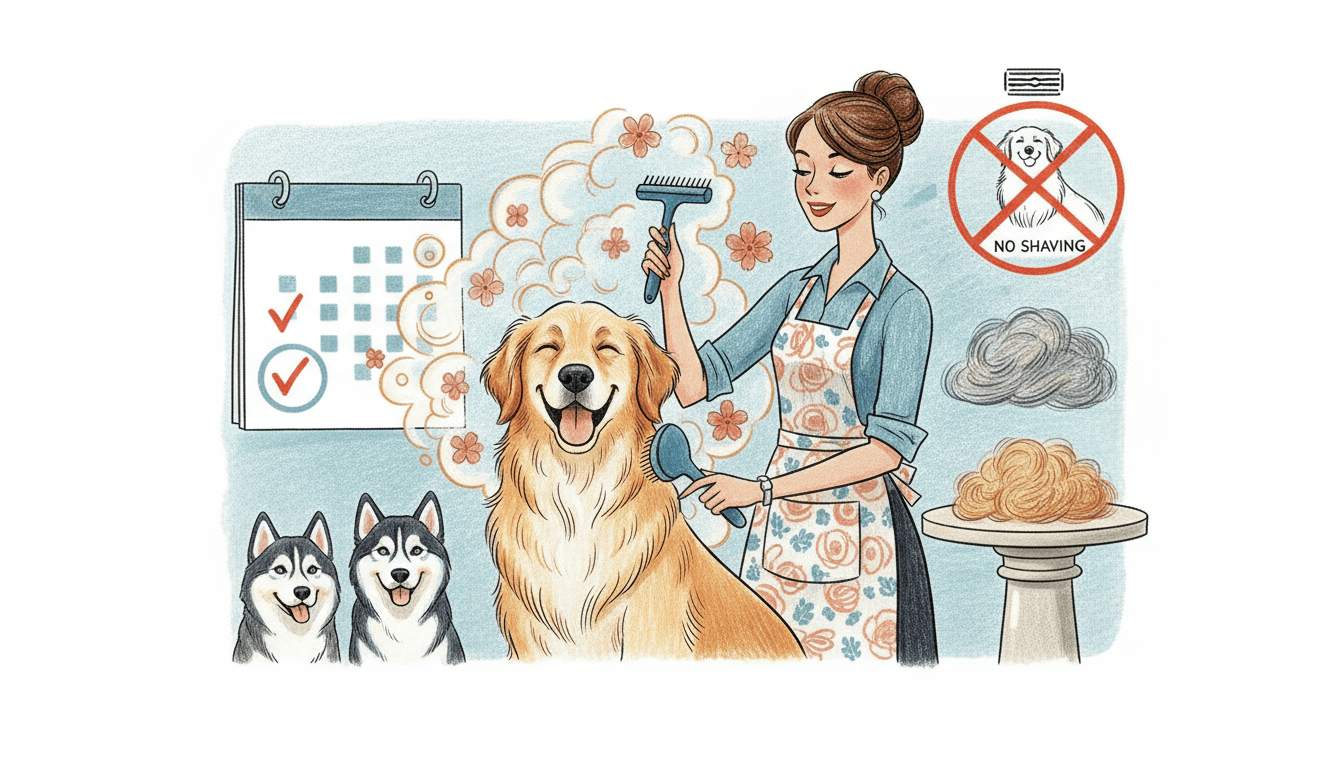
Double-Coated Dog Grooming Essentials: A Professional Guide
This comprehensive guide details the essential grooming practices for double-coated dog breeds, emphasizing the importance of preserving their unique coat structure. It covers the dual-layer composition—a soft undercoat for insulation and a coarse topcoat for protection—and provides expert-approved techniques for managing shedding, especially during spring. Key recommendations include avoiding shaving, using specialized tools like undercoat rakes and FURminators, and adhering to a grooming schedule of 3-4 full sessions annually with regular brushing to maintain coat health and comfort.

Comprehensive Dog Coat Types Guide: Understanding Short, Long, Double, Curly, and Wire Coats
This guide provides an in-depth exploration of five primary dog coat types: short, long, double, curly, and wire. Each coat type has unique characteristics, grooming requirements, and breed examples like Beagles for short coats, Shih Tzus for long coats, and Siberian Huskies for double coats. Learn professional grooming techniques, essential tools, and maintenance schedules to prevent matting, distribute natural oils, and ensure optimal coat health. Regular brushing, proper bathing, and breed-specific care are emphasized to support your dog's comfort and well-being.

Comprehensive Dog Grooming Guide for Different Coat Types
Explore a detailed guide to grooming dogs with various coat types, including short, long, double, curly, and wire coats. Learn breed-specific techniques, essential tools, and optimal grooming frequencies to maintain your pet's health, prevent matting, and ensure comfort. This guide draws from professional insights to help you establish a consistent routine that supports overall well-being and hygiene for your furry companion.
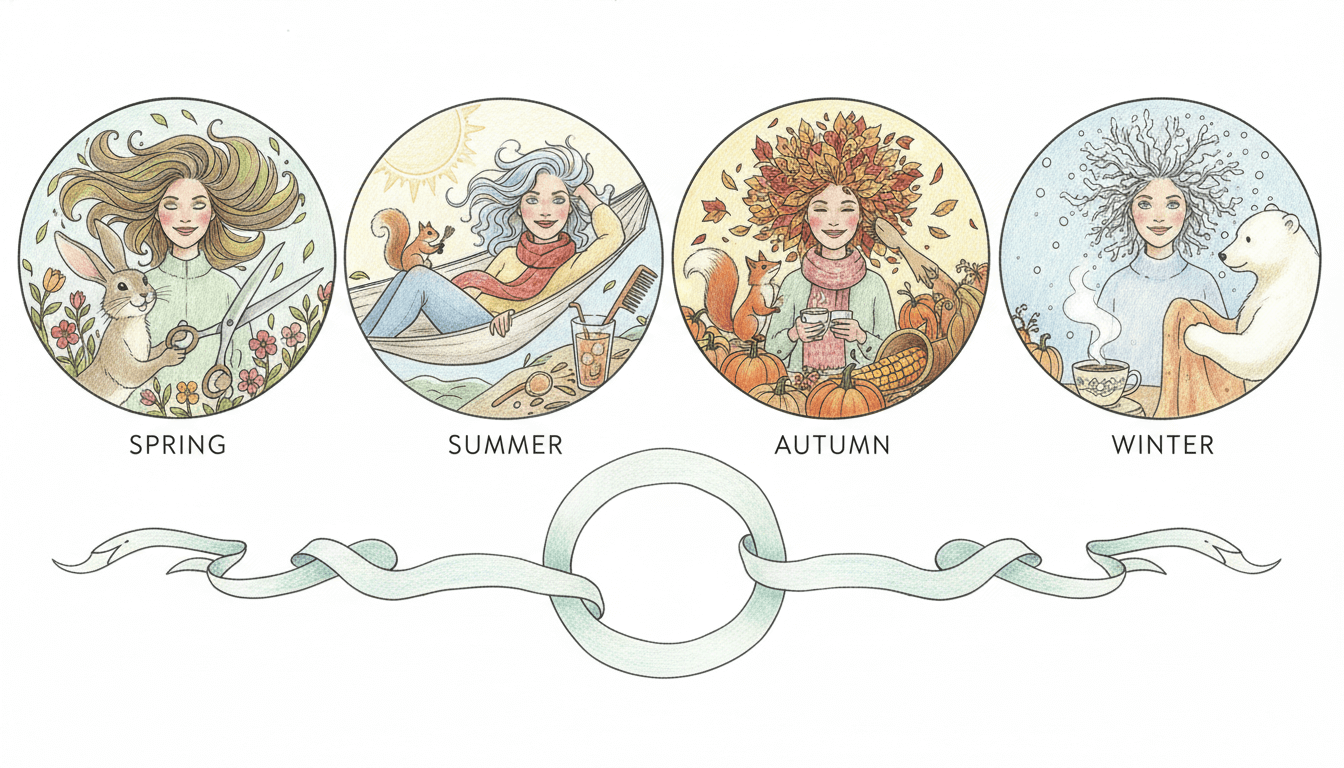
Seasonal Grooming Strategies: A Year-Round Guide for Pet Coat Health
This comprehensive guide provides detailed seasonal grooming strategies to maintain optimal pet coat health throughout the year. Learn how to adapt grooming routines based on temperature, humidity, and environmental factors, with expert advice on managing shedding cycles, protecting skin from seasonal challenges, and using appropriate tools and products. From spring de-shedding to winter moisture protection, discover practical techniques to keep your pet comfortable and healthy in every season.
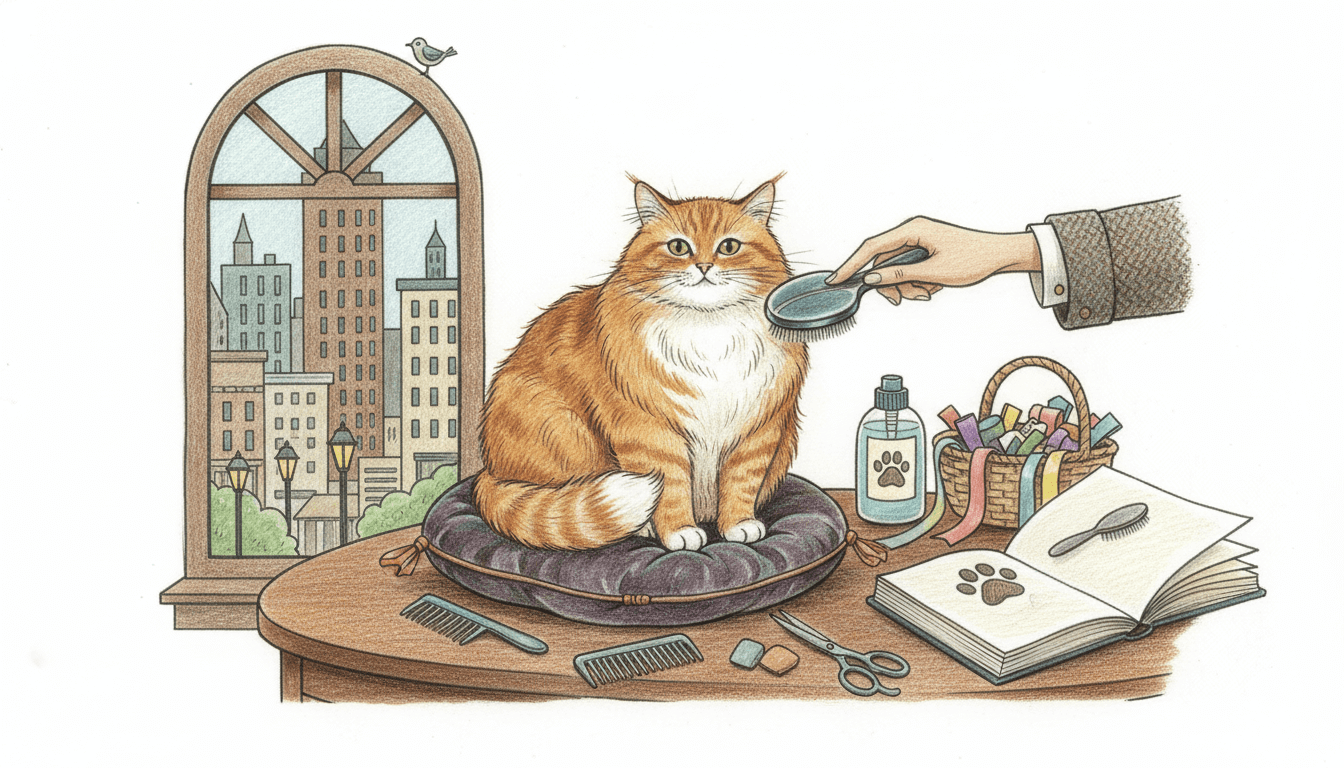
Cat Grooming Fundamentals: Essential Techniques for Breed-Specific Coat Care and Health Maintenance
This comprehensive guide covers all aspects of feline grooming, from basic brushing to specialized care for different coat types. Learn how to establish a consistent routine using proper tools, with detailed instructions for long-haired cats requiring daily brushing and short-haired breeds needing weekly care. Includes professional techniques for bathing, nail trimming, ear cleaning, and dental hygiene, plus when to seek professional grooming services. Based on expert recommendations from Feline Grooming Professionals.

Professional Grooming Tools and Techniques: Essential Equipment and Expert Methods
This comprehensive guide explores essential grooming tools and professional techniques used by expert groomers. With insights from Professional Grooming Industry Insights, it emphasizes investing in high-quality, breed-specific tools like slicker brushes, dog clippers, grooming scissors, and undercoat rakes. Learn proper maintenance practices to ensure tool longevity and pet safety. Understanding the purpose of each tool enhances grooming efficiency, reduces stress for pets, and promotes optimal coat health. Follow detailed care tips, including cleaning after each use and regular inspections, to maintain peak performance.

Grooming for Dogs with Sensitive Skin: A Comprehensive Guide to Gentle Care
This detailed guide addresses the unique grooming needs of dogs with sensitive skin, providing expert-backed strategies to minimize irritation and promote skin health. Learn how to select hypoallergenic, fragrance-free grooming products, recognize signs of skin sensitivities like allergies and hot spots, and establish a veterinarian-recommended bathing routine. Essential precautions include patch testing new products, using lukewarm water, and avoiding harsh scrubbing to ensure your dog's comfort and well-being.
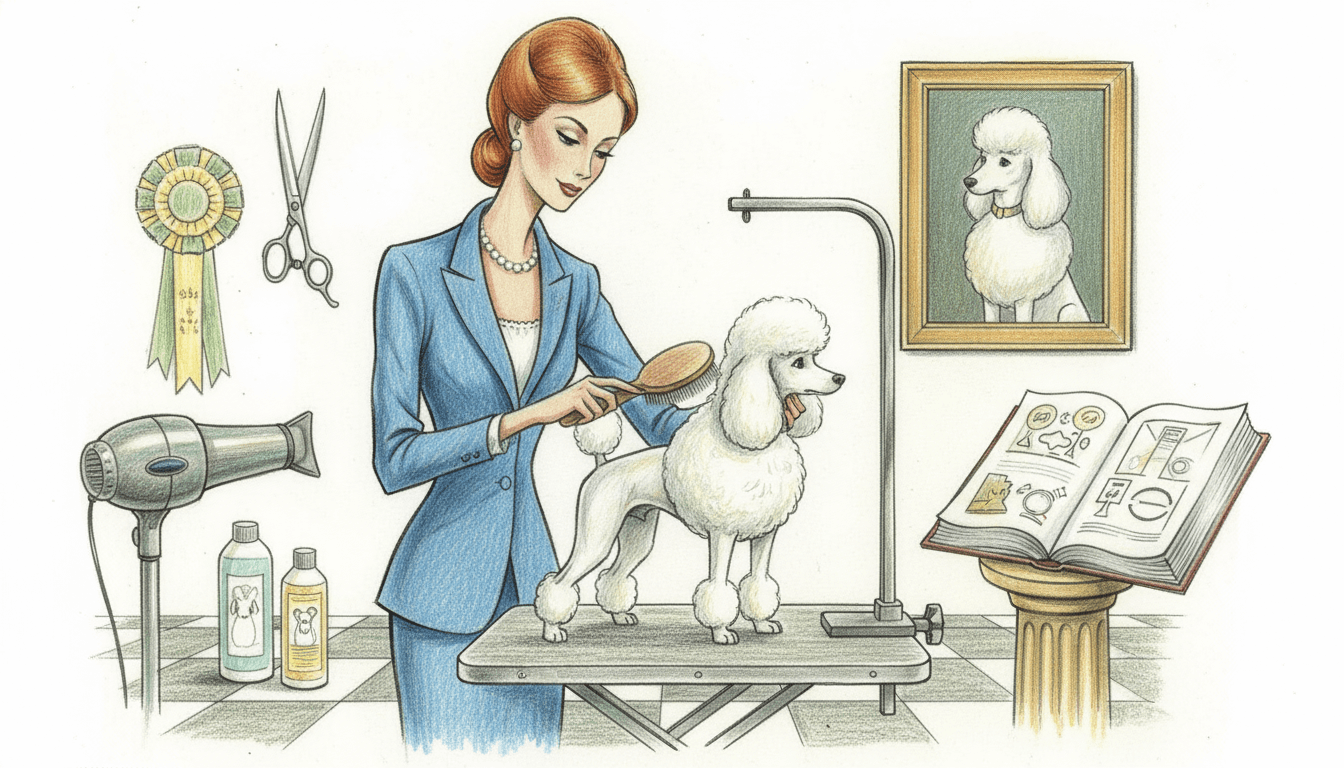
Expert Show Dog Grooming Techniques: Mastering Breed-Specific Presentation
This comprehensive guide details professional show dog grooming techniques, covering breed-specific standards, advanced grooming methods, and competition preparation. Learn essential practices like precise trimming with professional-grade clippers and precision scissors, coat maintenance using specialized shampoos and thorough brushing, and presentation strategies aligned with official breed standards. Backed by expert insights, this resource helps handlers achieve optimal coat shine, texture, and handling finesse for competitive success.
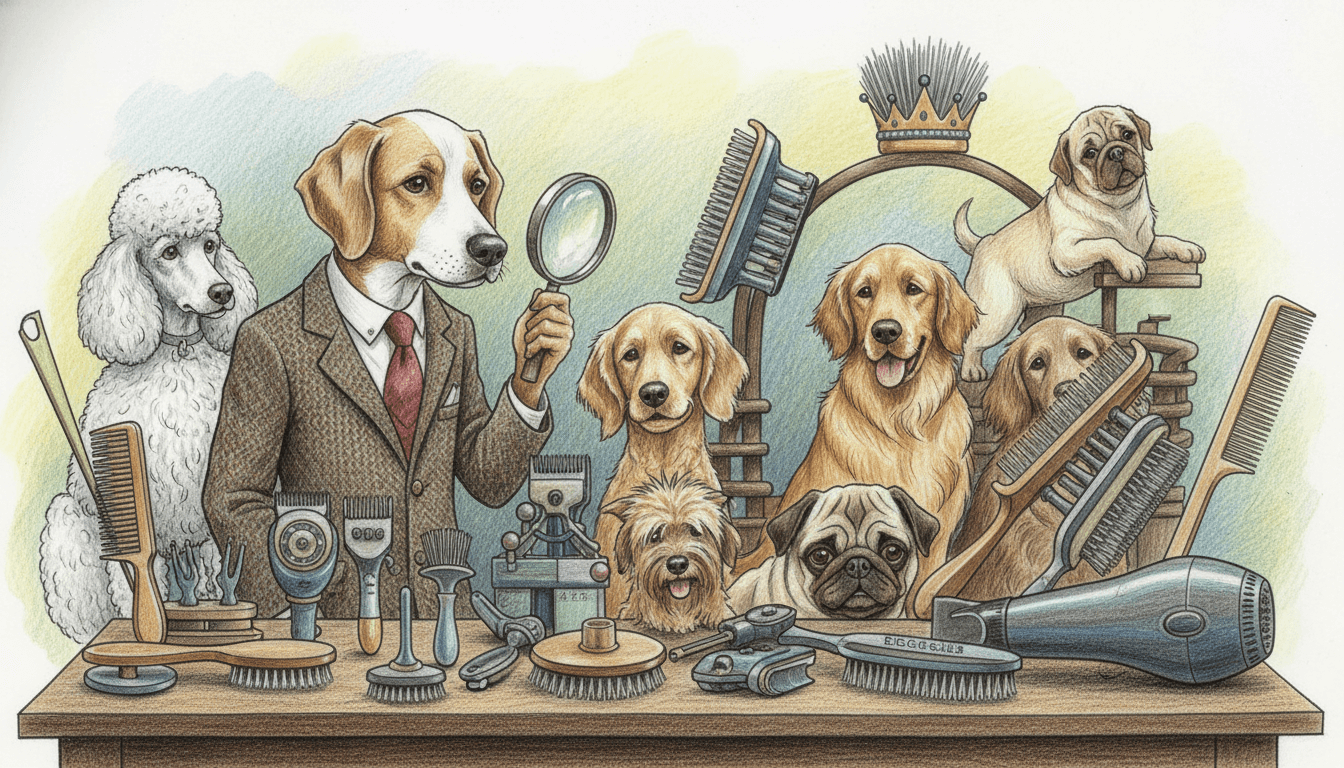
Dog Grooming Tool Selection Guide: Expert Tips for Every Coat Type
This comprehensive guide details essential dog grooming tools, including brush types like bristle, slicker, pin, and undercoat rakes, plus additional implements such as clippers and nail trimmers. Learn how to select tools based on specific coat types—short, long, double, curly, or wire—and understand the importance of quality and maintenance. With insights from Professional Grooming Equipment Experts, ensure your dog's coat stays healthy, mat-free, and well-groomed through proper tool usage and care techniques.
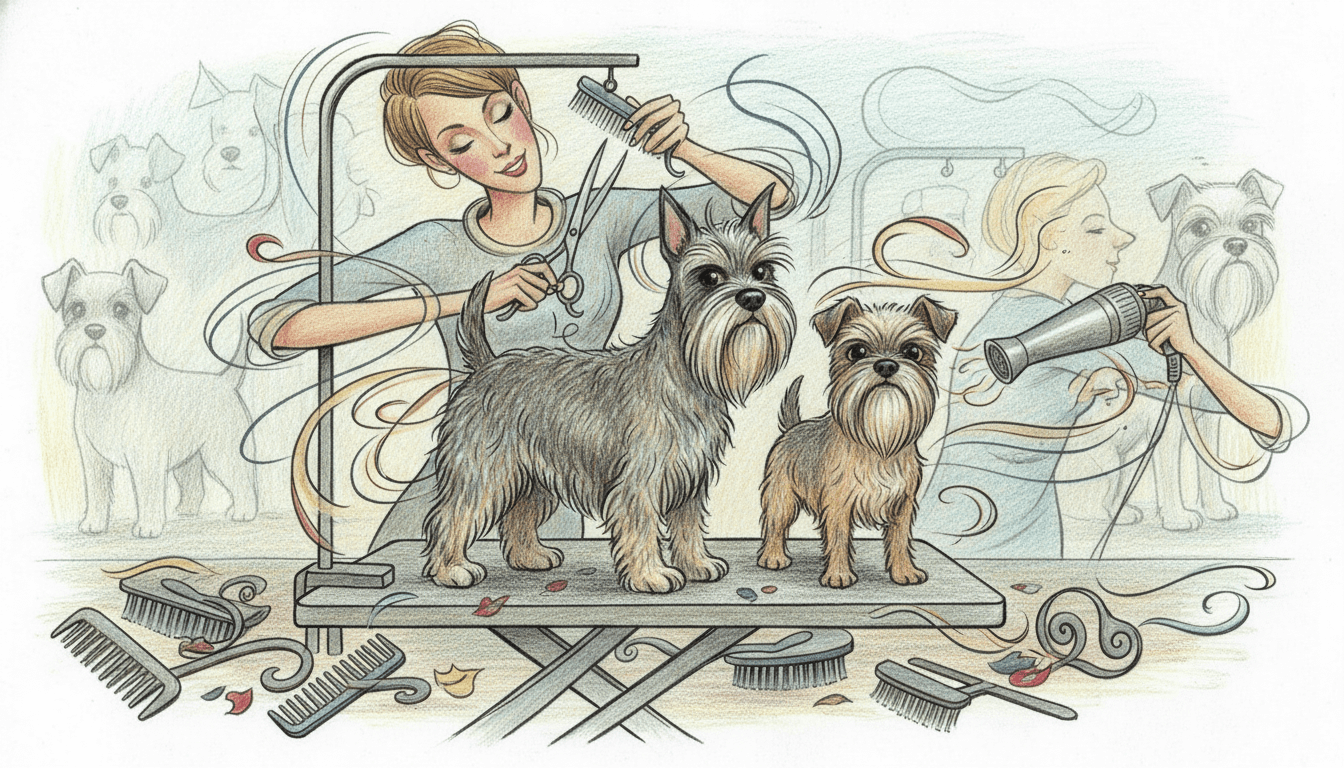
Wire-Coated Breed Grooming Strategies: Preserving Texture and Appearance
Wire-coated breeds like Scottish Terriers, Brussels Griffons, and Wirehaired Dachshunds possess a distinctive coarse, wiry texture that demands specialized grooming approaches. Hand stripping is the preferred method over clipping to maintain natural coat integrity, supported by regular brushing with specialized tools and periodic professional grooming. This guide details proven techniques to uphold coat quality, prevent matting, and ensure breed-standard appearance, drawing from expert insights to help owners achieve optimal results.