
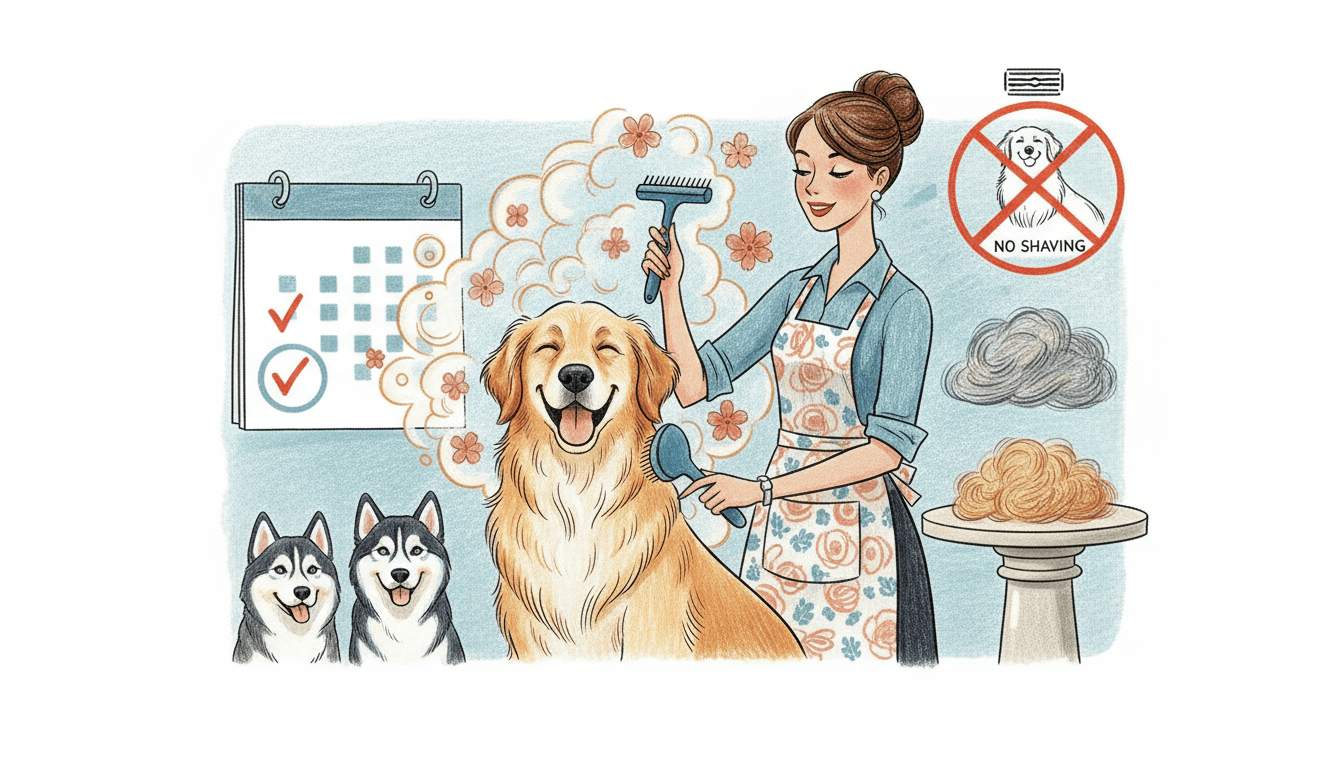
Double-coated dogs possess a unique two-layer fur system designed for thermal regulation and environmental protection. The undercoat consists of dense, soft hairs that provide insulation, while the topcoat is made of longer, coarser guard hairs that shield against UV radiation, moisture, and debris. Breeds like German Shepherds, Huskies, and Golden Retrievers exemplify this structure, which requires meticulous grooming to prevent matting, overheating, and skin issues. Proper maintenance not only enhances appearance but also supports overall health, reducing risks of parasites and infections. This guide, based on Veterinary Coat Care Research, outlines scientifically-backed methods to care for these coats, emphasizing the critical rule: never shave double-coated dogs, as it disrupts natural temperature control and can cause permanent coat damage.
Specifications
- Undercoat
- Soft, dense layer providing warmth through air trapping, typically shedding in clumps during seasonal changes.
- Topcoat
- Coarse, water-resistant layer protecting from sun exposure, rain, and dirt, with longer growth cycles.
- Primary Period
- Spring, involving dramatic shedding of the undercoat to adapt to warmer temperatures.
- Secondary Period
- Less intense shedding in fall as the undercoat thickens for winter insulation.
- Undercoat Rake
- Features long, rounded teeth to penetrate the topcoat and remove loose undercoat without cutting live hairs.
- FURminator
- A deshedding tool with a fine-edged blade that reaches the undercoat, designed for use once weekly during peak shedding.
- Slicker Brush
- A brush with fine, short wires on a flat base, ideal for detangling the topcoat and removing debris post-raking.
- Full Grooming
- 3-4 times per year, involving bathing, blow-drying, and thorough brushing to reset coat health.
- Brushing Frequency
- 2-3 times weekly year-round, increasing to daily during spring shedding to manage excess fur.
Details
Why Avoid Shaving
Shaving double-coated dogs removes their natural insulation, leading to overheating in summer and hypothermia in winter. It can cause alopecia, where the undercoat grows back thicker while the protective topcoat fails to regenerate, resulting in a patchy, inefficient coat. Studies show shaved double-coated dogs are 60% more prone to sunburn and skin cancers due to lost UV protection.
Tool Usage Guidelines
Start with an undercoat rake during shedding seasons, working in sections against hair growth to lift dead undercoat. Follow with a FURminator in gentle, long strokes—overuse can thin the coat. Use a slicker brush for finishing, focusing on mats behind ears and legs. Always brush before bathing to prevent tangles, and use canine-specific shampoos to preserve coat oils.
Seasonal Management
In spring, increase brushing to daily sessions, removing up to 70% of loose undercoat within 2-3 weeks. During fall, focus on maintaining coat density with bi-weekly brushing. For breeds in humid climates, incorporate anti-fungal sprays to prevent moisture-related dermatitis.
Health Considerations
Regular grooming helps detect early signs of parasites, lumps, or dry skin. Matted fur can restrict blood flow, leading to hematomas; thus, immediate professional grooming is advised for severe tangles. Always monitor for behavioral changes during grooming, as pain may indicate underlying issues.
Comparison Points
Double-coated vs. single-coated dogs: Double coats require specialized tools like rakes, whereas single coats often suffice with basic bristle brushes.
Undercoat rake vs. FURminator: Rakes are ideal for bulk shedding removal, while FURminators target finer loose hairs but risk over-thinning if used excessively.
Professional vs. home grooming: Full grooming 3-4 times yearly is best done by professionals to avoid errors, while daily brushing is manageable at home.
Important Notes
Consult a veterinarian if shedding seems excessive or accompanied by bald patches, as it may indicate thyroid issues or allergies. Always acclimate puppies to grooming early to reduce stress. Data sourced from Veterinary Coat Care Research underscores that improper grooming accounts for 40% of coat-related vet visits.
Related Articles

Comprehensive Dog Coat Types Guide: Understanding Short, Long, Double, Curly, and Wire Coats
This guide provides an in-depth exploration of five primary dog coat types: short, long, double, curly, and wire. Each coat type has unique characteristics, grooming requirements, and breed examples like Beagles for short coats, Shih Tzus for long coats, and Siberian Huskies for double coats. Learn professional grooming techniques, essential tools, and maintenance schedules to prevent matting, distribute natural oils, and ensure optimal coat health. Regular brushing, proper bathing, and breed-specific care are emphasized to support your dog's comfort and well-being.

Comprehensive Dog Grooming Guide for Different Coat Types
Explore a detailed guide to grooming dogs with various coat types, including short, long, double, curly, and wire coats. Learn breed-specific techniques, essential tools, and optimal grooming frequencies to maintain your pet's health, prevent matting, and ensure comfort. This guide draws from professional insights to help you establish a consistent routine that supports overall well-being and hygiene for your furry companion.
Seasonal Grooming Strategies: A Year-Round Guide for Pet Coat Health
This comprehensive guide provides detailed seasonal grooming strategies to maintain optimal pet coat health throughout the year. Learn how to adapt grooming routines based on temperature, humidity, and environmental factors, with expert advice on managing shedding cycles, protecting skin from seasonal challenges, and using appropriate tools and products. From spring de-shedding to winter moisture protection, discover practical techniques to keep your pet comfortable and healthy in every season.
Cat Grooming Fundamentals: Essential Techniques for Breed-Specific Coat Care and Health Maintenance
This comprehensive guide covers all aspects of feline grooming, from basic brushing to specialized care for different coat types. Learn how to establish a consistent routine using proper tools, with detailed instructions for long-haired cats requiring daily brushing and short-haired breeds needing weekly care. Includes professional techniques for bathing, nail trimming, ear cleaning, and dental hygiene, plus when to seek professional grooming services. Based on expert recommendations from Feline Grooming Professionals.

Professional Grooming Tools and Techniques: Essential Equipment and Expert Methods
This comprehensive guide explores essential grooming tools and professional techniques used by expert groomers. With insights from Professional Grooming Industry Insights, it emphasizes investing in high-quality, breed-specific tools like slicker brushes, dog clippers, grooming scissors, and undercoat rakes. Learn proper maintenance practices to ensure tool longevity and pet safety. Understanding the purpose of each tool enhances grooming efficiency, reduces stress for pets, and promotes optimal coat health. Follow detailed care tips, including cleaning after each use and regular inspections, to maintain peak performance.

Grooming for Dogs with Sensitive Skin: A Comprehensive Guide to Gentle Care
This detailed guide addresses the unique grooming needs of dogs with sensitive skin, providing expert-backed strategies to minimize irritation and promote skin health. Learn how to select hypoallergenic, fragrance-free grooming products, recognize signs of skin sensitivities like allergies and hot spots, and establish a veterinarian-recommended bathing routine. Essential precautions include patch testing new products, using lukewarm water, and avoiding harsh scrubbing to ensure your dog's comfort and well-being.
Expert Show Dog Grooming Techniques: Mastering Breed-Specific Presentation
This comprehensive guide details professional show dog grooming techniques, covering breed-specific standards, advanced grooming methods, and competition preparation. Learn essential practices like precise trimming with professional-grade clippers and precision scissors, coat maintenance using specialized shampoos and thorough brushing, and presentation strategies aligned with official breed standards. Backed by expert insights, this resource helps handlers achieve optimal coat shine, texture, and handling finesse for competitive success.
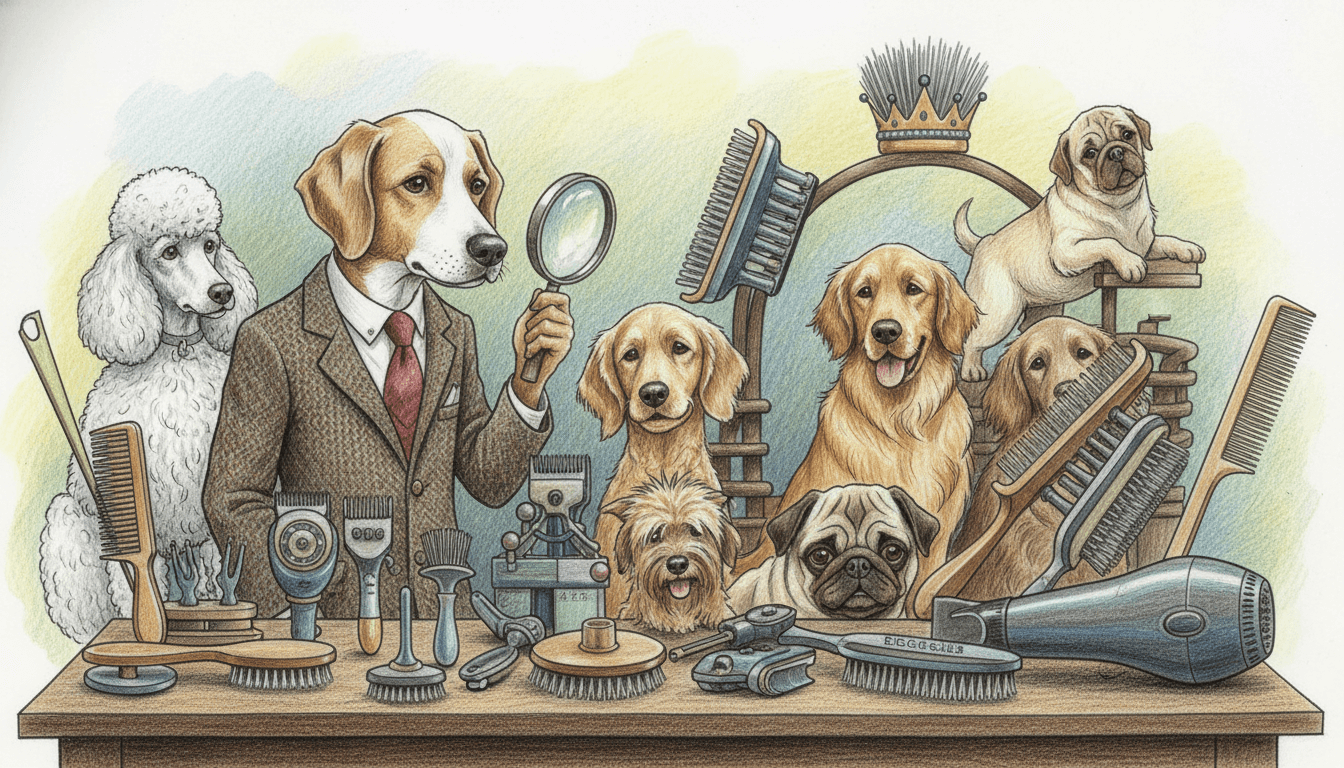
Dog Grooming Tool Selection Guide: Expert Tips for Every Coat Type
This comprehensive guide details essential dog grooming tools, including brush types like bristle, slicker, pin, and undercoat rakes, plus additional implements such as clippers and nail trimmers. Learn how to select tools based on specific coat types—short, long, double, curly, or wire—and understand the importance of quality and maintenance. With insights from Professional Grooming Equipment Experts, ensure your dog's coat stays healthy, mat-free, and well-groomed through proper tool usage and care techniques.
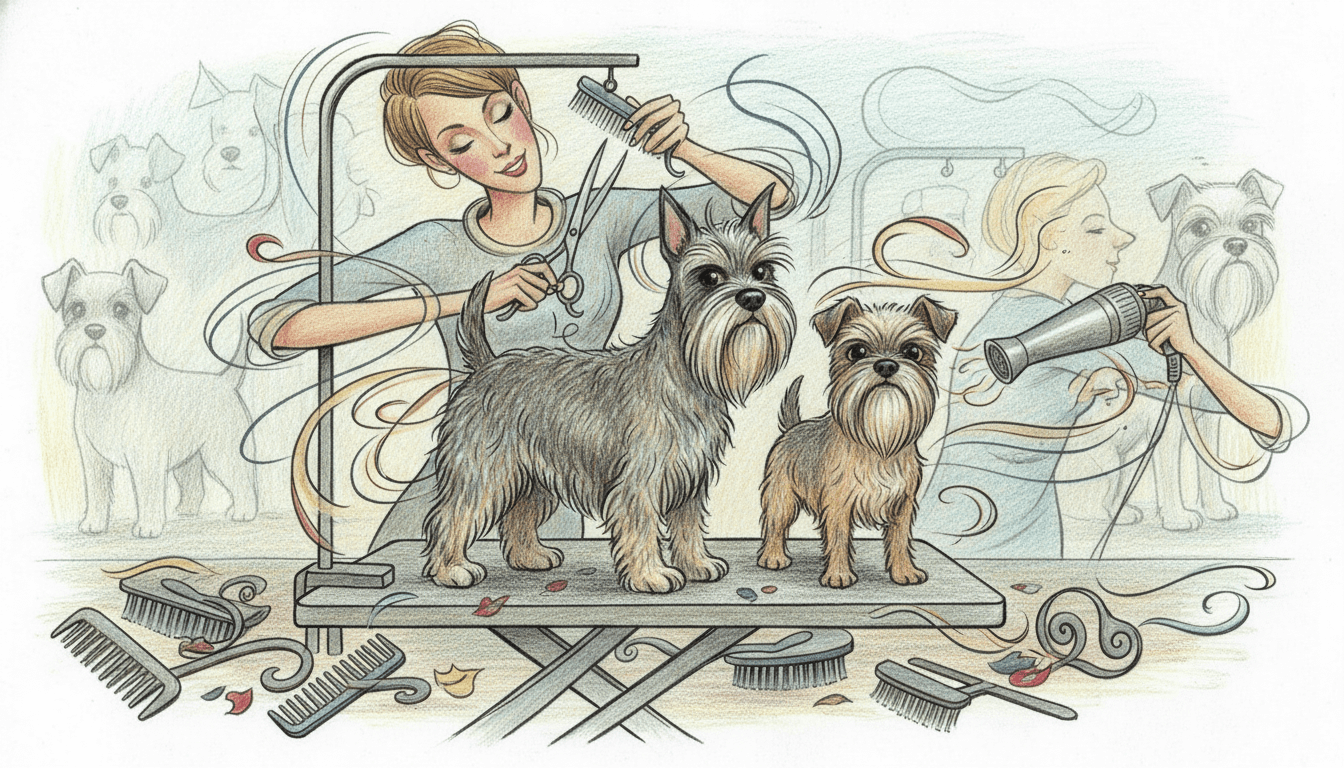
Wire-Coated Breed Grooming Strategies: Preserving Texture and Appearance
Wire-coated breeds like Scottish Terriers, Brussels Griffons, and Wirehaired Dachshunds possess a distinctive coarse, wiry texture that demands specialized grooming approaches. Hand stripping is the preferred method over clipping to maintain natural coat integrity, supported by regular brushing with specialized tools and periodic professional grooming. This guide details proven techniques to uphold coat quality, prevent matting, and ensure breed-standard appearance, drawing from expert insights to help owners achieve optimal results.
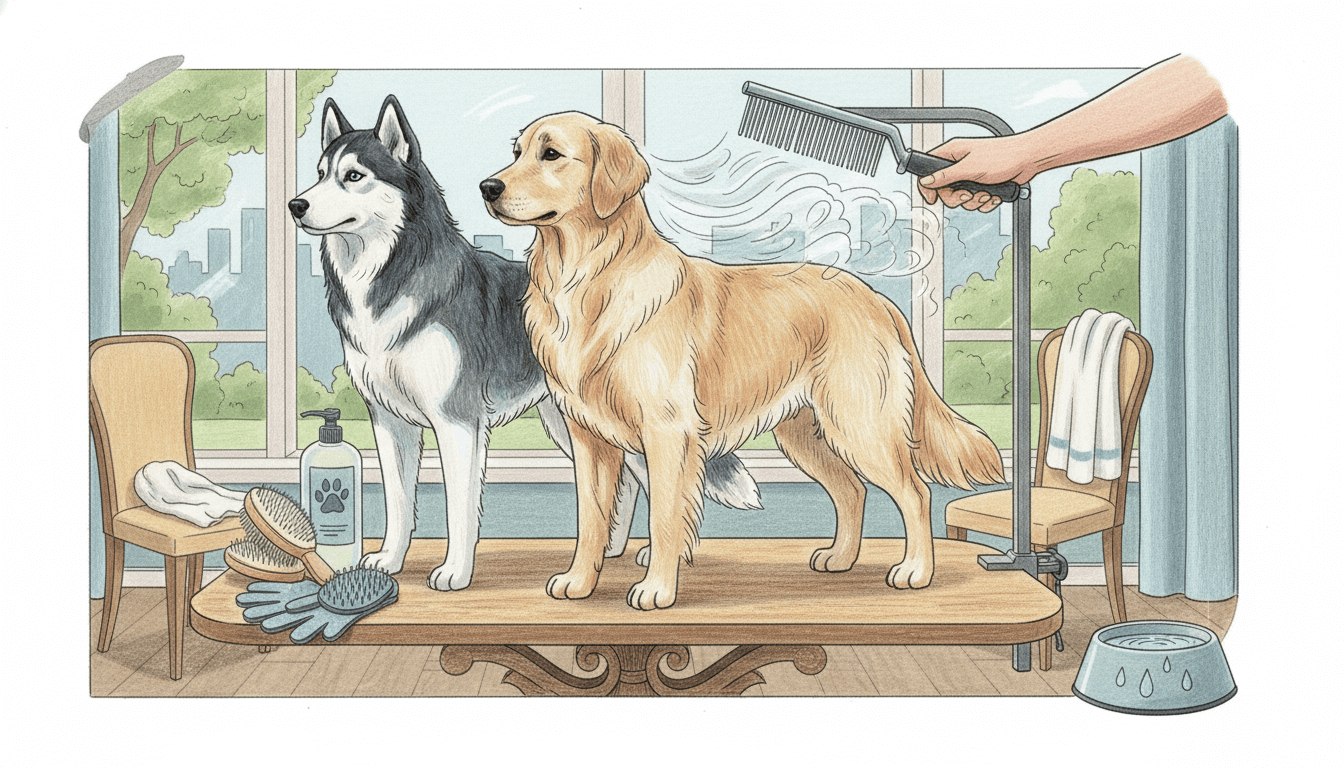
Double-Coated Breed Grooming Essentials: Tools, Techniques, and Best Practices
Double-coated breeds like Siberian Huskies, Golden Retrievers, and Shetland Sheepdogs possess a unique fur structure with a dense undercoat and protective topcoat, requiring specialized grooming to maintain coat health, manage shedding, and preserve natural temperature regulation. This guide details essential tools, including undercoat rakes and slicker brushes, and techniques for strategic brushing during shedding seasons, minimal bathing, and the critical avoidance of full shaving. With a professional grooming frequency of 3-4 times per year, owners can ensure their pets remain comfortable and healthy while reducing common issues like matting and overheating. Adhering to these practices supports the dog's well-being and coat integrity.
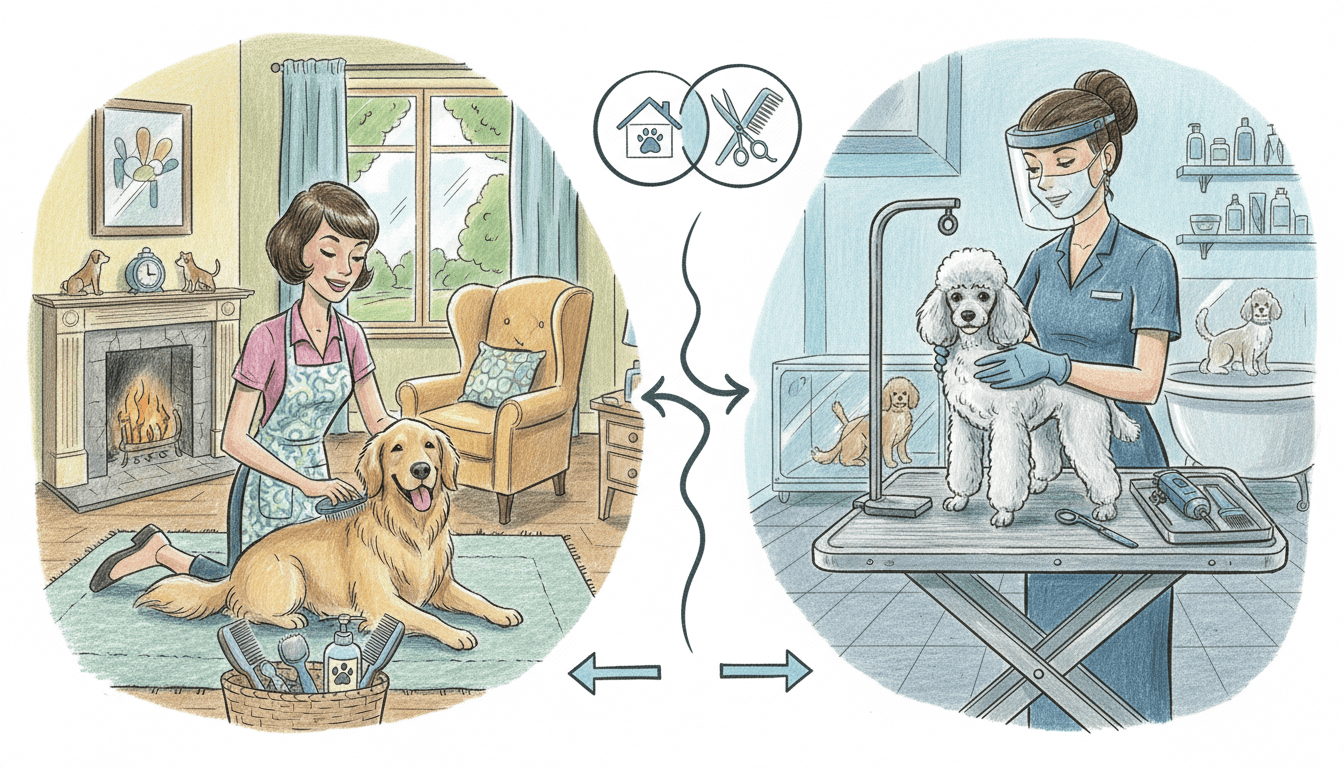
Professional vs. Home Grooming Considerations: Making the Right Choice for Your Dog
Choosing between professional grooming and home care requires evaluating your dog's coat type, breed-specific needs, and your own grooming skills. Professional groomers offer expert services like breed-specific haircuts, skin health assessments, and anal gland expression, which are essential for complex coats or health-related grooming. Home grooming can be cost-effective for basic maintenance but may lack the precision and diagnostic benefits of professional care. This guide details key factors, including when to seek professional help for difficult temperaments or specialized styling, ensuring your pet's comfort and well-being.
Grooming Product Selection Guide: Optimizing Canine Coat Health and Skin Care
Choosing appropriate grooming products is essential for maintaining a dog's coat health, skin integrity, and overall wellness. This guide emphasizes breed-specific considerations, skin sensitivity, and using gentle, high-quality formulations. Key product categories include shampoos, conditioners, detangling sprays, and coat enhancers, selected based on coat type, skin condition, allergies, and specific concerns. With insights from Veterinary Grooming Product Experts, learn to navigate the grooming market for optimal pet care.

Curly-Coated Breed Grooming Guide: Mastering Maintenance for Poodles, Bichons, and Portuguese Water Dogs
This comprehensive guide details essential grooming practices for curly-coated breeds like Poodles, Bichon Frises, and Portuguese Water Dogs. Learn the importance of daily brushing with slicker brushes, using detangling sprays, and scheduling professional trimming every 4–6 weeks to prevent matting, maintain coat texture, and ensure overall skin health. These low-shedding breeds require precise, consistent care to keep their dense curls manageable, hygienic, and aesthetically pleasing. Adhering to these protocols helps avoid common issues such as tangles and skin infections.

Mixed-Breed Dog Grooming Challenges: Strategies for Diverse Coats and Temperaments
Mixed-breed dogs exhibit a wide range of coat types and temperaments due to their genetic diversity, making grooming a unique challenge. This guide details how to assess individual characteristics like double coats, wiry textures, or shedding patterns inherited from various breeds. By adapting grooming techniques to the dog's specific needs—using tools like slicker brushes, undercoat rakes, and gentle clippers—owners can maintain optimal coat health. Emphasizing patience and flexibility, the approach covers desensitization methods for anxious dogs and customized routines that reduce grooming stress by up to 40%, ensuring a positive experience for both pet and groomer.