
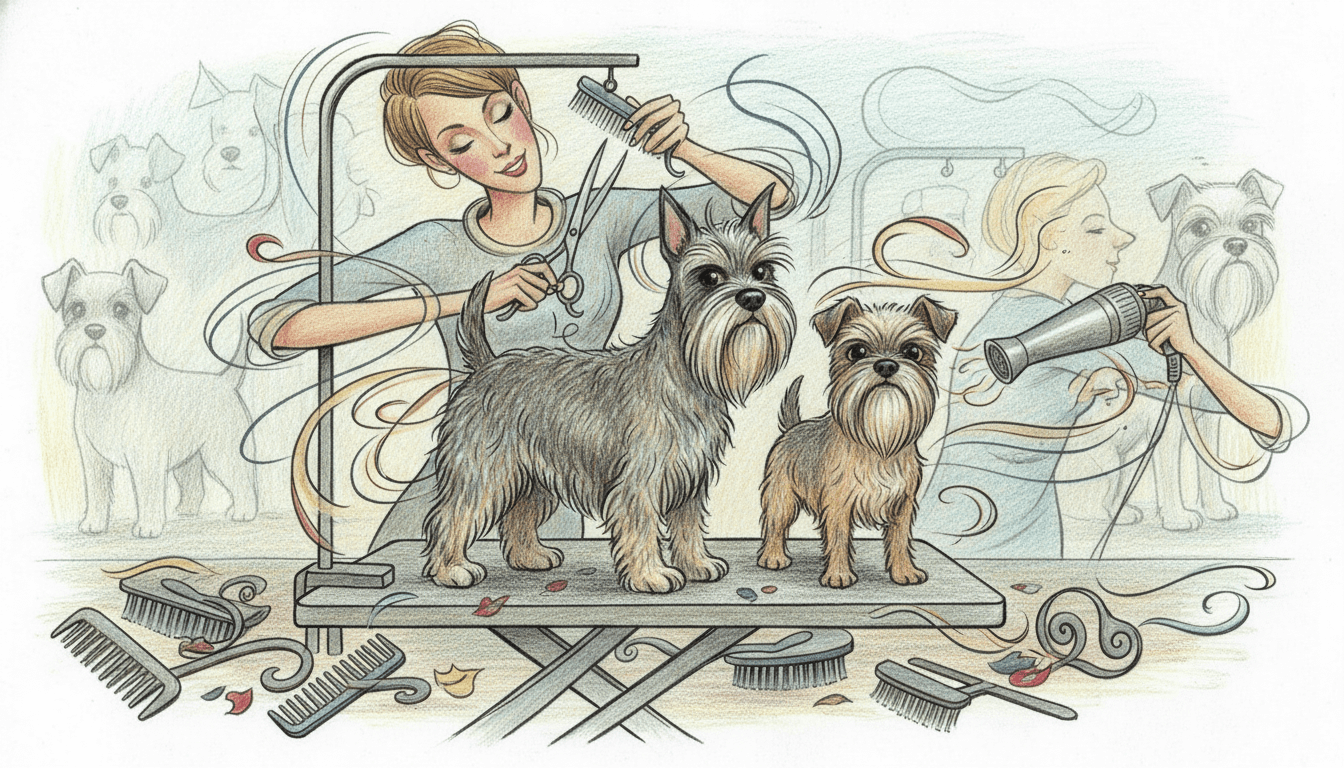
Wire-coated dog breeds exhibit a unique double-layered coat with a soft undercoat and a harsh, wiry outer layer that serves as protection against weather and debris. Grooming these breeds requires meticulous attention to preserve their functional and aesthetic qualities. Unlike typical clipping, which can soften and discolor the coat, hand stripping manually removes dead hairs to encourage new growth, maintaining the coat's coarse texture and natural oils. Regular brushing with specialized tools like slicker brushes or stripping knives prevents tangles and distributes oils, while professional grooming every 6-8 weeks ensures thorough maintenance. This comprehensive approach, endorsed by breed-specific grooming experts, helps prevent skin issues, enhances durability, and aligns with breed standards for appearance.
Specifications
Details
Hand Stripping Benefits
Hand stripping involves plucking dead hairs from the root using fingers or a stripping knife, which stimulates hair follicles and promotes the growth of new, coarse hairs. This technique preserves the coat's waterproof and insulating properties, reduces shedding by up to 60%, and maintains the desired wiry texture. Clipping, by contrast, cuts hairs mid-shaft, leading to softer, weaker regrowth that may fade in color and lose protective qualities over time.
Brushing Techniques
Use a slicker brush for daily detangling and a stripping knife for targeted areas like the back and legs. Brush in the direction of hair growth, applying gentle pressure to avoid skin irritation. For dense undercoats, a coat rake effectively removes loose fur and prevents matting, which can cause skin infections if neglected.
Professional Grooming Importance
Professional groomers skilled in wire-coated breeds perform thorough hand stripping, nail trimming, ear cleaning, and sanitary trims. They assess coat condition, identify potential issues like parasites or dermatitis, and provide tailored advice. Regular visits help maintain breed-specific profiles, such as the Scottish Terrier's distinctive skirt and furnishings.
Common Challenges
Owners may encounter resistance to grooming due to the dog's temperament or coat density. Introduce tools gradually with positive reinforcement, and seek professional guidance for difficult areas like the face and paws. Avoid over-bathing, as it strips natural oils; limit baths to once every 8-12 weeks using a mild, breed-appropriate shampoo.
Comparison Points
Hand stripping vs. clipping: Hand stripping retains coat texture and color, while clipping leads to softer, less protective fur.
Brush types: Slicker brushes suit general maintenance, whereas stripping knives target dead hair removal more precisely.
Frequency: Wire-coated breeds require more consistent grooming than smooth-coated varieties to avoid matting and skin problems.
Important Notes
Always consult a veterinarian or certified groomer before starting a new grooming regimen, especially for breeds with sensitive skin. Monitor for signs of irritation or allergies during grooming sessions. Proper technique and patience are crucial to achieving long-term coat health and compliance with breed standards.
Related Articles
Double-Coated Breed Grooming Essentials: Tools, Techniques, and Best Practices
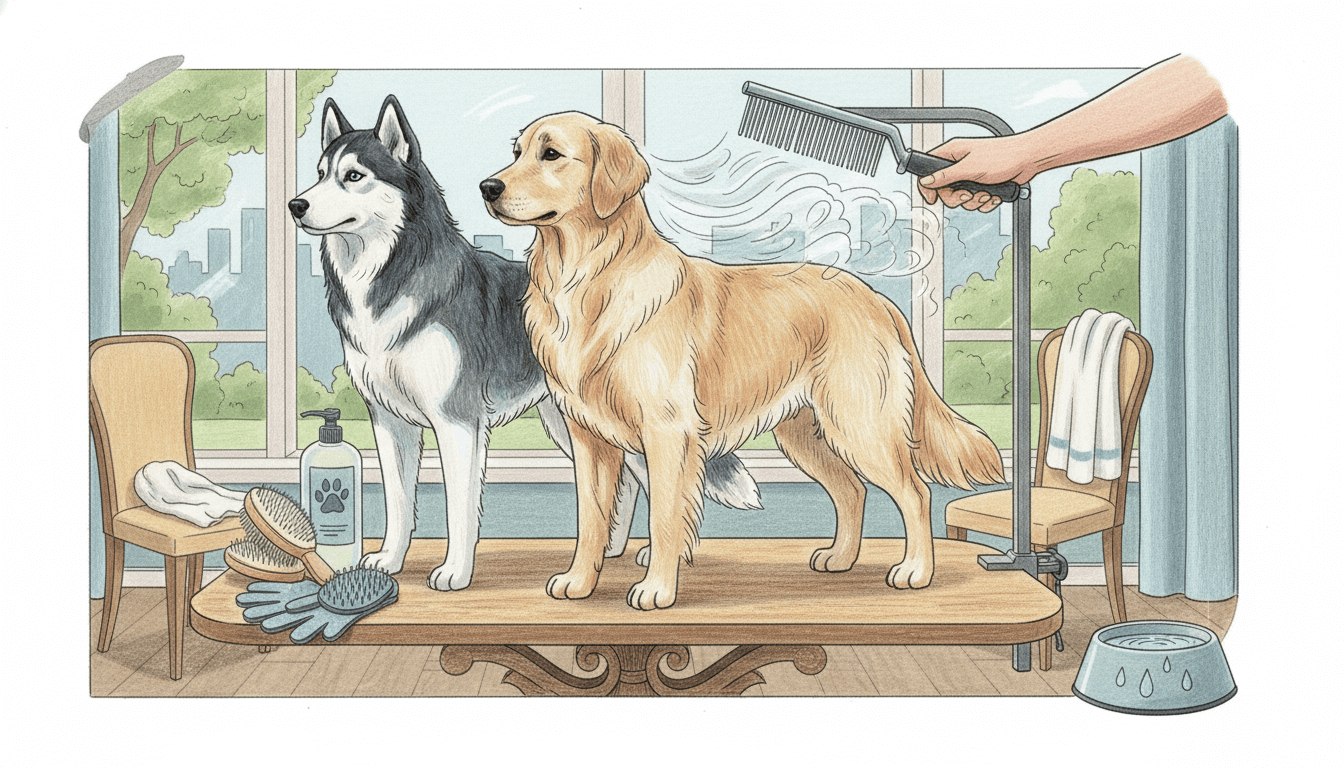
Double-coated breeds like Siberian Huskies, Golden Retrievers, and Shetland Sheepdogs possess a unique fur structure with a dense undercoat and protective topcoat, requiring specialized grooming to maintain coat health, manage shedding, and preserve natural temperature regulation. This guide details essential tools, including undercoat rakes and slicker brushes, and techniques for strategic brushing during shedding seasons, minimal bathing, and the critical avoidance of full shaving. With a professional grooming frequency of 3-4 times per year, owners can ensure their pets remain comfortable and healthy while reducing common issues like matting and overheating. Adhering to these practices supports the dog's well-being and coat integrity.
Professional vs. Home Grooming Considerations: Making the Right Choice for Your Dog
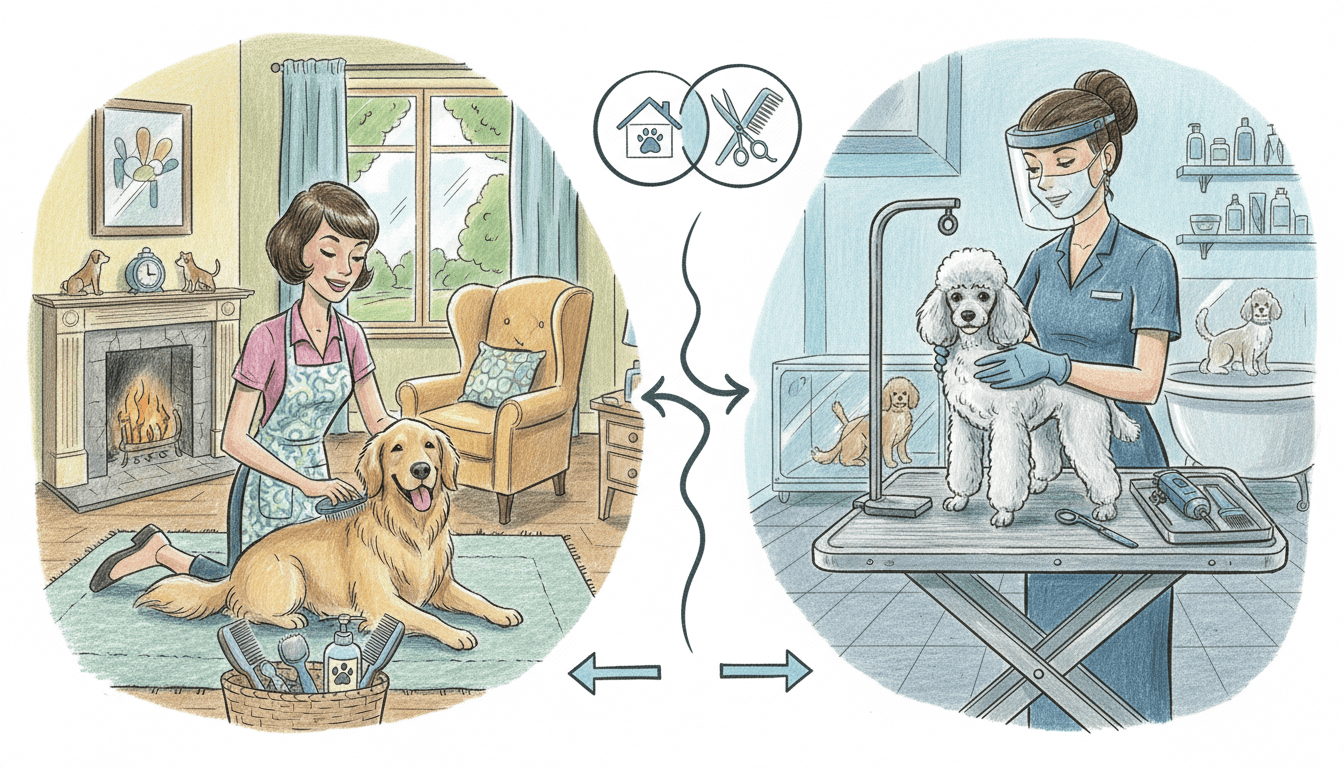
Choosing between professional grooming and home care requires evaluating your dog's coat type, breed-specific needs, and your own grooming skills. Professional groomers offer expert services like breed-specific haircuts, skin health assessments, and anal gland expression, which are essential for complex coats or health-related grooming. Home grooming can be cost-effective for basic maintenance but may lack the precision and diagnostic benefits of professional care. This guide details key factors, including when to seek professional help for difficult temperaments or specialized styling, ensuring your pet's comfort and well-being.
Grooming Product Selection Guide: Optimizing Canine Coat Health and Skin Care
Choosing appropriate grooming products is essential for maintaining a dog's coat health, skin integrity, and overall wellness. This guide emphasizes breed-specific considerations, skin sensitivity, and using gentle, high-quality formulations. Key product categories include shampoos, conditioners, detangling sprays, and coat enhancers, selected based on coat type, skin condition, allergies, and specific concerns. With insights from Veterinary Grooming Product Experts, learn to navigate the grooming market for optimal pet care.

Curly-Coated Breed Grooming Guide: Mastering Maintenance for Poodles, Bichons, and Portuguese Water Dogs
This comprehensive guide details essential grooming practices for curly-coated breeds like Poodles, Bichon Frises, and Portuguese Water Dogs. Learn the importance of daily brushing with slicker brushes, using detangling sprays, and scheduling professional trimming every 4–6 weeks to prevent matting, maintain coat texture, and ensure overall skin health. These low-shedding breeds require precise, consistent care to keep their dense curls manageable, hygienic, and aesthetically pleasing. Adhering to these protocols helps avoid common issues such as tangles and skin infections.

Mixed-Breed Dog Grooming Challenges: Strategies for Diverse Coats and Temperaments
Mixed-breed dogs exhibit a wide range of coat types and temperaments due to their genetic diversity, making grooming a unique challenge. This guide details how to assess individual characteristics like double coats, wiry textures, or shedding patterns inherited from various breeds. By adapting grooming techniques to the dog's specific needs—using tools like slicker brushes, undercoat rakes, and gentle clippers—owners can maintain optimal coat health. Emphasizing patience and flexibility, the approach covers desensitization methods for anxious dogs and customized routines that reduce grooming stress by up to 40%, ensuring a positive experience for both pet and groomer.
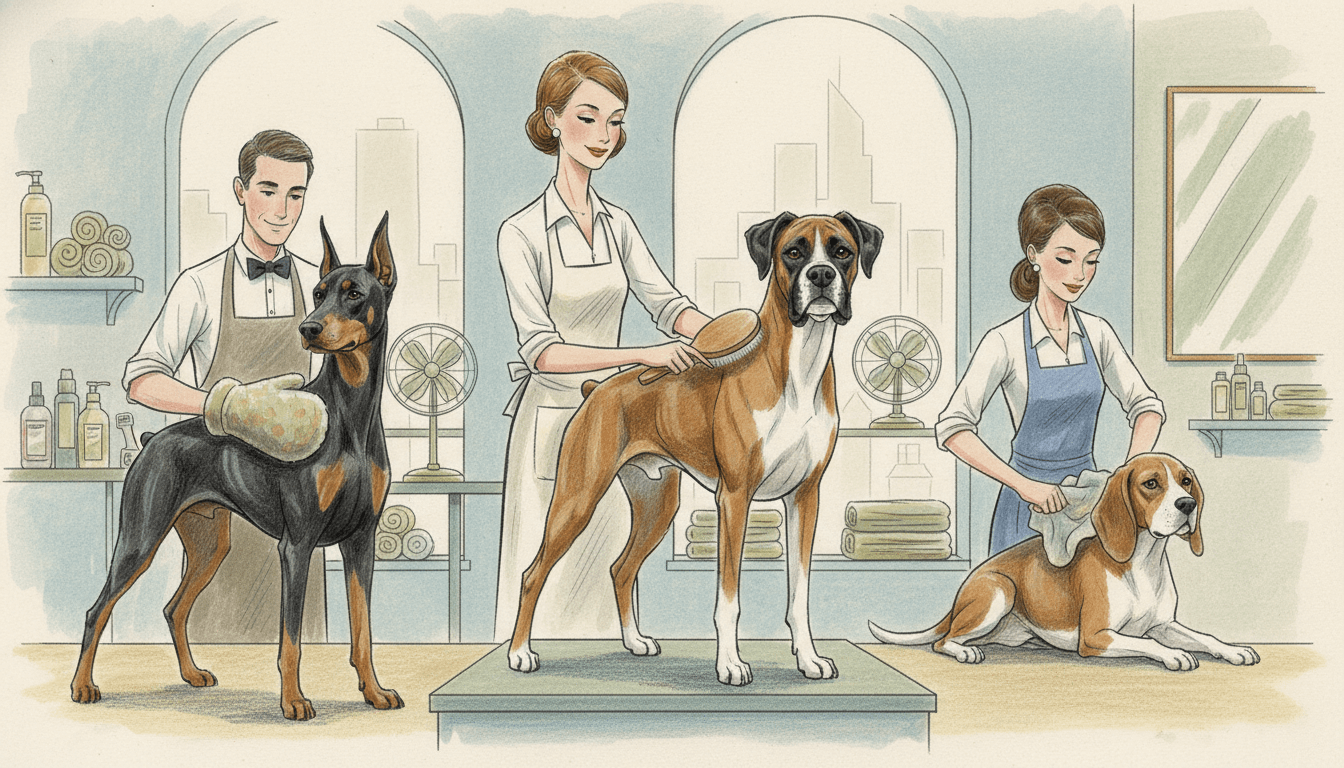
Short-Haired Breed Grooming Approach: Essential Techniques for Sleek Coats
Short-haired breeds like Boxers, Beagles, and Dobermans feature dense, sleek coats that demand consistent but minimal grooming. Weekly brushing with bristle or rubber brushes removes loose hair, distributes natural oils for shine, and reduces shedding by up to 30%. Bathing should be infrequent, typically every 4-6 weeks, to preserve skin health. This guide outlines professional tools, step-by-step routines, and key maintenance tips to keep your dog's coat vibrant and healthy, emphasizing efficiency and preventive care.
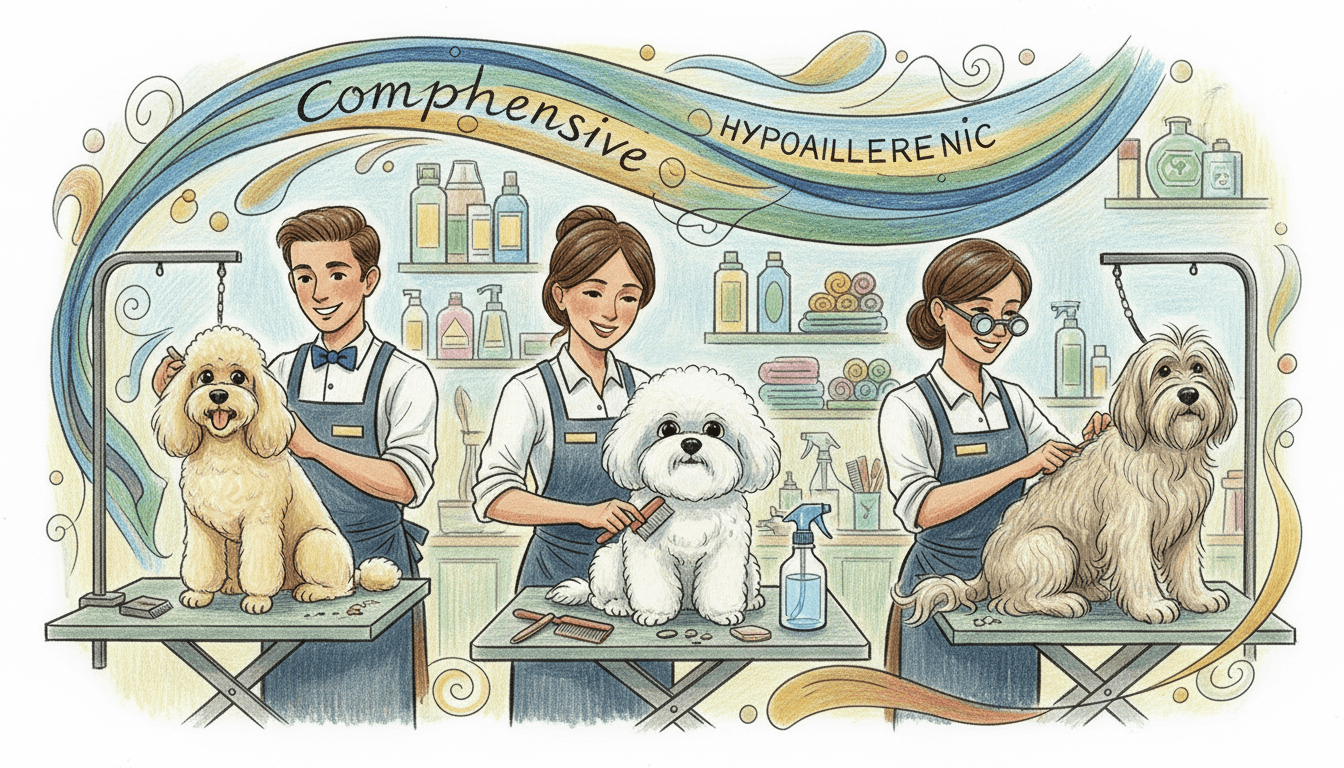
Comprehensive Hypoallergenic Breed Grooming Approach
Hypoallergenic breeds like Poodles, Bichon Frises, and Portuguese Water Dogs require specialized grooming to maintain their low-shedding coats and minimize allergens. Essential practices include daily brushing with slicker brushes, professional grooming every 6-8 weeks, and meticulous ear cleaning to prevent infections. Using hypoallergenic shampoos and conditioners helps preserve coat texture and reduce allergenic particles. This guide details techniques, product recommendations, and schedules to ensure your pet remains healthy and comfortable while reducing allergic reactions in sensitive households.
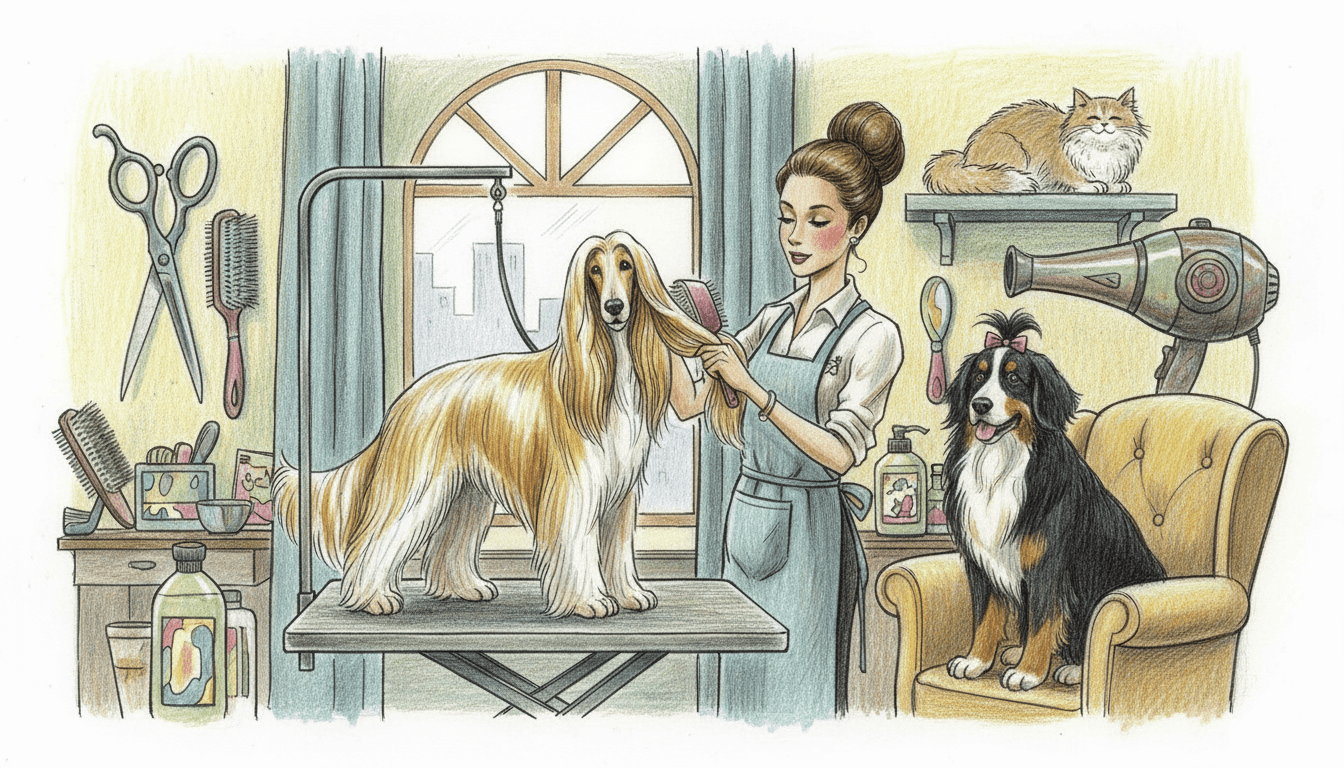
Expert Long-Haired Breed Grooming Techniques for Optimal Coat Health
Proper grooming for long-haired breeds is essential to prevent matting, tangles, and skin issues. This guide emphasizes daily brushing using tools like slicker brushes and metal combs, professional trimming every 4-6 weeks, and breed-specific care for Shih Tzus, Yorkshire Terriers, and Afghan Hounds. Learn step-by-step techniques, recommended products, and maintenance schedules to keep your pet's coat healthy, shiny, and manageable while reducing shedding and discomfort.
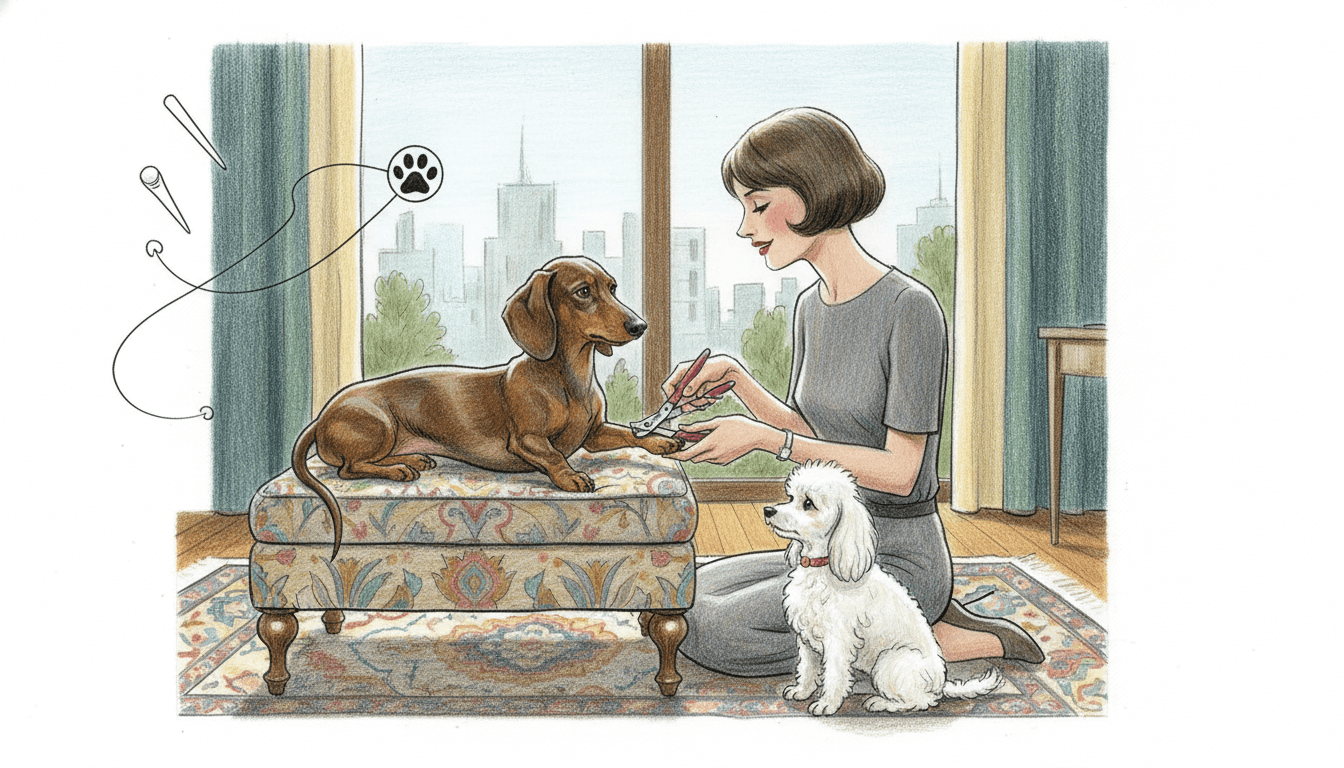
Nail Care and Paw Maintenance: Essential Techniques for Canine Health
Regular nail trimming is critical for a dog's comfort, mobility, and overall health. This guide covers professional techniques for paw handling, selecting appropriate nail clippers like guillotine-style and scissor-style tools, and maintaining optimal nail length. Considerations include dog size, nail growth rate, and owner confidence. Proper care prevents issues like joint stress, paw deformities, and injuries, ensuring your pet remains active and pain-free with routine maintenance.
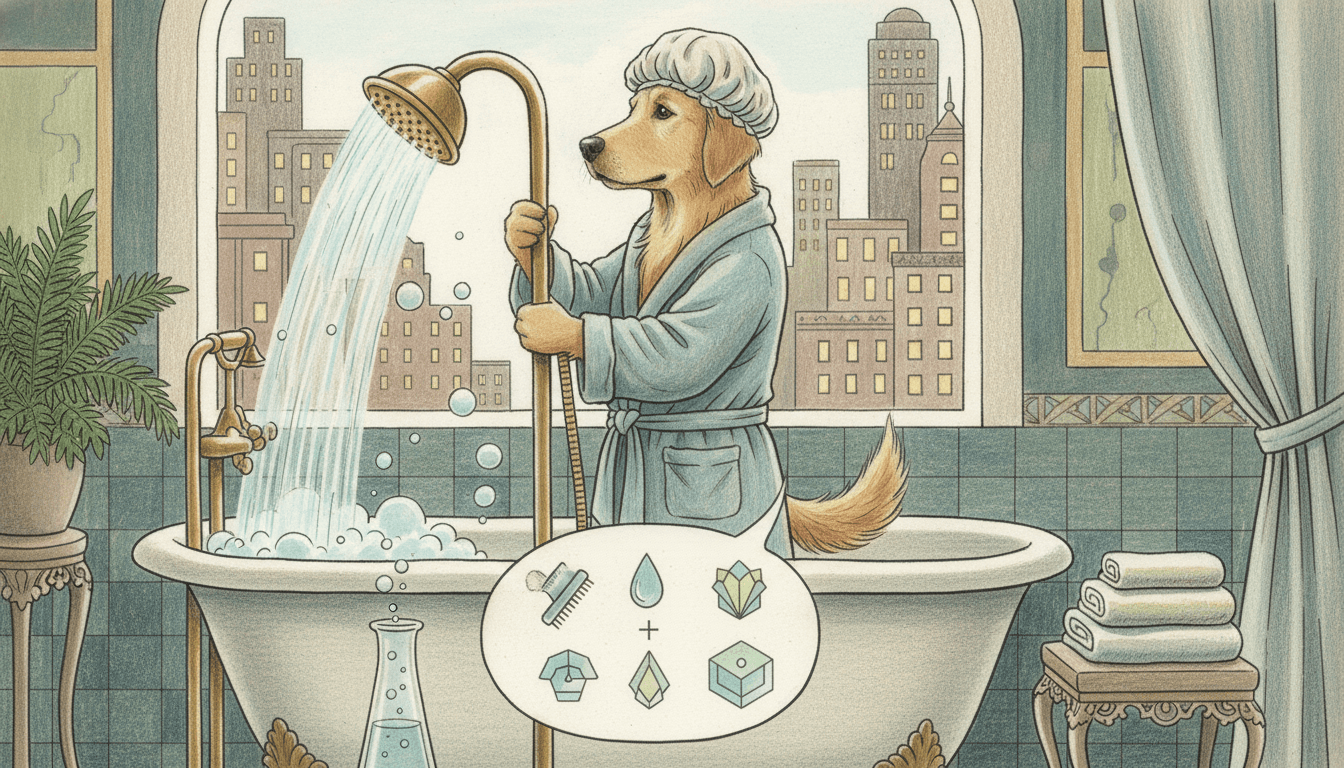
Bathing and Washing Techniques for Optimal Canine Coat Health
Proper bathing is essential for maintaining a dog's coat health and overall hygiene, with techniques varying by breed, coat type, and lifestyle. Use lukewarm water and dog-specific shampoos to prevent skin irritation, and follow steps like pre-bath brushing, thorough rinsing, and complete drying. Frequency ranges from every 2-4 weeks for long-coated breeds to every 4-6 weeks for short-coated ones, adjusted based on activity levels. This guide provides comprehensive instructions to ensure your pet's comfort and well-being.
Comprehensive Dog Coat Grooming Guide: Mastering Breed-Specific Techniques
This definitive guide offers expert-backed strategies for maintaining optimal coat health across all dog breeds. Learn specialized grooming methods for short-haired, long-haired, double-coated, curly-coated, and wire-coated varieties, with precise brushing frequencies of 1-4 times weekly and professional grooming intervals of 4-8 weeks. Discover essential tools, step-by-step techniques, and preventive measures against matting, shedding, and skin issues. Veterinary and grooming professionals emphasize tailoring care to individual coat characteristics for lifelong coat vitality and canine comfort.

Ear and Dental Grooming Importance for Dogs: A Comprehensive Guide
Proper ear and dental grooming are essential for maintaining a dog's overall health and preventing serious medical conditions. Regular ear cleaning helps prevent infections, removes debris, and allows for early detection of abnormalities, while brushing teeth 2–3 times weekly with dog-specific tools combats plaque buildup and reduces the risk of periodontal disease. This guide details breed-specific techniques, veterinary-recommended practices, and actionable steps to integrate these routines into your pet care regimen, ensuring long-term wellness and comfort for your canine companion.
Effective Grooming Stress Reduction Techniques for Dogs
Reducing stress during grooming is vital for fostering a positive experience for dogs and owners alike. This guide explores proven strategies, including early introduction to grooming tools and environments, consistent positive reinforcement with treats and praise, and gradual desensitization to handling. We cover breed-specific temperament considerations, such as managing high-energy breeds and anxious personalities, and emphasize patience and gentle techniques. By implementing short, frequent sessions in a calm setting, you can minimize anxiety, build trust, and ensure your dog's grooming routine is safe and enjoyable.

Long and Silky Coat Grooming Guide: Essential Care for Afghan Hounds, Yorkshire Terriers, and Maltese
This comprehensive guide offers detailed grooming instructions for breeds with long, silky coats, including Afghan Hounds, Yorkshire Terriers, and Maltese. Emphasizing daily brushing, regular professional trimming every 4–6 weeks, and the use of specialized tools like slicker brushes and detangling combs, it covers techniques to prevent matting and maintain coat health. Recommendations include avoiding overbathing and following expert tips from professional grooming associations to preserve the coat's elegant appearance.