
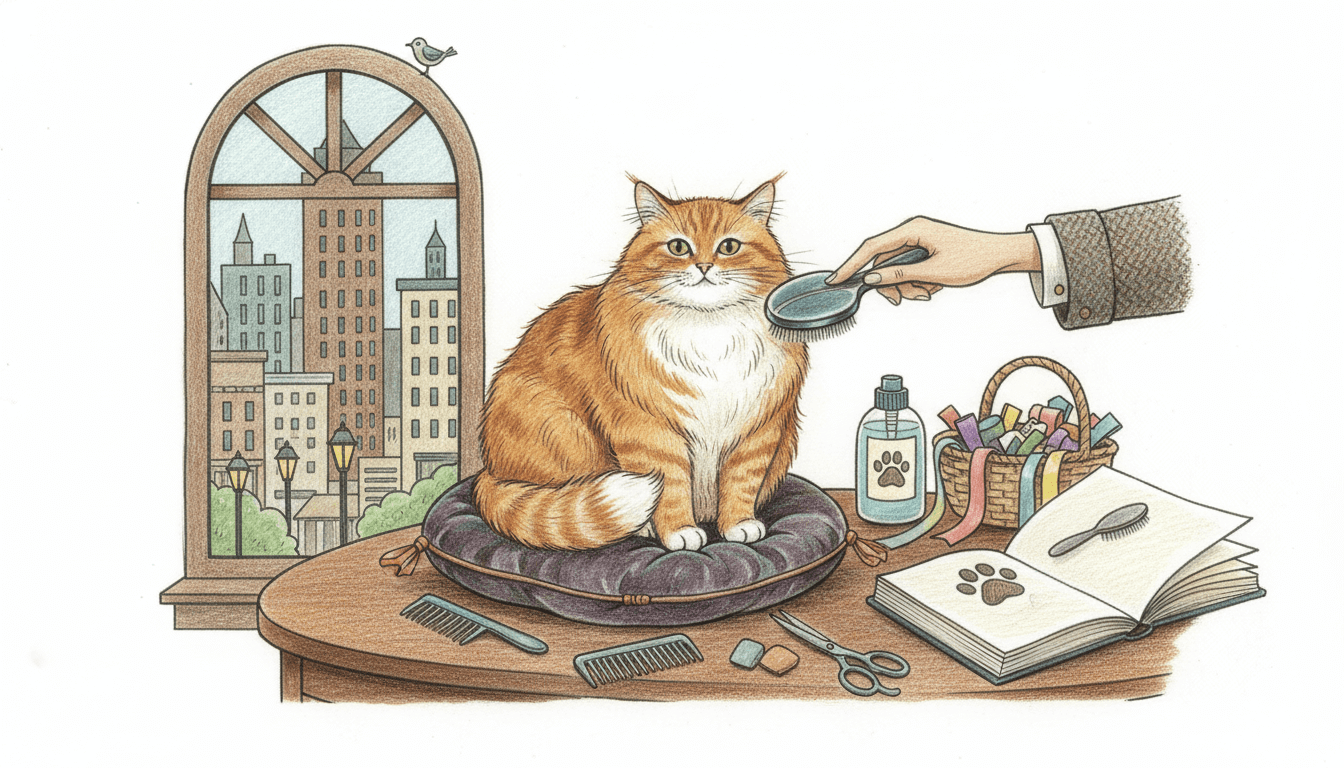
Proper feline grooming is essential for maintaining your cat's health, comfort, and appearance. While cats are natural self-groomers, human intervention through regular grooming routines prevents matting, reduces hairballs, monitors skin health, and strengthens the human-animal bond. This guide provides detailed, professional techniques adapted from Feline Grooming Professionals, covering all essential grooming practices with specific attention to breed characteristics and coat requirements. Understanding that long-haired breeds require daily brushing while short-haired cats need weekly sessions forms the foundation of effective coat maintenance. Additional services including bathing, nail care, ear cleaning, and dental hygiene complete a comprehensive grooming regimen that supports overall feline wellness.
Specifications
- Long Hair
- Daily brushing with slicker brushes and metal combs to prevent mats and tangles
- Short Hair
- Weekly brushing using rubber brushes or grooming gloves to remove loose hair and distribute skin oils
- Daily Maintenance
- 5-10 minutes for long-haired breeds
- Weekly Sessions
- 15-20 minutes for complete grooming routine
- Professional Services
- 60-90 minutes every 4-6 weeks for specialized breeds
Details
Brushing Techniques
Begin grooming sessions with gentle brushing using appropriate tools for your cat's coat type. For long-haired cats like Persians and Maine Coons, use slicker brushes followed by metal combs to reach undercoats, working in sections to thoroughly remove loose hair and prevent mats. Short-haired breeds such as Siamese and Bengals benefit from rubber brushes or grooming gloves that efficiently capture shed hair while massaging the skin. Always brush in the direction of hair growth, applying minimal pressure to avoid skin irritation. Regular brushing distributes natural oils throughout the coat, removes debris, and reduces hairball formation by up to 60% according to veterinary studies.
Bathing Procedures
While most cats require infrequent bathing, certain situations necessitate this service. Use only cat-specific shampoos with proper pH balance, as human products can damage feline skin and coat. Prepare everything in advance: place rubber mat in sink or tub, have towels ready, and use lukewarm water. Wet the coat thoroughly, apply shampoo starting from neck down to tail, avoiding eyes and ears. Rinse completely until water runs clear, as shampoo residue causes skin irritation. Towel dry gently, and if using a blow dryer, keep it on lowest heat setting at a safe distance. Most cats require bathing only every 4-6 weeks or when visibly soiled.
Nail Care
Trim nails every 2-3 weeks using specialized cat nail clippers. Hold paw firmly but gently, press pad to extend claw, and identify the quick (pink area containing blood vessels). Cut only the clear tip, avoiding the quick to prevent bleeding and pain. If accidental cutting occurs, use styptic powder to stop bleeding. Regular trimming prevents nails from curling into paw pads, reduces scratching damage, and maintains proper foot alignment. Introduce nail care gradually with positive reinforcement to build acceptance.
Ear Cleaning
Inspect ears weekly for debris, odor, or redness. Use veterinary-approved ear cleaning solution on cotton balls or gauze, never cotton swabs which can damage ear canals. Gently wipe visible areas of the outer ear, avoiding deep insertion. Normal ear wax is light brown and odorless; dark, excessive, or foul-smelling discharge warrants veterinary attention. Breeds with folded ears like Scottish Folds require more frequent monitoring for infection prevention.
Dental Hygiene
Oral care is crucial, with 70% of cats showing signs of dental disease by age 3. Brush teeth daily using feline toothbrushes and enzymatic toothpaste. Never use human toothpaste containing fluoride, which is toxic to cats. Introduce dental care gradually, allowing cats to taste toothpaste first, then progressing to brushing a few teeth, eventually covering all surfaces. Regular brushing prevents plaque buildup, reduces tartar formation by 87%, and minimizes risk of periodontal disease that can affect overall health.
Comparison Points
Long-haired breeds require 5x more brushing frequency than short-haired cats
Professional grooming costs average $50-100 per session compared to $20-50 in initial tool investment for home care
Cats accustomed to grooming from kittenhood show 80% higher compliance with adult grooming routines
Regular grooming reduces veterinary visits for skin conditions by approximately 40%
Important Notes
While most cats are proficient self-groomers, human-assisted grooming provides essential health monitoring and addresses areas cats cannot reach. Always approach grooming sessions calmly, using positive reinforcement with treats and praise. Watch for signs of stress including tail flicking, ears back, or attempts to escape—if these occur, pause and resume later. Professional groomers should be consulted for difficult mats, lion cuts, or cats with behavioral challenges. Remember that grooming is not just cosmetic—it's vital preventive healthcare that extends your cat's quality of life and strengthens your bond.
Related Articles

Professional Grooming Tools and Techniques: Essential Equipment and Expert Methods
This comprehensive guide explores essential grooming tools and professional techniques used by expert groomers. With insights from Professional Grooming Industry Insights, it emphasizes investing in high-quality, breed-specific tools like slicker brushes, dog clippers, grooming scissors, and undercoat rakes. Learn proper maintenance practices to ensure tool longevity and pet safety. Understanding the purpose of each tool enhances grooming efficiency, reduces stress for pets, and promotes optimal coat health. Follow detailed care tips, including cleaning after each use and regular inspections, to maintain peak performance.

Grooming for Dogs with Sensitive Skin: A Comprehensive Guide to Gentle Care
This detailed guide addresses the unique grooming needs of dogs with sensitive skin, providing expert-backed strategies to minimize irritation and promote skin health. Learn how to select hypoallergenic, fragrance-free grooming products, recognize signs of skin sensitivities like allergies and hot spots, and establish a veterinarian-recommended bathing routine. Essential precautions include patch testing new products, using lukewarm water, and avoiding harsh scrubbing to ensure your dog's comfort and well-being.
Expert Show Dog Grooming Techniques: Mastering Breed-Specific Presentation
This comprehensive guide details professional show dog grooming techniques, covering breed-specific standards, advanced grooming methods, and competition preparation. Learn essential practices like precise trimming with professional-grade clippers and precision scissors, coat maintenance using specialized shampoos and thorough brushing, and presentation strategies aligned with official breed standards. Backed by expert insights, this resource helps handlers achieve optimal coat shine, texture, and handling finesse for competitive success.
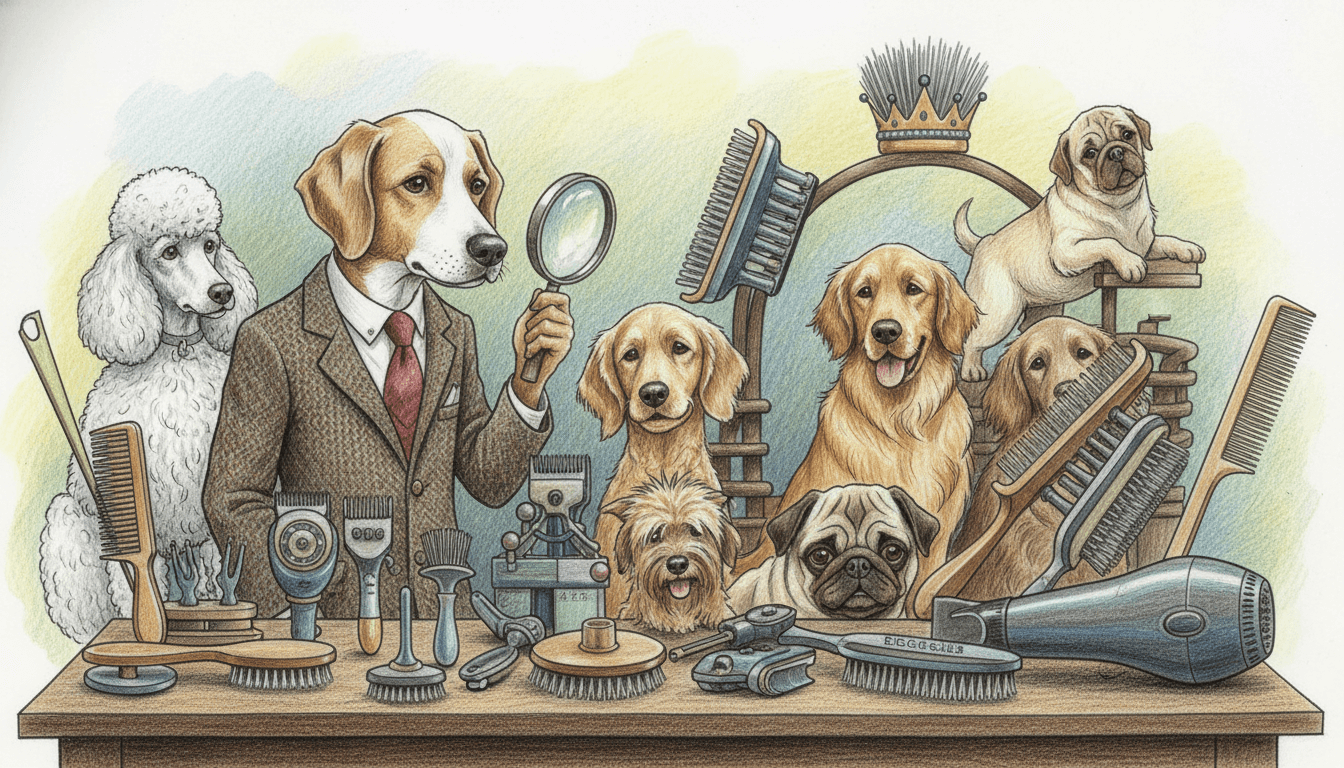
Dog Grooming Tool Selection Guide: Expert Tips for Every Coat Type
This comprehensive guide details essential dog grooming tools, including brush types like bristle, slicker, pin, and undercoat rakes, plus additional implements such as clippers and nail trimmers. Learn how to select tools based on specific coat types—short, long, double, curly, or wire—and understand the importance of quality and maintenance. With insights from Professional Grooming Equipment Experts, ensure your dog's coat stays healthy, mat-free, and well-groomed through proper tool usage and care techniques.
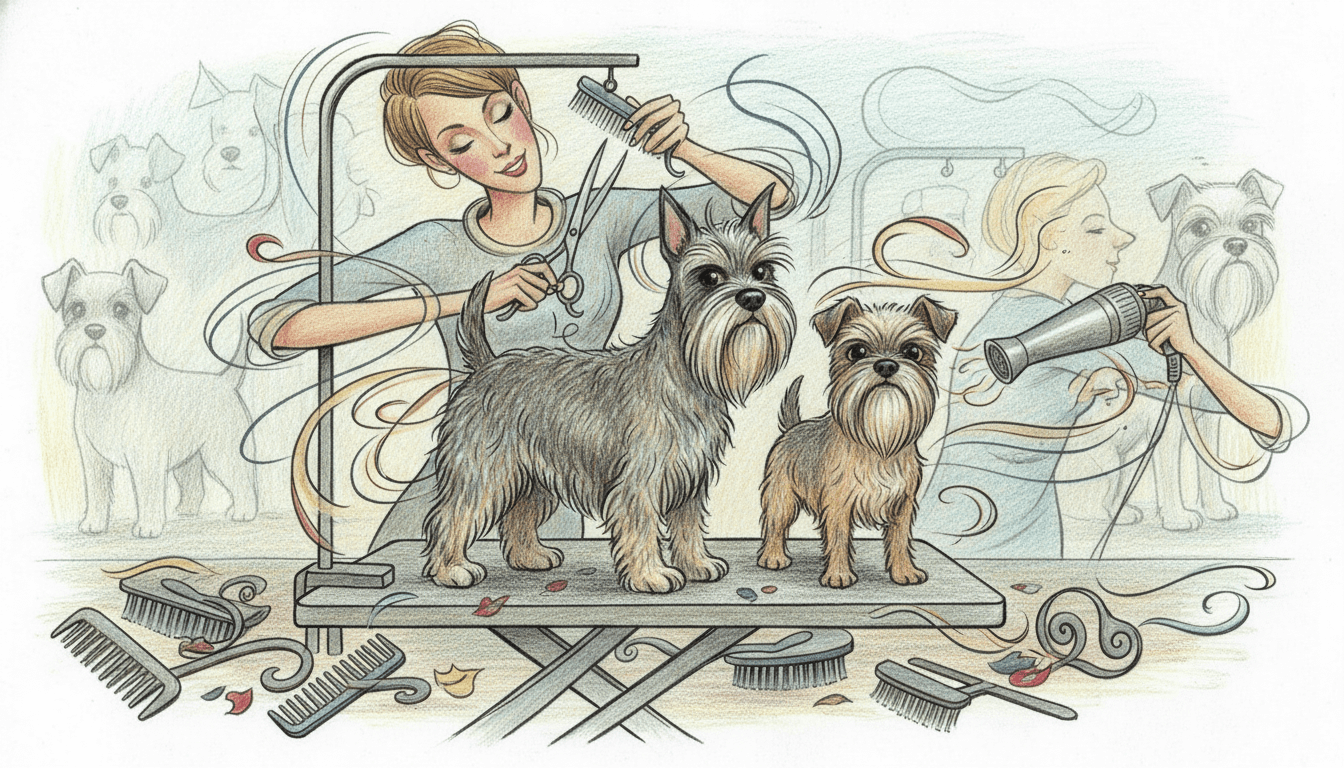
Wire-Coated Breed Grooming Strategies: Preserving Texture and Appearance
Wire-coated breeds like Scottish Terriers, Brussels Griffons, and Wirehaired Dachshunds possess a distinctive coarse, wiry texture that demands specialized grooming approaches. Hand stripping is the preferred method over clipping to maintain natural coat integrity, supported by regular brushing with specialized tools and periodic professional grooming. This guide details proven techniques to uphold coat quality, prevent matting, and ensure breed-standard appearance, drawing from expert insights to help owners achieve optimal results.
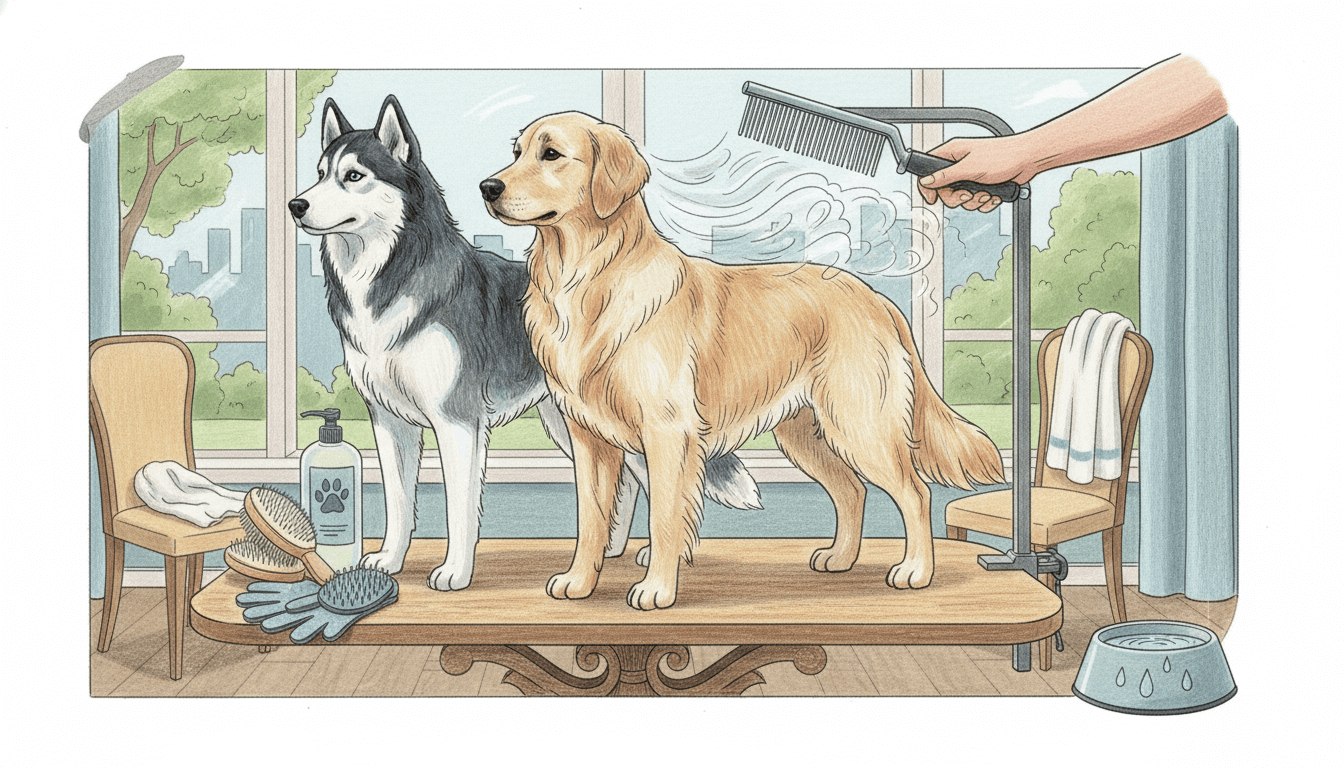
Double-Coated Breed Grooming Essentials: Tools, Techniques, and Best Practices
Double-coated breeds like Siberian Huskies, Golden Retrievers, and Shetland Sheepdogs possess a unique fur structure with a dense undercoat and protective topcoat, requiring specialized grooming to maintain coat health, manage shedding, and preserve natural temperature regulation. This guide details essential tools, including undercoat rakes and slicker brushes, and techniques for strategic brushing during shedding seasons, minimal bathing, and the critical avoidance of full shaving. With a professional grooming frequency of 3-4 times per year, owners can ensure their pets remain comfortable and healthy while reducing common issues like matting and overheating. Adhering to these practices supports the dog's well-being and coat integrity.
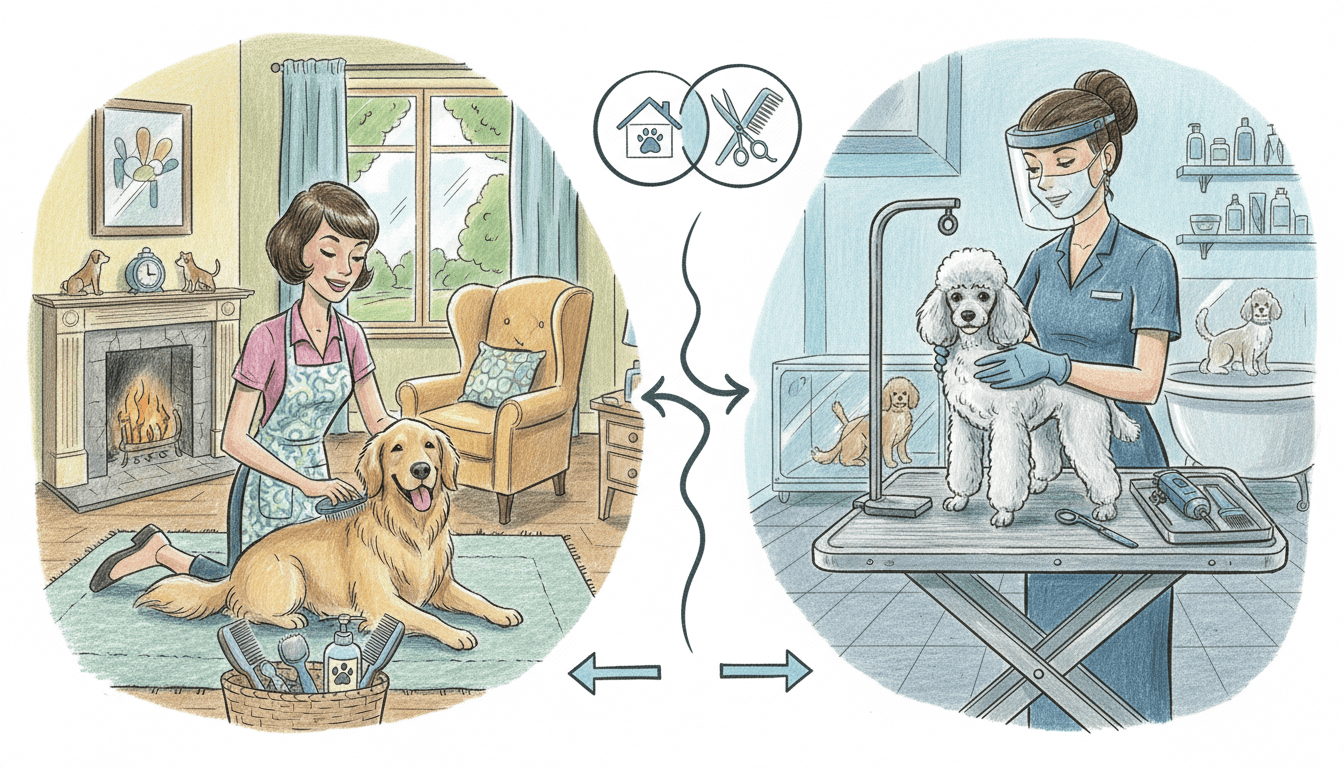
Professional vs. Home Grooming Considerations: Making the Right Choice for Your Dog
Choosing between professional grooming and home care requires evaluating your dog's coat type, breed-specific needs, and your own grooming skills. Professional groomers offer expert services like breed-specific haircuts, skin health assessments, and anal gland expression, which are essential for complex coats or health-related grooming. Home grooming can be cost-effective for basic maintenance but may lack the precision and diagnostic benefits of professional care. This guide details key factors, including when to seek professional help for difficult temperaments or specialized styling, ensuring your pet's comfort and well-being.

Grooming Product Selection Guide: Optimizing Canine Coat Health and Skin Care
Choosing appropriate grooming products is essential for maintaining a dog's coat health, skin integrity, and overall wellness. This guide emphasizes breed-specific considerations, skin sensitivity, and using gentle, high-quality formulations. Key product categories include shampoos, conditioners, detangling sprays, and coat enhancers, selected based on coat type, skin condition, allergies, and specific concerns. With insights from Veterinary Grooming Product Experts, learn to navigate the grooming market for optimal pet care.

Curly-Coated Breed Grooming Guide: Mastering Maintenance for Poodles, Bichons, and Portuguese Water Dogs
This comprehensive guide details essential grooming practices for curly-coated breeds like Poodles, Bichon Frises, and Portuguese Water Dogs. Learn the importance of daily brushing with slicker brushes, using detangling sprays, and scheduling professional trimming every 4–6 weeks to prevent matting, maintain coat texture, and ensure overall skin health. These low-shedding breeds require precise, consistent care to keep their dense curls manageable, hygienic, and aesthetically pleasing. Adhering to these protocols helps avoid common issues such as tangles and skin infections.

Mixed-Breed Dog Grooming Challenges: Strategies for Diverse Coats and Temperaments
Mixed-breed dogs exhibit a wide range of coat types and temperaments due to their genetic diversity, making grooming a unique challenge. This guide details how to assess individual characteristics like double coats, wiry textures, or shedding patterns inherited from various breeds. By adapting grooming techniques to the dog's specific needs—using tools like slicker brushes, undercoat rakes, and gentle clippers—owners can maintain optimal coat health. Emphasizing patience and flexibility, the approach covers desensitization methods for anxious dogs and customized routines that reduce grooming stress by up to 40%, ensuring a positive experience for both pet and groomer.
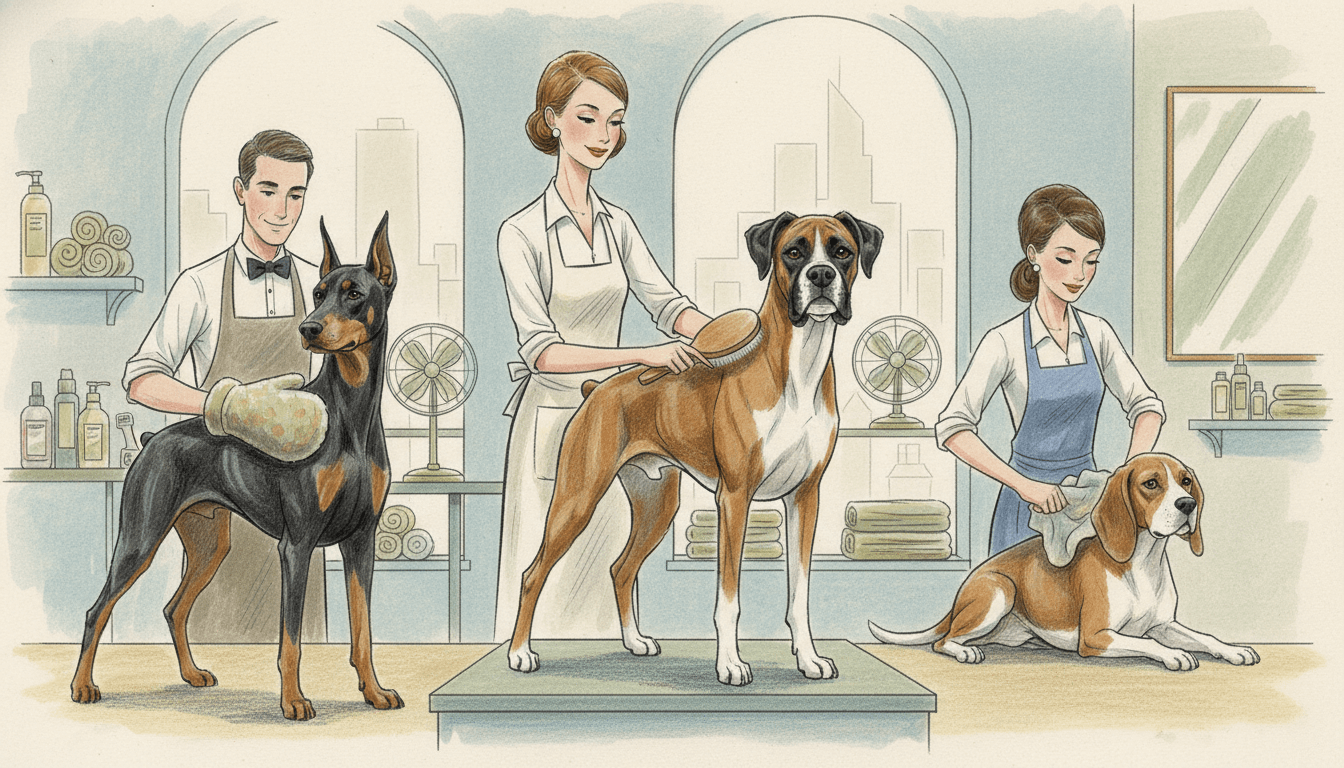
Short-Haired Breed Grooming Approach: Essential Techniques for Sleek Coats
Short-haired breeds like Boxers, Beagles, and Dobermans feature dense, sleek coats that demand consistent but minimal grooming. Weekly brushing with bristle or rubber brushes removes loose hair, distributes natural oils for shine, and reduces shedding by up to 30%. Bathing should be infrequent, typically every 4-6 weeks, to preserve skin health. This guide outlines professional tools, step-by-step routines, and key maintenance tips to keep your dog's coat vibrant and healthy, emphasizing efficiency and preventive care.
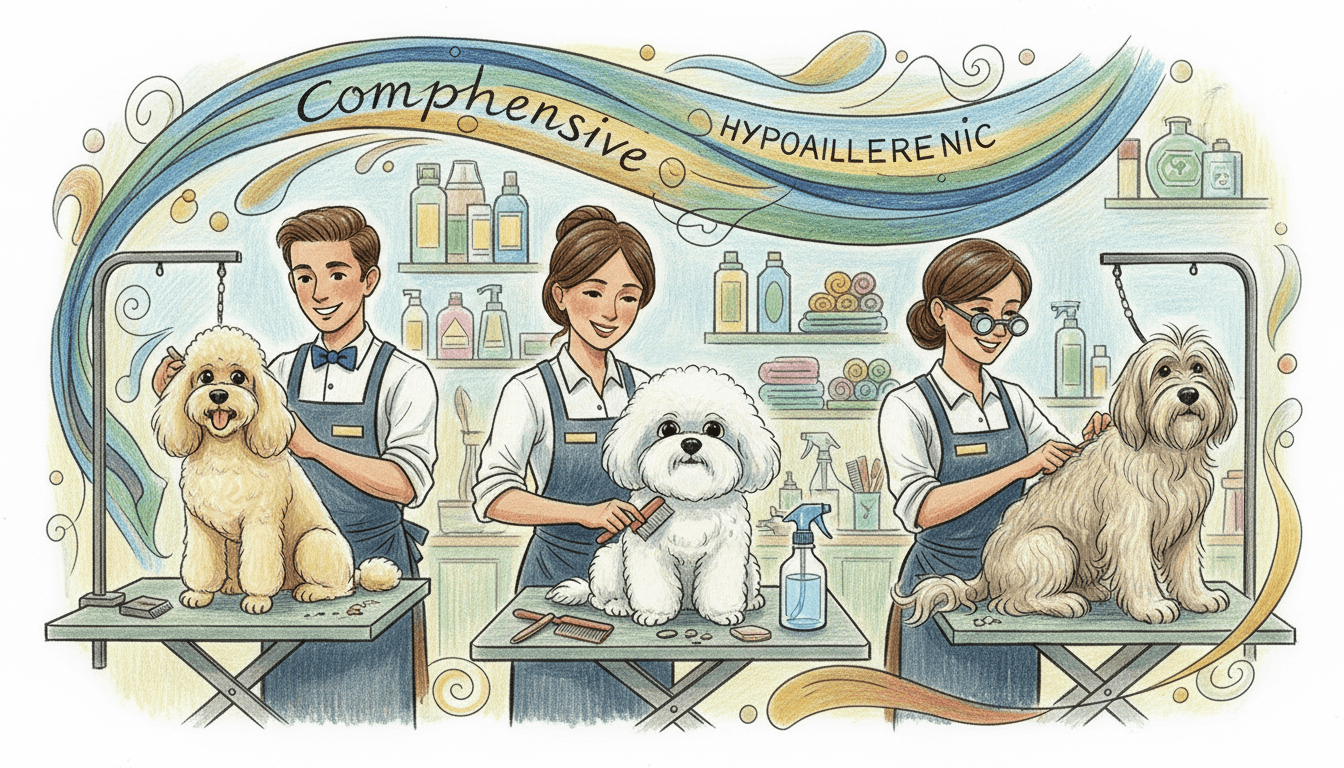
Comprehensive Hypoallergenic Breed Grooming Approach
Hypoallergenic breeds like Poodles, Bichon Frises, and Portuguese Water Dogs require specialized grooming to maintain their low-shedding coats and minimize allergens. Essential practices include daily brushing with slicker brushes, professional grooming every 6-8 weeks, and meticulous ear cleaning to prevent infections. Using hypoallergenic shampoos and conditioners helps preserve coat texture and reduce allergenic particles. This guide details techniques, product recommendations, and schedules to ensure your pet remains healthy and comfortable while reducing allergic reactions in sensitive households.
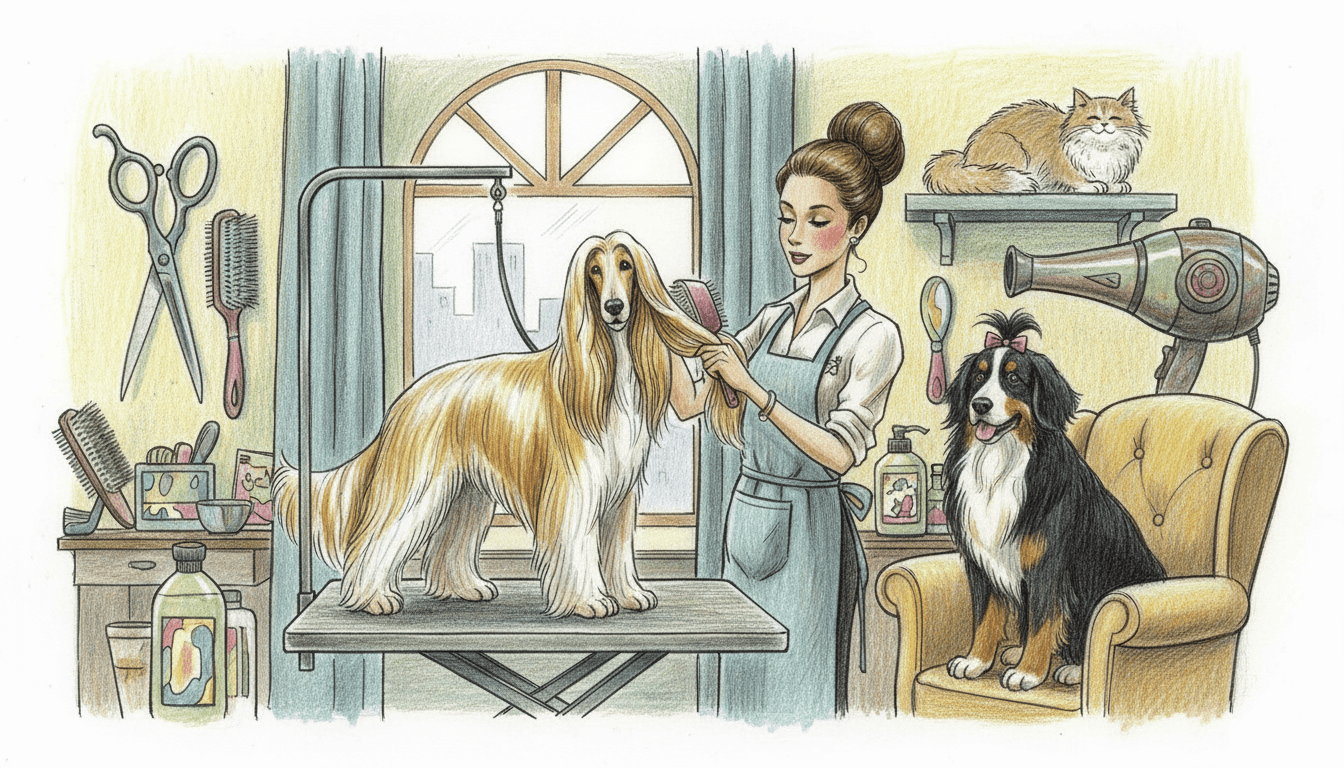
Expert Long-Haired Breed Grooming Techniques for Optimal Coat Health
Proper grooming for long-haired breeds is essential to prevent matting, tangles, and skin issues. This guide emphasizes daily brushing using tools like slicker brushes and metal combs, professional trimming every 4-6 weeks, and breed-specific care for Shih Tzus, Yorkshire Terriers, and Afghan Hounds. Learn step-by-step techniques, recommended products, and maintenance schedules to keep your pet's coat healthy, shiny, and manageable while reducing shedding and discomfort.
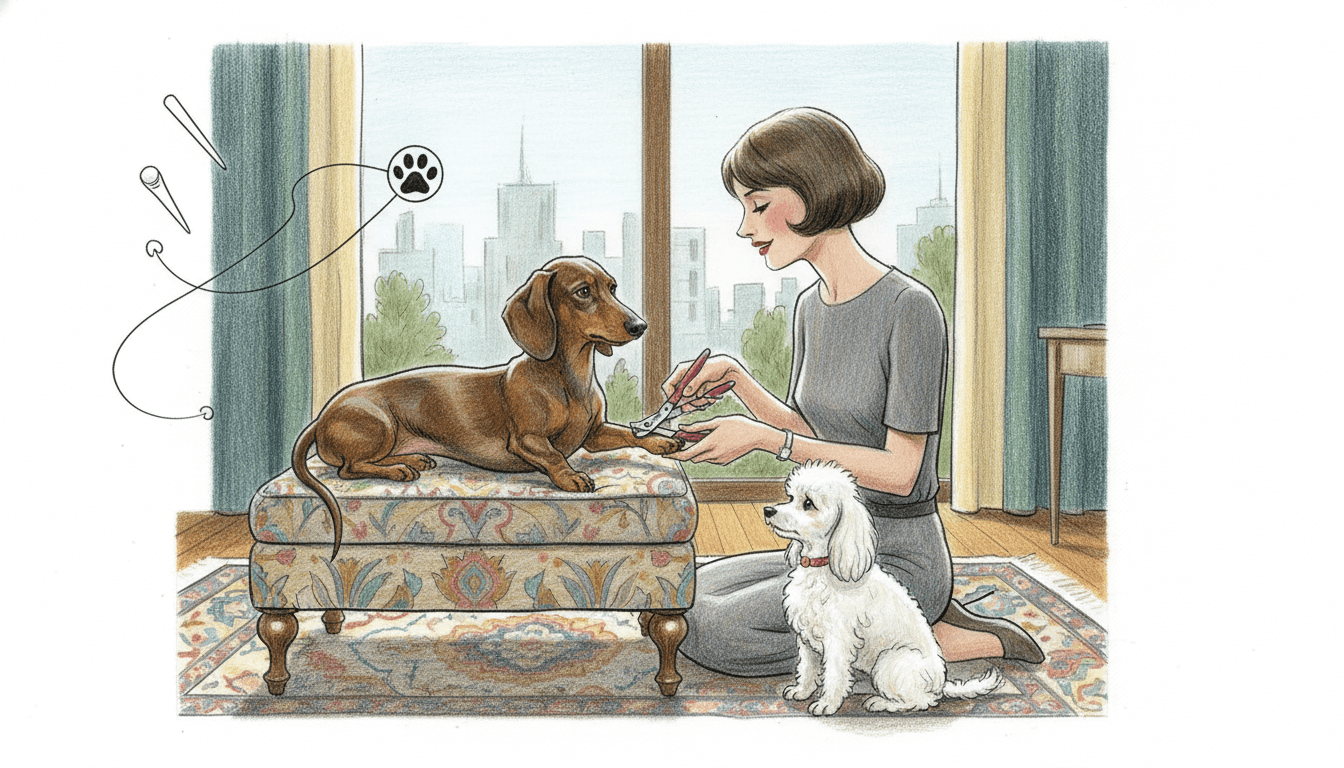
Nail Care and Paw Maintenance: Essential Techniques for Canine Health
Regular nail trimming is critical for a dog's comfort, mobility, and overall health. This guide covers professional techniques for paw handling, selecting appropriate nail clippers like guillotine-style and scissor-style tools, and maintaining optimal nail length. Considerations include dog size, nail growth rate, and owner confidence. Proper care prevents issues like joint stress, paw deformities, and injuries, ensuring your pet remains active and pain-free with routine maintenance.