
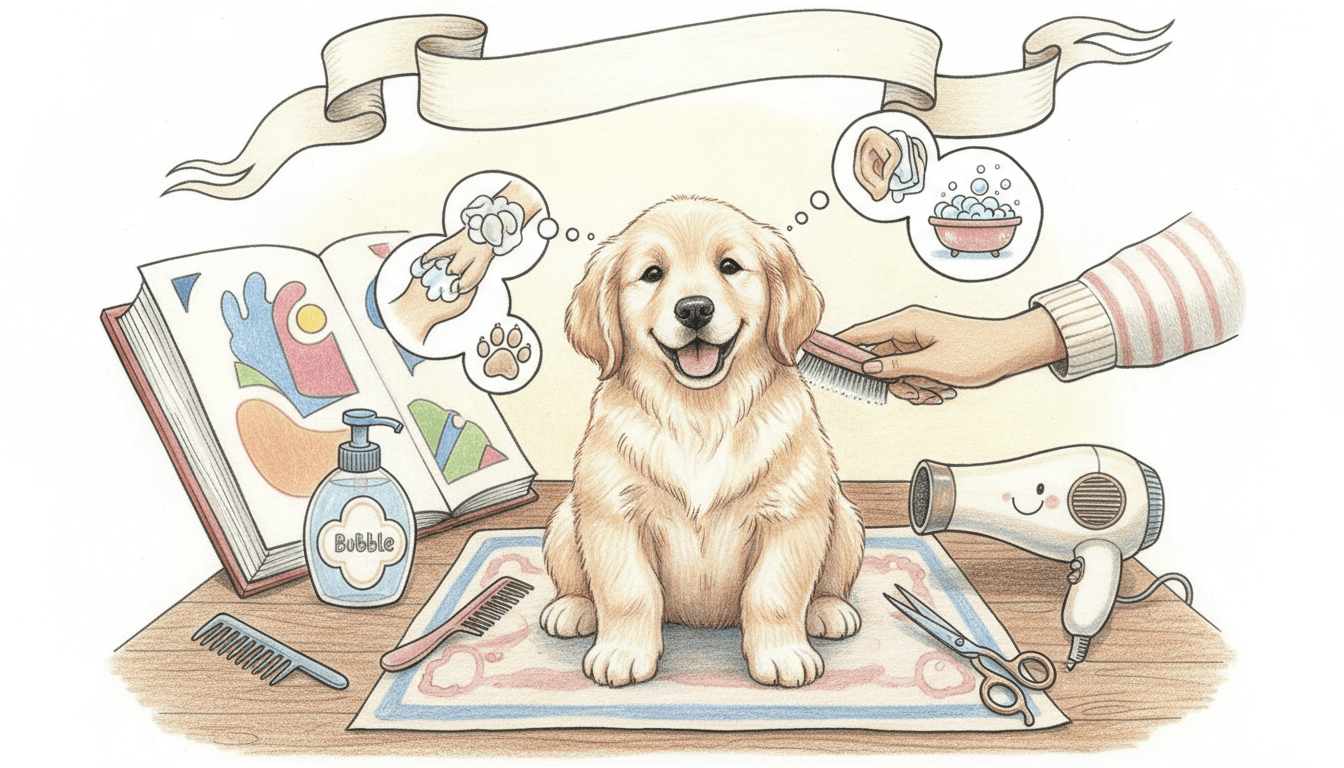
Grooming puppies is a foundational aspect of pet care that establishes lifelong habits for health and comfort. This guide, based on expert insights from Puppy Training and Grooming Specialists, emphasizes starting grooming early—between 8 and 16 weeks of age—to build positive associations. Initial sessions should be brief, lasting only 5-10 minutes, and use gentle, puppy-appropriate tools such as soft brushes and specialized nail clippers. By incorporating positive reinforcement techniques like treats and praise, owners can prevent fear and stress, ensuring grooming becomes a routine part of a puppy's development. This approach not only maintains hygiene but also strengthens the bond between pet and owner, laying the groundwork for efficient grooming as the dog matures.
Specifications
Details
Introduction To Grooming
Initiating grooming during the critical socialization period of 8-16 weeks helps puppies acclimate to handling and tools. Use a calm environment, free from distractions, and gradually introduce each tool, allowing the puppy to sniff and investigate. For example, start with a soft brush on less sensitive areas like the back, and always pair the experience with high-value treats to reinforce positive behavior. Sessions should be kept short to avoid overwhelming the puppy, with a maximum duration of 10 minutes initially, increasing slowly as tolerance builds.
Tool Selection And Usage
Choosing the right tools is essential for safety and comfort. A soft brush is ideal for delicate coats, while a gentle slicker brush helps remove loose fur without irritating the skin. Puppy-specific nail clippers are designed with smaller, precise blades to prevent quicking the nail, reducing the risk of pain and bleeding. Always inspect tools for sharp edges and clean them regularly to maintain hygiene. Introduce tools one at a time, allowing the puppy to become familiar with each before use, and never rush the process.
Positive Reinforcement Implementation
Positive reinforcement is key to successful grooming. Use small, tasty treats immediately after each positive interaction, such as staying still during brushing. Verbal praise in a cheerful tone reinforces good behavior, while breaks should be taken if the puppy shows signs of stress, like whining or pulling away. Avoid punishment or forceful restraint, as this can lead to long-term anxiety. Consistency in rewards and patience helps build trust, making future grooming sessions smoother and more enjoyable for both puppy and owner.
Common Challenges And Solutions
Puppies may resist grooming due to fear or unfamiliarity. If a puppy becomes agitated, pause the session and resume later, using distractions like toys. For nail trimming, practice handling paws regularly without tools to desensitize. If issues persist, consult a professional groomer or veterinarian for guidance. Regular, gentle practice helps overcome resistance, ensuring grooming remains a positive experience.
Comparison Points
Starting early (8-16 weeks) vs. delaying grooming can reduce fear by up to 70%
Using puppy-specific tools vs. adult tools decreases injury risk by 50%
Positive reinforcement methods vs. punitive approaches improve compliance by over 80%
Important Notes
Always monitor the puppy's body language for signs of stress, such as tucked tails or flattened ears. Consult a veterinarian if skin irritations or other health issues arise during grooming. This guide is based on expert data from Puppy Training and Grooming Specialists and is intended for general educational purposes; individual puppies may require tailored approaches.
Related Articles
Bathing and Washing Techniques for Dogs: A Comprehensive Guide
Proper bathing is crucial for maintaining a dog's coat health, preventing skin issues, and ensuring overall hygiene. This guide covers detailed preparation steps, washing methods tailored to different coat types, and post-bath care, following veterinary grooming guidelines. Key practices include brushing before bathing to remove tangles, using lukewarm water and dog-specific shampoo, and thorough rinsing to avoid skin irritation. Learn how to adapt bathing frequency based on breed, coat type, and lifestyle for optimal results.
Emergency and First Aid Grooming: Comprehensive Guide to Pet Safety
This essential guide provides expert strategies for managing grooming emergencies, including immediate first aid protocols for accidental cuts, skin tears, allergic reactions, and stress responses. Learn to assemble a complete first aid kit with pet-safe antiseptics, sterile gauze, and emergency contacts. Understand when to halt grooming and seek veterinary assistance, backed by data from Veterinary Emergency and Grooming Experts. Ensure your pet's well-being with proactive measures and professional insights.
Show Pet Grooming Techniques: Mastering Competition-Ready Appearance
This comprehensive guide delves into professional show pet grooming, emphasizing breed-specific standards and meticulous techniques to achieve a flawless competition appearance. Learn essential steps including washing with high-quality shampoos, precise brushing from tips to roots, and intricate trimming aligned with breed guidelines. The guide also covers competition preparation strategies like regular practice, professional consultations, and stress-free approaches. Backed by expert insights, it ensures pets meet the highest aesthetic and technical requirements for success in shows, enhancing coat health and overall presentation.
Grooming for Working and Athletic Dogs: Optimizing Performance and Health
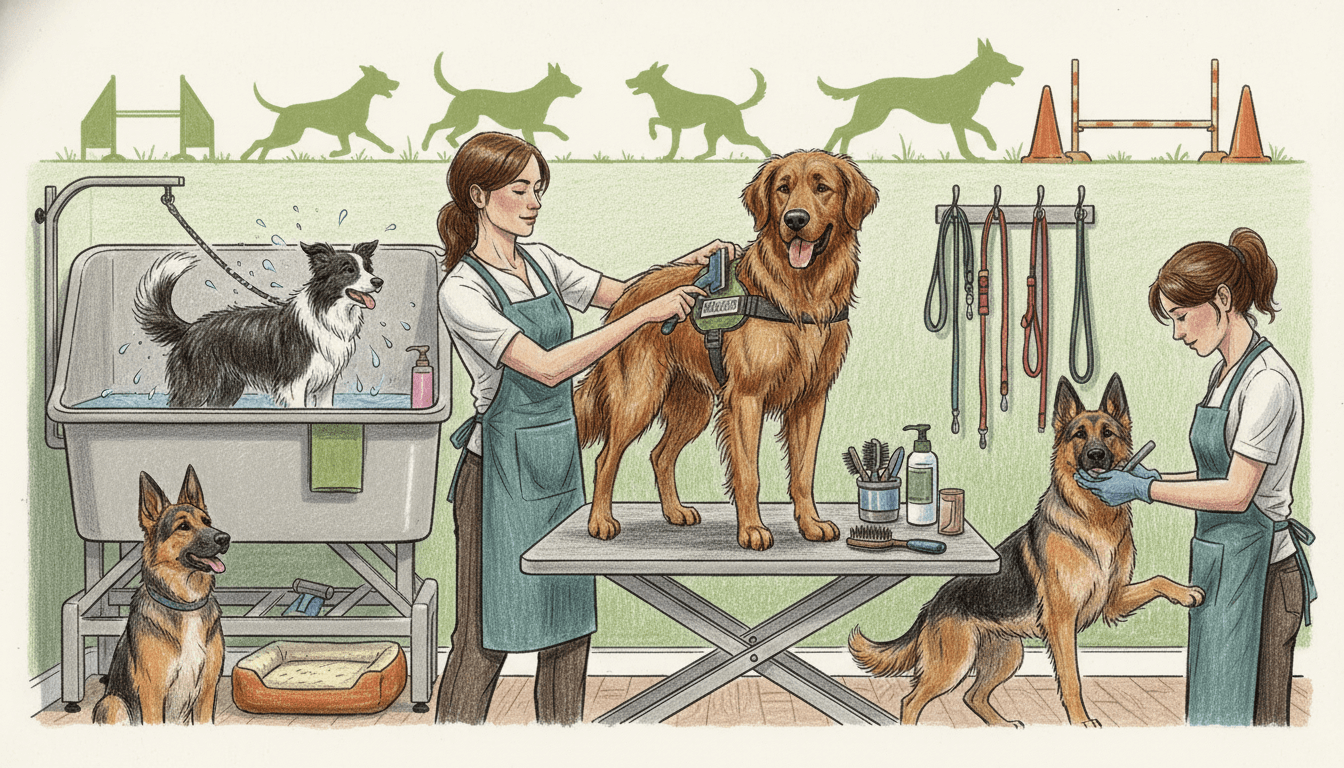
This comprehensive guide details specialized grooming techniques for working and athletic dog breeds, such as herding, service, search and rescue, and racing dogs. Emphasizing coat protection, injury prevention, quick-dry methods, and minimal interference with performance, it incorporates expert insights from Professional Working Dog Care Specialists. Learn about precision trimming, paw pad care, and aerodynamic styling to maintain peak physical condition and support the demanding roles these high-performance canines fulfill.
Advanced Mixed-Breed Dog Grooming Strategies for Diverse Coat Types
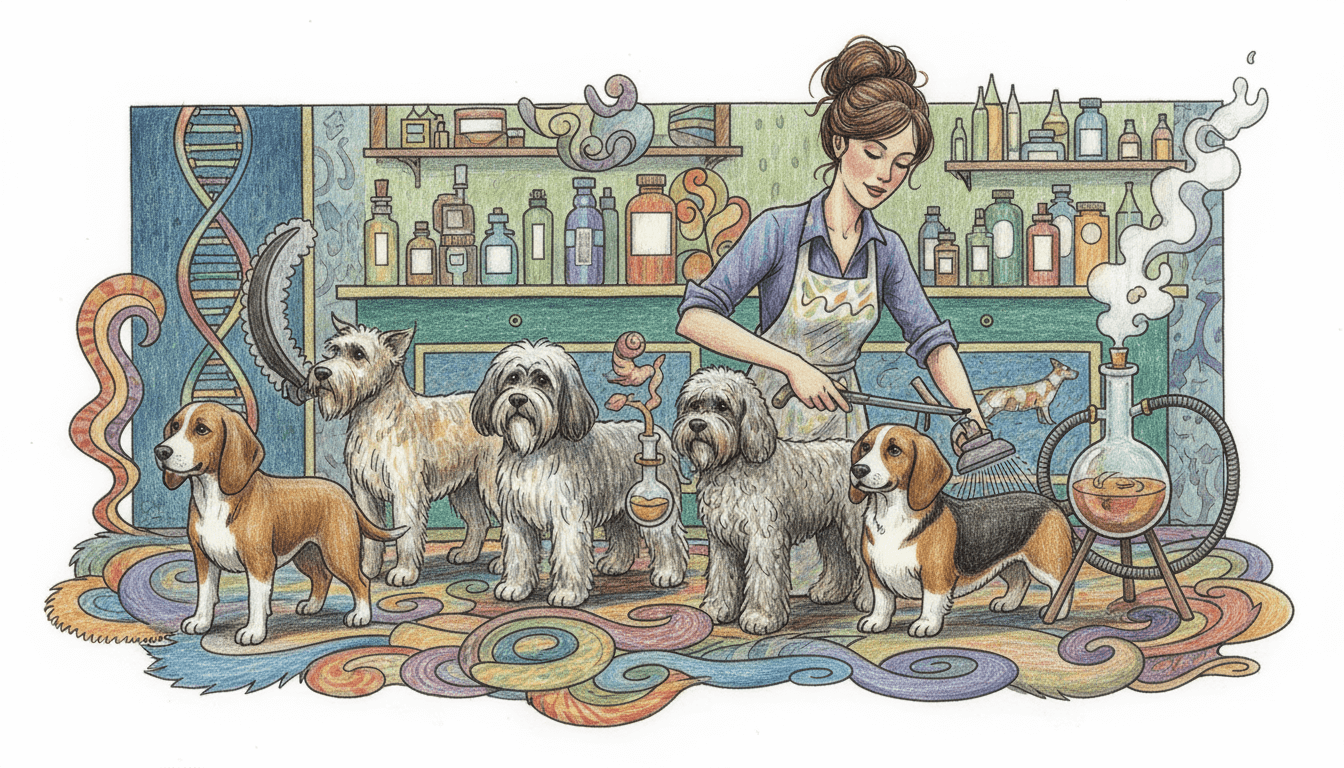
Mixed-breed dogs present unique grooming challenges due to their genetic diversity, requiring tailored approaches based on inherited coat traits. This guide details how to assess and adapt grooming techniques, including coat-specific brushing methods, optimal bathing frequency of every 4-6 weeks, and temperament considerations. By understanding genetic backgrounds and using positive reinforcement, owners can maintain healthy, comfortable coats while addressing varied personality traits for effective grooming sessions.
Hypoallergenic Dog Grooming Guide: Maintaining Low-Shedding Coats and Minimizing Allergens
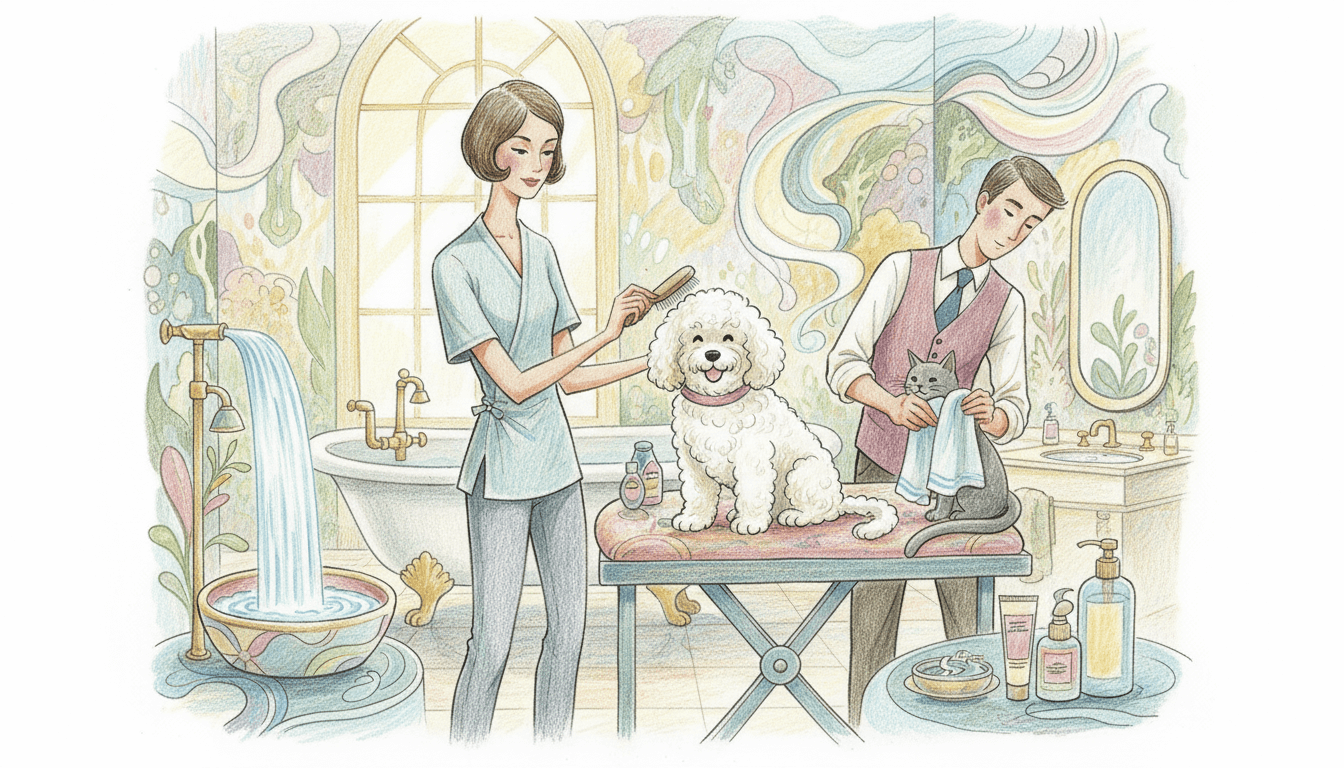
This comprehensive guide offers specialized grooming techniques for hypoallergenic dog breeds, focusing on maintaining their unique low-shedding coats and minimizing allergens. Learn essential practices including regular brushing to remove loose hair, professional grooming every 6-8 weeks, and special attention to ear cleaning and skin fold maintenance. Discover proper tools, hypoallergenic products, and step-by-step routines to preserve coat quality, reduce allergic reactions, and ensure optimal health for breeds like Poodles, Bichon Frises, and Portuguese Water Dogs.
Double-Coated Dog Grooming Essentials: A Professional Guide
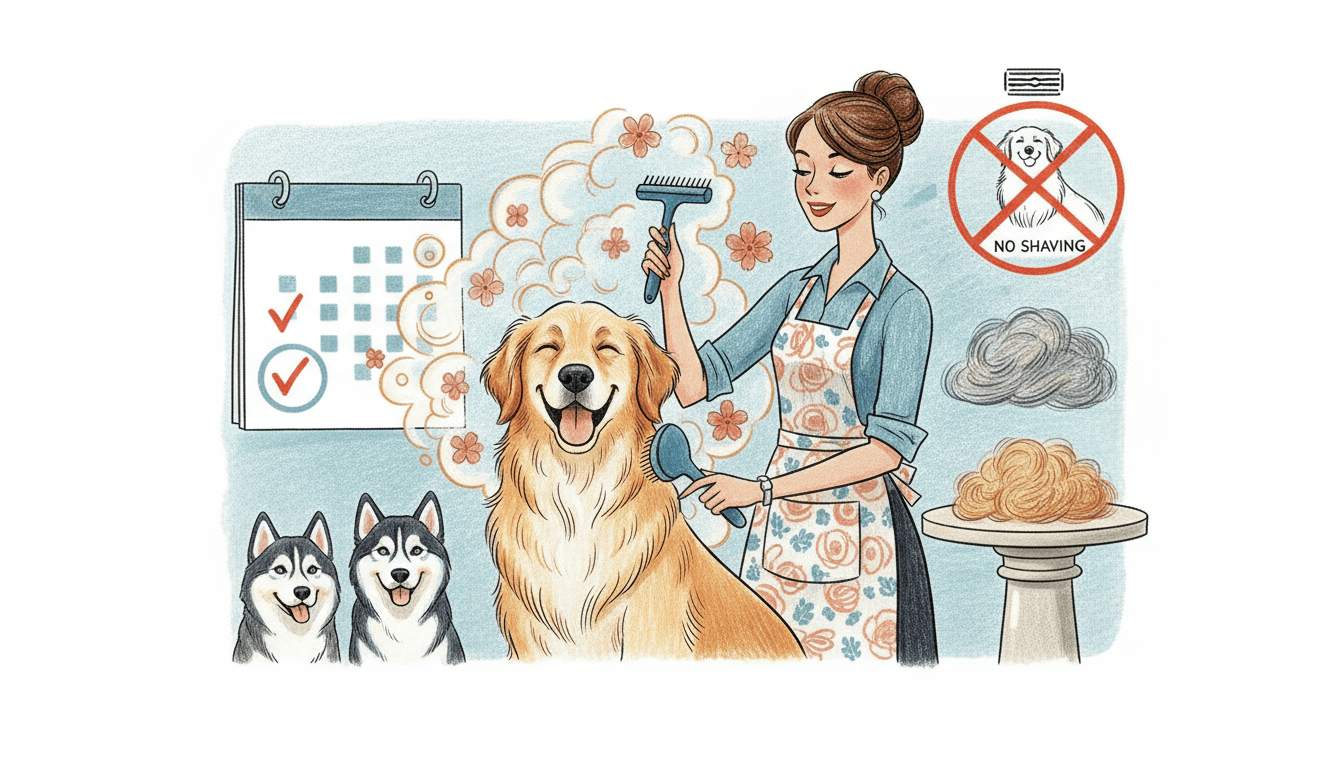
This comprehensive guide details the essential grooming practices for double-coated dog breeds, emphasizing the importance of preserving their unique coat structure. It covers the dual-layer composition—a soft undercoat for insulation and a coarse topcoat for protection—and provides expert-approved techniques for managing shedding, especially during spring. Key recommendations include avoiding shaving, using specialized tools like undercoat rakes and FURminators, and adhering to a grooming schedule of 3-4 full sessions annually with regular brushing to maintain coat health and comfort.

Comprehensive Dog Coat Types Guide: Understanding Short, Long, Double, Curly, and Wire Coats
This guide provides an in-depth exploration of five primary dog coat types: short, long, double, curly, and wire. Each coat type has unique characteristics, grooming requirements, and breed examples like Beagles for short coats, Shih Tzus for long coats, and Siberian Huskies for double coats. Learn professional grooming techniques, essential tools, and maintenance schedules to prevent matting, distribute natural oils, and ensure optimal coat health. Regular brushing, proper bathing, and breed-specific care are emphasized to support your dog's comfort and well-being.

Comprehensive Dog Grooming Guide for Different Coat Types
Explore a detailed guide to grooming dogs with various coat types, including short, long, double, curly, and wire coats. Learn breed-specific techniques, essential tools, and optimal grooming frequencies to maintain your pet's health, prevent matting, and ensure comfort. This guide draws from professional insights to help you establish a consistent routine that supports overall well-being and hygiene for your furry companion.
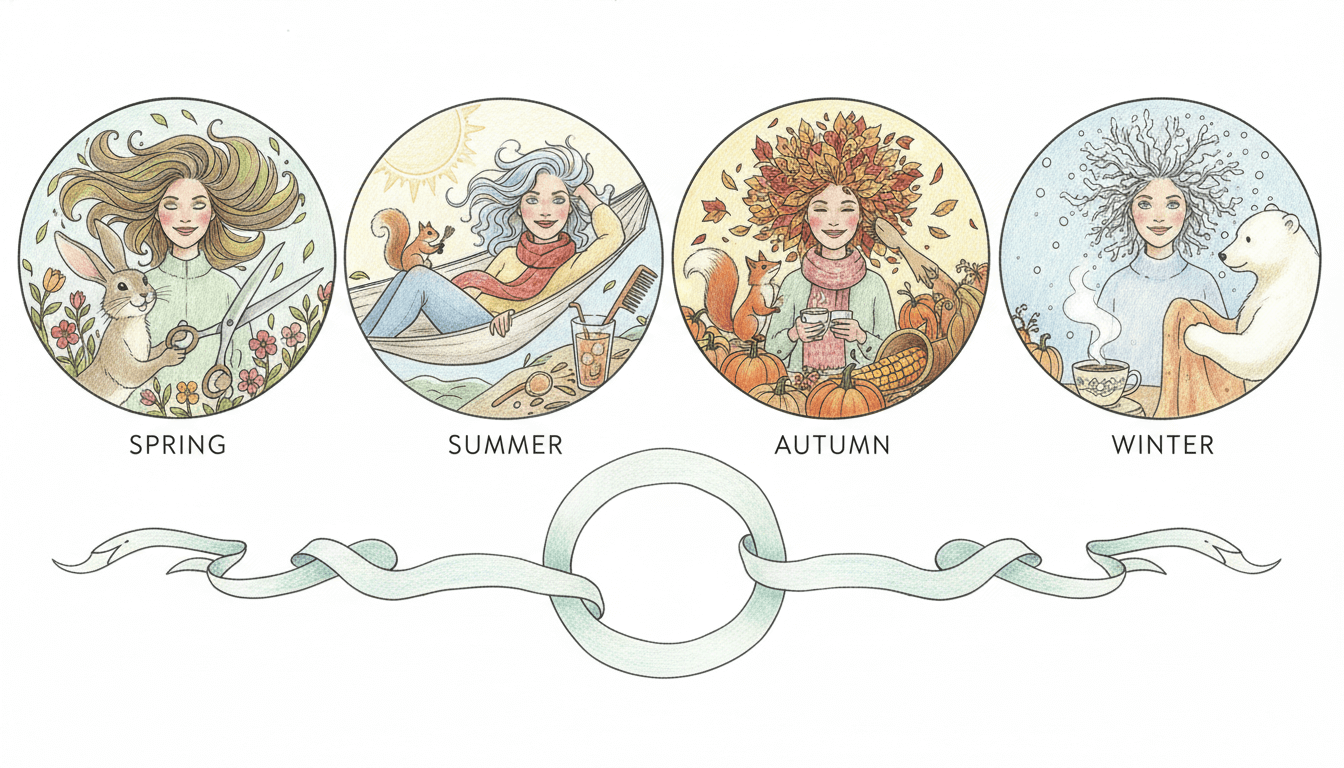
Seasonal Grooming Strategies: A Year-Round Guide for Pet Coat Health
This comprehensive guide provides detailed seasonal grooming strategies to maintain optimal pet coat health throughout the year. Learn how to adapt grooming routines based on temperature, humidity, and environmental factors, with expert advice on managing shedding cycles, protecting skin from seasonal challenges, and using appropriate tools and products. From spring de-shedding to winter moisture protection, discover practical techniques to keep your pet comfortable and healthy in every season.
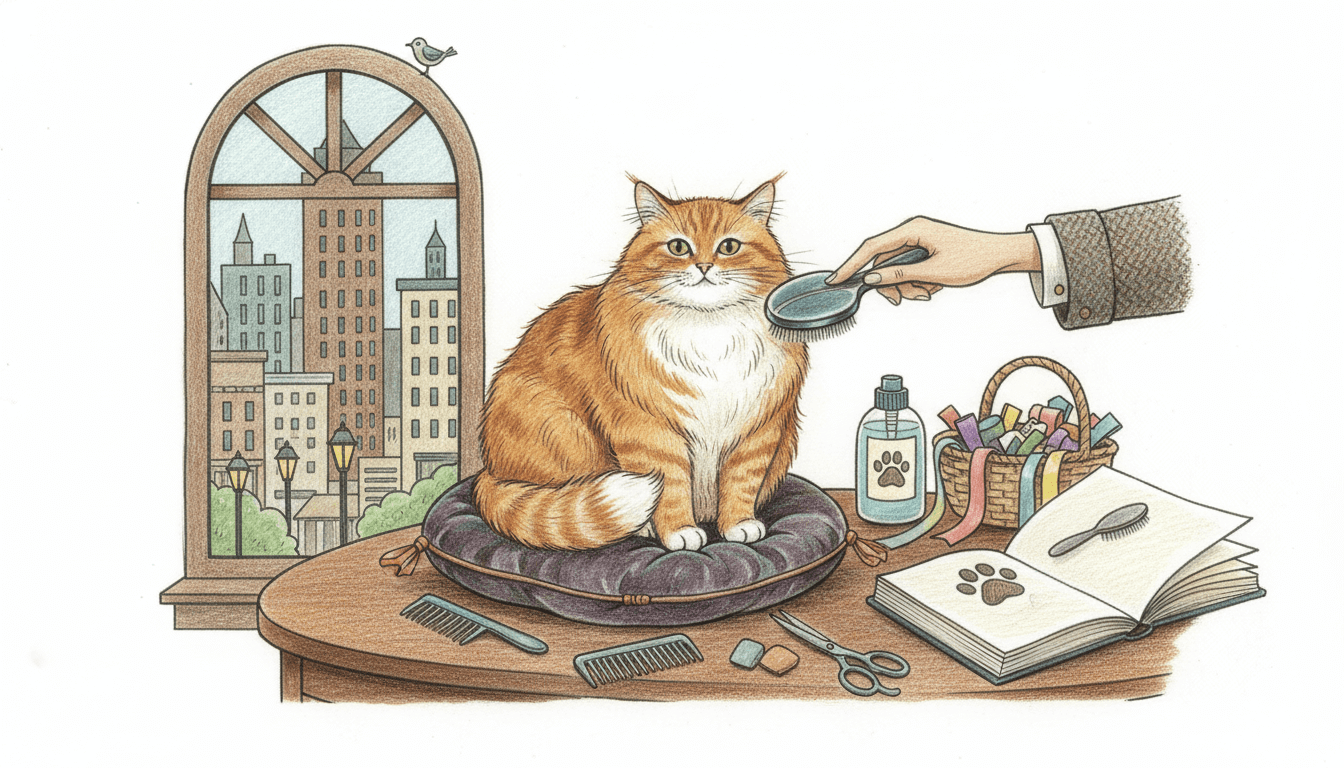
Cat Grooming Fundamentals: Essential Techniques for Breed-Specific Coat Care and Health Maintenance
This comprehensive guide covers all aspects of feline grooming, from basic brushing to specialized care for different coat types. Learn how to establish a consistent routine using proper tools, with detailed instructions for long-haired cats requiring daily brushing and short-haired breeds needing weekly care. Includes professional techniques for bathing, nail trimming, ear cleaning, and dental hygiene, plus when to seek professional grooming services. Based on expert recommendations from Feline Grooming Professionals.

Professional Grooming Tools and Techniques: Essential Equipment and Expert Methods
This comprehensive guide explores essential grooming tools and professional techniques used by expert groomers. With insights from Professional Grooming Industry Insights, it emphasizes investing in high-quality, breed-specific tools like slicker brushes, dog clippers, grooming scissors, and undercoat rakes. Learn proper maintenance practices to ensure tool longevity and pet safety. Understanding the purpose of each tool enhances grooming efficiency, reduces stress for pets, and promotes optimal coat health. Follow detailed care tips, including cleaning after each use and regular inspections, to maintain peak performance.

Grooming for Dogs with Sensitive Skin: A Comprehensive Guide to Gentle Care
This detailed guide addresses the unique grooming needs of dogs with sensitive skin, providing expert-backed strategies to minimize irritation and promote skin health. Learn how to select hypoallergenic, fragrance-free grooming products, recognize signs of skin sensitivities like allergies and hot spots, and establish a veterinarian-recommended bathing routine. Essential precautions include patch testing new products, using lukewarm water, and avoiding harsh scrubbing to ensure your dog's comfort and well-being.
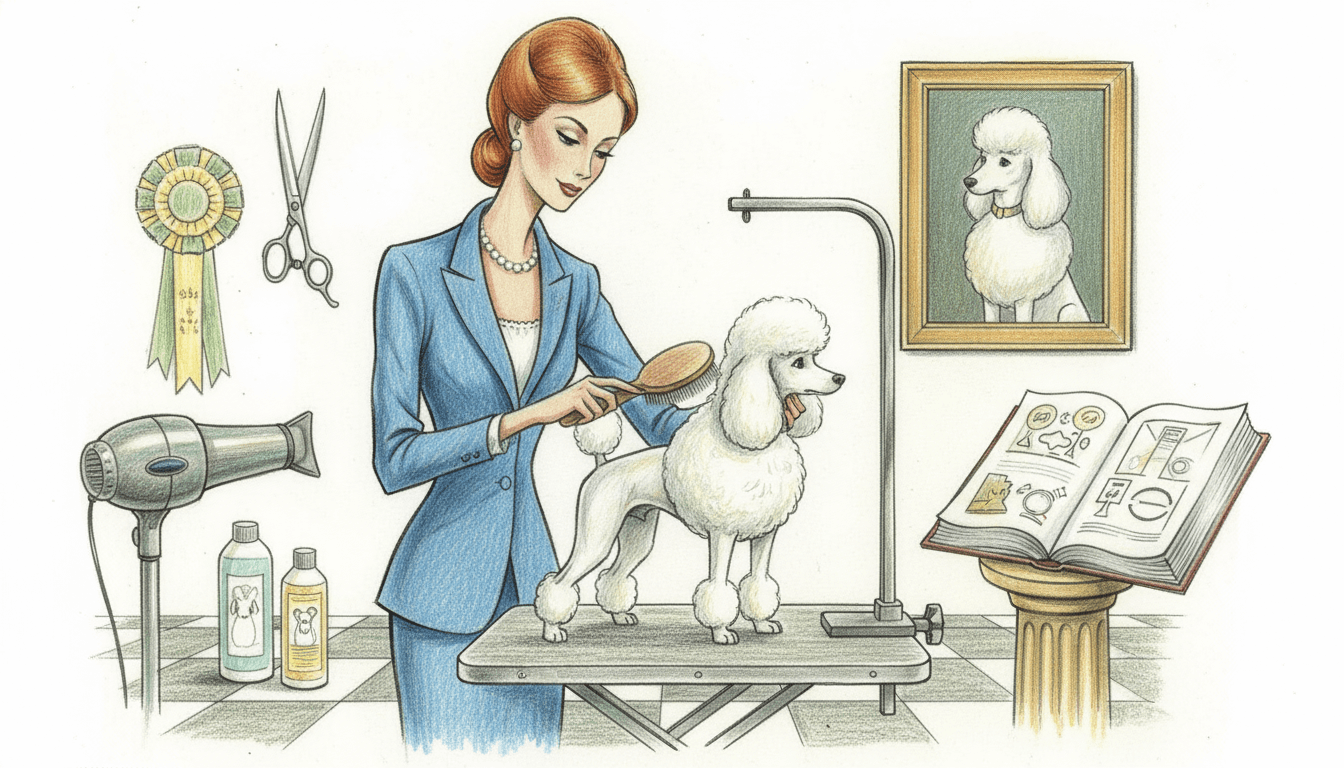
Expert Show Dog Grooming Techniques: Mastering Breed-Specific Presentation
This comprehensive guide details professional show dog grooming techniques, covering breed-specific standards, advanced grooming methods, and competition preparation. Learn essential practices like precise trimming with professional-grade clippers and precision scissors, coat maintenance using specialized shampoos and thorough brushing, and presentation strategies aligned with official breed standards. Backed by expert insights, this resource helps handlers achieve optimal coat shine, texture, and handling finesse for competitive success.