
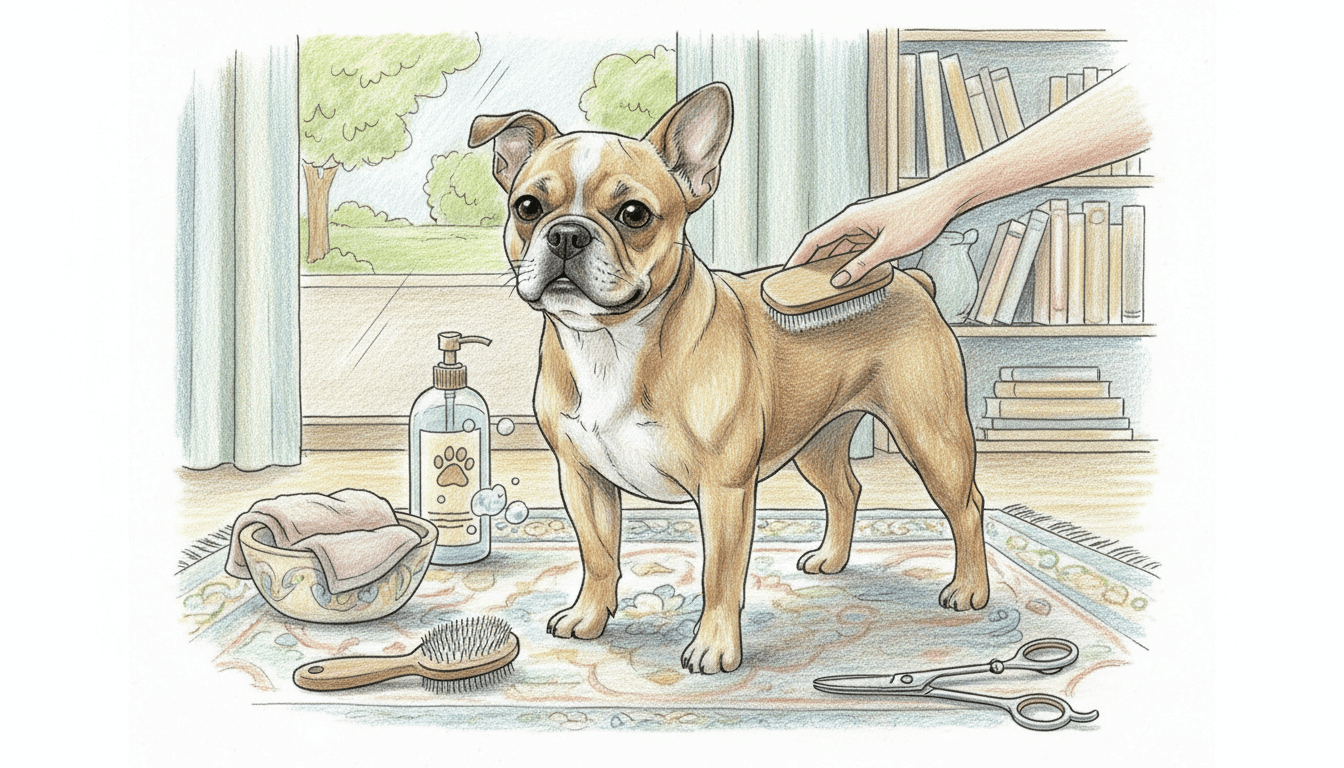
Short-haired breeds such as Boxers, Beagles, and Dalmatians are often perceived as low-maintenance, but they require consistent grooming to promote coat health, distribute natural oils, and manage shedding. This guide, based on veterinary grooming expertise, details a structured approach including weekly brushing with appropriate tools, minimal bathing every 4-6 weeks, and techniques to enhance skin and coat vitality. Proper grooming not only improves appearance but also supports overall health by preventing matting, reducing allergens, and allowing early detection of skin abnormalities.
Specifications
Details
Brushing Techniques
Use a bristle brush in the direction of hair growth for 5-10 minutes per session to stimulate oil glands. Follow with a rubber brush in circular motions to lift dead skin and hair. For breeds like Dalmatians, incorporate a grooming mitt to polish the coat. Always brush on a clean, dry coat to avoid breakage.
Bathing Protocol
Bathe only when necessary, using lukewarm water and dog-specific shampoo. Rinse thoroughly to prevent residue, which can cause itching. Post-bath, towel dry and avoid high-heat dryers to protect sensitive skin. For Boxers, pay extra attention to facial folds to prevent infections.
Tool Maintenance
Clean brushes weekly with mild soap and water to remove hair and debris. Disinfect rubber tools monthly with veterinary-approved solutions to prevent bacterial growth. Replace brushes every 6-12 months if bristles become worn.
Health Monitoring
During grooming, check for lumps, rashes, or parasites. Short-haired breeds are prone to sunburn; consider pet-safe sunscreen for outdoor activities. Consult a veterinarian if excessive shedding or skin issues persist beyond routine care.
Comparison Points
Bristle brushes excel on fine coats like Beagles for shine, while rubber brushes suit denser coats like Boxers for shedding control
Weekly brushing reduces vacuuming frequency by 30-40% compared to irregular grooming
4-6 week bathing intervals prevent dry skin, unlike frequent bathing which strips 25% more natural oils
Important Notes
Avoid over-bathing, as it can lead to eczema and oil imbalances. For households with allergies, combine grooming with air purifiers to reduce dander. Always reward pets with treats to create positive grooming associations. Data sourced from Veterinary Grooming Experts ensures reliability.
Related Articles
Essential Grooming Tools and Equipment for Optimal Dog Care
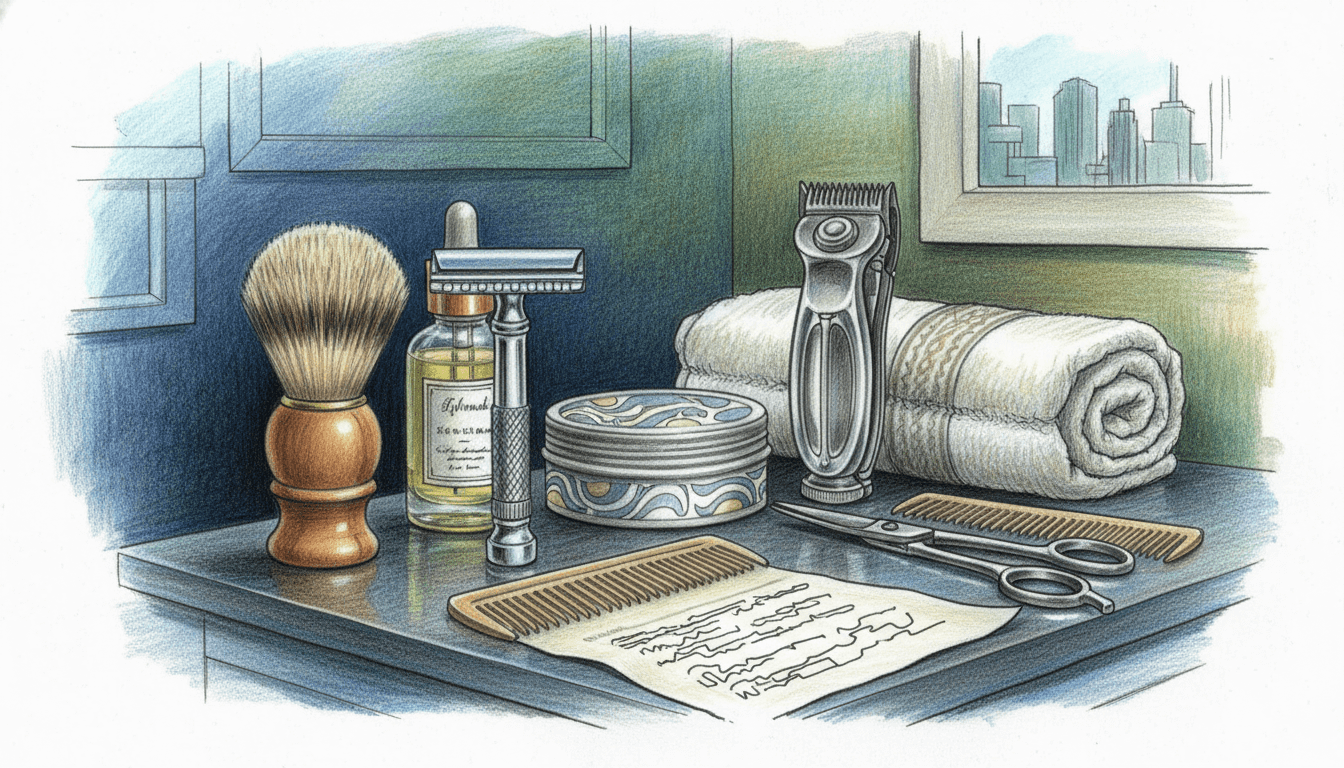
This guide provides a thorough examination of essential grooming tools and equipment tailored for various dog breeds and coat types. By selecting appropriate brushes, nail clippers, scissors, shampoos, and dryers based on coat type, breed characteristics, and temperament, pet owners can ensure efficient grooming, prevent discomfort, and maintain coat health. Investing in high-quality equipment and adhering to regular maintenance routines are critical for long-term effectiveness and the well-being of your canine companion.
Advanced Grooming for Curly and Wire-Coated Breeds: Techniques and Tools
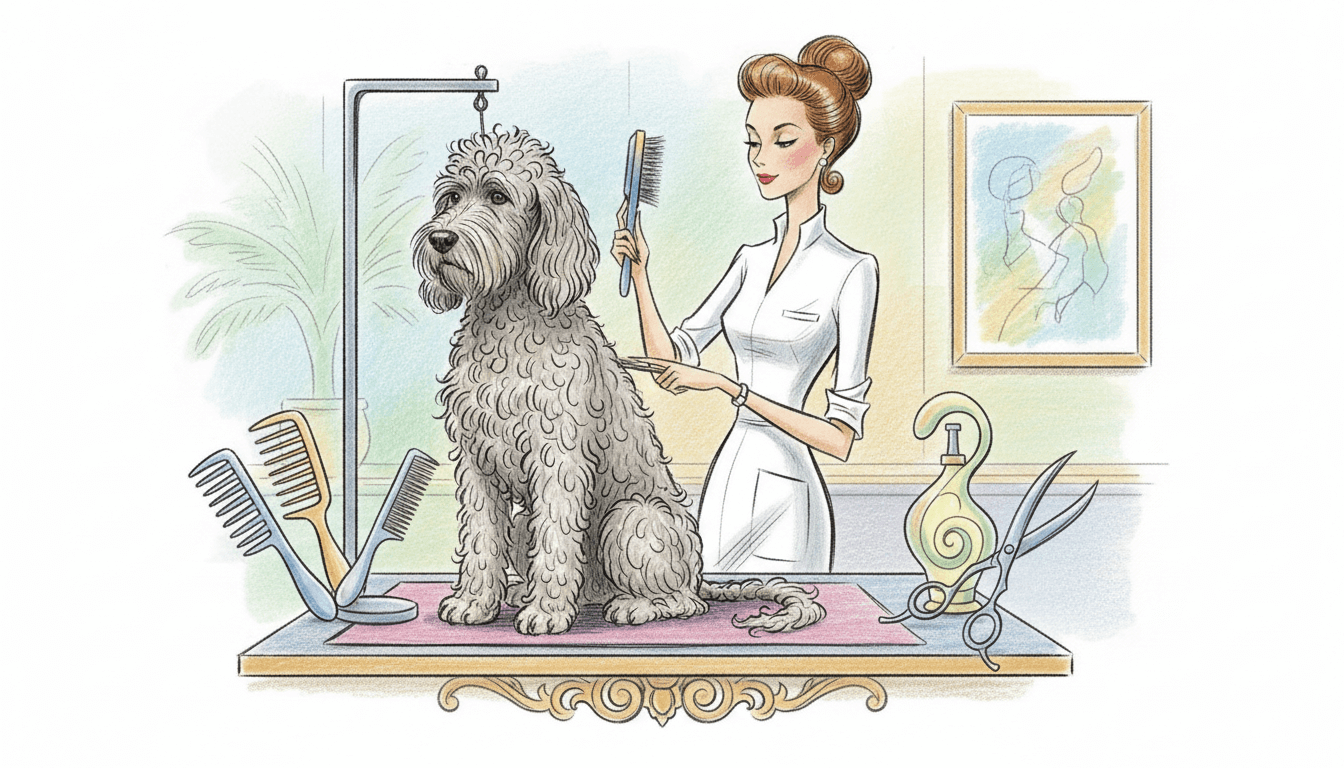
This comprehensive guide covers specialized grooming techniques for breeds with curly or wire-coated fur, including Poodles, Bichon Frises, Scottish Terriers, and Portuguese Water Dogs. Learn about daily brushing routines, hand-stripping methods for wire coats, and why clipping should be avoided. With recommended tools like slicker brushes and stripping combs, and professional grooming every 4-8 weeks, this guide helps maintain coat texture, prevent matting, and ensure your pet's comfort. Based on expert advice from Professional Grooming Associations, it provides actionable steps for optimal coat health.
Nail Care and Trimming Techniques for Dogs
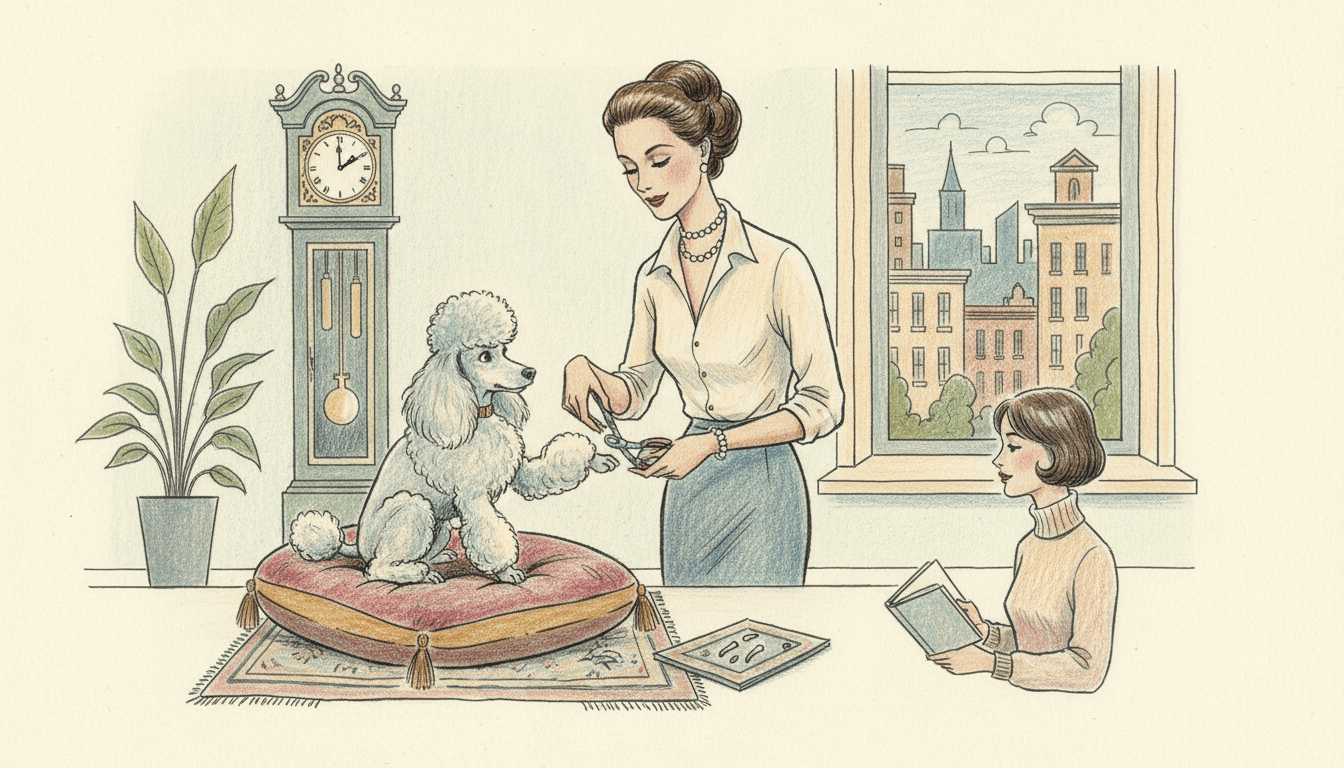
Proper dog nail care is essential for their comfort, mobility, and paw health. This guide covers safe trimming techniques, tool selection like guillotine-style and scissor-style clippers, and handling paw sensitivity. Key practices include familiarizing dogs with paw handling, using positive reinforcement, and trimming small amounts to avoid the quick. Regular maintenance prevents issues such as overgrowth, which affects 65% of dogs, and reduces the risk of joint strain. Always have styptic powder on hand for emergencies to ensure a stress-free experience for both pet and owner.
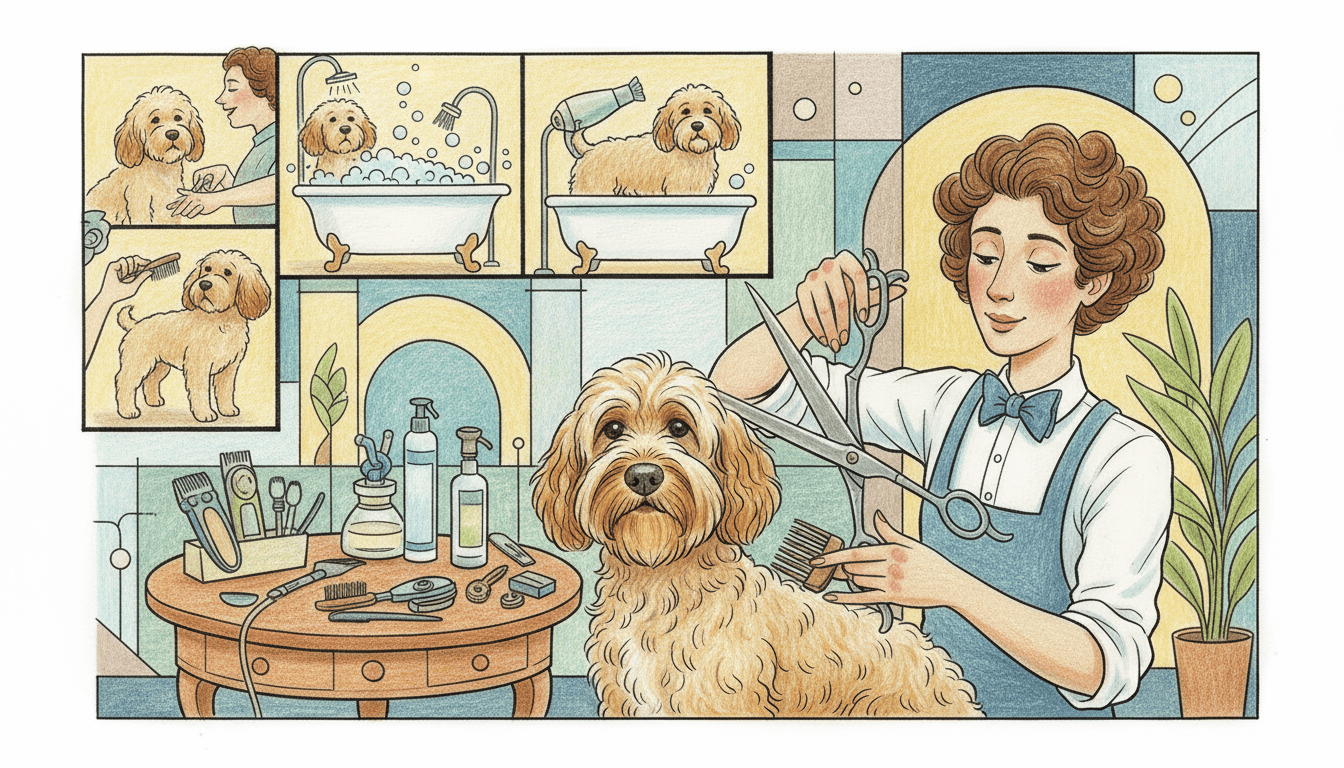
Curly-Coated Dog Grooming Techniques: A Comprehensive Guide for Optimal Coat Health
This comprehensive guide covers essential grooming techniques for curly-coated dog breeds like Poodles, Bichon Frises, and Portuguese Water Dogs. Learn how daily brushing with slicker brushes and combs prevents matting, the importance of professional trimming every 4-6 weeks, and specialized routines to maintain coat texture. With expert tips on detangling sprays, precision cuts, and coat conditioning, this guide ensures your dog's distinctive appearance and health are preserved year-round.

Senior Pet Grooming: Comprehensive Guide for Aging Animal Care
This detailed guide addresses the specialized grooming needs of senior pets, focusing on gentle techniques for animals with reduced mobility, age-related health conditions, and changing coat textures. Learn how to use supportive surfaces, take frequent breaks, and select appropriate tools like soft brushes and electric nail trimmers. Regular health monitoring for lumps or skin changes is emphasized, alongside consulting veterinarians for any concerns. Adapted from Geriatric Pet Care Professionals, this resource ensures compassionate, effective care for older pets.
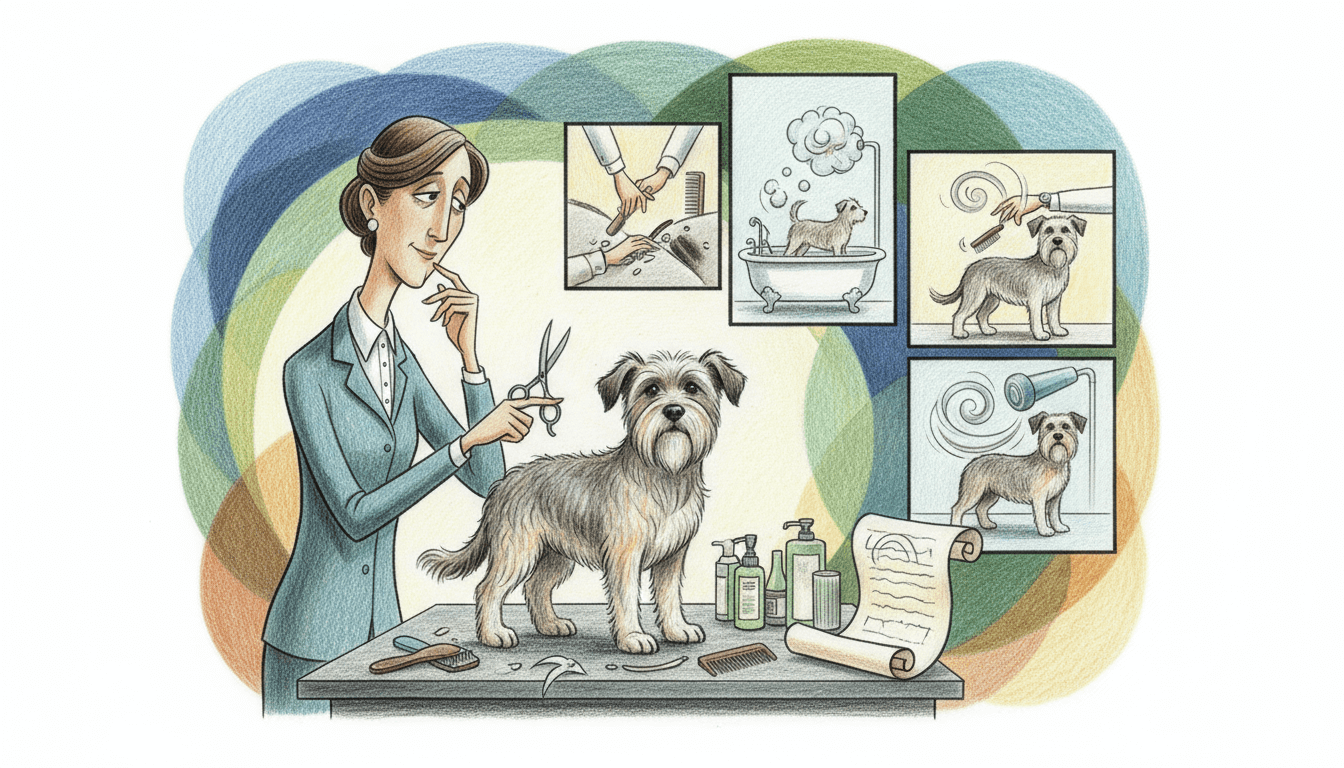
Mixed-Breed Pet Grooming Essentials: Comprehensive Strategies for Diverse Genetic Backgrounds
This guide provides expert insights into grooming mixed-breed pets, emphasizing the importance of assessing individual genetic traits to tailor care. It covers bathing frequency every 4-6 weeks, brushing routines for long and short hair types, and special considerations like using positive reinforcement and consulting professionals. By understanding coat types, skin sensitivities, and temperament, pet owners can implement effective grooming practices that promote health and comfort for their unique companions.

Professional Dog Grooming Techniques: Advanced Methods and Breed-Specific Care
This comprehensive guide explores professional dog grooming techniques, emphasizing essential tools like slicker brushes, nail clippers, and professional-grade clippers. It covers specialized services such as ear cleaning, anal gland expression, and skin condition checks, which are critical for detecting health issues early. Regular grooming not only enhances a dog's appearance but also promotes overall health and well-being, with tailored approaches for different breeds and coat types. Professional groomers provide expertise that extends beyond basic maintenance, ensuring dogs remain comfortable and healthy through systematic care practices.

Exotic and Rare Breed Grooming: A Comprehensive Guide to Unique Coat Care
This professional guide offers specialized grooming insights for exotic and rare dog and cat breeds, addressing challenges like hairless varieties, extremely long or curly coats, and unique textures. It emphasizes breed-specific techniques, precision tools, and expert consultations to maintain distinctive appearances and health. Key considerations include skin protection, temperature sensitivity, and tailored product usage, with recommendations supported by data from Exotic Pet Grooming Specialists.
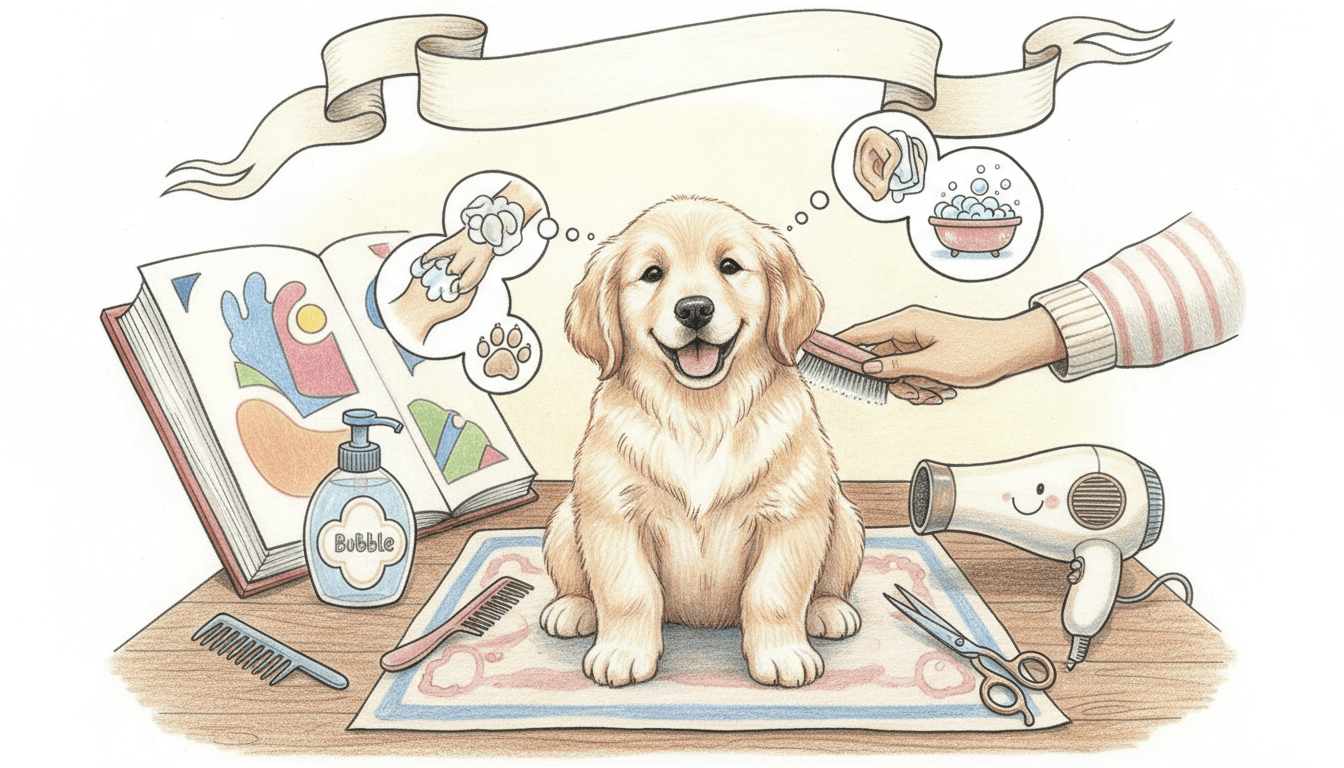
Puppy Grooming Basics: A Comprehensive Guide for Young Dogs
This guide offers a thorough introduction to grooming puppies, focusing on building positive habits from an early age. It covers the ideal first grooming age of 8-16 weeks, initial session durations of 5-10 minutes, and essential tools like soft brushes and puppy-specific nail clippers. Emphasizing gentle techniques and positive reinforcement with treats and praise, it ensures puppies develop a lifelong comfort with grooming, avoiding stress and fear through patient, non-forced approaches.
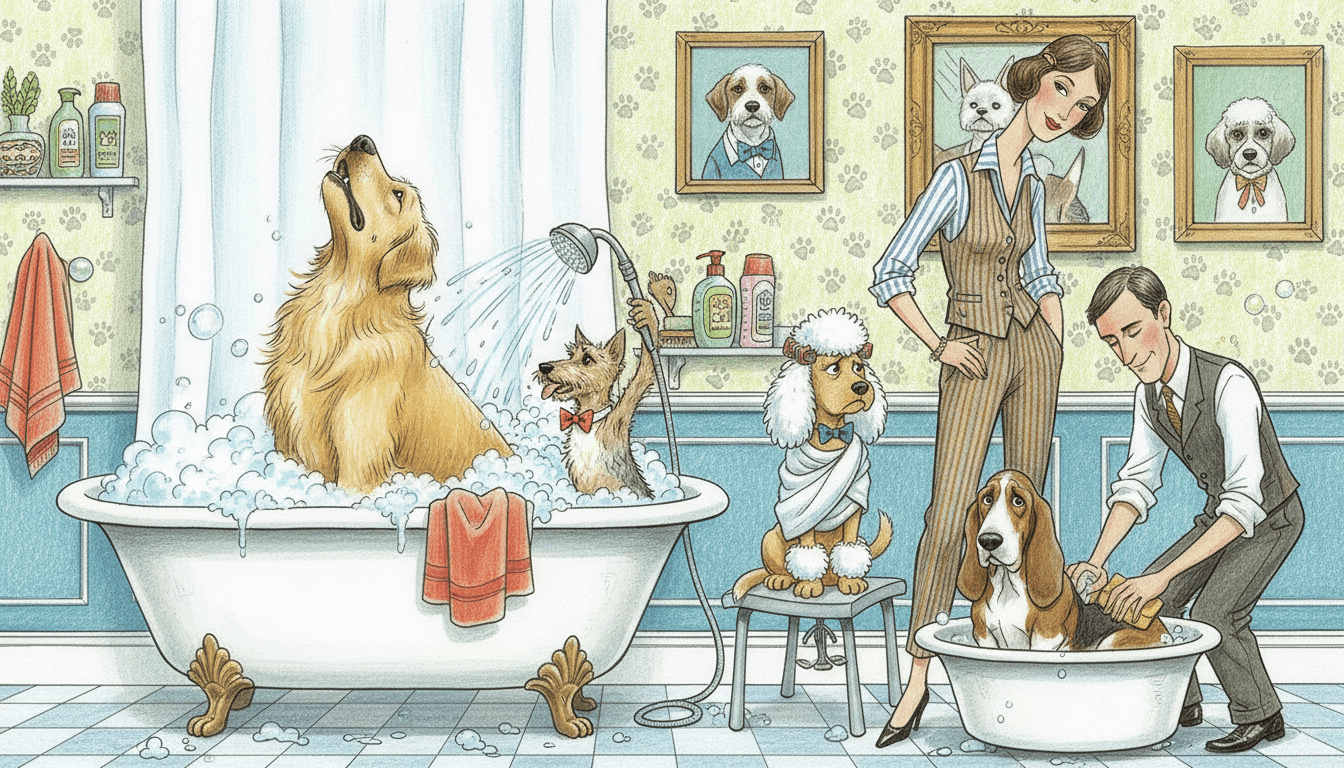
Bathing and Washing Techniques for Dogs: A Comprehensive Guide
Proper bathing is crucial for maintaining a dog's coat health, preventing skin issues, and ensuring overall hygiene. This guide covers detailed preparation steps, washing methods tailored to different coat types, and post-bath care, following veterinary grooming guidelines. Key practices include brushing before bathing to remove tangles, using lukewarm water and dog-specific shampoo, and thorough rinsing to avoid skin irritation. Learn how to adapt bathing frequency based on breed, coat type, and lifestyle for optimal results.
Emergency and First Aid Grooming: Comprehensive Guide to Pet Safety
This essential guide provides expert strategies for managing grooming emergencies, including immediate first aid protocols for accidental cuts, skin tears, allergic reactions, and stress responses. Learn to assemble a complete first aid kit with pet-safe antiseptics, sterile gauze, and emergency contacts. Understand when to halt grooming and seek veterinary assistance, backed by data from Veterinary Emergency and Grooming Experts. Ensure your pet's well-being with proactive measures and professional insights.
Show Pet Grooming Techniques: Mastering Competition-Ready Appearance
This comprehensive guide delves into professional show pet grooming, emphasizing breed-specific standards and meticulous techniques to achieve a flawless competition appearance. Learn essential steps including washing with high-quality shampoos, precise brushing from tips to roots, and intricate trimming aligned with breed guidelines. The guide also covers competition preparation strategies like regular practice, professional consultations, and stress-free approaches. Backed by expert insights, it ensures pets meet the highest aesthetic and technical requirements for success in shows, enhancing coat health and overall presentation.
Grooming for Working and Athletic Dogs: Optimizing Performance and Health
This comprehensive guide details specialized grooming techniques for working and athletic dog breeds, such as herding, service, search and rescue, and racing dogs. Emphasizing coat protection, injury prevention, quick-dry methods, and minimal interference with performance, it incorporates expert insights from Professional Working Dog Care Specialists. Learn about precision trimming, paw pad care, and aerodynamic styling to maintain peak physical condition and support the demanding roles these high-performance canines fulfill.
Advanced Mixed-Breed Dog Grooming Strategies for Diverse Coat Types
Mixed-breed dogs present unique grooming challenges due to their genetic diversity, requiring tailored approaches based on inherited coat traits. This guide details how to assess and adapt grooming techniques, including coat-specific brushing methods, optimal bathing frequency of every 4-6 weeks, and temperament considerations. By understanding genetic backgrounds and using positive reinforcement, owners can maintain healthy, comfortable coats while addressing varied personality traits for effective grooming sessions.