

Professional dog grooming is a vital aspect of pet care that goes beyond aesthetic appeal, focusing on maintaining a dog's coat, skin, and overall health. Groomers use specialized tools and techniques to address the unique needs of different breeds, ensuring comfort and preventing issues like matting, infections, and parasites. Regular grooming sessions, recommended every 4-6 weeks, help in early detection of health problems, such as skin conditions or abnormalities, through detailed inspections. This guide delves into the core components of professional grooming, including essential tools, step-by-step techniques, and additional services that contribute to a dog's longevity and happiness. By understanding these practices, pet owners can better collaborate with groomers to provide optimal care for their furry companions.
Specifications
Details
Tool Usage
Slicker brushes are ideal for removing mats in double-coated dogs, while bristle brushes enhance shine in short-haired breeds. Professional clippers should have adjustable blades (e.g., #10 for sensitive areas) to avoid burns, and nail clippers must be sharp to prevent splintering. Undercoat rakes reduce shedding by up to 90% in high-shed breeds when used weekly.
Technique Breakdown
Start with brushing to detangle, followed by bathing with pH-balanced shampoo. Clipping should follow coat growth patterns, and nail trimming must avoid the quick to prevent bleeding. For ear cleaning, use cotton balls and solution, never Q-tips, to minimize injury risk.
Health Benefits
Regular grooming reduces skin infections by 40%, according to industry studies, and early detection of issues like lumps or ear mites can improve treatment outcomes. Anal gland expression, if needed, prevents abscesses in 15% of cases where natural expression fails.
Safety Precautions
Always use non-slip mats in bathing areas, check water temperature (lukewarm, around 101°F), and avoid grooming stressed or injured dogs. Disinfect tools between sessions to prevent cross-contamination.
Comparison Points
Professional grooming vs. at-home care: Professionals offer specialized tools and health checks, reducing error risks
Breed-specific approaches: Long-haired breeds (e.g., Shih Tzus) need daily brushing, while short-haired breeds (e.g., Dalmatians) require weekly maintenance
Tool efficiency: Electric clippers save 50% time compared to manual scissors for full grooms
Important Notes
Consult a veterinarian if skin abnormalities persist. Grooming costs vary by breed and service complexity, averaging $50-$100 per session. Always reward dogs with treats to create positive associations.
Related Articles

Exotic and Rare Breed Grooming: A Comprehensive Guide to Unique Coat Care
This professional guide offers specialized grooming insights for exotic and rare dog and cat breeds, addressing challenges like hairless varieties, extremely long or curly coats, and unique textures. It emphasizes breed-specific techniques, precision tools, and expert consultations to maintain distinctive appearances and health. Key considerations include skin protection, temperature sensitivity, and tailored product usage, with recommendations supported by data from Exotic Pet Grooming Specialists.
Puppy Grooming Basics: A Comprehensive Guide for Young Dogs
This guide offers a thorough introduction to grooming puppies, focusing on building positive habits from an early age. It covers the ideal first grooming age of 8-16 weeks, initial session durations of 5-10 minutes, and essential tools like soft brushes and puppy-specific nail clippers. Emphasizing gentle techniques and positive reinforcement with treats and praise, it ensures puppies develop a lifelong comfort with grooming, avoiding stress and fear through patient, non-forced approaches.
Bathing and Washing Techniques for Dogs: A Comprehensive Guide
Proper bathing is crucial for maintaining a dog's coat health, preventing skin issues, and ensuring overall hygiene. This guide covers detailed preparation steps, washing methods tailored to different coat types, and post-bath care, following veterinary grooming guidelines. Key practices include brushing before bathing to remove tangles, using lukewarm water and dog-specific shampoo, and thorough rinsing to avoid skin irritation. Learn how to adapt bathing frequency based on breed, coat type, and lifestyle for optimal results.
Emergency and First Aid Grooming: Comprehensive Guide to Pet Safety
This essential guide provides expert strategies for managing grooming emergencies, including immediate first aid protocols for accidental cuts, skin tears, allergic reactions, and stress responses. Learn to assemble a complete first aid kit with pet-safe antiseptics, sterile gauze, and emergency contacts. Understand when to halt grooming and seek veterinary assistance, backed by data from Veterinary Emergency and Grooming Experts. Ensure your pet's well-being with proactive measures and professional insights.
Show Pet Grooming Techniques: Mastering Competition-Ready Appearance
This comprehensive guide delves into professional show pet grooming, emphasizing breed-specific standards and meticulous techniques to achieve a flawless competition appearance. Learn essential steps including washing with high-quality shampoos, precise brushing from tips to roots, and intricate trimming aligned with breed guidelines. The guide also covers competition preparation strategies like regular practice, professional consultations, and stress-free approaches. Backed by expert insights, it ensures pets meet the highest aesthetic and technical requirements for success in shows, enhancing coat health and overall presentation.
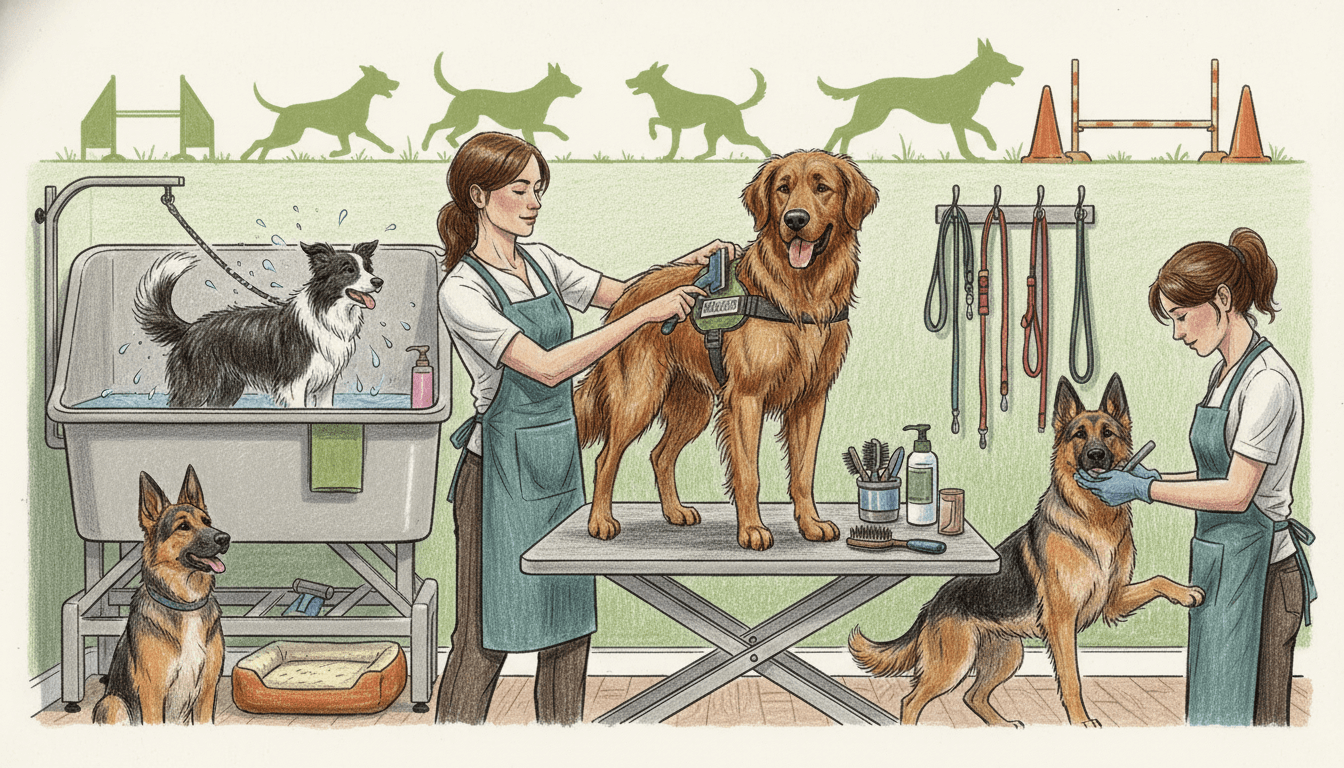
Grooming for Working and Athletic Dogs: Optimizing Performance and Health
This comprehensive guide details specialized grooming techniques for working and athletic dog breeds, such as herding, service, search and rescue, and racing dogs. Emphasizing coat protection, injury prevention, quick-dry methods, and minimal interference with performance, it incorporates expert insights from Professional Working Dog Care Specialists. Learn about precision trimming, paw pad care, and aerodynamic styling to maintain peak physical condition and support the demanding roles these high-performance canines fulfill.
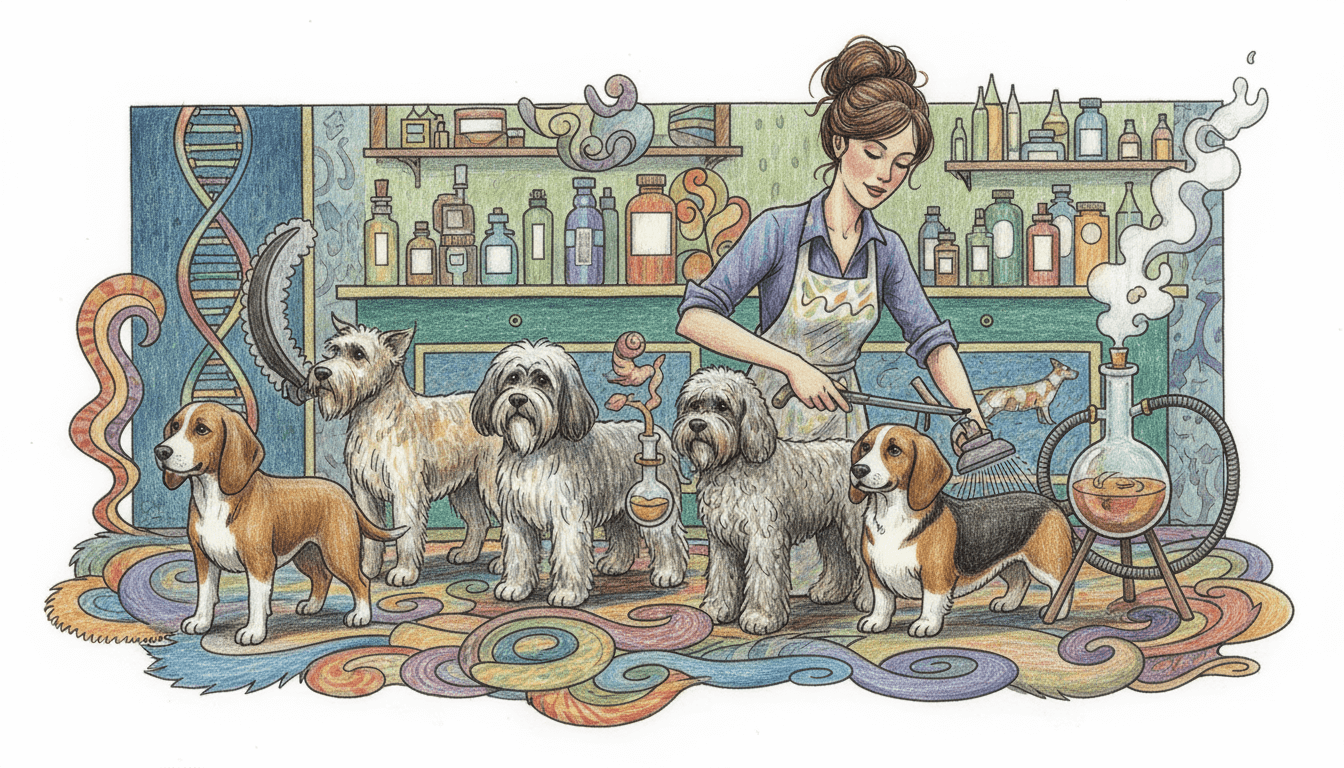
Advanced Mixed-Breed Dog Grooming Strategies for Diverse Coat Types
Mixed-breed dogs present unique grooming challenges due to their genetic diversity, requiring tailored approaches based on inherited coat traits. This guide details how to assess and adapt grooming techniques, including coat-specific brushing methods, optimal bathing frequency of every 4-6 weeks, and temperament considerations. By understanding genetic backgrounds and using positive reinforcement, owners can maintain healthy, comfortable coats while addressing varied personality traits for effective grooming sessions.
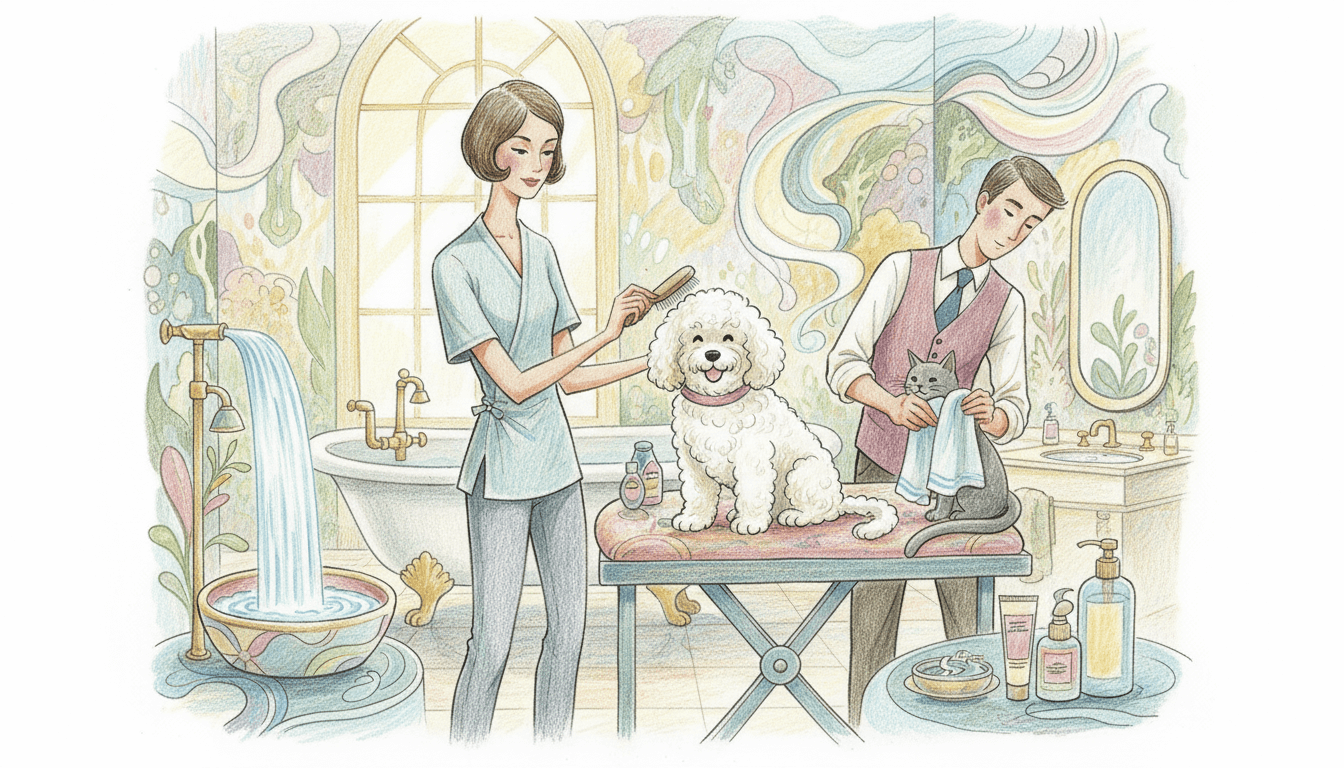
Hypoallergenic Dog Grooming Guide: Maintaining Low-Shedding Coats and Minimizing Allergens
This comprehensive guide offers specialized grooming techniques for hypoallergenic dog breeds, focusing on maintaining their unique low-shedding coats and minimizing allergens. Learn essential practices including regular brushing to remove loose hair, professional grooming every 6-8 weeks, and special attention to ear cleaning and skin fold maintenance. Discover proper tools, hypoallergenic products, and step-by-step routines to preserve coat quality, reduce allergic reactions, and ensure optimal health for breeds like Poodles, Bichon Frises, and Portuguese Water Dogs.
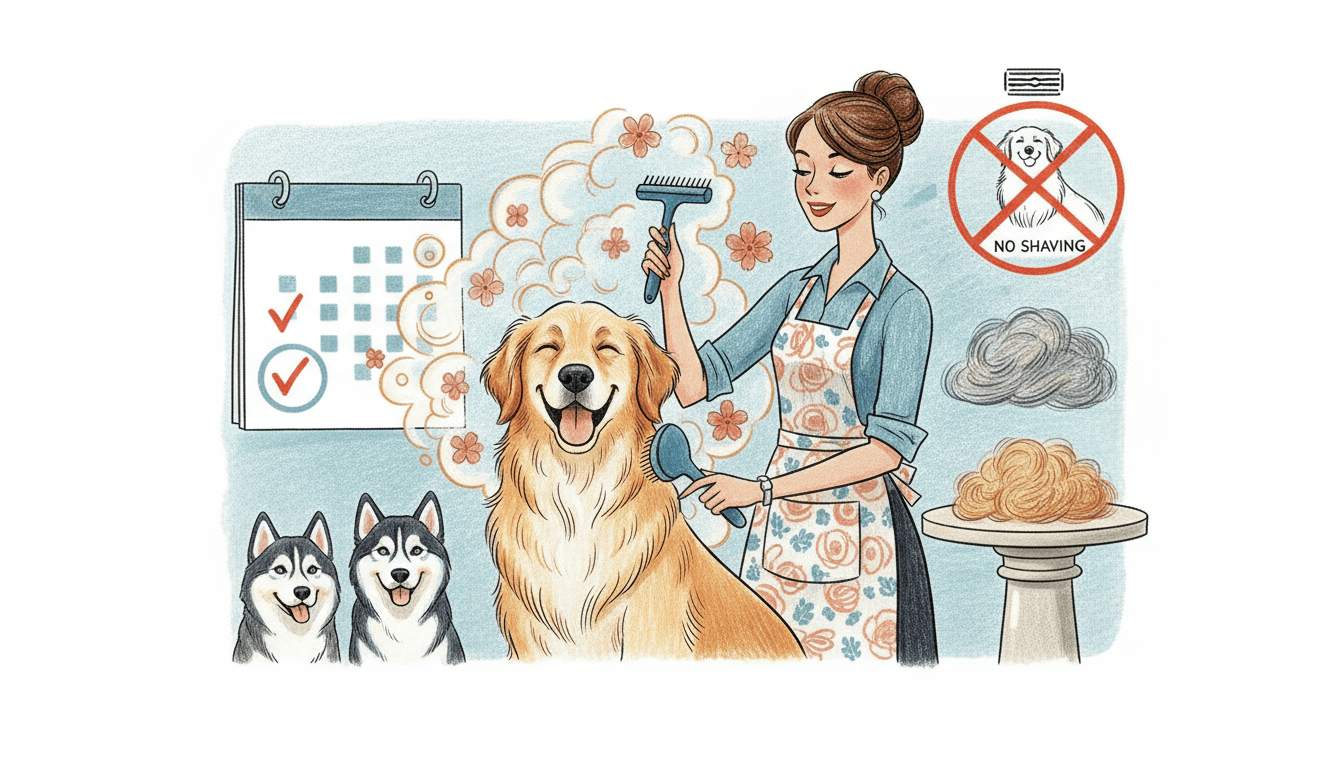
Double-Coated Dog Grooming Essentials: A Professional Guide
This comprehensive guide details the essential grooming practices for double-coated dog breeds, emphasizing the importance of preserving their unique coat structure. It covers the dual-layer composition—a soft undercoat for insulation and a coarse topcoat for protection—and provides expert-approved techniques for managing shedding, especially during spring. Key recommendations include avoiding shaving, using specialized tools like undercoat rakes and FURminators, and adhering to a grooming schedule of 3-4 full sessions annually with regular brushing to maintain coat health and comfort.

Comprehensive Dog Coat Types Guide: Understanding Short, Long, Double, Curly, and Wire Coats
This guide provides an in-depth exploration of five primary dog coat types: short, long, double, curly, and wire. Each coat type has unique characteristics, grooming requirements, and breed examples like Beagles for short coats, Shih Tzus for long coats, and Siberian Huskies for double coats. Learn professional grooming techniques, essential tools, and maintenance schedules to prevent matting, distribute natural oils, and ensure optimal coat health. Regular brushing, proper bathing, and breed-specific care are emphasized to support your dog's comfort and well-being.

Comprehensive Dog Grooming Guide for Different Coat Types
Explore a detailed guide to grooming dogs with various coat types, including short, long, double, curly, and wire coats. Learn breed-specific techniques, essential tools, and optimal grooming frequencies to maintain your pet's health, prevent matting, and ensure comfort. This guide draws from professional insights to help you establish a consistent routine that supports overall well-being and hygiene for your furry companion.

Seasonal Grooming Strategies: A Year-Round Guide for Pet Coat Health
This comprehensive guide provides detailed seasonal grooming strategies to maintain optimal pet coat health throughout the year. Learn how to adapt grooming routines based on temperature, humidity, and environmental factors, with expert advice on managing shedding cycles, protecting skin from seasonal challenges, and using appropriate tools and products. From spring de-shedding to winter moisture protection, discover practical techniques to keep your pet comfortable and healthy in every season.
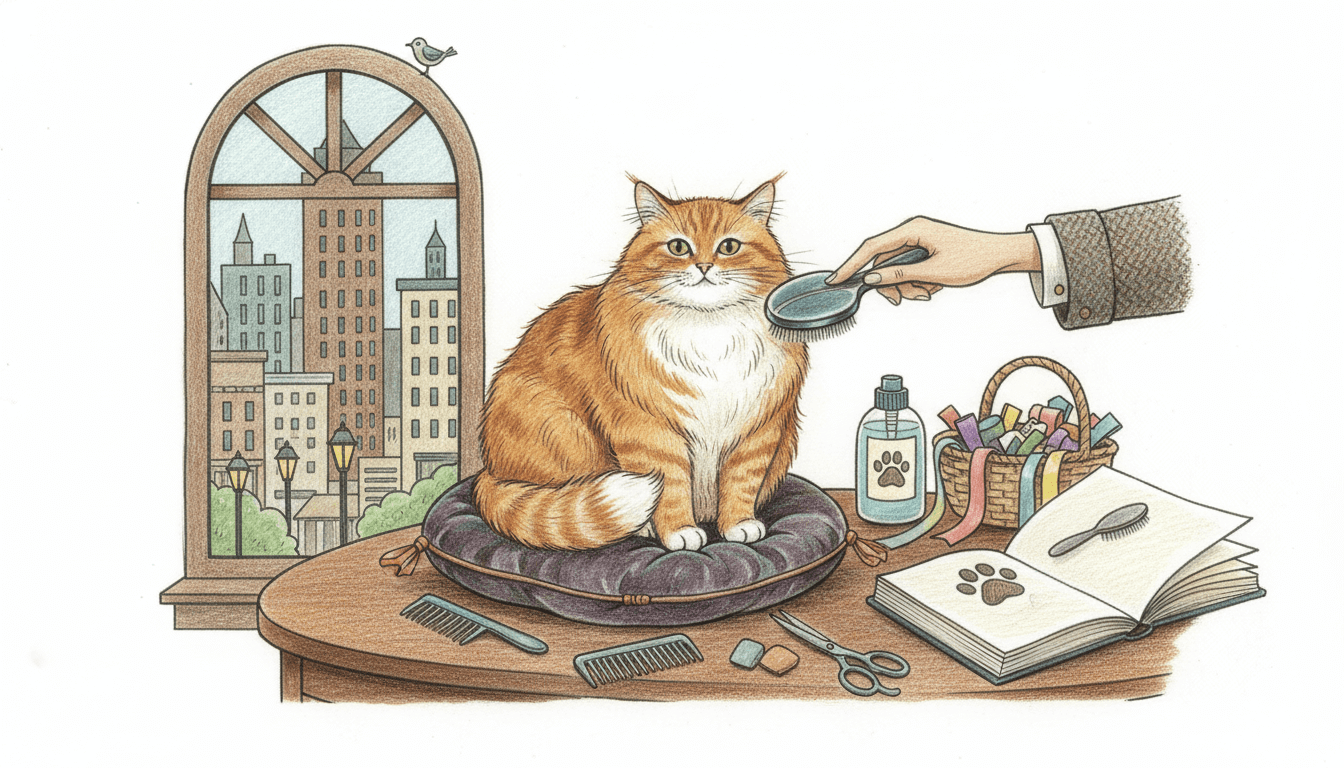
Cat Grooming Fundamentals: Essential Techniques for Breed-Specific Coat Care and Health Maintenance
This comprehensive guide covers all aspects of feline grooming, from basic brushing to specialized care for different coat types. Learn how to establish a consistent routine using proper tools, with detailed instructions for long-haired cats requiring daily brushing and short-haired breeds needing weekly care. Includes professional techniques for bathing, nail trimming, ear cleaning, and dental hygiene, plus when to seek professional grooming services. Based on expert recommendations from Feline Grooming Professionals.

Professional Grooming Tools and Techniques: Essential Equipment and Expert Methods
This comprehensive guide explores essential grooming tools and professional techniques used by expert groomers. With insights from Professional Grooming Industry Insights, it emphasizes investing in high-quality, breed-specific tools like slicker brushes, dog clippers, grooming scissors, and undercoat rakes. Learn proper maintenance practices to ensure tool longevity and pet safety. Understanding the purpose of each tool enhances grooming efficiency, reduces stress for pets, and promotes optimal coat health. Follow detailed care tips, including cleaning after each use and regular inspections, to maintain peak performance.