
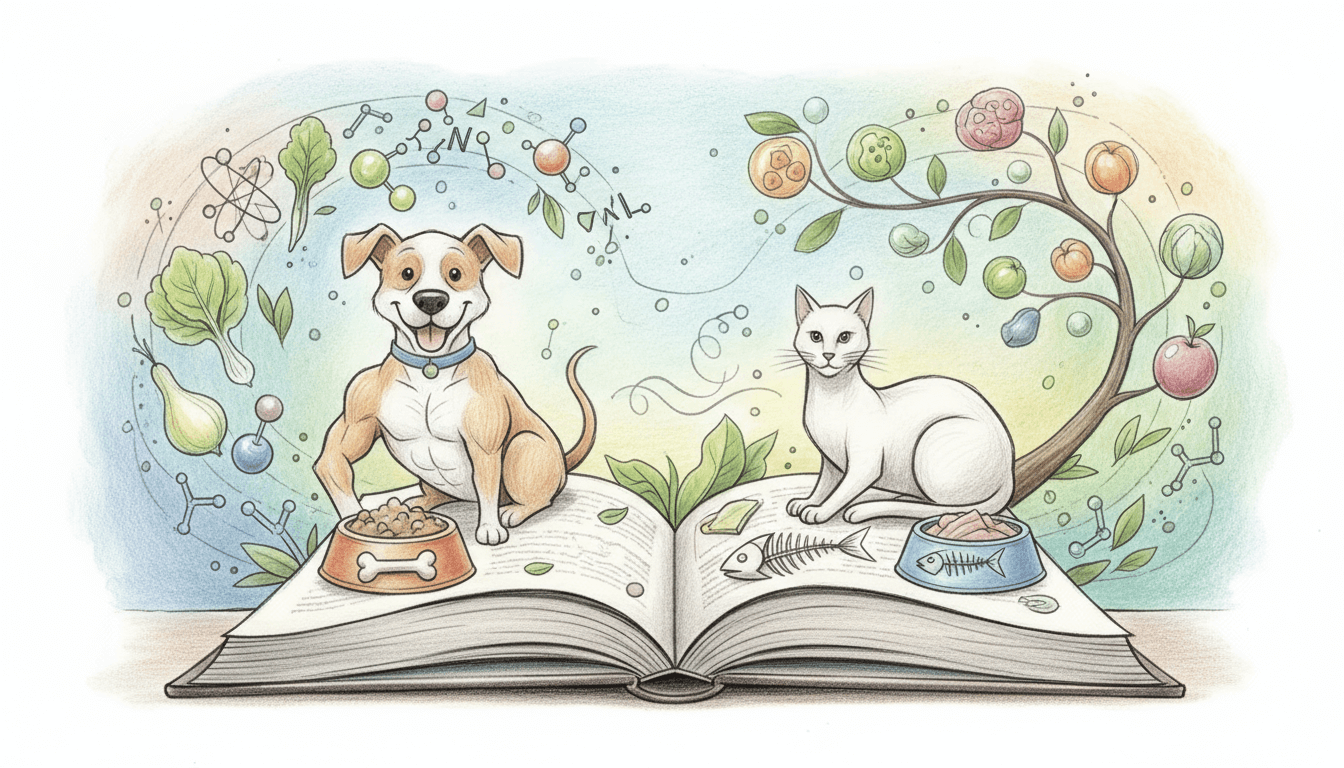
Proper nutrition is fundamental to the health and longevity of pets, with each species having unique dietary needs. According to the Affordable Pet Labs Nutrition Guide, understanding these differences is crucial for preventing health issues and promoting vitality. This article delves into the nutritional requirements of dogs, cats, and small animals, providing evidence-based insights into balanced diets, protein sources, and feeding practices. By tailoring nutrition to specific species, pet owners can enhance well-being, from energy levels to immune function.
Sections
Dog Nutrition: Omnivorous Diets for Balanced Health
Dogs are omnivores, requiring a balanced intake of proteins, fats, and carbohydrates for optimal health. Protein should constitute approximately 18-25% of an adult dog's diet, sourced primarily from high-quality meats like chicken, beef, or fish, which provide essential amino acids for muscle maintenance and immune support. Fats, comprising around 10-15%, supply energy and aid in nutrient absorption, while carbohydrates from grains and vegetables offer fiber and vitamins. Portion control is vital; overfeeding can lead to obesity, affecting up to 56% of dogs in the U.S. Feeding schedules should align with age and activity level—puppies may need three meals daily, while adults thrive on two. Consult a veterinarian to tailor diets, especially for breeds prone to allergies or conditions like hip dysplasia.
Cat Nutrition: High-Protein Diets for Obligate Carnivores
Cats are obligate carnivores, meaning they require a diet rich in animal-based proteins to meet their metabolic needs. Protein should make up at least 26-30% of their intake, derived from sources like poultry, fish, or meat by-products to supply taurine, an essential amino acid critical for heart and eye health. Fats, around 9-15%, provide concentrated energy and support skin and coat condition. Unlike dogs, cats have limited ability to process carbohydrates, so diets should be low in grains. Consistent feeding with measured portions helps prevent issues like feline obesity, which impacts nearly 60% of cats. Wet food can aid hydration, reducing urinary tract risks. Always choose AAFCO-compliant foods and avoid toxic items like onions or chocolate.
Small Animal Nutrition: Diverse Needs for Rabbits and Exotic Pets
Small animals exhibit varied dietary requirements based on species. Rabbits, for instance, need a diet of high-fiber hay (70-80%), pellet food (5-10%), and fresh vegetables (10-15%) to support digestive health and prevent dental issues. Exotic pets like snakes often require whole prey, such as mice or insects, to replicate natural hunting behaviors and provide complete nutrition. Guinea pigs need vitamin C-rich foods like bell peppers, as they cannot synthesize it internally. Portion control and scheduled feedings prevent malnutrition or obesity; for example, overfeeding pellets in rabbits can cause GI stasis. Research species-specific guidelines and consult experts to ensure diets meet all nutritional benchmarks.
Key Nutritional Principles: Balance, Timing, and Quality
Across all pets, a balanced diet tailored to species is paramount. Proteins, fats, carbohydrates, vitamins, and minerals must be proportioned correctly—for instance, dogs benefit from omega-3 fatty acids for joint health, while cats require arginine for detoxification. Portion control, based on weight and activity, prevents common issues like diabetes or heart disease; use measuring cups and avoid free-feeding. Consistent feeding schedules regulate metabolism and reduce stress. High-quality, commercially prepared foods often meet AAFCO standards, but homemade diets require veterinary oversight to avoid deficiencies. Regular monitoring and adjustments ensure pets receive optimal nutrition throughout life stages.
Key Takeaways
Dogs need omnivorous diets with 18-25% protein from meat sources for muscle and immune health.
Cats require high-protein, meat-focused diets with at least 26-30% protein to support their obligate carnivore physiology.
Small animals like rabbits thrive on hay-based diets, while exotics may need live prey for balanced nutrition.
Portion control and consistent feeding schedules prevent obesity and promote digestive regularity.
Consult veterinarians to tailor diets to individual pet needs, especially for allergies or age-related changes.
Frequently Asked Questions
How much protein should I feed my dog daily?
Why do cats need more protein than dogs?
What is the best diet for a pet rabbit?
How often should I feed my pet?
Conclusion
Understanding and implementing species-specific nutrition is essential for pet health and longevity. By focusing on balanced diets, quality protein sources, and disciplined feeding practices, owners can prevent common ailments and enhance their pets' quality of life. Refer to resources like the Affordable Pet Labs Nutrition Guide and seek veterinary guidance to adapt these principles to individual needs, ensuring every pet thrives through proper care and nutrition.