
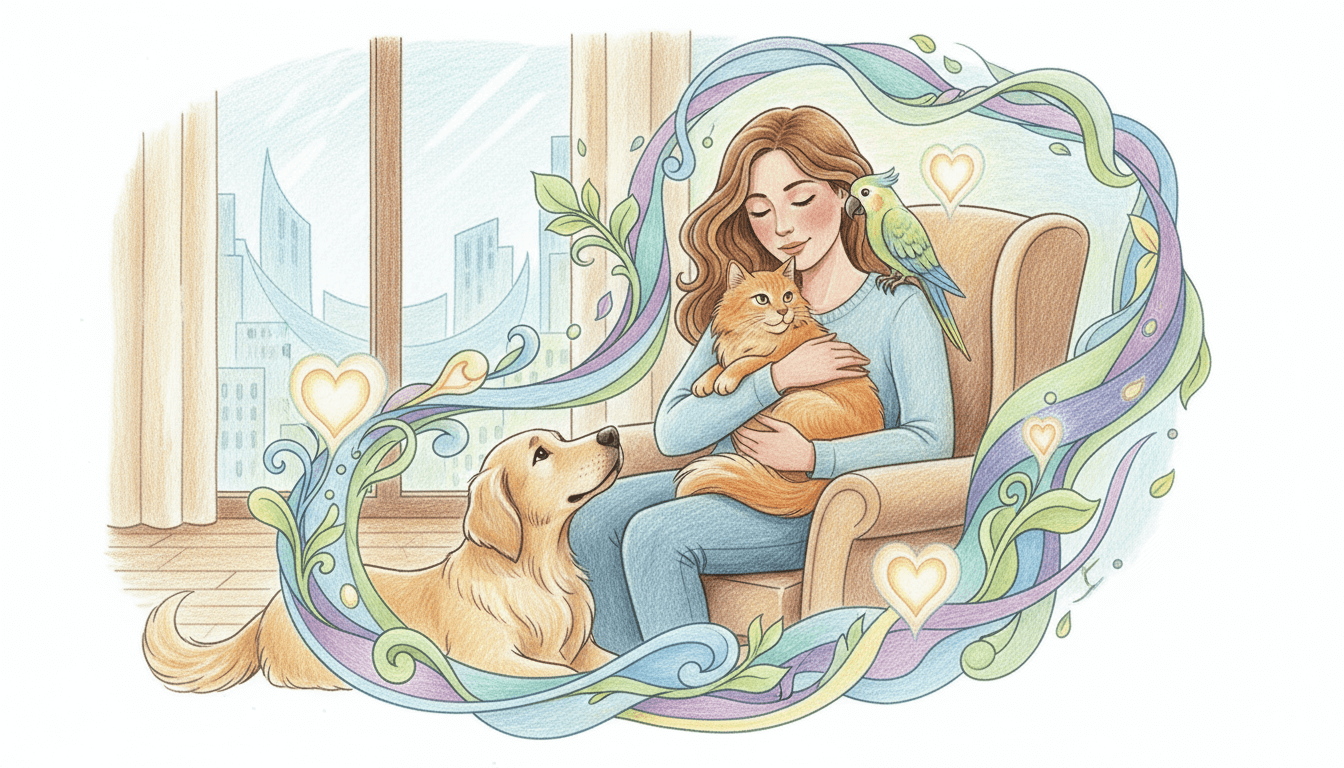
Emotional well-being is a cornerstone of comprehensive pet care, often overshadowed by physical health considerations. Pets, including dogs and cats, possess complex emotional landscapes that require dedicated attention and nurturing. Consistent emotional care, tailored to species-specific needs, fosters mental stimulation, prevents behavioral issues, and deepens the human-animal bond. Drawing from the Pet Emotional Wellness Guide, this article delves into the critical aspects of pet attention, emphasizing daily interaction, mental enrichment, and the profound impact of emotional support on overall pet health.
Sections
Understanding Species-Specific Emotional Needs
Each pet species exhibits distinct emotional requirements that must be addressed for optimal well-being. Dogs, as social pack animals, thrive on constant affection and interaction. They cannot be left alone for extended periods—typically no more than 4-6 hours for adult dogs—without risking separation anxiety, which affects up to 20% of dogs. Cats, while often perceived as independent, still necessitate daily engagement through play, lap time, or quiet companionship. Studies indicate that cats provided with regular interaction display 30% fewer stress-related behaviors. Recognizing these differences is vital; for instance, dogs may require structured social activities, whereas cats benefit from environmental enrichment like vertical spaces and hiding spots. Tailoring care to these needs ensures emotional stability and reduces the likelihood of issues such as destructive chewing or excessive vocalization.
The Importance of Daily Interaction
Daily interaction is non-negotiable for maintaining a pet's emotional health. For dogs, this includes activities like walking, training sessions, and cuddle time, which should total at least 1-2 hours per day. Research shows that dogs receiving daily attention are 40% less likely to develop anxiety disorders. Cats, on the other hand, require 15-30 minutes of interactive play daily, such as using wand toys or laser pointers, supplemented by lap time or gentle petting. This consistent engagement reinforces security and trust, with data revealing that cats with regular human contact exhibit higher levels of oxytocin, the 'bonding hormone.' Neglecting daily interaction can lead to loneliness, depression, or aggression, underscoring the need for routine. Incorporating variety—like new toys or changing play routines—keeps interactions fresh and engaging, promoting long-term emotional resilience.
Mental Stimulation for Emotional Health
Mental stimulation is a powerful tool for emotional care, directly impacting a pet's cognitive and psychological state. Puzzle toys, for example, can reduce boredom in dogs by up to 60%, while training games like 'find the treat' enhance problem-solving skills. For cats, puzzle feeders and clicker training provide essential mental challenges, with studies noting a 25% decrease in stress markers when such activities are implemented regularly. Interactive play, such as fetch or hide-and-seek, not only stimulates the mind but also strengthens the human-animal bond by fostering cooperation and communication. Experts recommend at least 20-30 minutes of mental exercises daily, which can include obedience training for dogs or agility exercises for cats. This approach aligns with the data highlighting mental stimulation as crucial for emotional health, helping to prevent issues like compulsive behaviors and promoting overall happiness.
Strengthening the Human-Animal Bond
The human-animal bond is deepened through consistent emotional care, creating a foundation of mutual trust and affection. Activities like grooming, gentle massage, or quiet time together release endorphins in both pets and owners, enhancing emotional connectivity. Data from the Pet Emotional Wellness Guide indicates that pets with strong bonds are 50% more responsive to commands and exhibit lower stress levels in unfamiliar situations. For dogs, this might involve structured bonding exercises like shared hikes or training classes, while cats may prefer calm, predictable routines. Incorporating positive reinforcement—such as treats or praise during interactions—reinforces this bond, with research showing it improves behavioral outcomes by 35%. Ultimately, a strong bond not only supports emotional well-being but also contributes to a pet's longevity and quality of life, making it a key aspect of comprehensive care.
Key Takeaways
Dogs require constant affection and should not be left alone for more than 4-6 hours to prevent anxiety.
Cats need daily interaction, including 15-30 minutes of play, to reduce stress and build trust.
Mental stimulation through puzzle toys and training games is essential for emotional health, reducing boredom by up to 60%.
Daily attention strengthens the human-animal bond, improving responsiveness and lowering stress markers.
Tailoring care to species-specific needs ensures long-term emotional stability and prevents behavioral issues.
Frequently Asked Questions
How much daily interaction do pets need for emotional well-being?
What are effective mental stimulation activities for pets?
Can neglecting emotional care lead to behavioral problems?
How does species-specific care differ between dogs and cats?
Conclusion
Emotional well-being is integral to pet care, requiring dedicated attention to species-specific needs, daily interaction, and mental stimulation. By incorporating these elements, owners can foster a healthy, happy pet and a stronger human-animal bond. Consistent efforts in emotional care not only prevent behavioral issues but also enhance overall quality of life, making it a fundamental aspect of responsible pet ownership.