
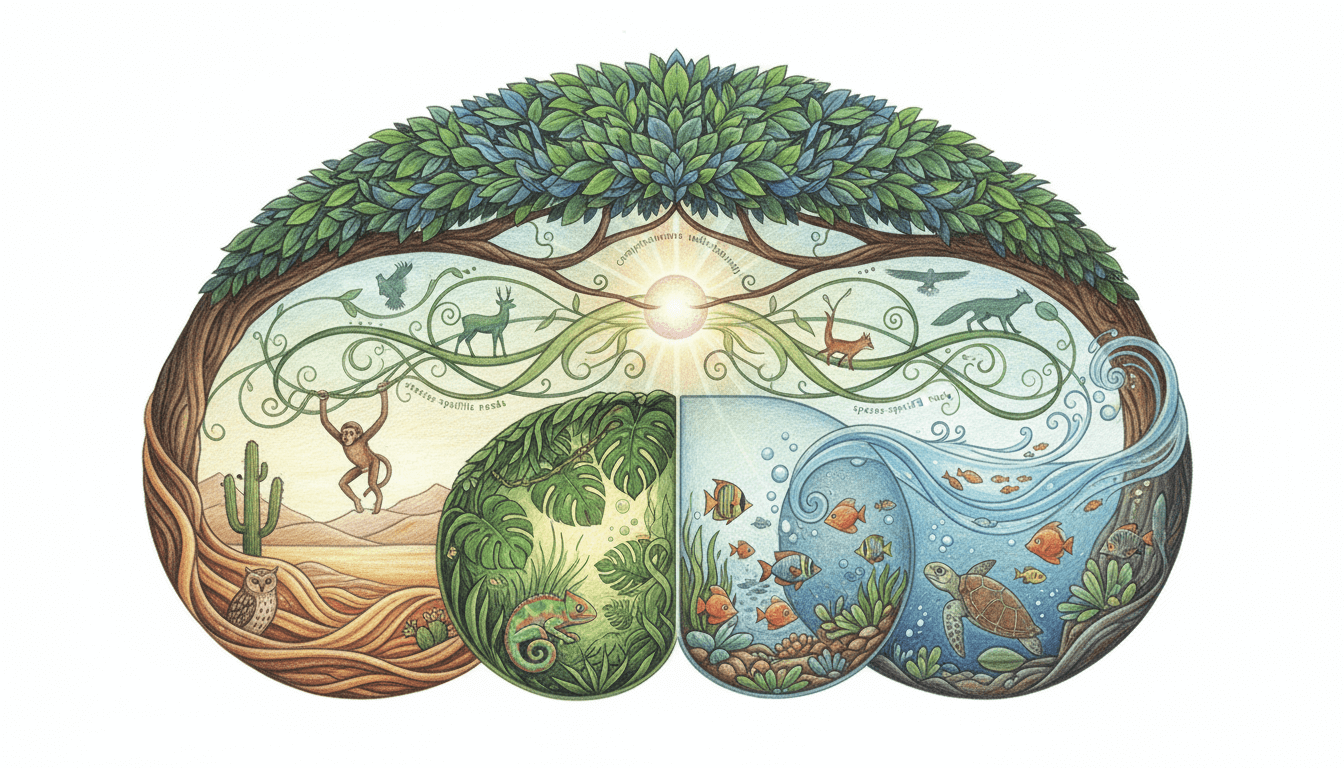
Providing a suitable habitat is fundamental to pet ownership, directly impacting health, behavior, and longevity. Each species has unique environmental requirements rooted in their evolutionary biology. From dogs benefiting from crate training to reptiles needing precise thermal gradients, neglecting these needs can lead to stress, illness, or shortened lifespans. This article delves into the Ross Veterinary Pet Care Guide's principles, offering expanded, evidence-based strategies to design, maintain, and optimize living spaces for various pets, ensuring they thrive in domestic settings.
Sections
Canine Habitat Essentials: Crate Training and Beyond
Dogs, as den animals, instinctively seek enclosed spaces for security. Crate training, as recommended in the data, provides a designated safe area, reducing anxiety and preventing destructive behaviors. Use a crate sized to allow standing, turning, and lying down comfortably—typically 1.5 times the dog's length. Introduce the crate positively with treats and toys, avoiding prolonged confinement beyond 4-6 hours for adults. Complement the crate with a quiet, low-traffic location, durable bedding, and access to fresh water. Regular exercise in a fenced yard or daily walks (30-60 minutes for most breeds) is crucial for physical and mental stimulation, preventing obesity and boredom-related issues.
Feline Living Spaces: Comfort, Hygiene, and Enrichment
Cats require a multi-faceted environment to express natural behaviors. Provide a cozy bed in elevated or secluded spots to satisfy their preference for security and observation. A clean litter box—scooped daily and fully cleaned weekly—is non-negotiable; use unscented, clumping litter in a box 1.5 times the cat's length. Scratching surfaces, such as vertical posts or horizontal pads, protect furniture and aid claw health; place them near resting areas. Enhance the habitat with interactive toys, window perches, and hiding spots to prevent stress, which can lead to issues like urinary tract diseases. Aim for one litter box per cat plus one extra, and ensure resources are distributed to avoid competition in multi-cat households.
Small Mammal Enclosures: Space, Bedding, and Exercise
Small mammals like hamsters, guinea pigs, and rabbits need spacious, well-ventilated cages with minimum dimensions based on species—e.g., 450 square inches for a single hamster. Use safe, absorbent bedding (aspen shavings or paper-based products) changed weekly to prevent ammonia buildup and respiratory issues. Include exercise equipment such as wheels (solid-surfaced to prevent injury), tunnels, and climbing structures to promote activity, reducing obesity risks. For social species like guinea pigs, house in pairs or groups to prevent loneliness. Provide hiding spots and chew toys to support natural behaviors and dental health, as their teeth grow continuously. Monitor temperature (65-75°F) and avoid direct sunlight or drafts.
Exotic Pet Habitats: Precision in Environmental Control
Exotic pets, particularly reptiles, demand meticulously controlled environments. As noted in the data, regulated temperature and humidity are critical—for example, bearded dragons require a basking spot of 95-110°F and a cool zone of 75-85°F, with humidity around 30-40%. Use thermostats and hygrometers for accuracy. Specialized lighting, including UVB bulbs, is essential for calcium metabolism and preventing metabolic bone disease; replace bulbs every 6-12 months. Habitat conditions vary by species: arboreal reptiles need vertical space with branches, while terrestrial ones require ample floor area. Substrate choice (e.g., coconut fiber for humidity) and hiding places reduce stress. Regularly clean and disinfect enclosures to prevent pathogens, ensuring a lifespan that can exceed 20 years for some species.
Maintenance and Monitoring for Long-Term Health
Consistent habitat maintenance is vital. Clean all enclosures weekly with pet-safe disinfectants, replacing soiled bedding and removing waste promptly. Monitor pets for signs of discomfort, such as lethargy or aggression, which may indicate environmental issues. For exotic pets, perform daily checks on temperature and humidity levels, adjusting heaters or misters as needed. Incorporate environmental enrichment—rotate toys, introduce novel items, and provide foraging opportunities—to stimulate cognitive function. Document routines in a log to track changes and consult veterinarians annually for habitat assessments, as needs can evolve with age, health, or season.
Key Takeaways
Tailor habitats to species-specific needs to enhance well-being and prevent health problems.
Crate training offers dogs security, while cats require beds, litter boxes, and scratching surfaces for enrichment.
Small mammals need spacious cages with safe bedding and exercise equipment to avoid stress and obesity.
Exotic pets rely on precise temperature, humidity, and lighting controls for physiological health.
Regular cleaning, monitoring, and veterinary consultations ensure habitats remain optimal over time.
Frequently Asked Questions
Why is crate training recommended for dogs?
How often should I clean my cat's litter box?
What are the key elements for a reptile habitat?
Can small mammals be housed together?
How do I monitor habitat conditions for exotic pets?
Conclusion
Creating and maintaining species-appropriate habitats is a cornerstone of responsible pet ownership. By adhering to guidelines from sources like the Ross Veterinary Pet Care Guide and expanding with detailed care practices, owners can ensure their pets live in environments that support physical health, mental stimulation, and natural behaviors. Whether caring for dogs, cats, small mammals, or exotic species, proactive attention to habitat design, cleanliness, and environmental controls fosters longevity and happiness. Continually educate yourself on evolving best practices and seek professional advice to adapt to your pet's changing needs, ultimately strengthening the bond between you and your companion.