
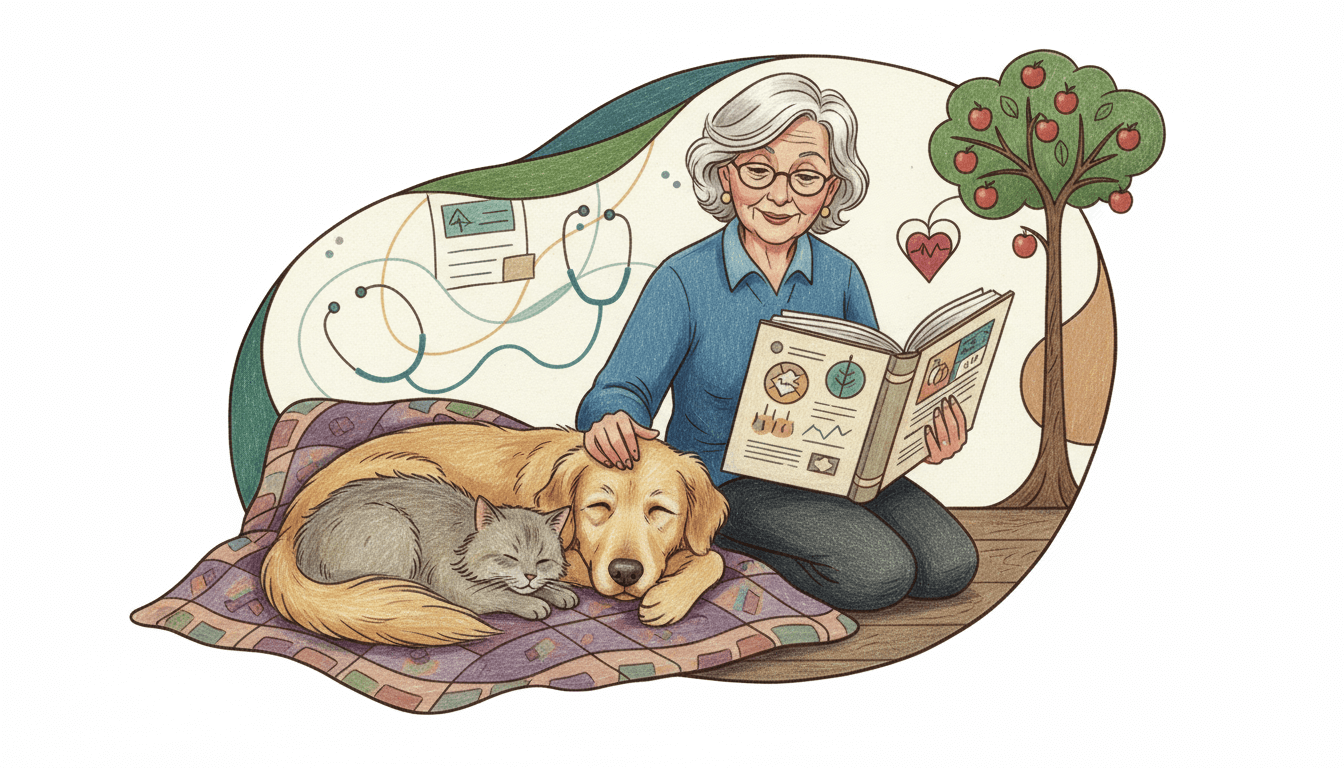
As our beloved canine and feline companions enter their senior years, typically around 7-10 years depending on breed and size, their care requirements undergo significant transformations. Understanding these changes is crucial for maintaining your pet's health, comfort, and quality of life. Senior pets face unique challenges including decreased mobility, changing metabolic rates, and increased susceptibility to age-related conditions. This comprehensive guide provides detailed information about veterinary care schedules, nutritional adjustments, exercise modifications, and environmental adaptations specifically designed for aging dogs and cats. By implementing these evidence-based care strategies, pet owners can help their senior companions enjoy their golden years with vitality and comfort.
Sections
Veterinary Care and Health Monitoring
Regular veterinary monitoring becomes increasingly critical as pets age. Senior dogs require quarterly check-ups (every 3 months) to detect and manage age-related conditions early, while senior cats need biannual examinations (every 6 months) due to their exceptional ability to conceal illness and pain. These comprehensive examinations should include complete blood counts, biochemistry profiles, urinalysis, thyroid testing, and blood pressure monitoring. Dental health assessments are particularly important, as periodontal disease affects over 80% of pets over age 3 and can lead to systemic health issues. Additional diagnostic tools like radiographs and ultrasound may be recommended based on breed predispositions and individual health history. Early detection of conditions such as arthritis, kidney disease, diabetes, and cancer through regular monitoring can significantly improve treatment outcomes and quality of life.
Nutritional Requirements for Senior Pets
Senior pets experience metabolic changes that necessitate dietary adjustments. The fundamental nutritional approach involves reduced-calorie diets with maintained high-quality protein levels. Most senior dogs require 20-30% fewer calories than their adult counterparts to prevent obesity, while still needing protein levels of 25-30% from highly digestible sources like chicken, fish, or eggs to preserve lean muscle mass. Senior cats, being obligate carnivores, require even higher protein levels of 35-40% to prevent sarcopenia. Essential fatty acids like omega-3s (EPA and DHA) at doses of 40-50mg/kg body weight help reduce inflammation and support cognitive function. Fiber content should be increased to 3-5% to support gastrointestinal health, while sodium should be restricted to <0.3% for cardiac health. Joint supplements containing glucosamine (500mg twice daily for medium dogs) and chondroitin sulfate can significantly improve mobility in arthritic pets.
Exercise and Mobility Management
Exercise routines must be adapted to accommodate decreased mobility and energy levels in senior pets. Instead of high-impact activities, focus on low-impact exercises like leisurely walks, swimming, or gentle play sessions. For senior dogs, multiple short walks of 10-15 minutes throughout the day are preferable to one long walk. Senior cats benefit from interactive toys that encourage movement without excessive jumping. Environmental modifications are crucial: provide orthopedic beds with 4-6 inch thick memory foam, non-slip flooring, and ramps or steps to access favorite furniture. Physical therapy techniques including passive range-of-motion exercises, massage, and controlled weight-bearing activities can maintain muscle tone and joint flexibility. Monitor for signs of exercise intolerance such as excessive panting, lagging behind, or reluctance to continue, and adjust activities accordingly.
Cognitive Health and Mental Stimulation
Cognitive dysfunction syndrome affects approximately 28% of dogs aged 11-12 and 68% of dogs aged 15-16, with similar prevalence in senior cats. Mental stimulation remains vital for maintaining cognitive function. Implement food puzzle toys, scent games, and training sessions using positive reinforcement techniques. Environmental enrichment should include safe outdoor access (when possible), window perches for cats, and rotating toys to prevent boredom. Nutritional supplements containing medium-chain triglycerides, antioxidants (vitamins E and C), and SAMe have shown efficacy in supporting brain health. Establish consistent routines to reduce anxiety and confusion. Monitor for signs of cognitive decline including disorientation, changes in sleep-wake cycles, decreased interaction, and house-soiling, consulting your veterinarian if these symptoms appear.
Home Environment and Comfort Measures
Creating a senior-friendly home environment significantly enhances quality of life. Maintain indoor temperatures between 68-75°F as senior pets have reduced ability to regulate body temperature. Provide multiple water stations with fresh water, considering fountain-style bowls that encourage drinking. Elevate food and water bowls to reduce neck and joint strain. Create quiet, comfortable resting areas away from household traffic. For pets with vision or hearing impairment, avoid rearranging furniture and use verbal cues or gentle touches to communicate. Grooming adaptations include more frequent brushing to distribute natural oils and careful nail trimming as older pets are less active and may not wear down nails naturally. Special attention should be paid to paw pad care and dental hygiene through regular brushing or dental treats.
Key Takeaways
Senior dogs require quarterly veterinary check-ups while senior cats need biannual examinations
Adjust nutrition to reduced-calorie, high-quality protein diets with joint-supporting supplements
Modify exercise to low-impact activities and shorter, more frequent sessions
Implement environmental modifications for comfort and accessibility
Provide mental stimulation and monitor for cognitive changes
Maintain consistent routines and comfortable home environments
Frequently Asked Questions
At what age is a pet considered senior?
How often should senior pets see the veterinarian?
What dietary changes are necessary for senior pets?
How can I help my senior pet with arthritis?
What are signs of cognitive decline in senior pets?
Conclusion
Providing optimal care for senior pets requires thoughtful adjustments to veterinary care, nutrition, exercise, and home environment. By implementing quarterly check-ups for dogs and biannual visits for cats, adjusting to reduced-calorie, high-protein diets, modifying exercise routines, and creating comfortable living spaces, pet owners can significantly enhance their aging companions' quality of life. Remember that each senior pet is unique—work closely with your veterinarian to develop a personalized care plan that addresses your pet's specific needs, health conditions, and preferences. With proper care and attention, senior pets can continue to enjoy comfortable, happy lives throughout their golden years, maintaining the special bond they share with their human families.