
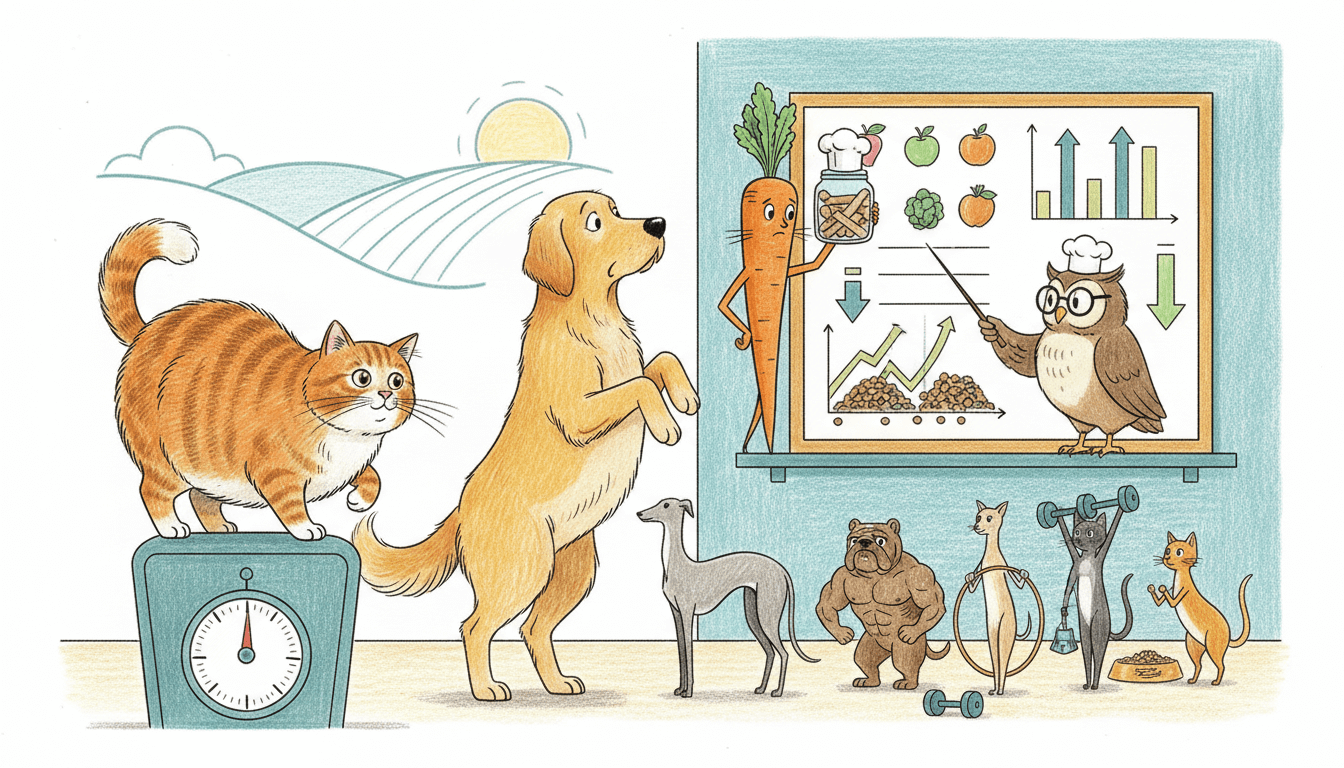
Pet obesity is a pervasive and growing health crisis, with over 50 million cats and 42 million dogs currently overweight or obese. According to Veterinary Nutrition Research, 60% of cats and 54% of dogs are at risk, highlighting an urgent need for proactive weight management. Excess weight in pets is not merely a cosmetic issue; it significantly elevates the risk of life-threatening conditions such as diabetes, hypertension, respiratory disorders, and certain cancers. This comprehensive article delves into the root causes of pet obesity, outlines evidence-based prevention strategies, and emphasizes the critical role of veterinary guidance in crafting personalized nutrition and exercise regimens. By understanding the importance of regular monitoring, controlled feeding, and physical activity, pet owners can safeguard their companions' health and enhance their quality of life.
Sections
Understanding Pet Obesity: Statistics and Health Implications
The statistics on pet obesity are alarming: 60% of cats and 54% of dogs are classified as overweight or obese, translating to millions of pets facing preventable health challenges. Obesity in pets is primarily driven by caloric imbalance—consuming more energy than expended—often due to overfeeding, high-calorie treats, and sedentary lifestyles. Key health risks include diabetes mellitus, which requires lifelong insulin therapy in affected animals; hypertension, leading to cardiovascular strain and organ damage; respiratory diseases like tracheal collapse and exercise intolerance; and elevated cancer risks due to chronic inflammation and hormonal imbalances. Additionally, obesity exacerbates joint issues such as osteoarthritis, reducing mobility and comfort. Early intervention through weight assessment tools like Body Condition Scoring (BCS) can help identify at-risk pets before severe complications arise.
Essential Strategies for Effective Weight Management
Successful weight management hinges on three core principles: regular monitoring, portion control, and consistent exercise. Begin by tracking your pet's weight every 2-4 weeks using a reliable scale and BCS charts, which evaluate fat coverage and muscle tone. Portion control is critical; measure food with standardized cups or grams, avoiding free-feeding, and select high-protein, low-carbohydrate diets rich in fiber to promote satiety. Consult your veterinarian to determine daily caloric needs based on factors like age, breed, and activity level. Incorporate structured exercise routines, such as 30-minute daily walks for dogs or interactive play sessions for cats, using toys like laser pointers or feather wands. Gradually increase intensity to avoid injury, and consider activities like swimming or agility training for dogs to enhance calorie burn. Combining these strategies with regular veterinary check-ups ensures adjustments are made proactively to maintain optimal weight.
The Role of Veterinary Guidance in Personalized Nutrition
Veterinarians are indispensable in designing tailored weight management plans, leveraging diagnostic tools like blood tests and body composition analysis to address underlying issues. They may recommend therapeutic diets, such as prescription weight-loss formulas that balance nutrients while reducing calories, or suggest supplements like omega-3 fatty acids to support joint health. For pets with comorbidities, vets can adjust plans to manage conditions like hypothyroidism or Cushing's disease, which contribute to weight gain. Regular follow-ups allow for progress tracking and plan modifications, ensuring long-term success. Additionally, veterinarians provide behavioral counseling to address emotional eating or food-seeking behaviors, integrating environmental enrichment to reduce stress-related overconsumption.
Common Pitfalls and How to Avoid Them
Many pet owners unintentionally undermine weight management efforts through common mistakes, such as relying on inaccurate feeding guidelines on packaging or over-treating with high-calorie snacks. To avoid these pitfalls, use a kitchen scale for precise portioning, limit treats to 10% of daily calories, and opt for low-calorie alternatives like carrots or green beans. Avoid sudden diet changes, which can cause digestive upset, and instead transition foods gradually over 7-10 days. Monitor for plateaus in weight loss, which may require recalibrating caloric intake or increasing exercise frequency. Educate all household members on consistency in feeding and exercise routines to prevent regression. Lastly, recognize that weight loss should be gradual—aim for 1-2% of body weight per week—to prevent muscle loss and other adverse effects.
Key Takeaways
Regularly monitor weight and body condition to detect changes early.
Control portions using measured servings and avoid free-feeding.
Maintain a consistent exercise routine tailored to your pet's abilities.
Seek veterinary advice for personalized diet and health assessments.
Limit treats and choose nutrient-dense, low-calorie options.
Frequently Asked Questions
How often should I weigh my pet?
What are signs that my pet is overweight?
Can obesity in pets be reversed?
Are certain breeds more prone to obesity?
Conclusion
Addressing pet obesity requires a committed, multifaceted approach centered on education, consistency, and professional support. By implementing regular weight checks, precise portion control, and engaging exercise regimens, owners can significantly reduce the risks associated with excess weight. Leveraging veterinary expertise ensures that strategies are tailored to individual needs, promoting sustainable health improvements. Ultimately, proactive weight management not only extends pets' lifespans but also enhances their vitality, allowing them to thrive as beloved family members. Start today by consulting your veterinarian and adopting these evidence-based practices to safeguard your pet's well-being.