

Mixed-breed dogs, often resulting from combinations of over 300 recognized dog breeds, present grooming challenges rooted in genetic diversity. Unlike purebreds with predictable traits, mixed-breeds can inherit coats ranging from short and smooth to long and curly, each requiring tailored care. Key considerations include assessing coat characteristics—such as density, length, and shedding patterns—and adapting to individual temperaments, which may include anxiety or sensitivity. A flexible grooming approach, supported by versatile tools and routines, is essential to prevent issues like matting, skin irritation, or behavioral stress. This guide expands on data from the 'Mixed-Breed Pet Care Guide' to provide actionable strategies for maintaining coat health and ensuring a calm grooming experience.
Specifications
Details
Coat Type Variability
Mixed-breeds can exhibit single, double, or wire coats, with shedding levels from minimal (e.g., Poodle mixes) to heavy (e.g., Shepherd mixes). For example, a Labradoodle may have a low-shedding curly coat requiring regular brushing to prevent mats, while a Husky mix might shed excessively seasonally, needing daily de-shedding. Genetic diversity means 70% of mixed-breeds have coat combinations not seen in purebreds, necessitating visual and tactile assessment before grooming.
Temperament Adaptation
Temperaments vary widely; 25% of mixed-breeds show anxiety during grooming due to unfamiliar experiences or past trauma. Techniques like positive reinforcement (using treats and praise) and gradual desensitization (introducing tools slowly over multiple sessions) can reduce stress. For high-energy dogs, incorporating short breaks during grooming improves cooperation, while fearful dogs benefit from quiet, calm environments.
Recommended Approaches
Customize routines based on individual traits: for dense coats, use undercoat rakes 2-3 times weekly to prevent mats; for sensitive skin, opt for hypoallergenic shampoos. Versatile tools like adjustable clippers handle multiple coat lengths, and patience is critical—rushing can lead to injuries or negative associations. Studies show adaptable methods improve grooming success rates by over 50%.
Comparison Points
Purebred vs. mixed-breed grooming predictability
Tool versatility for diverse coats
Time investment based on coat type
Important Notes
Always consult a veterinarian or professional groomer if unsure about coat care. Regular grooming not only maintains appearance but also detects early signs of skin issues, with mixed-breeds being 15% more prone to allergies due to genetic variability. Source: Mixed-Breed Pet Care Guide.
Related Articles
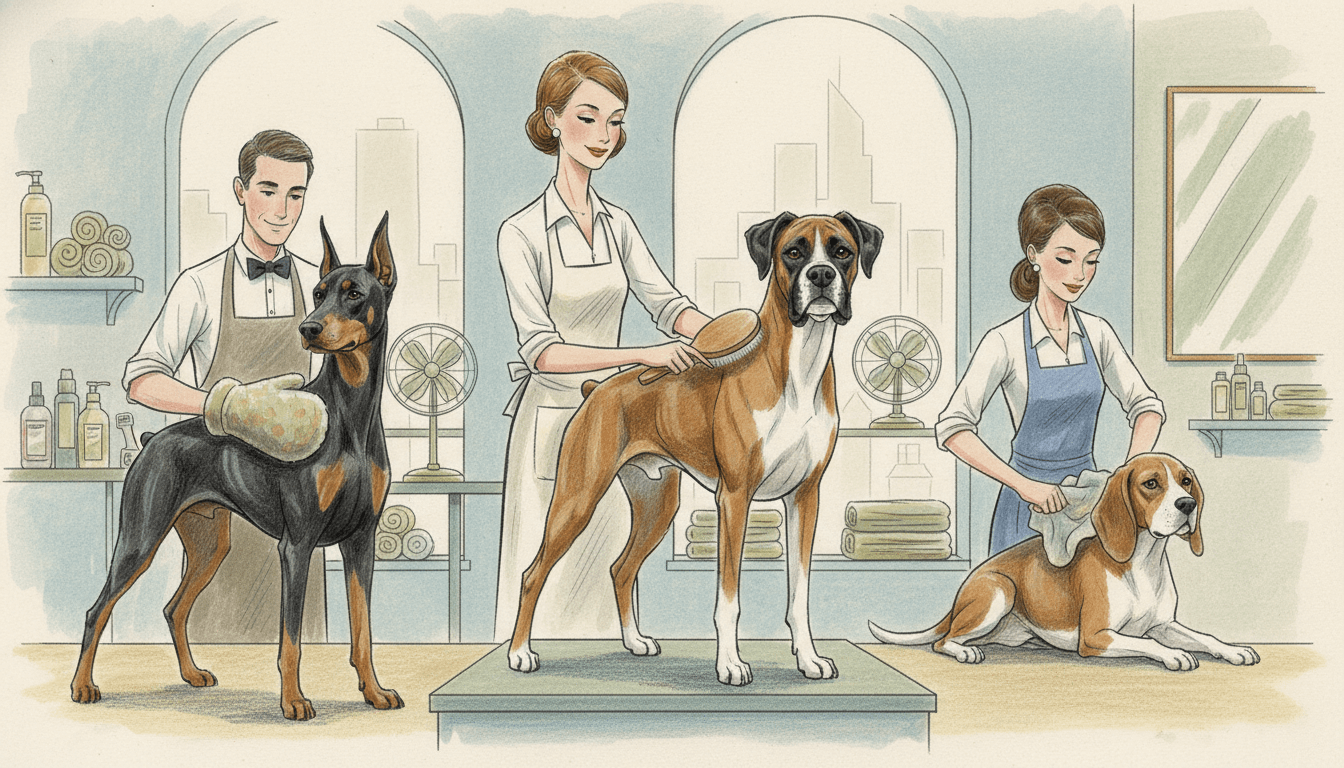
Short-Haired Breed Grooming Approach: Essential Techniques for Sleek Coats
Short-haired breeds like Boxers, Beagles, and Dobermans feature dense, sleek coats that demand consistent but minimal grooming. Weekly brushing with bristle or rubber brushes removes loose hair, distributes natural oils for shine, and reduces shedding by up to 30%. Bathing should be infrequent, typically every 4-6 weeks, to preserve skin health. This guide outlines professional tools, step-by-step routines, and key maintenance tips to keep your dog's coat vibrant and healthy, emphasizing efficiency and preventive care.
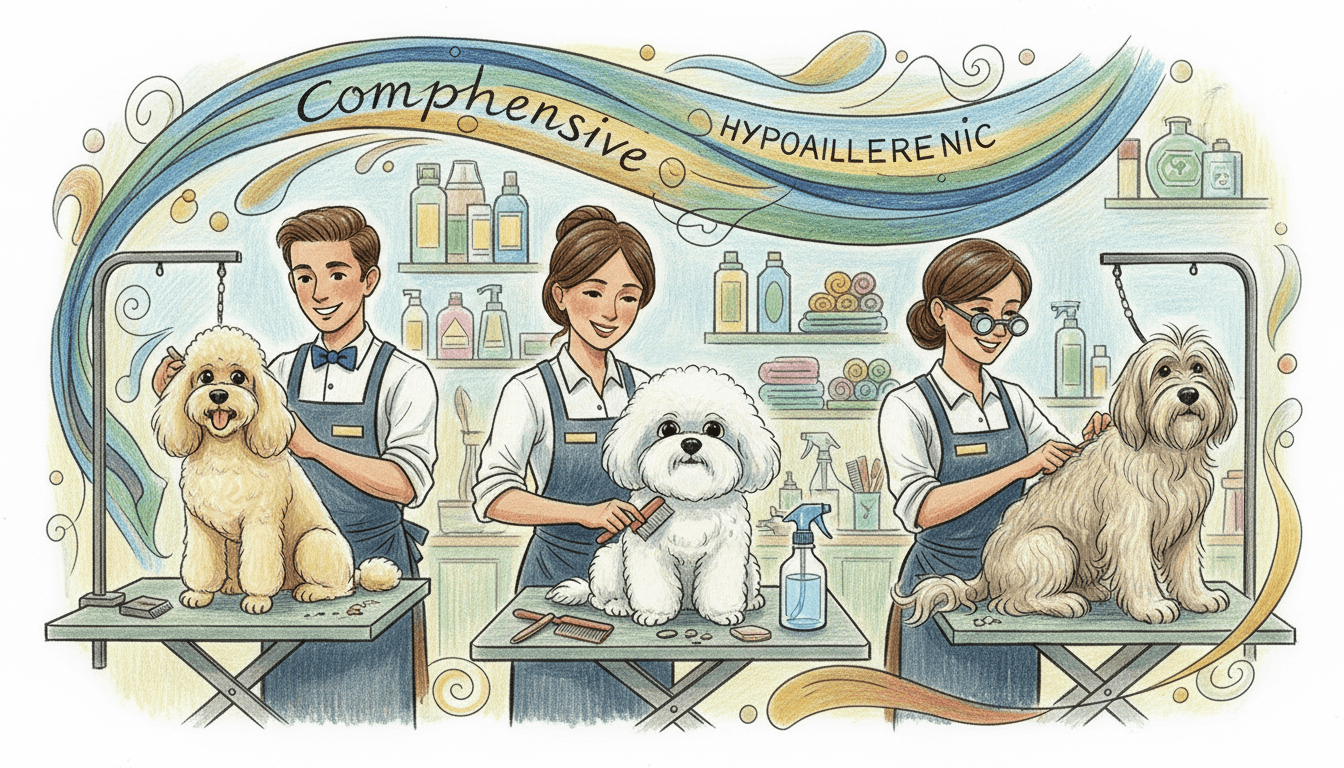
Comprehensive Hypoallergenic Breed Grooming Approach
Hypoallergenic breeds like Poodles, Bichon Frises, and Portuguese Water Dogs require specialized grooming to maintain their low-shedding coats and minimize allergens. Essential practices include daily brushing with slicker brushes, professional grooming every 6-8 weeks, and meticulous ear cleaning to prevent infections. Using hypoallergenic shampoos and conditioners helps preserve coat texture and reduce allergenic particles. This guide details techniques, product recommendations, and schedules to ensure your pet remains healthy and comfortable while reducing allergic reactions in sensitive households.
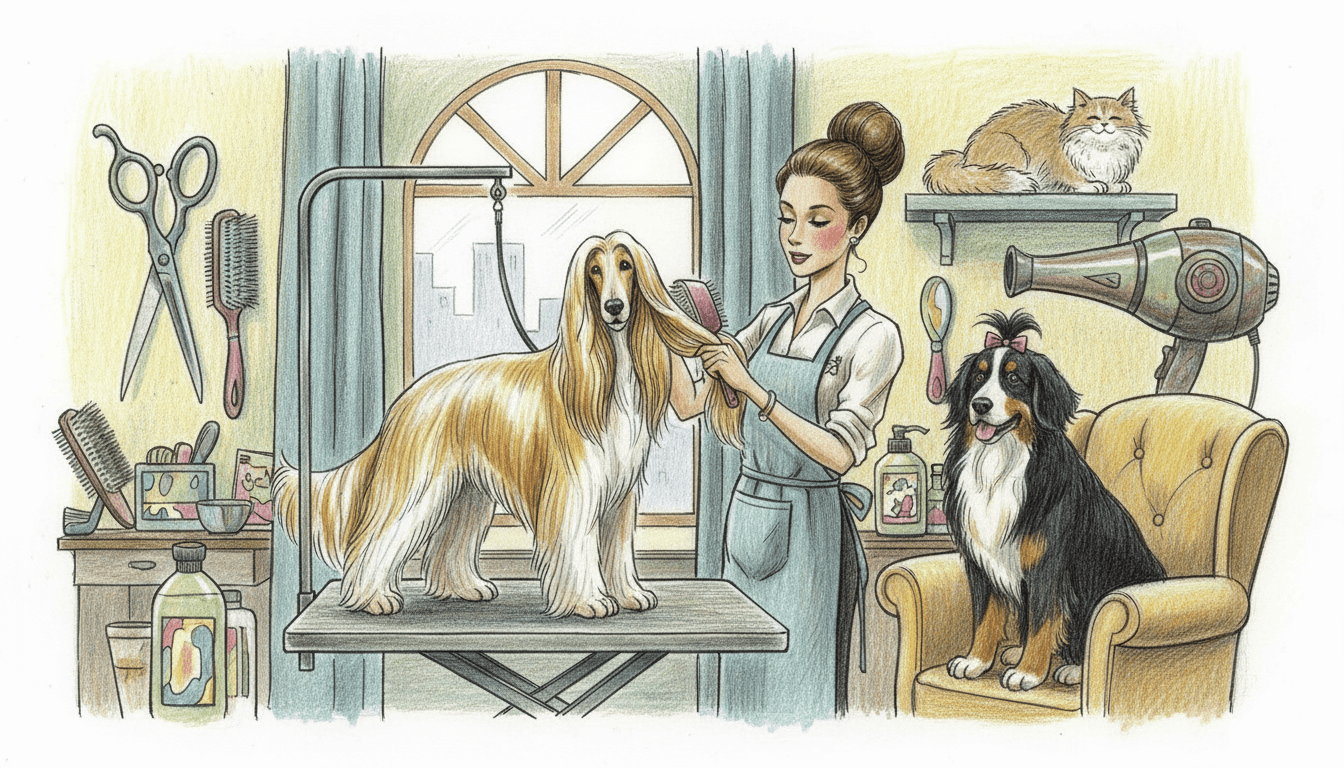
Expert Long-Haired Breed Grooming Techniques for Optimal Coat Health
Proper grooming for long-haired breeds is essential to prevent matting, tangles, and skin issues. This guide emphasizes daily brushing using tools like slicker brushes and metal combs, professional trimming every 4-6 weeks, and breed-specific care for Shih Tzus, Yorkshire Terriers, and Afghan Hounds. Learn step-by-step techniques, recommended products, and maintenance schedules to keep your pet's coat healthy, shiny, and manageable while reducing shedding and discomfort.
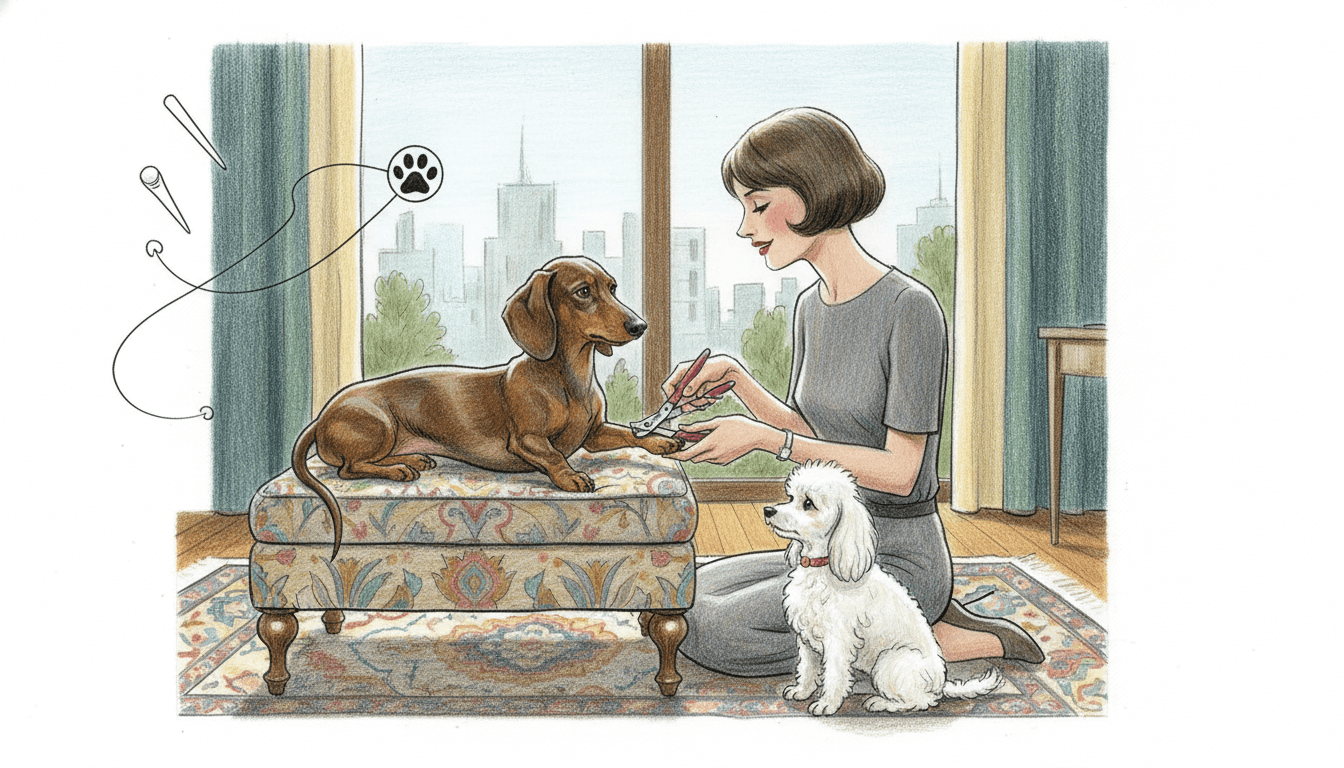
Nail Care and Paw Maintenance: Essential Techniques for Canine Health
Regular nail trimming is critical for a dog's comfort, mobility, and overall health. This guide covers professional techniques for paw handling, selecting appropriate nail clippers like guillotine-style and scissor-style tools, and maintaining optimal nail length. Considerations include dog size, nail growth rate, and owner confidence. Proper care prevents issues like joint stress, paw deformities, and injuries, ensuring your pet remains active and pain-free with routine maintenance.
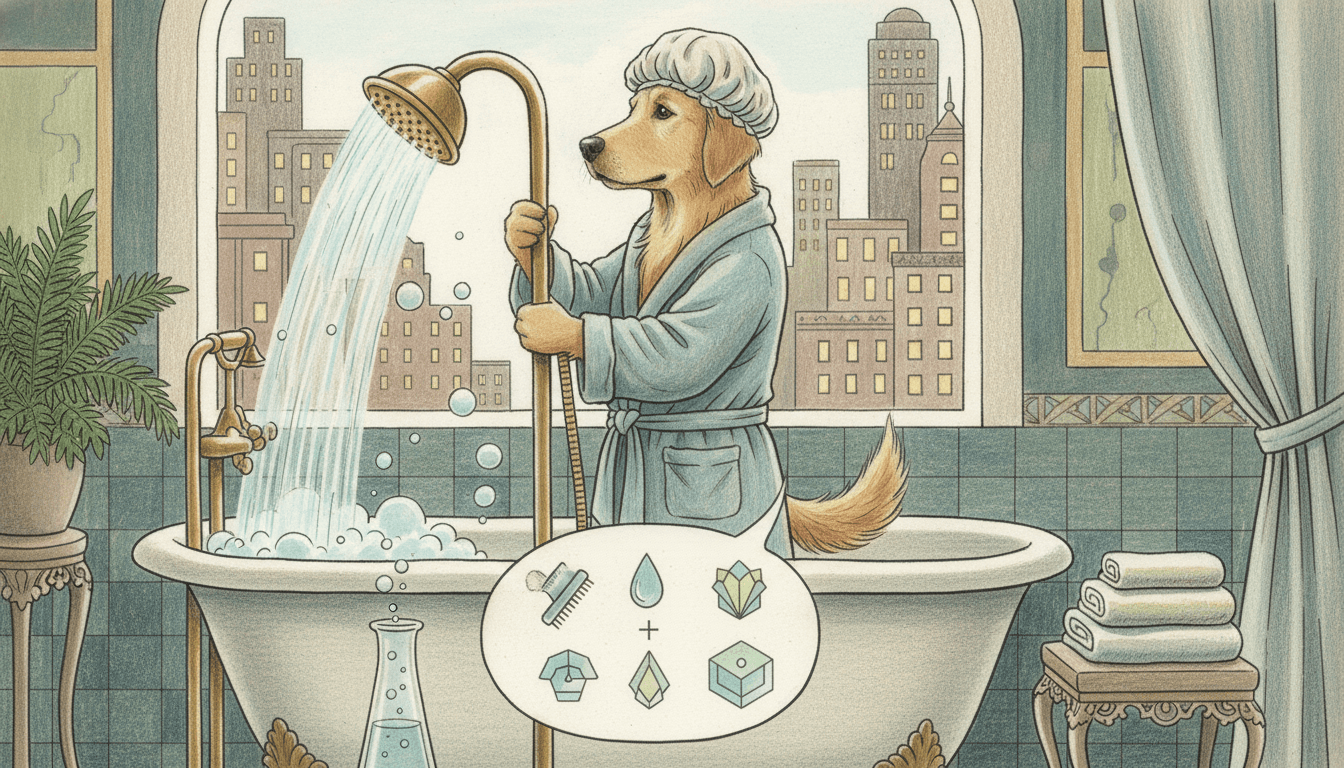
Bathing and Washing Techniques for Optimal Canine Coat Health
Proper bathing is essential for maintaining a dog's coat health and overall hygiene, with techniques varying by breed, coat type, and lifestyle. Use lukewarm water and dog-specific shampoos to prevent skin irritation, and follow steps like pre-bath brushing, thorough rinsing, and complete drying. Frequency ranges from every 2-4 weeks for long-coated breeds to every 4-6 weeks for short-coated ones, adjusted based on activity levels. This guide provides comprehensive instructions to ensure your pet's comfort and well-being.
Comprehensive Dog Coat Grooming Guide: Mastering Breed-Specific Techniques
This definitive guide offers expert-backed strategies for maintaining optimal coat health across all dog breeds. Learn specialized grooming methods for short-haired, long-haired, double-coated, curly-coated, and wire-coated varieties, with precise brushing frequencies of 1-4 times weekly and professional grooming intervals of 4-8 weeks. Discover essential tools, step-by-step techniques, and preventive measures against matting, shedding, and skin issues. Veterinary and grooming professionals emphasize tailoring care to individual coat characteristics for lifelong coat vitality and canine comfort.

Ear and Dental Grooming Importance for Dogs: A Comprehensive Guide
Proper ear and dental grooming are essential for maintaining a dog's overall health and preventing serious medical conditions. Regular ear cleaning helps prevent infections, removes debris, and allows for early detection of abnormalities, while brushing teeth 2–3 times weekly with dog-specific tools combats plaque buildup and reduces the risk of periodontal disease. This guide details breed-specific techniques, veterinary-recommended practices, and actionable steps to integrate these routines into your pet care regimen, ensuring long-term wellness and comfort for your canine companion.
Effective Grooming Stress Reduction Techniques for Dogs
Reducing stress during grooming is vital for fostering a positive experience for dogs and owners alike. This guide explores proven strategies, including early introduction to grooming tools and environments, consistent positive reinforcement with treats and praise, and gradual desensitization to handling. We cover breed-specific temperament considerations, such as managing high-energy breeds and anxious personalities, and emphasize patience and gentle techniques. By implementing short, frequent sessions in a calm setting, you can minimize anxiety, build trust, and ensure your dog's grooming routine is safe and enjoyable.

Long and Silky Coat Grooming Guide: Essential Care for Afghan Hounds, Yorkshire Terriers, and Maltese
This comprehensive guide offers detailed grooming instructions for breeds with long, silky coats, including Afghan Hounds, Yorkshire Terriers, and Maltese. Emphasizing daily brushing, regular professional trimming every 4–6 weeks, and the use of specialized tools like slicker brushes and detangling combs, it covers techniques to prevent matting and maintain coat health. Recommendations include avoiding overbathing and following expert tips from professional grooming associations to preserve the coat's elegant appearance.

Seasonal Grooming Considerations for Dogs: Managing Coat Health Through Changing Weather
Dogs' grooming needs evolve with the seasons, especially for double-coated breeds. This guide covers how to manage seasonal shedding, protect coats during temperature shifts, and adjust grooming frequency. Learn techniques for spring shedding, summer heat protection, and winter coat maintenance to ensure your dog's comfort. With insights on undercoat management and skin protection, you can maintain optimal coat health year-round using professional methods.

Double-Coated Breed Grooming Techniques: Complete Guide for Siberian Huskies, Golden Retrievers, and Shetland Sheepdogs
This comprehensive guide covers essential grooming techniques for double-coated dog breeds, focusing on Siberian Huskies, Golden Retrievers, and Shetland Sheepdogs. Learn to manage the unique two-layer fur system with a dense undercoat and protective topcoat using specialized tools like undercoat rakes and slicker brushes. Understand seasonal shedding patterns in Spring and Fall, proper bathing frequency of 3-4 times annually, and why shaving should be avoided to preserve natural insulation and protection. Follow professional methods to maintain coat health, reduce shedding, and enhance your dog's comfort.
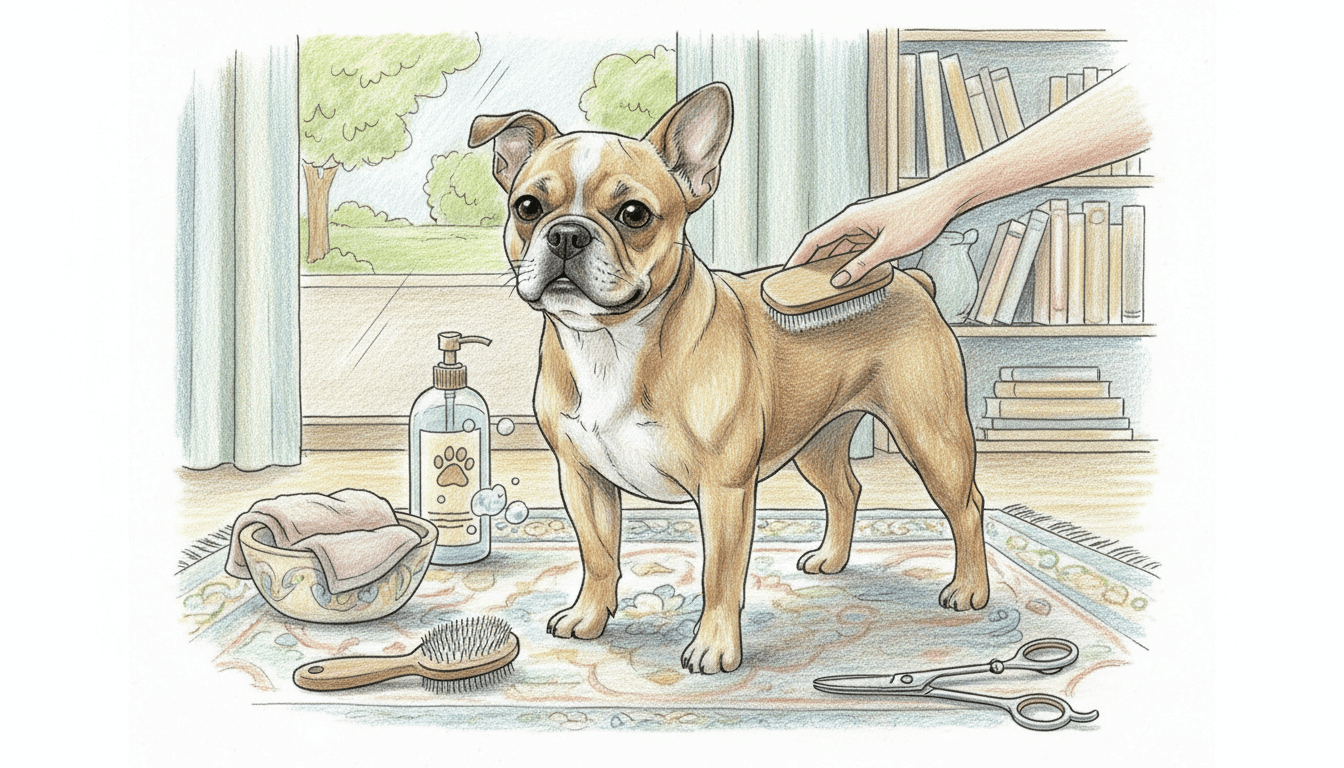
Short-Haired Breed Grooming Essentials: A Professional Guide for Boxers, Beagles, and Dalmatians
This comprehensive guide covers essential grooming practices for short-haired dog breeds, emphasizing weekly brushing with bristle or rubber brushes to distribute natural oils, remove loose hair, and minimize shedding. Learn optimal bathing intervals of 4-6 weeks, proper tool selection, and techniques to maintain coat health without over-stripping oils. Veterinary grooming experts recommend these methods to reduce allergens, prevent skin issues, and keep breeds like Boxers, Beagles, and Dalmatians looking and feeling their best with minimal effort.
Essential Grooming Tools and Equipment for Optimal Dog Care
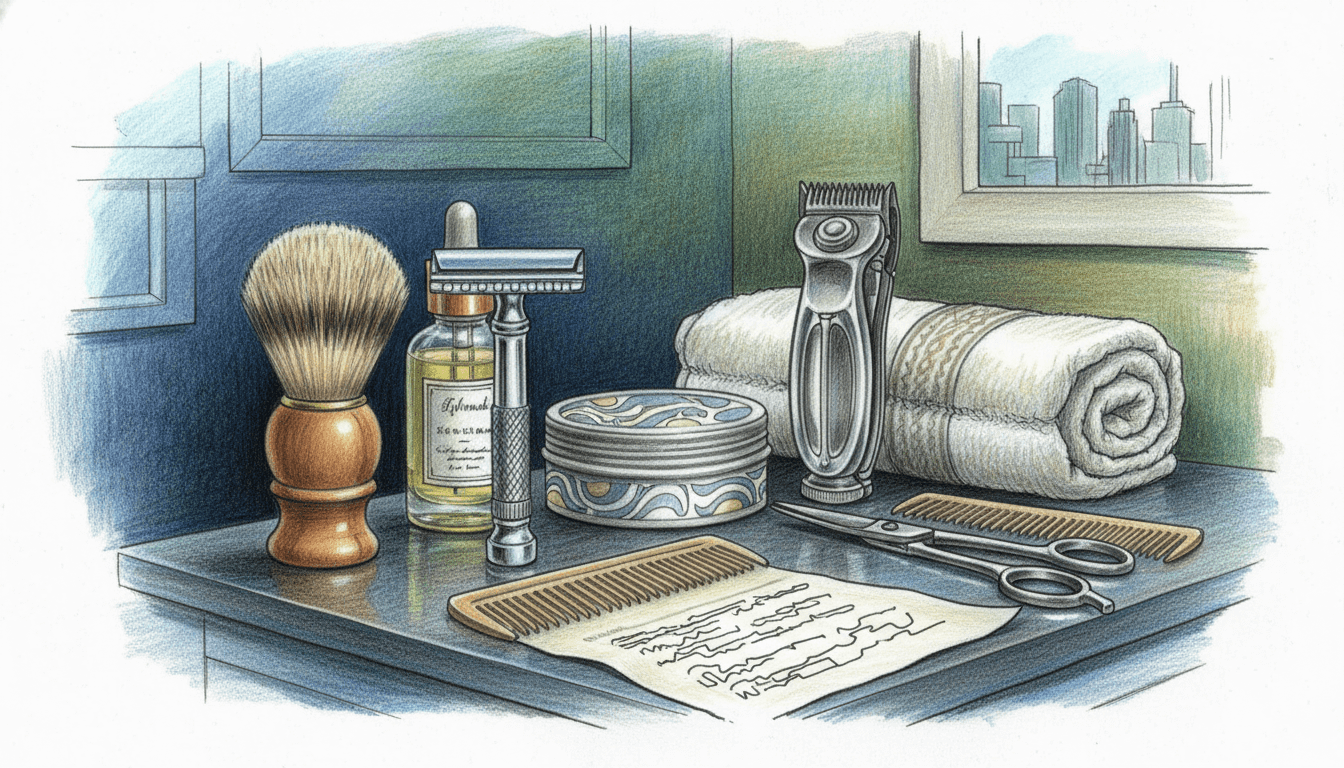
This guide provides a thorough examination of essential grooming tools and equipment tailored for various dog breeds and coat types. By selecting appropriate brushes, nail clippers, scissors, shampoos, and dryers based on coat type, breed characteristics, and temperament, pet owners can ensure efficient grooming, prevent discomfort, and maintain coat health. Investing in high-quality equipment and adhering to regular maintenance routines are critical for long-term effectiveness and the well-being of your canine companion.
Advanced Grooming for Curly and Wire-Coated Breeds: Techniques and Tools
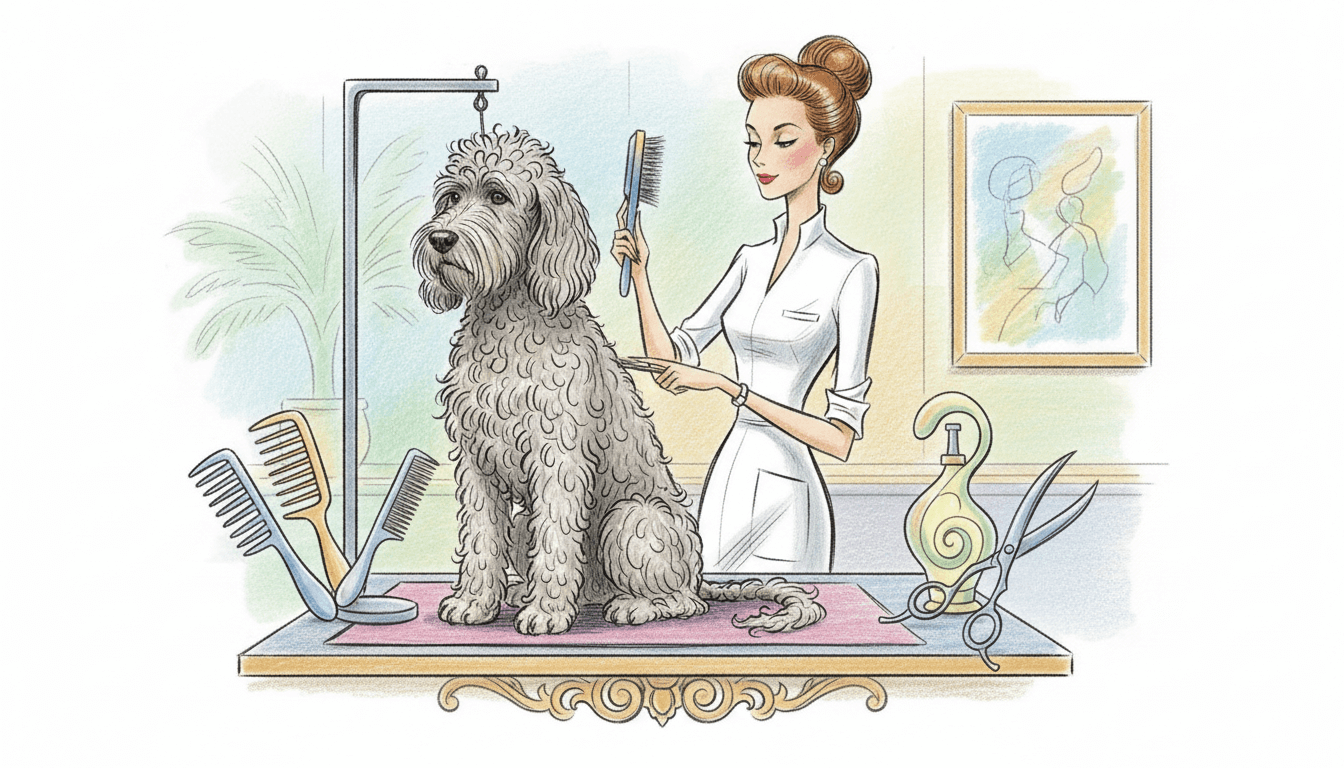
This comprehensive guide covers specialized grooming techniques for breeds with curly or wire-coated fur, including Poodles, Bichon Frises, Scottish Terriers, and Portuguese Water Dogs. Learn about daily brushing routines, hand-stripping methods for wire coats, and why clipping should be avoided. With recommended tools like slicker brushes and stripping combs, and professional grooming every 4-8 weeks, this guide helps maintain coat texture, prevent matting, and ensure your pet's comfort. Based on expert advice from Professional Grooming Associations, it provides actionable steps for optimal coat health.