
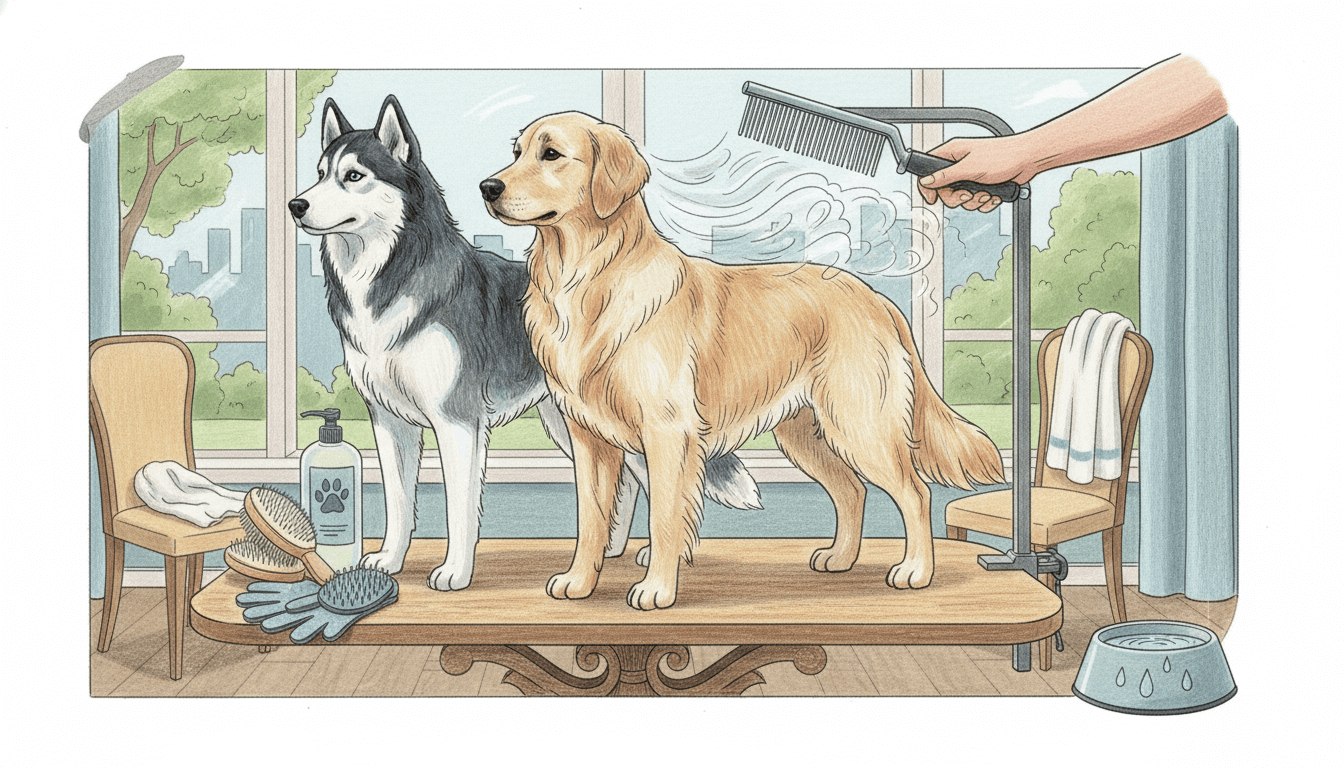
Double-coated dogs feature a unique two-layer fur system comprising a soft, dense undercoat for insulation and a longer, coarser topcoat for protection against elements. This structure, found in breeds such as Siberian Huskies, Golden Retrievers, and Shetland Sheepdogs, necessitates specialized grooming to prevent matting, control shedding, and maintain the coat's natural functions. Proper care involves using specific tools like undercoat rakes and slicker brushes, adhering to a grooming frequency of 3-4 times annually, and avoiding practices like full shaving that can disrupt temperature regulation and skin health. This guide provides comprehensive insights into effective grooming strategies, backed by professional expertise.
Specifications
Details
Coat Structure
The double coat consists of an undercoat made of short, fine hairs that provide insulation by trapping air, and a topcoat of longer, water-resistant guard hairs that shield against UV rays, dirt, and moisture. This dual-layer system helps regulate body temperature in both hot and cold climates, making it vital for breeds adapted to varying environments.
Grooming Techniques
Begin with an undercoat rake to remove loose undercoat fur, especially during peak shedding seasons in spring and fall. Follow with a slicker brush to detangle the topcoat and distribute natural oils. Use a de-shedding tool for thorough removal of dead hair, working in sections to avoid discomfort. Always brush in the direction of hair growth, and consider using a conditioning spray to reduce static and breakage. For bathing, use a mild dog shampoo and limit frequency to prevent stripping essential oils, focusing on areas like paws and underbelly if needed.
Why Avoid Shaving
Shaving a double-coated breed can permanently damage the coat structure, leading to irregular regrowth, increased risk of sunburn, overheating, and skin infections. The undercoat may grow back thicker while the topcoat becomes sparse, compromising the dog's ability to self-cool through panting and insulation. In extreme cases, shaving can cause alopecia or other dermatological issues, emphasizing the importance of brushing over cutting.
Seasonal Considerations
During shedding seasons, increase brushing frequency to 2-3 times weekly to manage excess fur and prevent matting. In winter, ensure the coat is dry after outdoor activities to avoid chill, and in summer, provide shade and hydration to support natural cooling. Regular grooming not only reduces shedding around the home but also promotes skin circulation and detects early signs of parasites or abnormalities.
Health Benefits
Consistent grooming supports overall health by preventing painful mats that can pull on skin, reducing the risk of hot spots and infections. It also allows for early detection of issues like fleas, ticks, or lumps, and strengthens the bond between owner and pet through positive handling experiences.
Comparison Points
Double-coated vs. single-coated breeds: Double coats require more intensive brushing tools and focus on undercoat management, whereas single coats may need less frequent grooming with general brushes.
Professional vs. at-home grooming: Professionals offer expertise in handling dense coats and specialized equipment, but owners can maintain care with proper tools and routine, saving costs and ensuring regular attention.
Shedding tools comparison: Undercoat rakes are ideal for penetrating thick undercoats, while slicker brushes excel at smoothing the topcoat; using both sequentially maximizes efficiency and coat health.
Important Notes
Always consult a veterinarian or professional groomer if you notice excessive shedding, skin irritation, or behavioral changes during grooming. Use positive reinforcement to acclimate your dog to grooming sessions, and never force tools that cause discomfort. For breeds with high energy, like Siberian Huskies, incorporate grooming into exercise routines to keep them calm. Remember, grooming is not just cosmetic—it's essential for your dog's health and comfort.
Related Articles
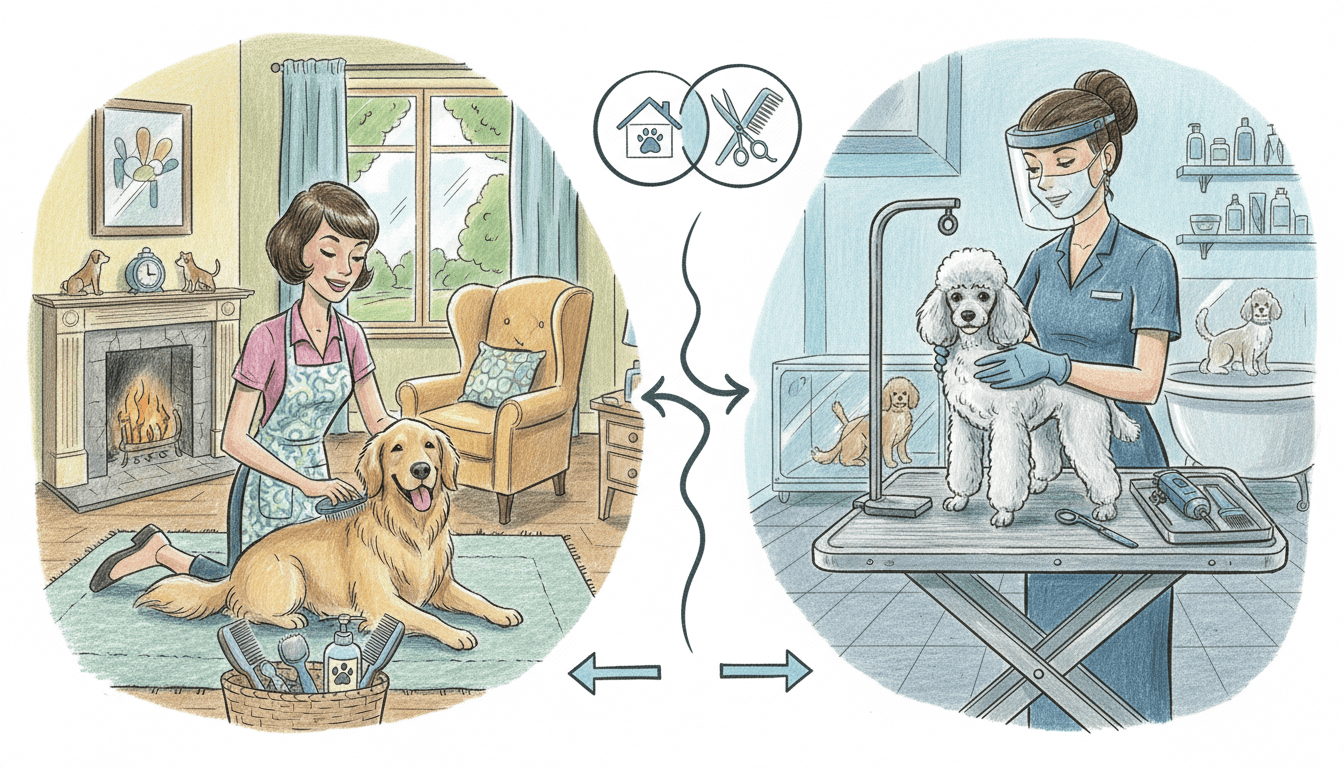
Professional vs. Home Grooming Considerations: Making the Right Choice for Your Dog
Choosing between professional grooming and home care requires evaluating your dog's coat type, breed-specific needs, and your own grooming skills. Professional groomers offer expert services like breed-specific haircuts, skin health assessments, and anal gland expression, which are essential for complex coats or health-related grooming. Home grooming can be cost-effective for basic maintenance but may lack the precision and diagnostic benefits of professional care. This guide details key factors, including when to seek professional help for difficult temperaments or specialized styling, ensuring your pet's comfort and well-being.
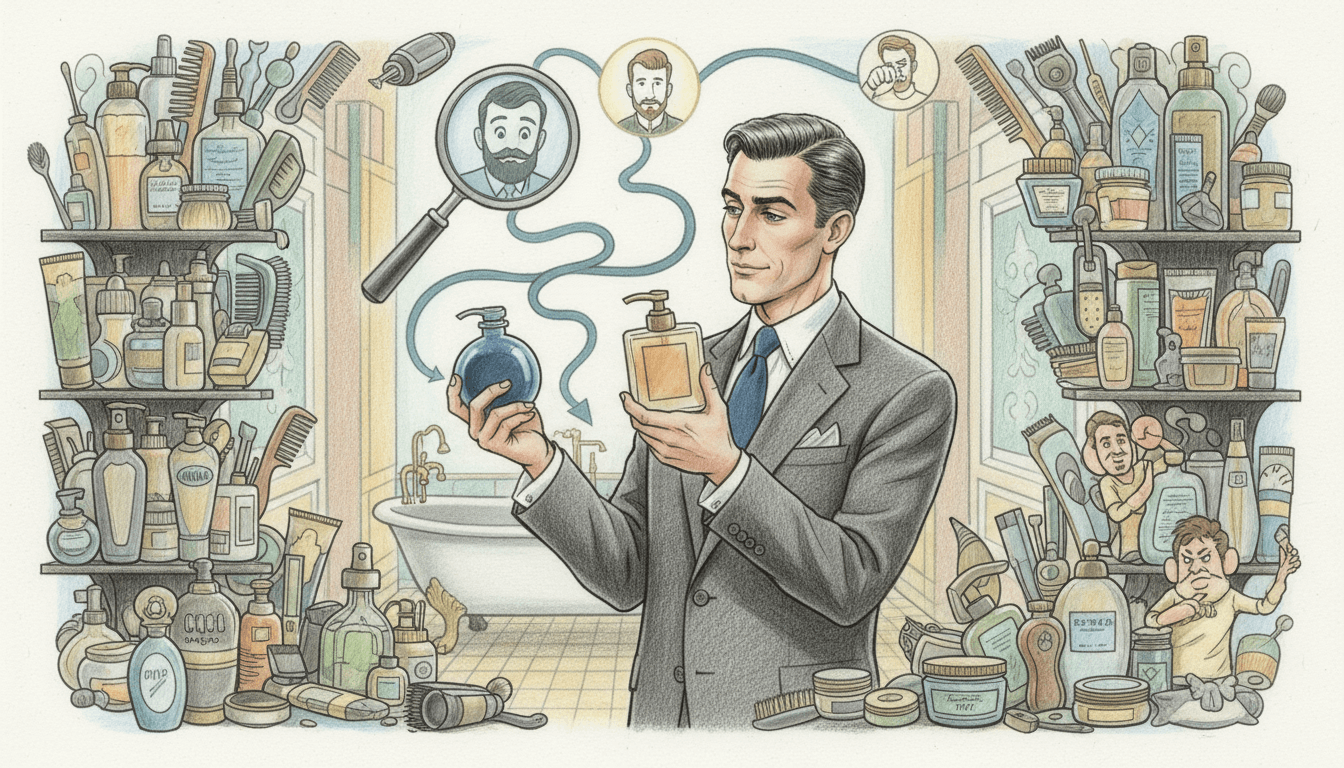
Grooming Product Selection Guide: Optimizing Canine Coat Health and Skin Care
Choosing appropriate grooming products is essential for maintaining a dog's coat health, skin integrity, and overall wellness. This guide emphasizes breed-specific considerations, skin sensitivity, and using gentle, high-quality formulations. Key product categories include shampoos, conditioners, detangling sprays, and coat enhancers, selected based on coat type, skin condition, allergies, and specific concerns. With insights from Veterinary Grooming Product Experts, learn to navigate the grooming market for optimal pet care.

Curly-Coated Breed Grooming Guide: Mastering Maintenance for Poodles, Bichons, and Portuguese Water Dogs
This comprehensive guide details essential grooming practices for curly-coated breeds like Poodles, Bichon Frises, and Portuguese Water Dogs. Learn the importance of daily brushing with slicker brushes, using detangling sprays, and scheduling professional trimming every 4–6 weeks to prevent matting, maintain coat texture, and ensure overall skin health. These low-shedding breeds require precise, consistent care to keep their dense curls manageable, hygienic, and aesthetically pleasing. Adhering to these protocols helps avoid common issues such as tangles and skin infections.

Mixed-Breed Dog Grooming Challenges: Strategies for Diverse Coats and Temperaments
Mixed-breed dogs exhibit a wide range of coat types and temperaments due to their genetic diversity, making grooming a unique challenge. This guide details how to assess individual characteristics like double coats, wiry textures, or shedding patterns inherited from various breeds. By adapting grooming techniques to the dog's specific needs—using tools like slicker brushes, undercoat rakes, and gentle clippers—owners can maintain optimal coat health. Emphasizing patience and flexibility, the approach covers desensitization methods for anxious dogs and customized routines that reduce grooming stress by up to 40%, ensuring a positive experience for both pet and groomer.
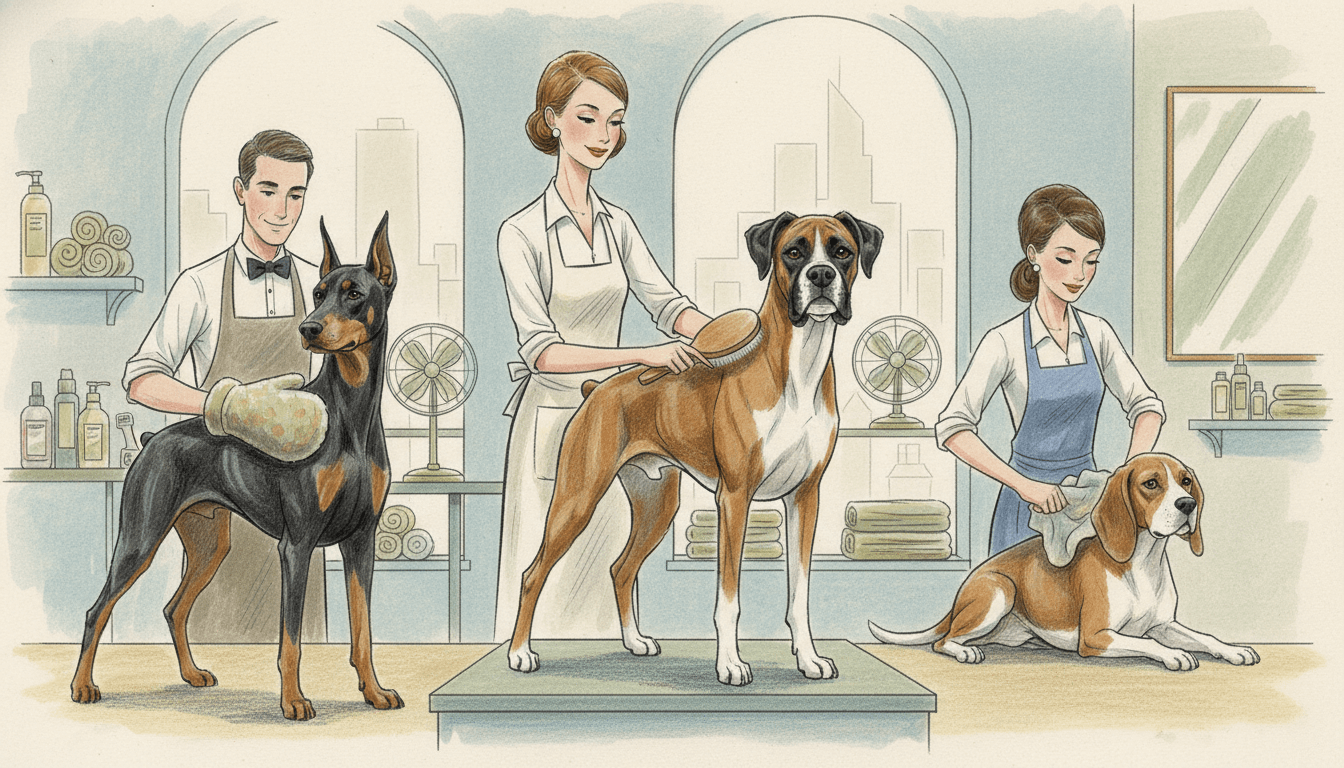
Short-Haired Breed Grooming Approach: Essential Techniques for Sleek Coats
Short-haired breeds like Boxers, Beagles, and Dobermans feature dense, sleek coats that demand consistent but minimal grooming. Weekly brushing with bristle or rubber brushes removes loose hair, distributes natural oils for shine, and reduces shedding by up to 30%. Bathing should be infrequent, typically every 4-6 weeks, to preserve skin health. This guide outlines professional tools, step-by-step routines, and key maintenance tips to keep your dog's coat vibrant and healthy, emphasizing efficiency and preventive care.
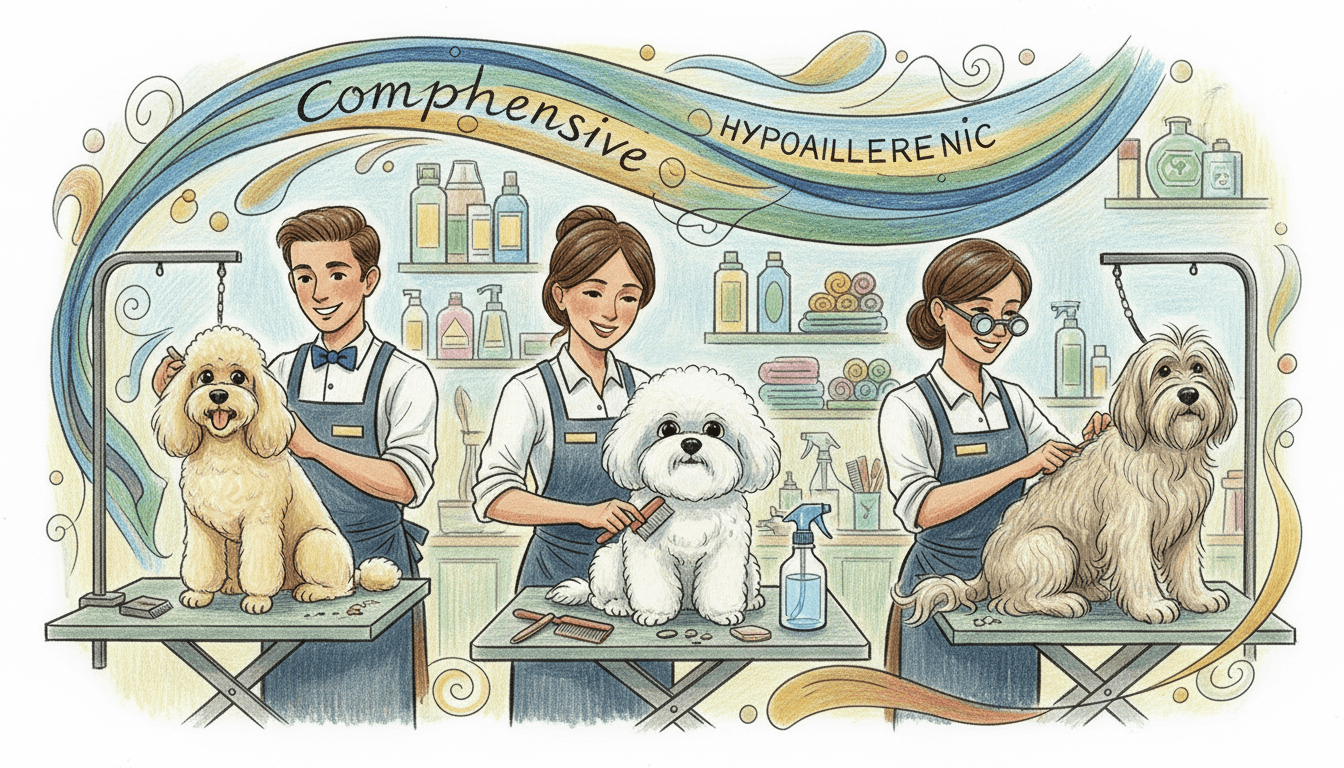
Comprehensive Hypoallergenic Breed Grooming Approach
Hypoallergenic breeds like Poodles, Bichon Frises, and Portuguese Water Dogs require specialized grooming to maintain their low-shedding coats and minimize allergens. Essential practices include daily brushing with slicker brushes, professional grooming every 6-8 weeks, and meticulous ear cleaning to prevent infections. Using hypoallergenic shampoos and conditioners helps preserve coat texture and reduce allergenic particles. This guide details techniques, product recommendations, and schedules to ensure your pet remains healthy and comfortable while reducing allergic reactions in sensitive households.
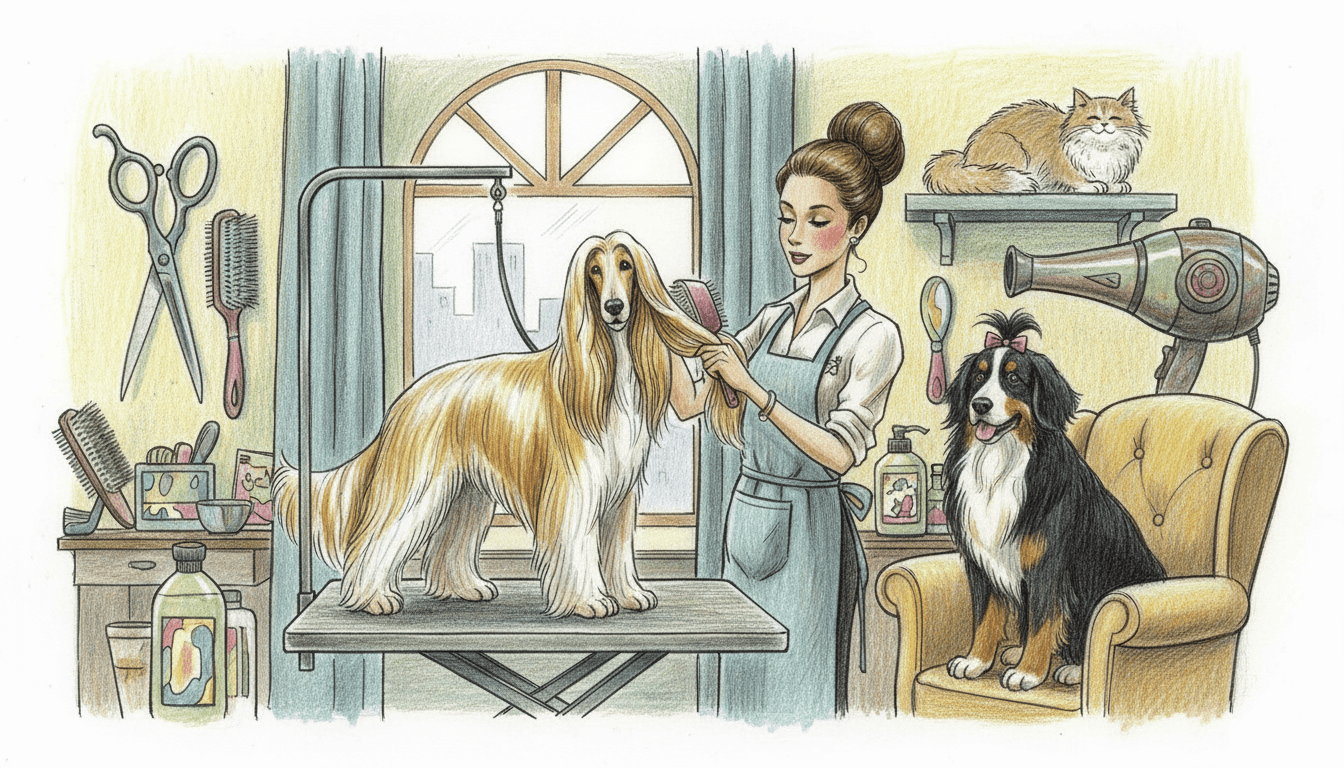
Expert Long-Haired Breed Grooming Techniques for Optimal Coat Health
Proper grooming for long-haired breeds is essential to prevent matting, tangles, and skin issues. This guide emphasizes daily brushing using tools like slicker brushes and metal combs, professional trimming every 4-6 weeks, and breed-specific care for Shih Tzus, Yorkshire Terriers, and Afghan Hounds. Learn step-by-step techniques, recommended products, and maintenance schedules to keep your pet's coat healthy, shiny, and manageable while reducing shedding and discomfort.
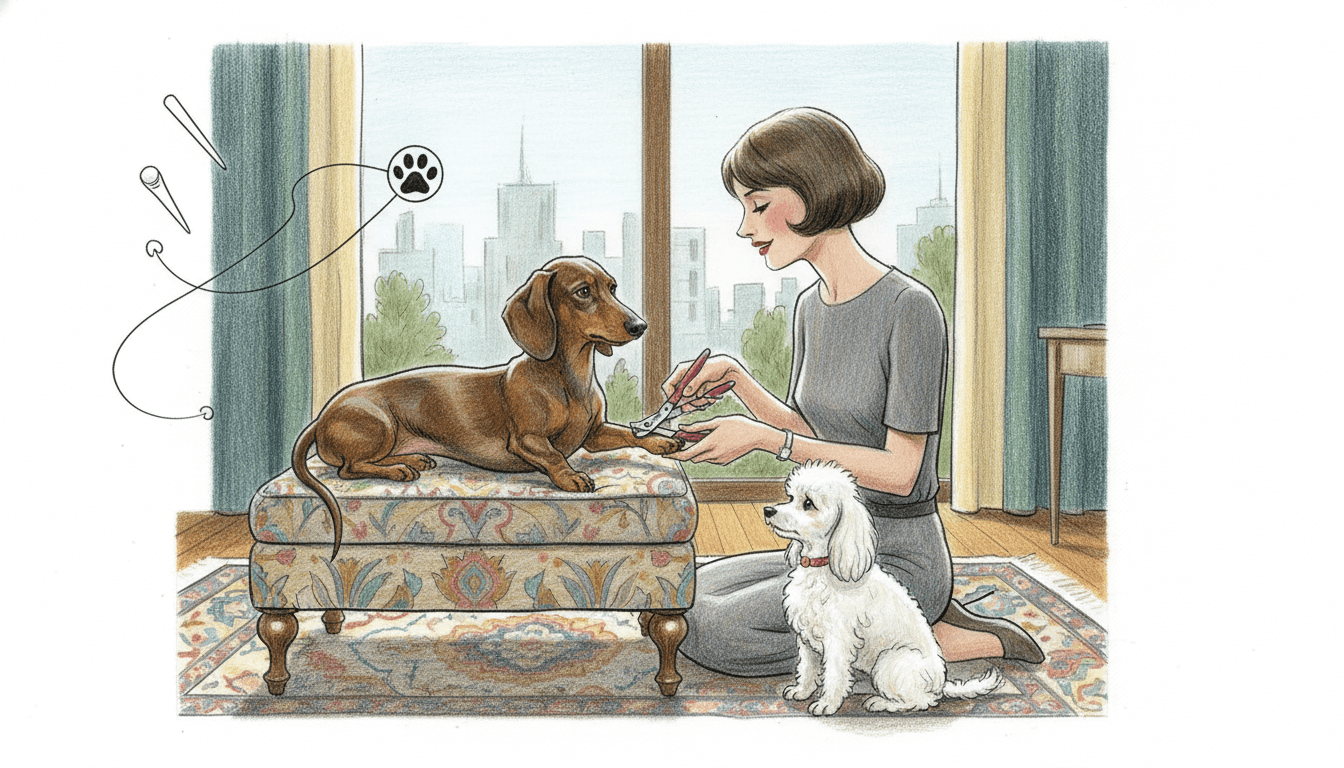
Nail Care and Paw Maintenance: Essential Techniques for Canine Health
Regular nail trimming is critical for a dog's comfort, mobility, and overall health. This guide covers professional techniques for paw handling, selecting appropriate nail clippers like guillotine-style and scissor-style tools, and maintaining optimal nail length. Considerations include dog size, nail growth rate, and owner confidence. Proper care prevents issues like joint stress, paw deformities, and injuries, ensuring your pet remains active and pain-free with routine maintenance.
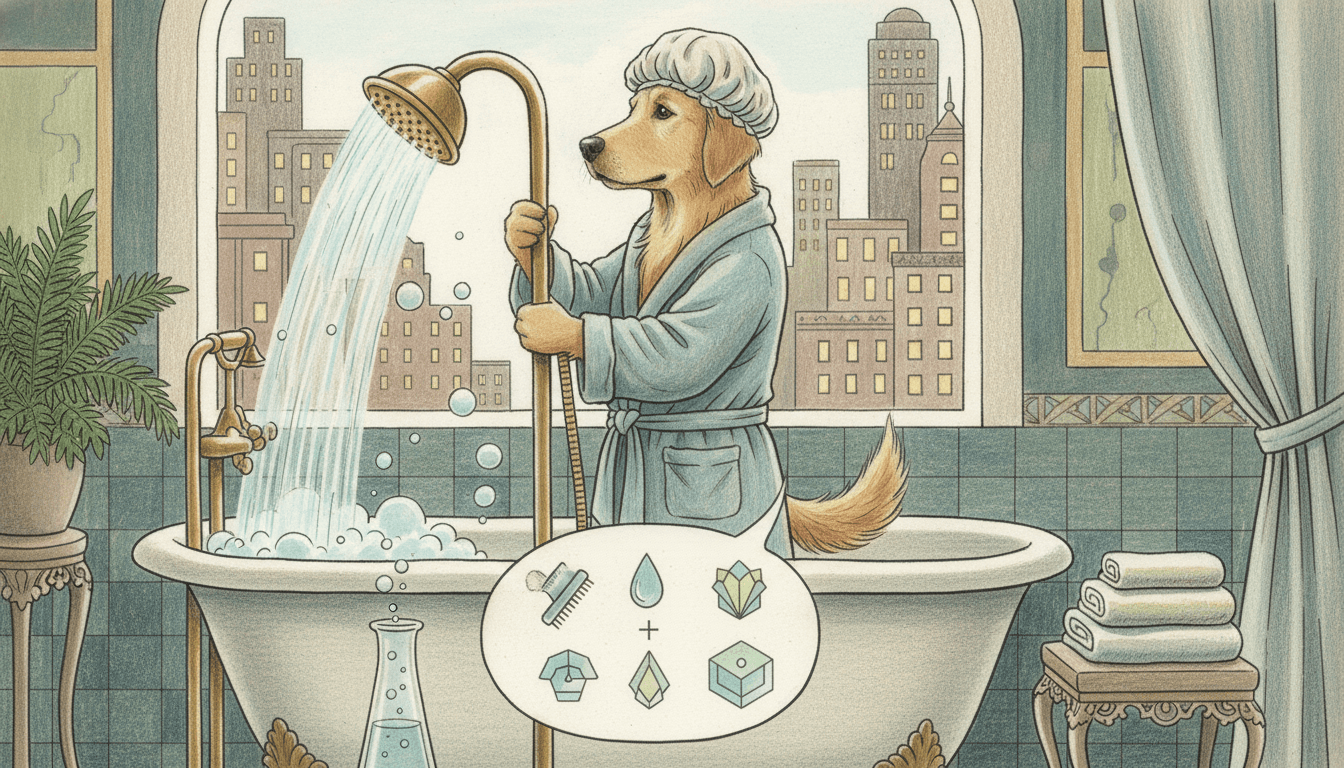
Bathing and Washing Techniques for Optimal Canine Coat Health
Proper bathing is essential for maintaining a dog's coat health and overall hygiene, with techniques varying by breed, coat type, and lifestyle. Use lukewarm water and dog-specific shampoos to prevent skin irritation, and follow steps like pre-bath brushing, thorough rinsing, and complete drying. Frequency ranges from every 2-4 weeks for long-coated breeds to every 4-6 weeks for short-coated ones, adjusted based on activity levels. This guide provides comprehensive instructions to ensure your pet's comfort and well-being.
Comprehensive Dog Coat Grooming Guide: Mastering Breed-Specific Techniques
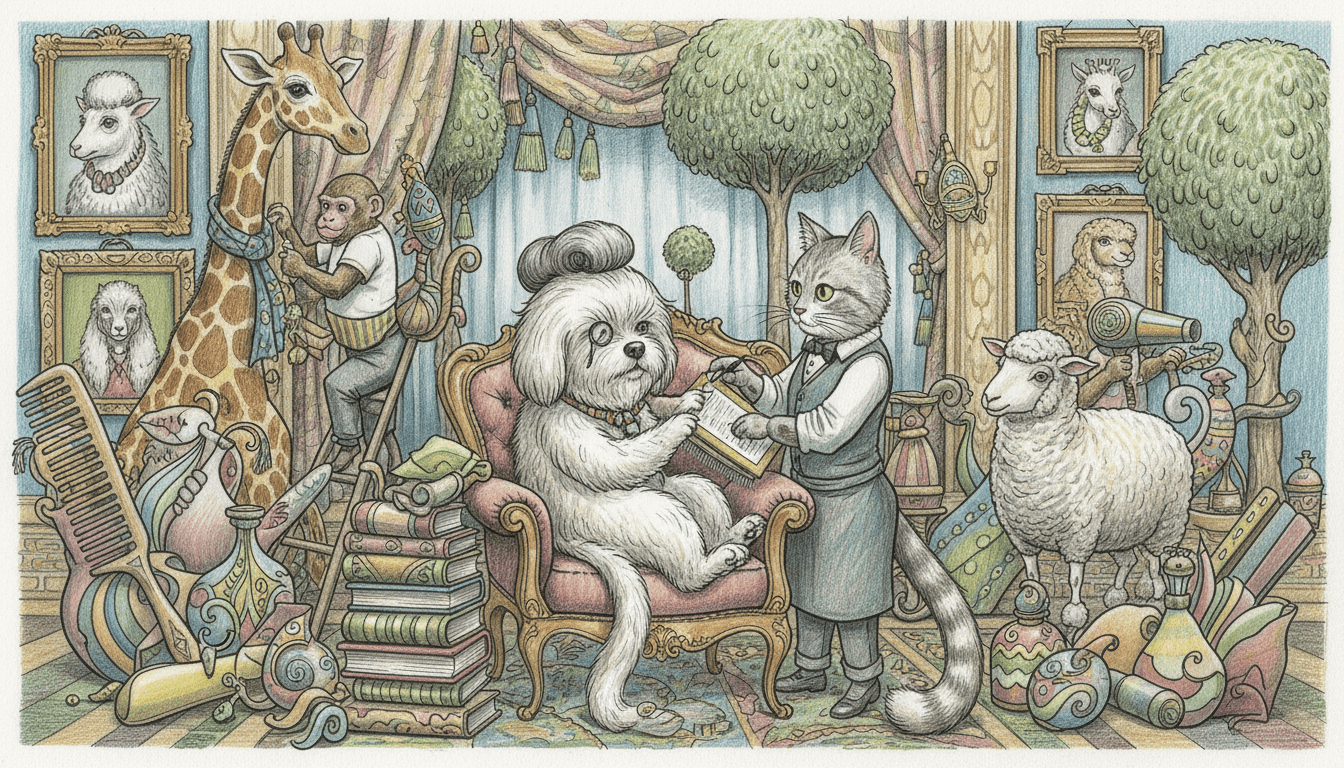
This definitive guide offers expert-backed strategies for maintaining optimal coat health across all dog breeds. Learn specialized grooming methods for short-haired, long-haired, double-coated, curly-coated, and wire-coated varieties, with precise brushing frequencies of 1-4 times weekly and professional grooming intervals of 4-8 weeks. Discover essential tools, step-by-step techniques, and preventive measures against matting, shedding, and skin issues. Veterinary and grooming professionals emphasize tailoring care to individual coat characteristics for lifelong coat vitality and canine comfort.

Ear and Dental Grooming Importance for Dogs: A Comprehensive Guide
Proper ear and dental grooming are essential for maintaining a dog's overall health and preventing serious medical conditions. Regular ear cleaning helps prevent infections, removes debris, and allows for early detection of abnormalities, while brushing teeth 2–3 times weekly with dog-specific tools combats plaque buildup and reduces the risk of periodontal disease. This guide details breed-specific techniques, veterinary-recommended practices, and actionable steps to integrate these routines into your pet care regimen, ensuring long-term wellness and comfort for your canine companion.
Effective Grooming Stress Reduction Techniques for Dogs
Reducing stress during grooming is vital for fostering a positive experience for dogs and owners alike. This guide explores proven strategies, including early introduction to grooming tools and environments, consistent positive reinforcement with treats and praise, and gradual desensitization to handling. We cover breed-specific temperament considerations, such as managing high-energy breeds and anxious personalities, and emphasize patience and gentle techniques. By implementing short, frequent sessions in a calm setting, you can minimize anxiety, build trust, and ensure your dog's grooming routine is safe and enjoyable.

Long and Silky Coat Grooming Guide: Essential Care for Afghan Hounds, Yorkshire Terriers, and Maltese
This comprehensive guide offers detailed grooming instructions for breeds with long, silky coats, including Afghan Hounds, Yorkshire Terriers, and Maltese. Emphasizing daily brushing, regular professional trimming every 4–6 weeks, and the use of specialized tools like slicker brushes and detangling combs, it covers techniques to prevent matting and maintain coat health. Recommendations include avoiding overbathing and following expert tips from professional grooming associations to preserve the coat's elegant appearance.

Seasonal Grooming Considerations for Dogs: Managing Coat Health Through Changing Weather
Dogs' grooming needs evolve with the seasons, especially for double-coated breeds. This guide covers how to manage seasonal shedding, protect coats during temperature shifts, and adjust grooming frequency. Learn techniques for spring shedding, summer heat protection, and winter coat maintenance to ensure your dog's comfort. With insights on undercoat management and skin protection, you can maintain optimal coat health year-round using professional methods.