
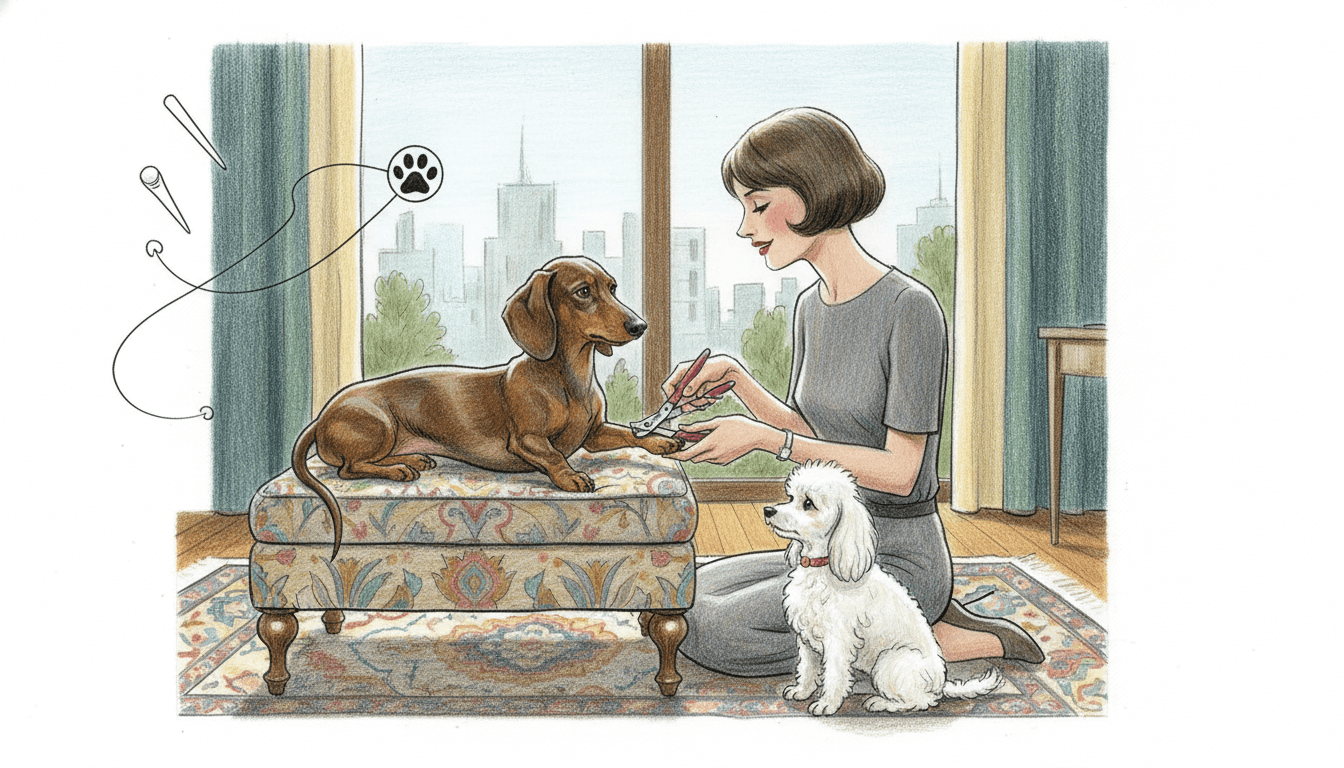
Nail care is a fundamental aspect of canine grooming that directly impacts a dog's posture, gait, and comfort. Overgrown nails can cause pain, alter walking patterns, and lead to skeletal issues over time. This guide provides a comprehensive approach to nail trimming, from acclimating your dog to paw handling to executing precise trims with the right tools. Emphasizing safety and consistency, it integrates veterinary recommendations to help owners maintain their pet's paws effectively, reducing anxiety for both dog and handler during grooming sessions.
Specifications
Details
Paw Handling Techniques
Start by gently touching your dog's paws during calm moments, gradually increasing pressure and duration. Reward with treats to create positive associations. Practice lifting each paw and inspecting nails, focusing on the quick—the sensitive blood vessel inside the nail. For dogs with dark nails, use a flashlight to identify the quick's approximate location. Regular handling reduces stress and prepares your dog for trimming.
Nail Clipper Selection
Choose clippers based on your dog's size and nail thickness. Guillotine-style clippers are ideal for small to medium breeds, offering a clean cut with a blade mechanism. Scissor-style clippers suit larger breeds or thick nails, providing leverage and control. Ensure blades are sharp to avoid crushing the nail. Test clippers on a piece of straw or similar material to gauge comfort before use on your dog.
Trimming Procedure
Position your dog comfortably, either standing or lying down. Hold the paw firmly but gently, and identify the quick—avoid cutting into it to prevent bleeding and pain. Trim small increments, angling the clippers at 45 degrees away from the quick. For dogs with fast-growing nails, trim more frequently but in smaller sections. If the quick is accidentally nicked, apply styptic powder immediately to stop bleeding. File rough edges post-trim to smooth the nail surface.
Post Trimming Care
Inspect nails for cracks or splits, and monitor for signs of discomfort like limping or licking. Clean clippers after each use to prevent infection. Schedule regular checks, especially for senior dogs or those with health conditions affecting nail growth, such as diabetes or arthritis.
Comparison Points
Important Notes
Consistency is key to successful nail care. Incorporate trimming into your regular grooming routine to maintain nail health. If unsure, consult a professional groomer or veterinarian for demonstrations. Always prioritize your dog's comfort, and never force a trimming session if your pet is overly anxious. Regular maintenance prevents long-term health issues and strengthens the bond between you and your pet.
Related Articles
Bathing and Washing Techniques for Optimal Canine Coat Health
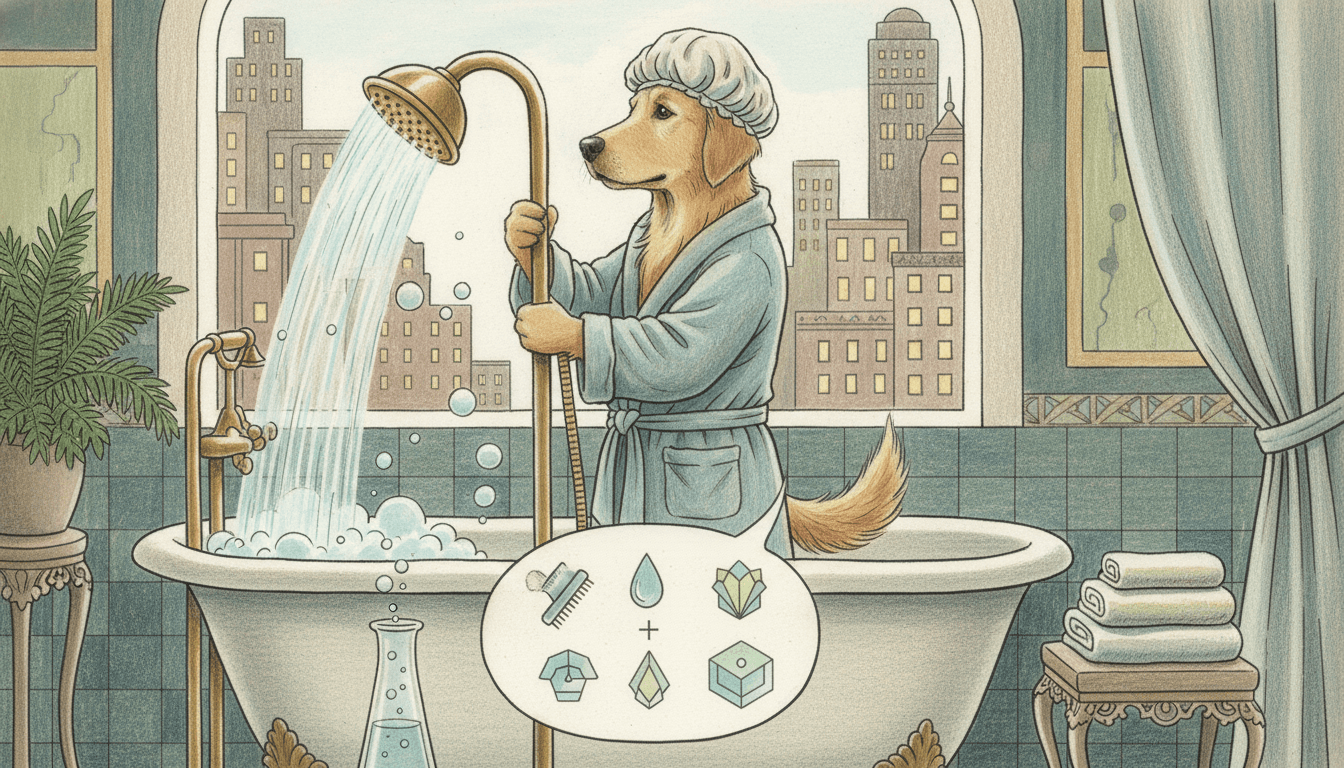
Proper bathing is essential for maintaining a dog's coat health and overall hygiene, with techniques varying by breed, coat type, and lifestyle. Use lukewarm water and dog-specific shampoos to prevent skin irritation, and follow steps like pre-bath brushing, thorough rinsing, and complete drying. Frequency ranges from every 2-4 weeks for long-coated breeds to every 4-6 weeks for short-coated ones, adjusted based on activity levels. This guide provides comprehensive instructions to ensure your pet's comfort and well-being.
Comprehensive Dog Coat Grooming Guide: Mastering Breed-Specific Techniques
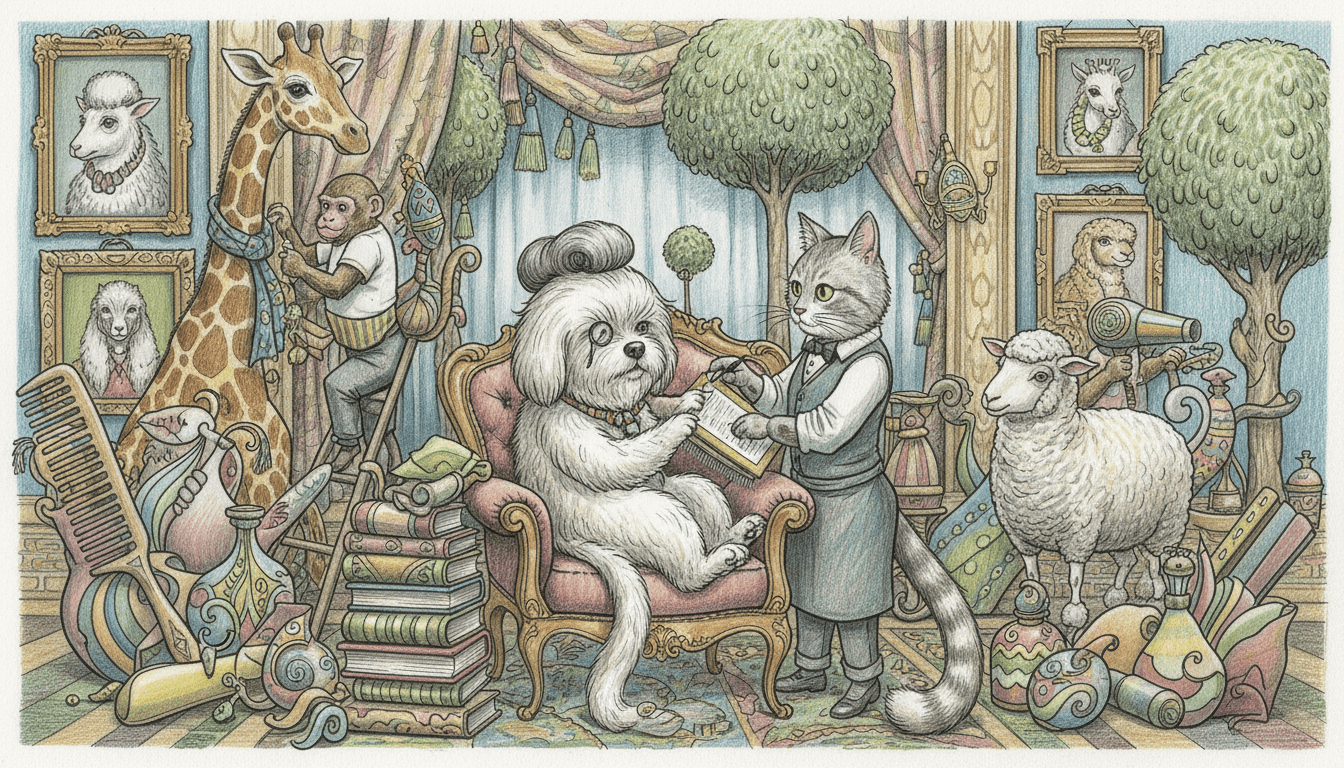
This definitive guide offers expert-backed strategies for maintaining optimal coat health across all dog breeds. Learn specialized grooming methods for short-haired, long-haired, double-coated, curly-coated, and wire-coated varieties, with precise brushing frequencies of 1-4 times weekly and professional grooming intervals of 4-8 weeks. Discover essential tools, step-by-step techniques, and preventive measures against matting, shedding, and skin issues. Veterinary and grooming professionals emphasize tailoring care to individual coat characteristics for lifelong coat vitality and canine comfort.

Ear and Dental Grooming Importance for Dogs: A Comprehensive Guide
Proper ear and dental grooming are essential for maintaining a dog's overall health and preventing serious medical conditions. Regular ear cleaning helps prevent infections, removes debris, and allows for early detection of abnormalities, while brushing teeth 2–3 times weekly with dog-specific tools combats plaque buildup and reduces the risk of periodontal disease. This guide details breed-specific techniques, veterinary-recommended practices, and actionable steps to integrate these routines into your pet care regimen, ensuring long-term wellness and comfort for your canine companion.
Effective Grooming Stress Reduction Techniques for Dogs
Reducing stress during grooming is vital for fostering a positive experience for dogs and owners alike. This guide explores proven strategies, including early introduction to grooming tools and environments, consistent positive reinforcement with treats and praise, and gradual desensitization to handling. We cover breed-specific temperament considerations, such as managing high-energy breeds and anxious personalities, and emphasize patience and gentle techniques. By implementing short, frequent sessions in a calm setting, you can minimize anxiety, build trust, and ensure your dog's grooming routine is safe and enjoyable.

Long and Silky Coat Grooming Guide: Essential Care for Afghan Hounds, Yorkshire Terriers, and Maltese
This comprehensive guide offers detailed grooming instructions for breeds with long, silky coats, including Afghan Hounds, Yorkshire Terriers, and Maltese. Emphasizing daily brushing, regular professional trimming every 4–6 weeks, and the use of specialized tools like slicker brushes and detangling combs, it covers techniques to prevent matting and maintain coat health. Recommendations include avoiding overbathing and following expert tips from professional grooming associations to preserve the coat's elegant appearance.

Seasonal Grooming Considerations for Dogs: Managing Coat Health Through Changing Weather
Dogs' grooming needs evolve with the seasons, especially for double-coated breeds. This guide covers how to manage seasonal shedding, protect coats during temperature shifts, and adjust grooming frequency. Learn techniques for spring shedding, summer heat protection, and winter coat maintenance to ensure your dog's comfort. With insights on undercoat management and skin protection, you can maintain optimal coat health year-round using professional methods.

Double-Coated Breed Grooming Techniques: Complete Guide for Siberian Huskies, Golden Retrievers, and Shetland Sheepdogs
This comprehensive guide covers essential grooming techniques for double-coated dog breeds, focusing on Siberian Huskies, Golden Retrievers, and Shetland Sheepdogs. Learn to manage the unique two-layer fur system with a dense undercoat and protective topcoat using specialized tools like undercoat rakes and slicker brushes. Understand seasonal shedding patterns in Spring and Fall, proper bathing frequency of 3-4 times annually, and why shaving should be avoided to preserve natural insulation and protection. Follow professional methods to maintain coat health, reduce shedding, and enhance your dog's comfort.
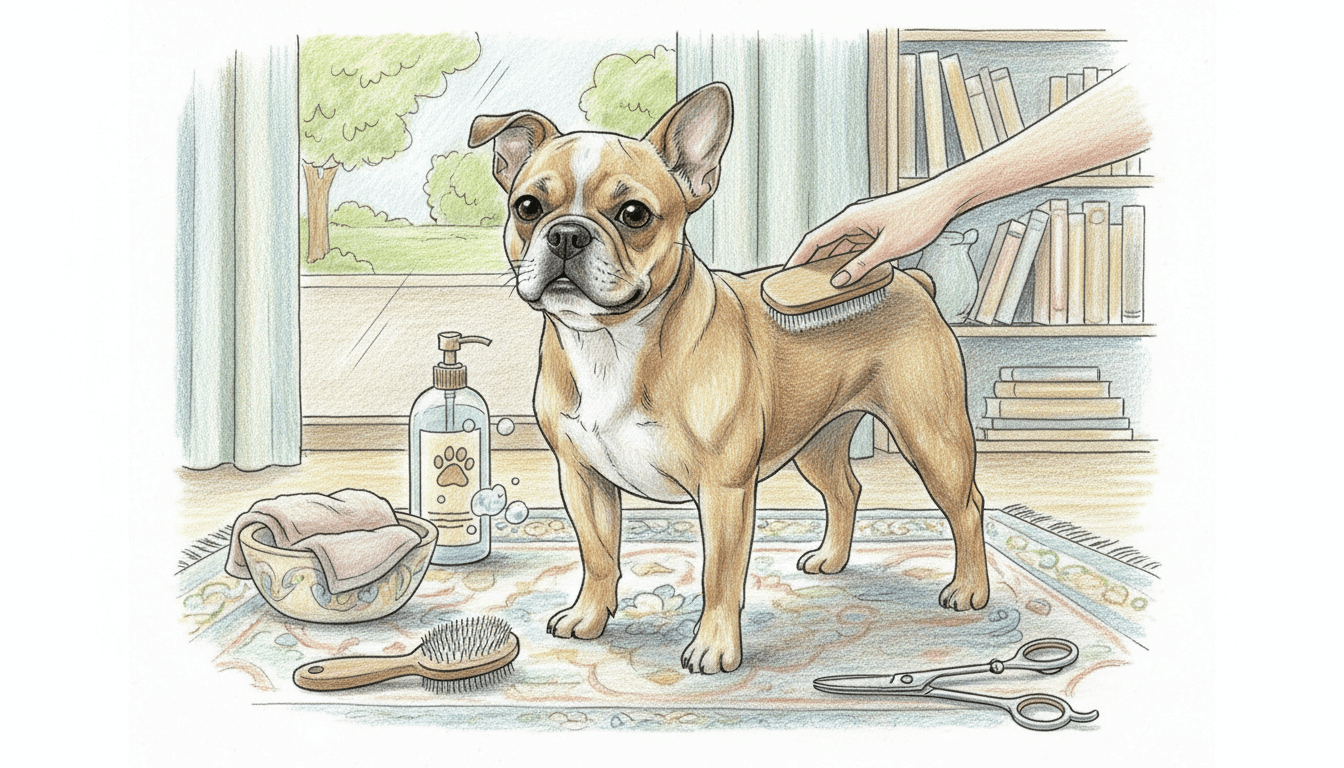
Short-Haired Breed Grooming Essentials: A Professional Guide for Boxers, Beagles, and Dalmatians
This comprehensive guide covers essential grooming practices for short-haired dog breeds, emphasizing weekly brushing with bristle or rubber brushes to distribute natural oils, remove loose hair, and minimize shedding. Learn optimal bathing intervals of 4-6 weeks, proper tool selection, and techniques to maintain coat health without over-stripping oils. Veterinary grooming experts recommend these methods to reduce allergens, prevent skin issues, and keep breeds like Boxers, Beagles, and Dalmatians looking and feeling their best with minimal effort.
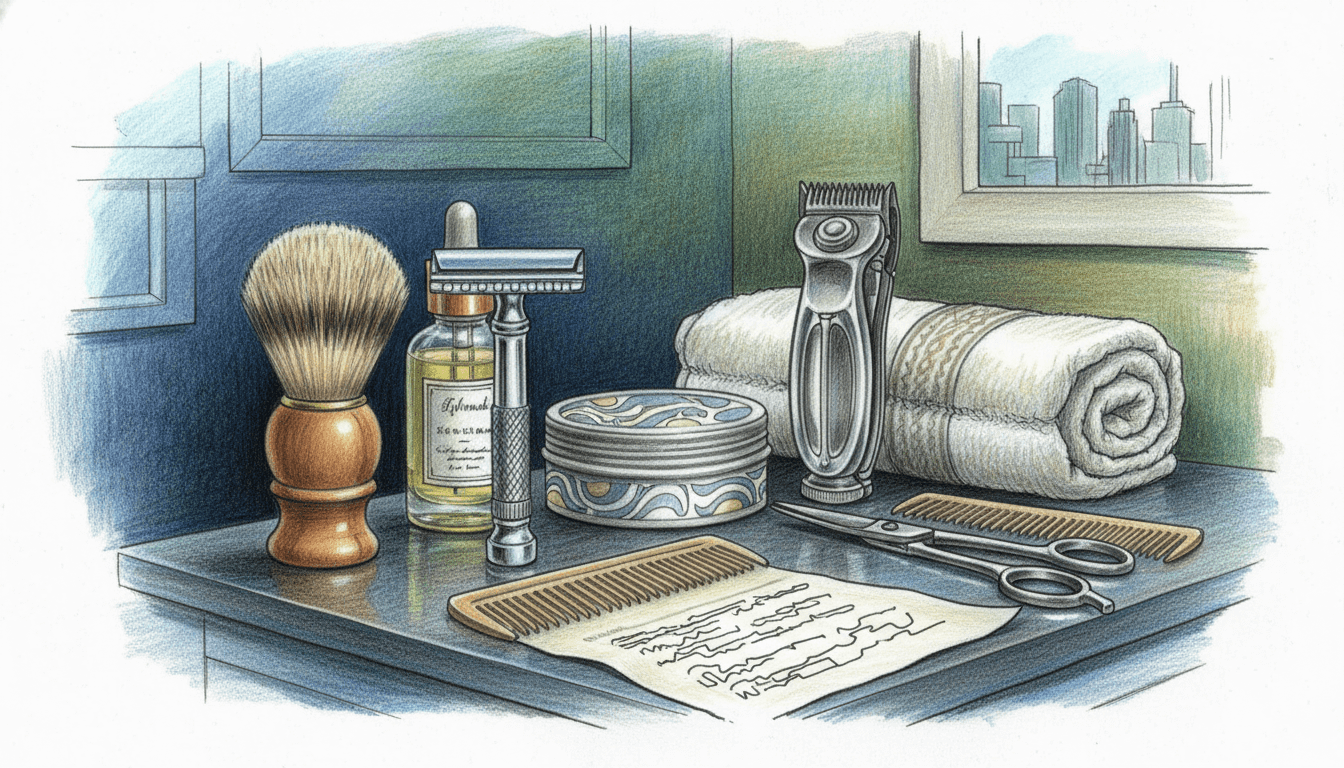
Essential Grooming Tools and Equipment for Optimal Dog Care
This guide provides a thorough examination of essential grooming tools and equipment tailored for various dog breeds and coat types. By selecting appropriate brushes, nail clippers, scissors, shampoos, and dryers based on coat type, breed characteristics, and temperament, pet owners can ensure efficient grooming, prevent discomfort, and maintain coat health. Investing in high-quality equipment and adhering to regular maintenance routines are critical for long-term effectiveness and the well-being of your canine companion.
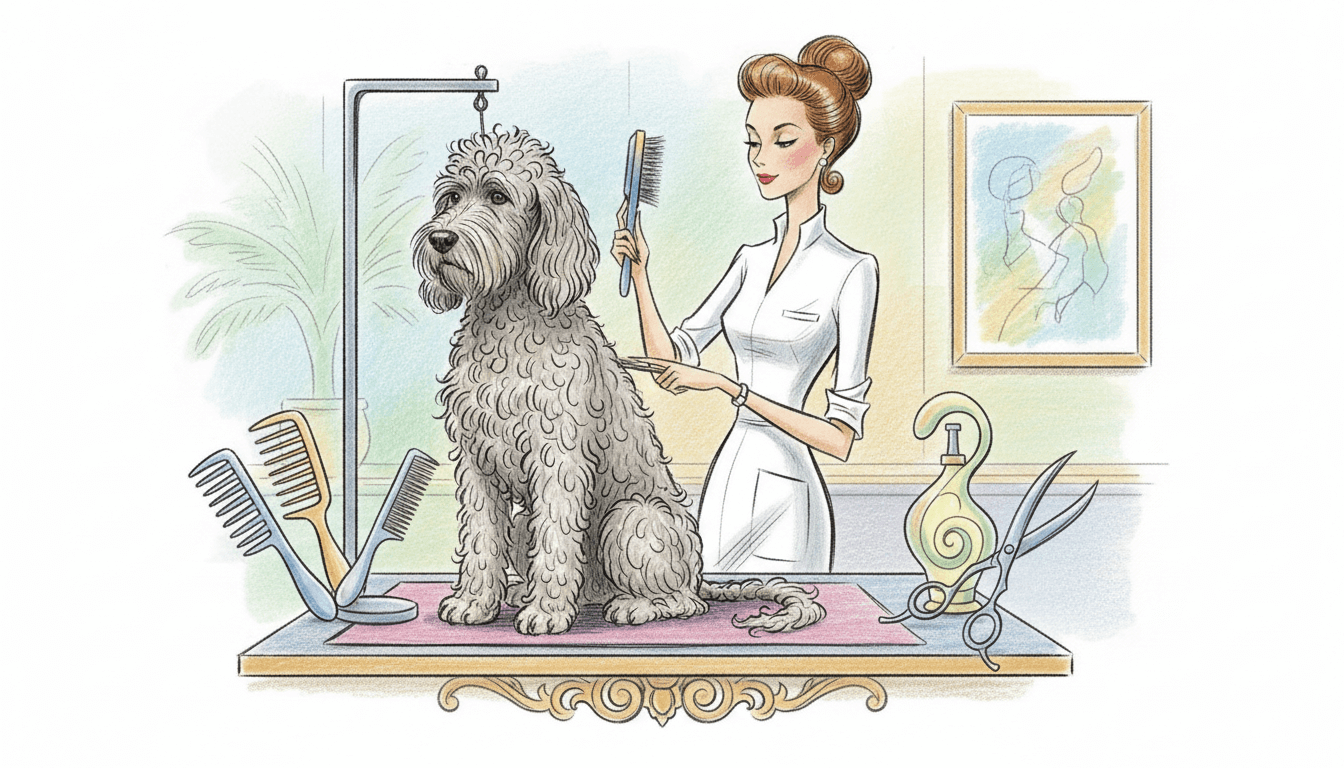
Advanced Grooming for Curly and Wire-Coated Breeds: Techniques and Tools
This comprehensive guide covers specialized grooming techniques for breeds with curly or wire-coated fur, including Poodles, Bichon Frises, Scottish Terriers, and Portuguese Water Dogs. Learn about daily brushing routines, hand-stripping methods for wire coats, and why clipping should be avoided. With recommended tools like slicker brushes and stripping combs, and professional grooming every 4-8 weeks, this guide helps maintain coat texture, prevent matting, and ensure your pet's comfort. Based on expert advice from Professional Grooming Associations, it provides actionable steps for optimal coat health.
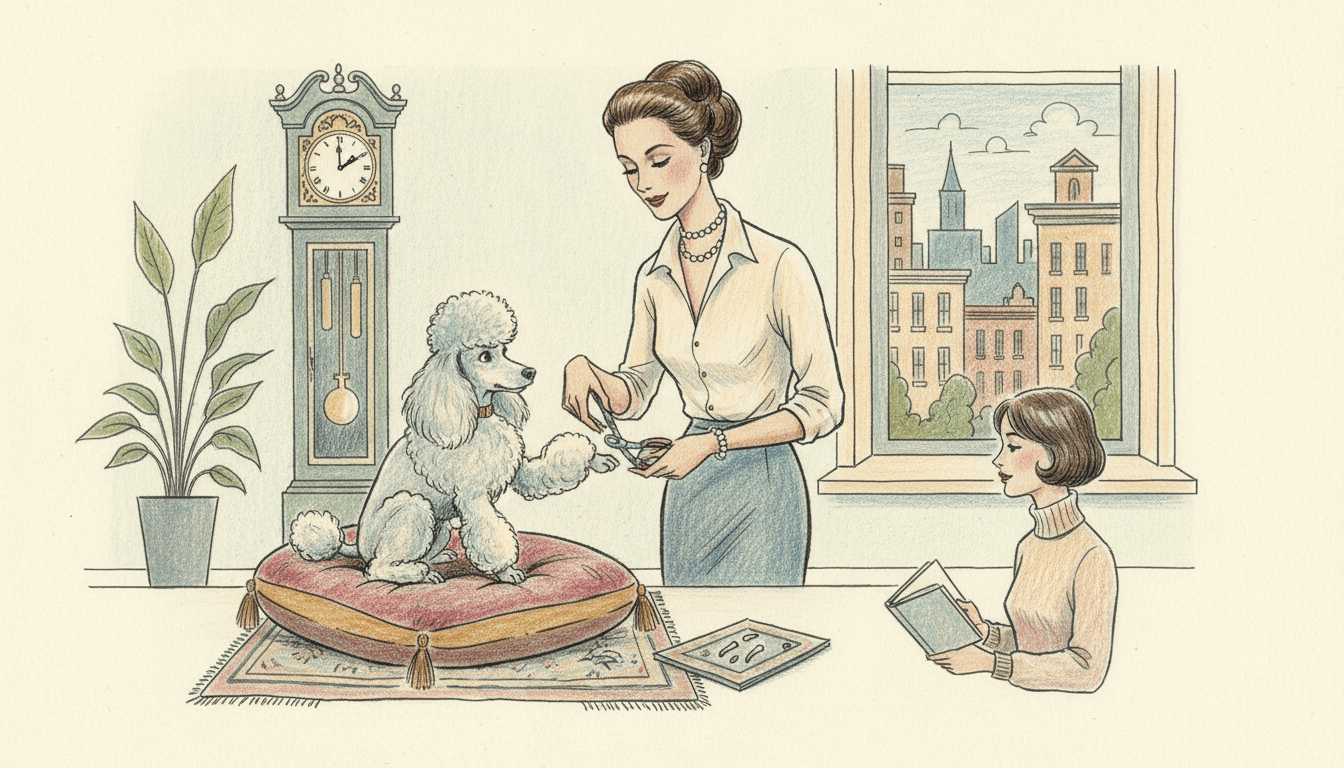
Nail Care and Trimming Techniques for Dogs
Proper dog nail care is essential for their comfort, mobility, and paw health. This guide covers safe trimming techniques, tool selection like guillotine-style and scissor-style clippers, and handling paw sensitivity. Key practices include familiarizing dogs with paw handling, using positive reinforcement, and trimming small amounts to avoid the quick. Regular maintenance prevents issues such as overgrowth, which affects 65% of dogs, and reduces the risk of joint strain. Always have styptic powder on hand for emergencies to ensure a stress-free experience for both pet and owner.
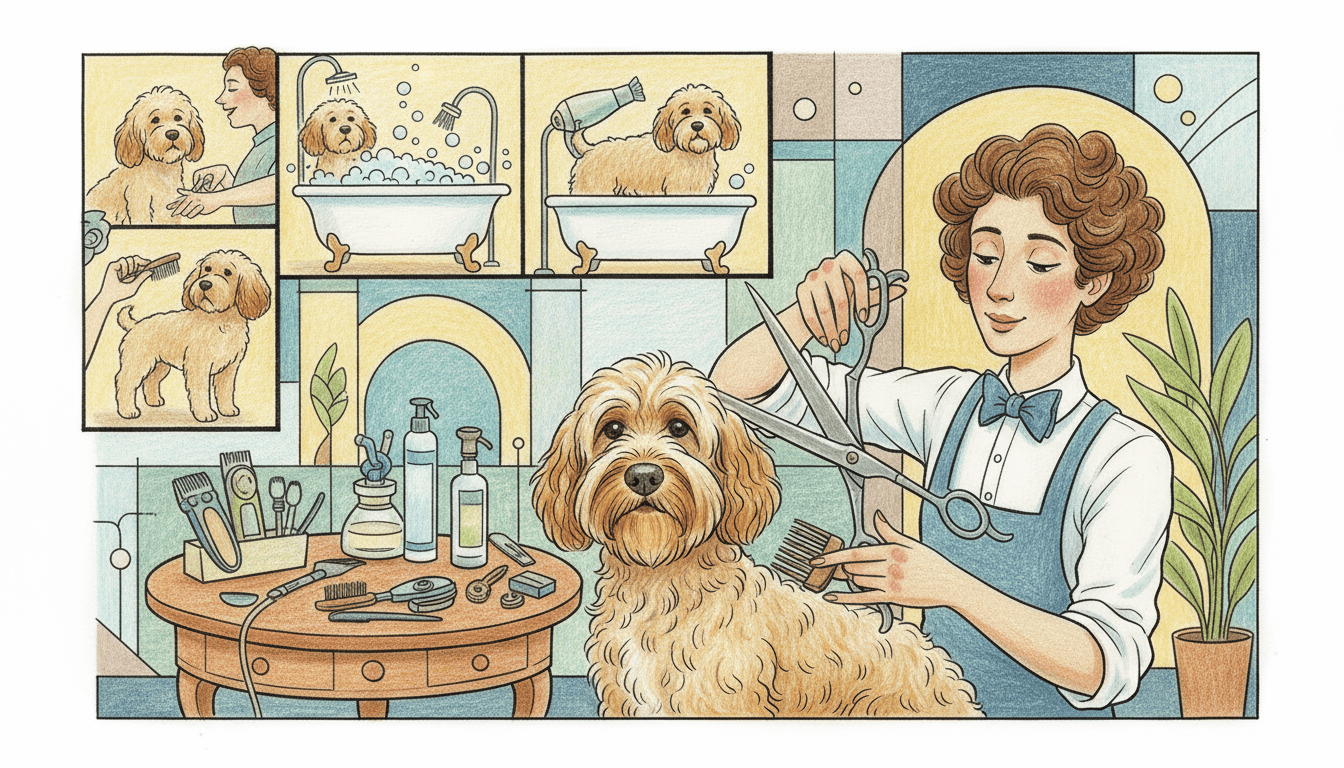
Curly-Coated Dog Grooming Techniques: A Comprehensive Guide for Optimal Coat Health
This comprehensive guide covers essential grooming techniques for curly-coated dog breeds like Poodles, Bichon Frises, and Portuguese Water Dogs. Learn how daily brushing with slicker brushes and combs prevents matting, the importance of professional trimming every 4-6 weeks, and specialized routines to maintain coat texture. With expert tips on detangling sprays, precision cuts, and coat conditioning, this guide ensures your dog's distinctive appearance and health are preserved year-round.

Senior Pet Grooming: Comprehensive Guide for Aging Animal Care
This detailed guide addresses the specialized grooming needs of senior pets, focusing on gentle techniques for animals with reduced mobility, age-related health conditions, and changing coat textures. Learn how to use supportive surfaces, take frequent breaks, and select appropriate tools like soft brushes and electric nail trimmers. Regular health monitoring for lumps or skin changes is emphasized, alongside consulting veterinarians for any concerns. Adapted from Geriatric Pet Care Professionals, this resource ensures compassionate, effective care for older pets.
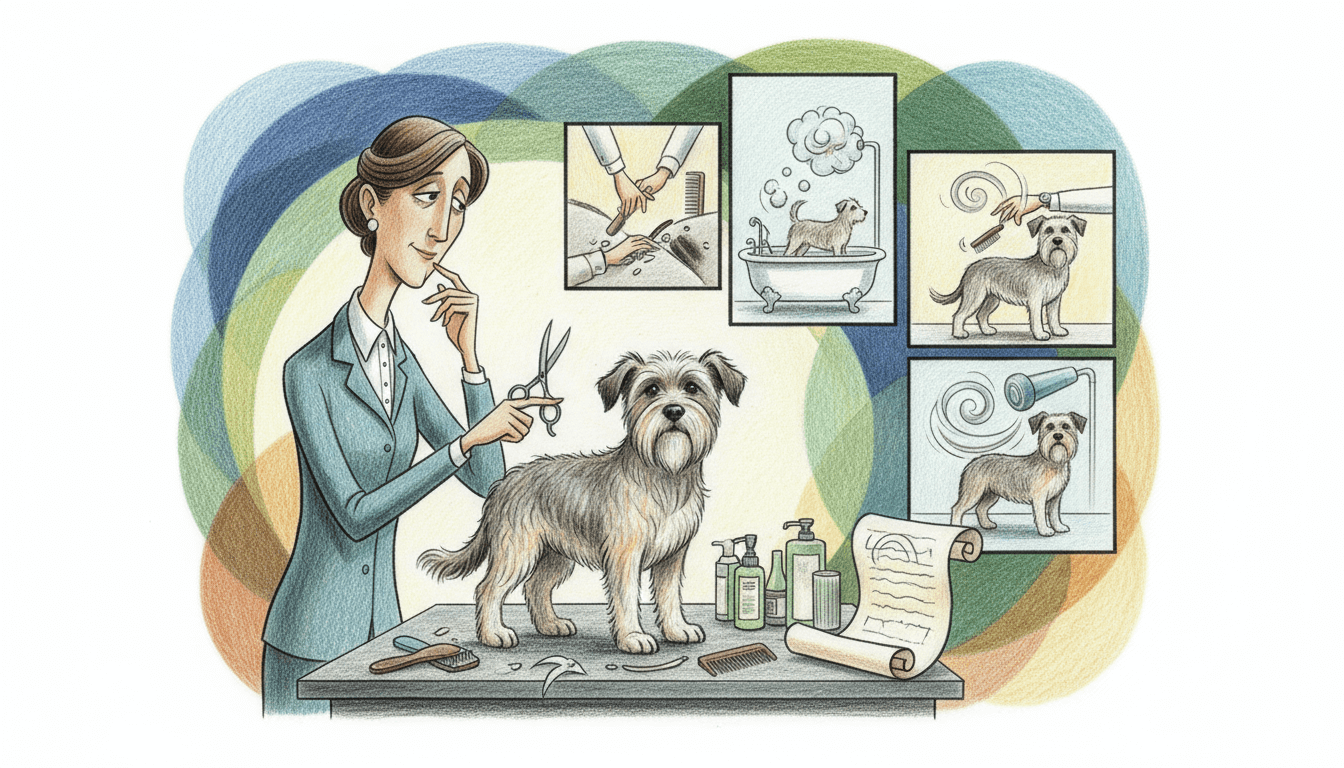
Mixed-Breed Pet Grooming Essentials: Comprehensive Strategies for Diverse Genetic Backgrounds
This guide provides expert insights into grooming mixed-breed pets, emphasizing the importance of assessing individual genetic traits to tailor care. It covers bathing frequency every 4-6 weeks, brushing routines for long and short hair types, and special considerations like using positive reinforcement and consulting professionals. By understanding coat types, skin sensitivities, and temperament, pet owners can implement effective grooming practices that promote health and comfort for their unique companions.