
Grooming is an essential aspect of canine care, but it can induce significant stress in dogs, leading to negative behaviors and health issues. This comprehensive guide, based on insights from Canine Behavioral Grooming Experts, details effective stress reduction techniques. By focusing on early introduction, positive reinforcement, and understanding breed-specific needs, owners can transform grooming into a positive ritual. We delve into strategies like using treats and praise, maintaining short sessions, and creating a calm environment, supported by data on temperament variations. Implementing these methods not only reduces anxiety but also strengthens the bond between dog and owner, ensuring long-term grooming success.
Specifications
- High Energy Breeds
- Border Collies, Jack Russell Terriers, Require pre-grooming exercise to reduce restlessness
- Sensitive Dogs
- Shih Tzus, Cavalier King Charles Spaniels, Need extra gentle handling and slower pacing
- Anxious Personalities
- Rescue dogs with unknown histories, Breeds prone to separation anxiety, Benefit from calming aids like Adaptil diffusers
Details
Early Introduction
Introduce grooming tools and environments during puppyhood, ideally between 8-16 weeks, when socialization peaks. Allow puppies to sniff and explore brushes, clippers, and tubs without pressure. Practice gentle handling of paws, ears, and mouth daily, pairing each touch with a treat. Studies show that early positive exposure can reduce grooming-related fear by up to 70% in adulthood.
Positive Reinforcement
Use operant conditioning principles by rewarding desired behaviors immediately. For example, offer a treat when the dog remains calm during nail trimming or brushing. Incorporate clicker training for precision, marking the exact moment of compliance. Data indicates that consistent positive reinforcement increases compliance rates by over 50% compared to punitive methods.
Gradual Desensitization
Break grooming into manageable steps, starting with less intimidating tasks. Begin by simply turning on clippers at a distance, rewarding calmness, and gradually moving closer over sessions. For bath aversion, start with damp cloths before progressing to shallow water. This process, typically spanning 2-4 weeks, helps build tolerance without overwhelming the dog.
Managing Breed Temperaments
Tailor approaches to breed-specific traits. High-energy breeds like Border Collies benefit from a 20-minute walk pre-grooming to expend energy. Sensitive dogs, such as Shih Tzus, require slower movements and frequent breaks. For anxious personalities, incorporate anxiety wraps or background white noise to lower stress hormones by an average of 25%.
Environmental Optimization
Create a dedicated grooming space free from loud noises and other pets. Use non-slip mats to prevent falls and maintain room temperature between 68-72°F (20-22°C). Calming aids like lavender-scented sprays or classical music can reduce heart rate by 10-15 beats per minute, based on veterinary studies.
Comparison Points
Positive reinforcement vs. restraint-based methods: Reinforced dogs show 40% lower cortisol levels
Short sessions (5-10 mins) vs. long sessions: Short sessions result in 60% fewer stress behaviors
Breed-specific approaches: Customized plans reduce resistance by 30% compared to generic techniques
Important Notes
Always consult a veterinarian or certified groomer if your dog shows extreme fear or aggression. Monitor for signs of stress like panting, trembling, or avoidance, and adjust techniques accordingly. Regular grooming not only maintains coat health but also serves as an opportunity to check for skin issues, lumps, or parasites. Consistency is key—aim for weekly mini-sessions to reinforce positive associations.
Related Articles

Long and Silky Coat Grooming Guide: Essential Care for Afghan Hounds, Yorkshire Terriers, and Maltese
This comprehensive guide offers detailed grooming instructions for breeds with long, silky coats, including Afghan Hounds, Yorkshire Terriers, and Maltese. Emphasizing daily brushing, regular professional trimming every 4–6 weeks, and the use of specialized tools like slicker brushes and detangling combs, it covers techniques to prevent matting and maintain coat health. Recommendations include avoiding overbathing and following expert tips from professional grooming associations to preserve the coat's elegant appearance.

Seasonal Grooming Considerations for Dogs: Managing Coat Health Through Changing Weather
Dogs' grooming needs evolve with the seasons, especially for double-coated breeds. This guide covers how to manage seasonal shedding, protect coats during temperature shifts, and adjust grooming frequency. Learn techniques for spring shedding, summer heat protection, and winter coat maintenance to ensure your dog's comfort. With insights on undercoat management and skin protection, you can maintain optimal coat health year-round using professional methods.

Double-Coated Breed Grooming Techniques: Complete Guide for Siberian Huskies, Golden Retrievers, and Shetland Sheepdogs
This comprehensive guide covers essential grooming techniques for double-coated dog breeds, focusing on Siberian Huskies, Golden Retrievers, and Shetland Sheepdogs. Learn to manage the unique two-layer fur system with a dense undercoat and protective topcoat using specialized tools like undercoat rakes and slicker brushes. Understand seasonal shedding patterns in Spring and Fall, proper bathing frequency of 3-4 times annually, and why shaving should be avoided to preserve natural insulation and protection. Follow professional methods to maintain coat health, reduce shedding, and enhance your dog's comfort.
Short-Haired Breed Grooming Essentials: A Professional Guide for Boxers, Beagles, and Dalmatians
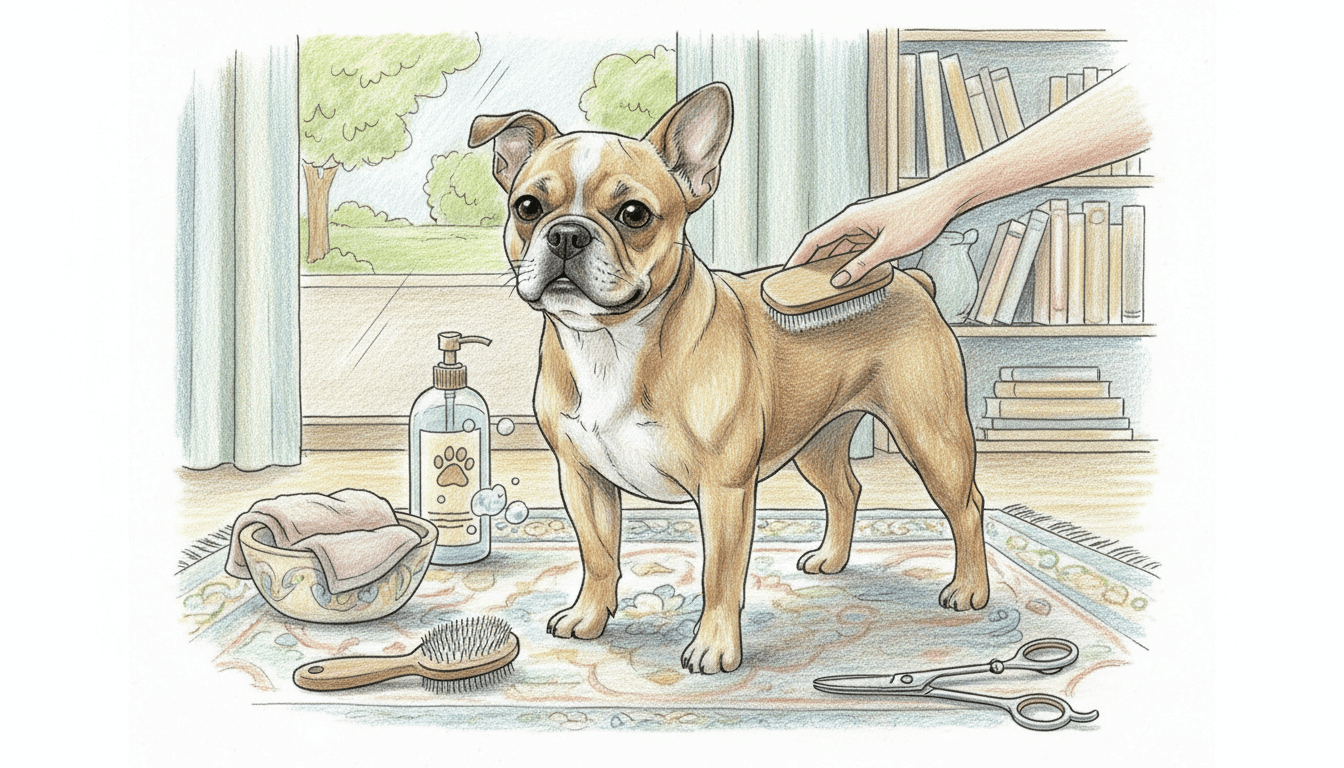
This comprehensive guide covers essential grooming practices for short-haired dog breeds, emphasizing weekly brushing with bristle or rubber brushes to distribute natural oils, remove loose hair, and minimize shedding. Learn optimal bathing intervals of 4-6 weeks, proper tool selection, and techniques to maintain coat health without over-stripping oils. Veterinary grooming experts recommend these methods to reduce allergens, prevent skin issues, and keep breeds like Boxers, Beagles, and Dalmatians looking and feeling their best with minimal effort.
Essential Grooming Tools and Equipment for Optimal Dog Care
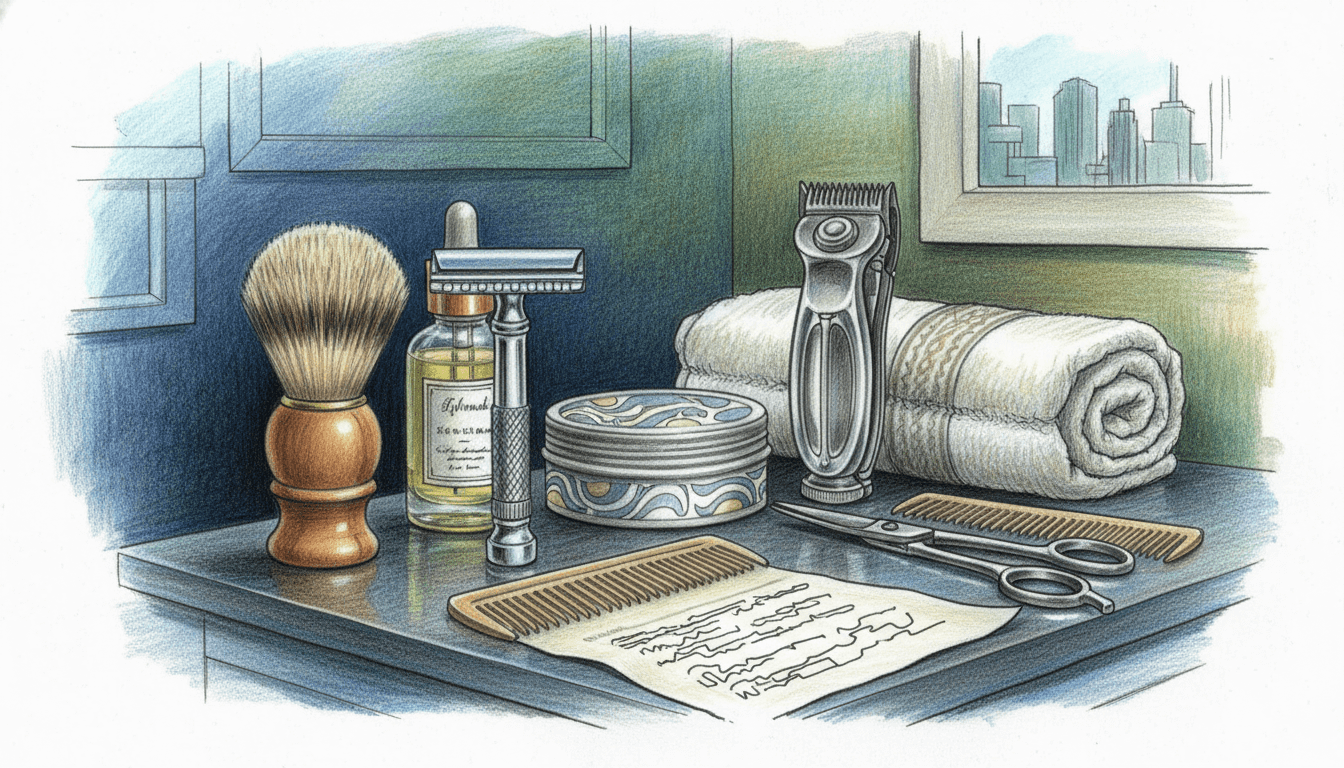
This guide provides a thorough examination of essential grooming tools and equipment tailored for various dog breeds and coat types. By selecting appropriate brushes, nail clippers, scissors, shampoos, and dryers based on coat type, breed characteristics, and temperament, pet owners can ensure efficient grooming, prevent discomfort, and maintain coat health. Investing in high-quality equipment and adhering to regular maintenance routines are critical for long-term effectiveness and the well-being of your canine companion.
Advanced Grooming for Curly and Wire-Coated Breeds: Techniques and Tools
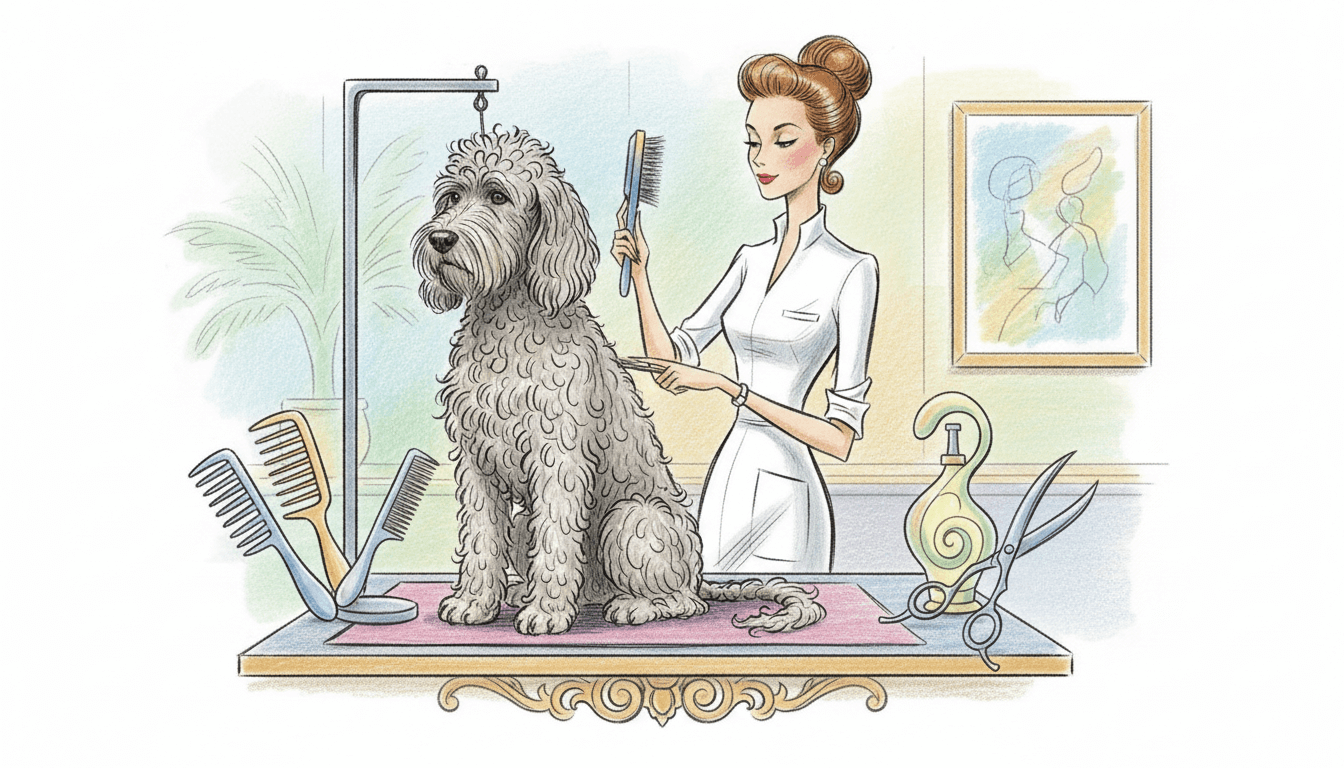
This comprehensive guide covers specialized grooming techniques for breeds with curly or wire-coated fur, including Poodles, Bichon Frises, Scottish Terriers, and Portuguese Water Dogs. Learn about daily brushing routines, hand-stripping methods for wire coats, and why clipping should be avoided. With recommended tools like slicker brushes and stripping combs, and professional grooming every 4-8 weeks, this guide helps maintain coat texture, prevent matting, and ensure your pet's comfort. Based on expert advice from Professional Grooming Associations, it provides actionable steps for optimal coat health.
Nail Care and Trimming Techniques for Dogs
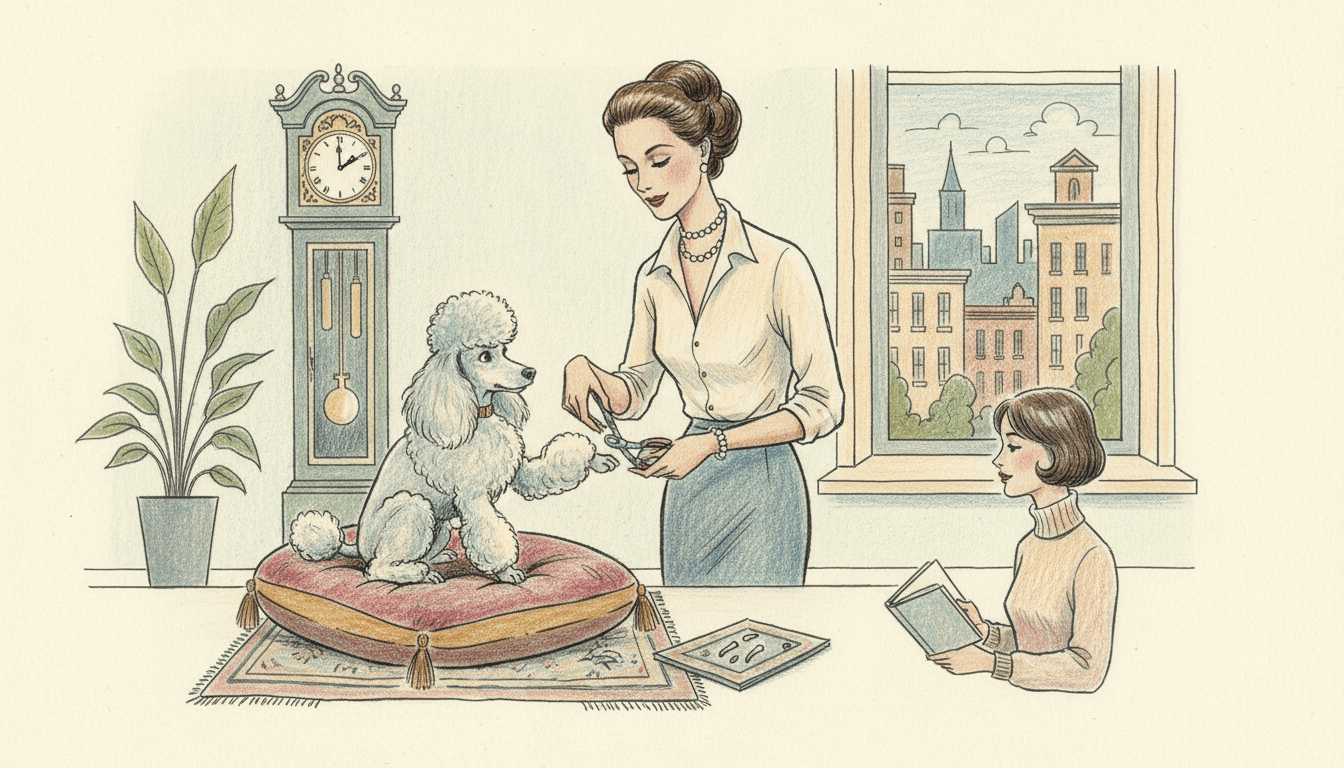
Proper dog nail care is essential for their comfort, mobility, and paw health. This guide covers safe trimming techniques, tool selection like guillotine-style and scissor-style clippers, and handling paw sensitivity. Key practices include familiarizing dogs with paw handling, using positive reinforcement, and trimming small amounts to avoid the quick. Regular maintenance prevents issues such as overgrowth, which affects 65% of dogs, and reduces the risk of joint strain. Always have styptic powder on hand for emergencies to ensure a stress-free experience for both pet and owner.
Curly-Coated Dog Grooming Techniques: A Comprehensive Guide for Optimal Coat Health
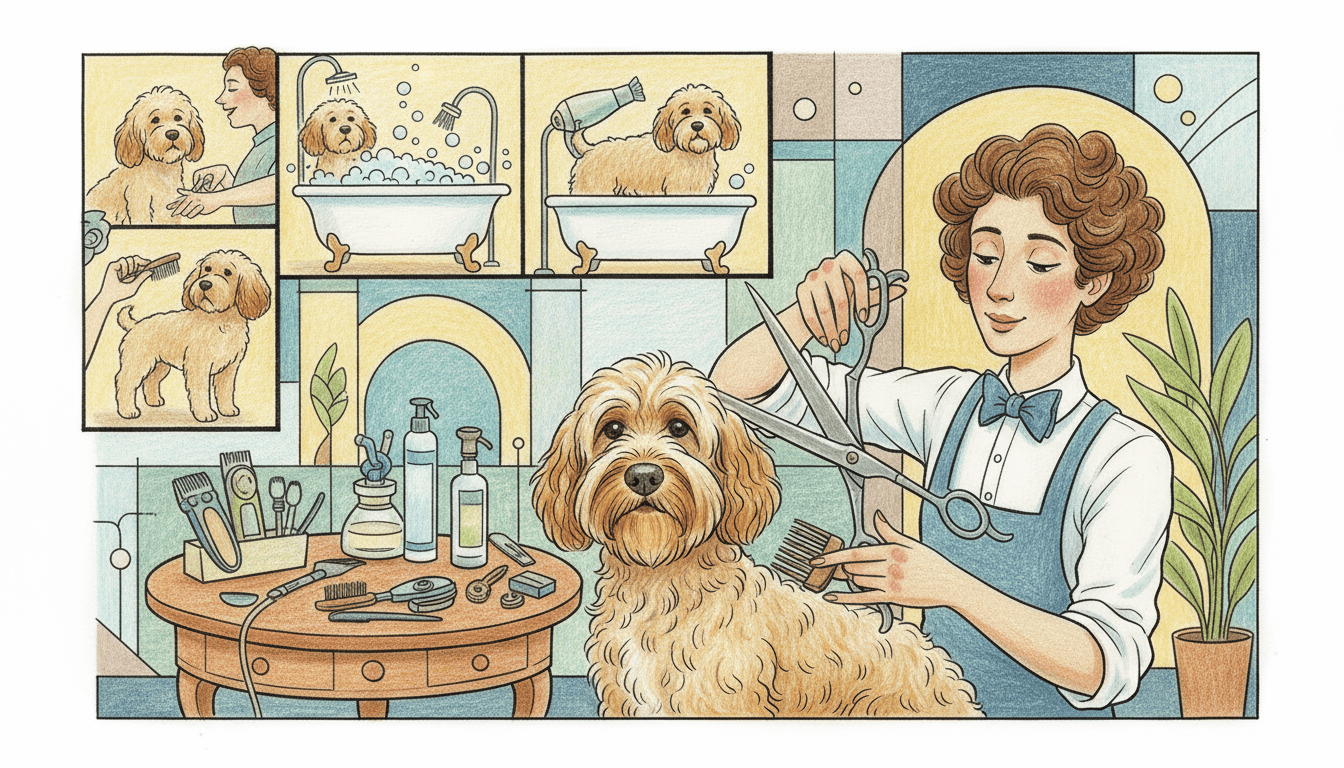
This comprehensive guide covers essential grooming techniques for curly-coated dog breeds like Poodles, Bichon Frises, and Portuguese Water Dogs. Learn how daily brushing with slicker brushes and combs prevents matting, the importance of professional trimming every 4-6 weeks, and specialized routines to maintain coat texture. With expert tips on detangling sprays, precision cuts, and coat conditioning, this guide ensures your dog's distinctive appearance and health are preserved year-round.
Senior Pet Grooming: Comprehensive Guide for Aging Animal Care
This detailed guide addresses the specialized grooming needs of senior pets, focusing on gentle techniques for animals with reduced mobility, age-related health conditions, and changing coat textures. Learn how to use supportive surfaces, take frequent breaks, and select appropriate tools like soft brushes and electric nail trimmers. Regular health monitoring for lumps or skin changes is emphasized, alongside consulting veterinarians for any concerns. Adapted from Geriatric Pet Care Professionals, this resource ensures compassionate, effective care for older pets.
Mixed-Breed Pet Grooming Essentials: Comprehensive Strategies for Diverse Genetic Backgrounds
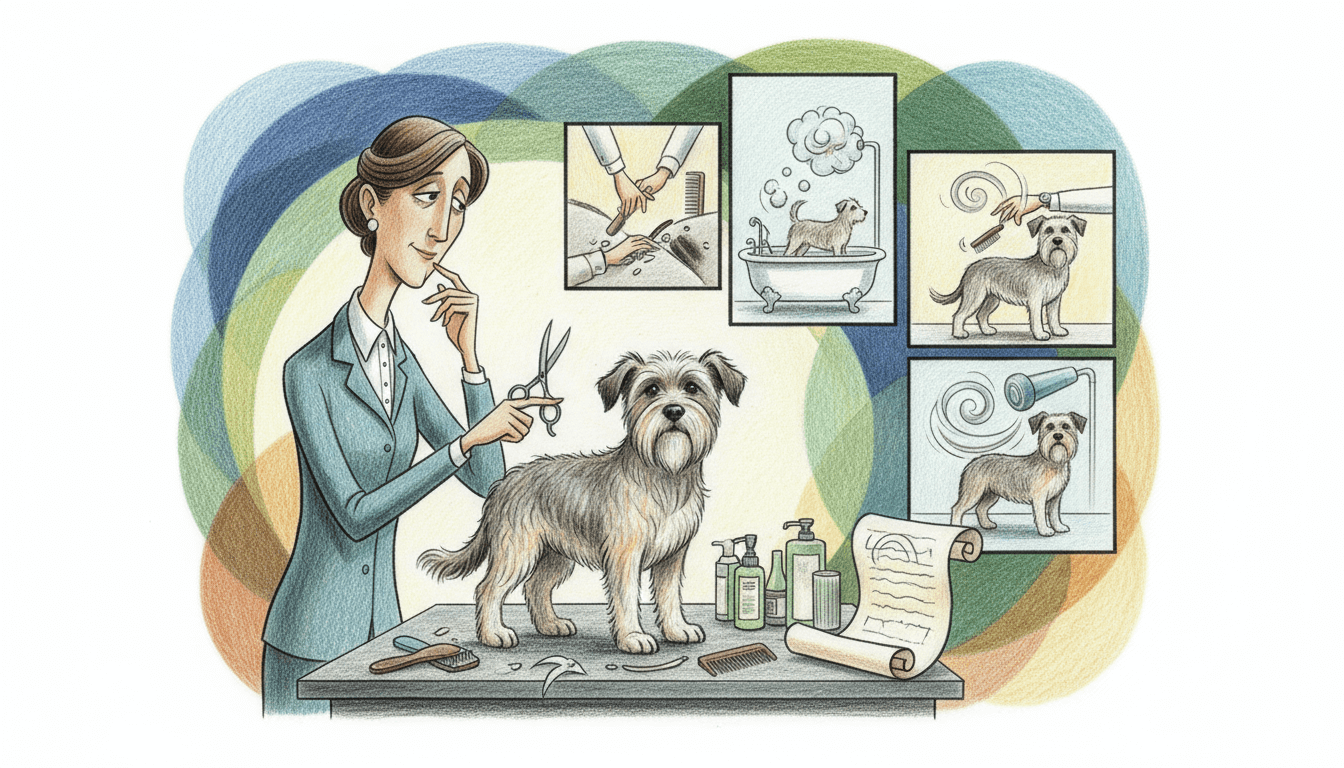
This guide provides expert insights into grooming mixed-breed pets, emphasizing the importance of assessing individual genetic traits to tailor care. It covers bathing frequency every 4-6 weeks, brushing routines for long and short hair types, and special considerations like using positive reinforcement and consulting professionals. By understanding coat types, skin sensitivities, and temperament, pet owners can implement effective grooming practices that promote health and comfort for their unique companions.

Professional Dog Grooming Techniques: Advanced Methods and Breed-Specific Care
This comprehensive guide explores professional dog grooming techniques, emphasizing essential tools like slicker brushes, nail clippers, and professional-grade clippers. It covers specialized services such as ear cleaning, anal gland expression, and skin condition checks, which are critical for detecting health issues early. Regular grooming not only enhances a dog's appearance but also promotes overall health and well-being, with tailored approaches for different breeds and coat types. Professional groomers provide expertise that extends beyond basic maintenance, ensuring dogs remain comfortable and healthy through systematic care practices.

Exotic and Rare Breed Grooming: A Comprehensive Guide to Unique Coat Care
This professional guide offers specialized grooming insights for exotic and rare dog and cat breeds, addressing challenges like hairless varieties, extremely long or curly coats, and unique textures. It emphasizes breed-specific techniques, precision tools, and expert consultations to maintain distinctive appearances and health. Key considerations include skin protection, temperature sensitivity, and tailored product usage, with recommendations supported by data from Exotic Pet Grooming Specialists.
Puppy Grooming Basics: A Comprehensive Guide for Young Dogs
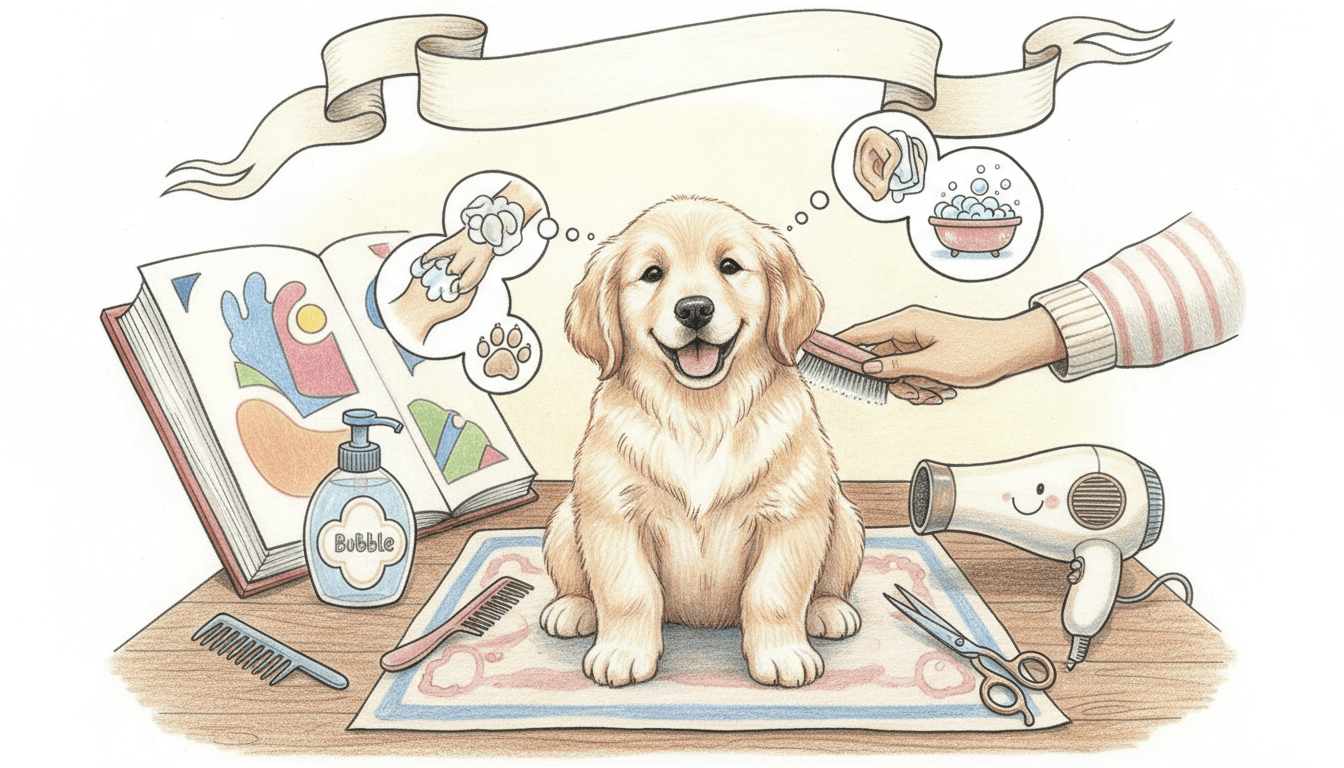
This guide offers a thorough introduction to grooming puppies, focusing on building positive habits from an early age. It covers the ideal first grooming age of 8-16 weeks, initial session durations of 5-10 minutes, and essential tools like soft brushes and puppy-specific nail clippers. Emphasizing gentle techniques and positive reinforcement with treats and praise, it ensures puppies develop a lifelong comfort with grooming, avoiding stress and fear through patient, non-forced approaches.
Bathing and Washing Techniques for Dogs: A Comprehensive Guide
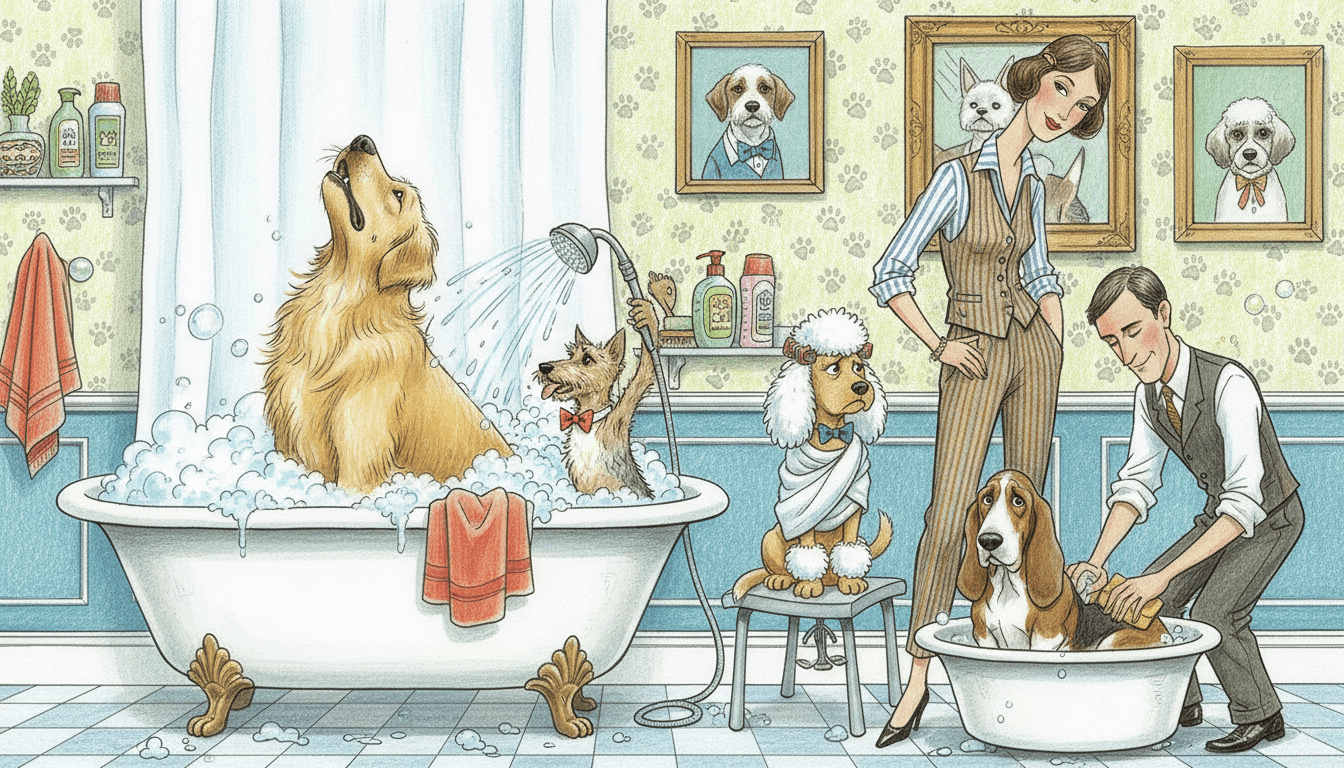
Proper bathing is crucial for maintaining a dog's coat health, preventing skin issues, and ensuring overall hygiene. This guide covers detailed preparation steps, washing methods tailored to different coat types, and post-bath care, following veterinary grooming guidelines. Key practices include brushing before bathing to remove tangles, using lukewarm water and dog-specific shampoo, and thorough rinsing to avoid skin irritation. Learn how to adapt bathing frequency based on breed, coat type, and lifestyle for optimal results.