

Long and silky coats, characteristic of breeds such as Afghan Hounds, Yorkshire Terriers, and Maltese, demand meticulous grooming to uphold their health and aesthetic appeal. These coats are prone to tangling and matting due to their fine texture and length, necessitating a structured routine that integrates daily brushing, periodic professional grooming, and careful product selection. This guide elaborates on essential practices, tools, and schedules derived from professional grooming associations, ensuring owners can effectively manage their pet's coat to avoid common issues like skin irritation and coat damage.
Specifications
Details
Daily Brushing Importance
Daily brushing is critical for distributing natural oils, preventing mats, and removing debris. Using a slicker brush followed by a detangling comb ensures thorough coverage, with an emphasis on high-friction areas like behind the ears and under the legs. Neglecting this can lead to painful matting requiring professional intervention.
Professional Trimming
Scheduled every 4-6 weeks, professional trimming maintains coat shape, reduces split ends, and addresses hard-to-reach areas. Groomers use techniques like scissoring and thinning shears to preserve the silky texture while ensuring comfort and mobility.
Tool Usage
A slicker brush is ideal for removing tangles and loose hair, while a pin brush adds volume and smoothness. Detangling combs with wide and narrow teeth help work through knots without breakage. Always brush in the direction of hair growth to minimize stress on the skin.
Bathing Guidelines
Bathe only as needed to avoid stripping natural oils, which can cause dryness and brittleness. Use a mild, coat-specific shampoo and conditioner, rinse thoroughly, and follow with a blow-dry on low heat while brushing to prevent tangles. Overbathing more than once monthly is generally discouraged.
Additional Care
Incorporate regular ear cleaning, nail trimming, and dental care into the grooming routine. For show dogs, consider specialized products like coat sprays to enhance shine and manageability.
Comparison Points
Daily brushing reduces matting risks by up to 90% compared to weekly brushing.
Professional trimming every 4-6 weeks maintains coat integrity better than occasional trims.
Using slicker brushes and combs together is more effective than either tool alone for detangling.
Breeds with silky coats require less frequent bathing than those with oily coats to preserve texture.
Important Notes
Always consult a veterinarian or certified groomer if mats become severe, as improper removal can injure the skin. Adapt routines based on your dog's activity level and environment; for instance, more frequent brushing may be needed after outdoor play. This guide aligns with standards from Professional Grooming Associations to ensure reliable, safe practices.
Related Articles

Seasonal Grooming Considerations for Dogs: Managing Coat Health Through Changing Weather
Dogs' grooming needs evolve with the seasons, especially for double-coated breeds. This guide covers how to manage seasonal shedding, protect coats during temperature shifts, and adjust grooming frequency. Learn techniques for spring shedding, summer heat protection, and winter coat maintenance to ensure your dog's comfort. With insights on undercoat management and skin protection, you can maintain optimal coat health year-round using professional methods.

Double-Coated Breed Grooming Techniques: Complete Guide for Siberian Huskies, Golden Retrievers, and Shetland Sheepdogs
This comprehensive guide covers essential grooming techniques for double-coated dog breeds, focusing on Siberian Huskies, Golden Retrievers, and Shetland Sheepdogs. Learn to manage the unique two-layer fur system with a dense undercoat and protective topcoat using specialized tools like undercoat rakes and slicker brushes. Understand seasonal shedding patterns in Spring and Fall, proper bathing frequency of 3-4 times annually, and why shaving should be avoided to preserve natural insulation and protection. Follow professional methods to maintain coat health, reduce shedding, and enhance your dog's comfort.
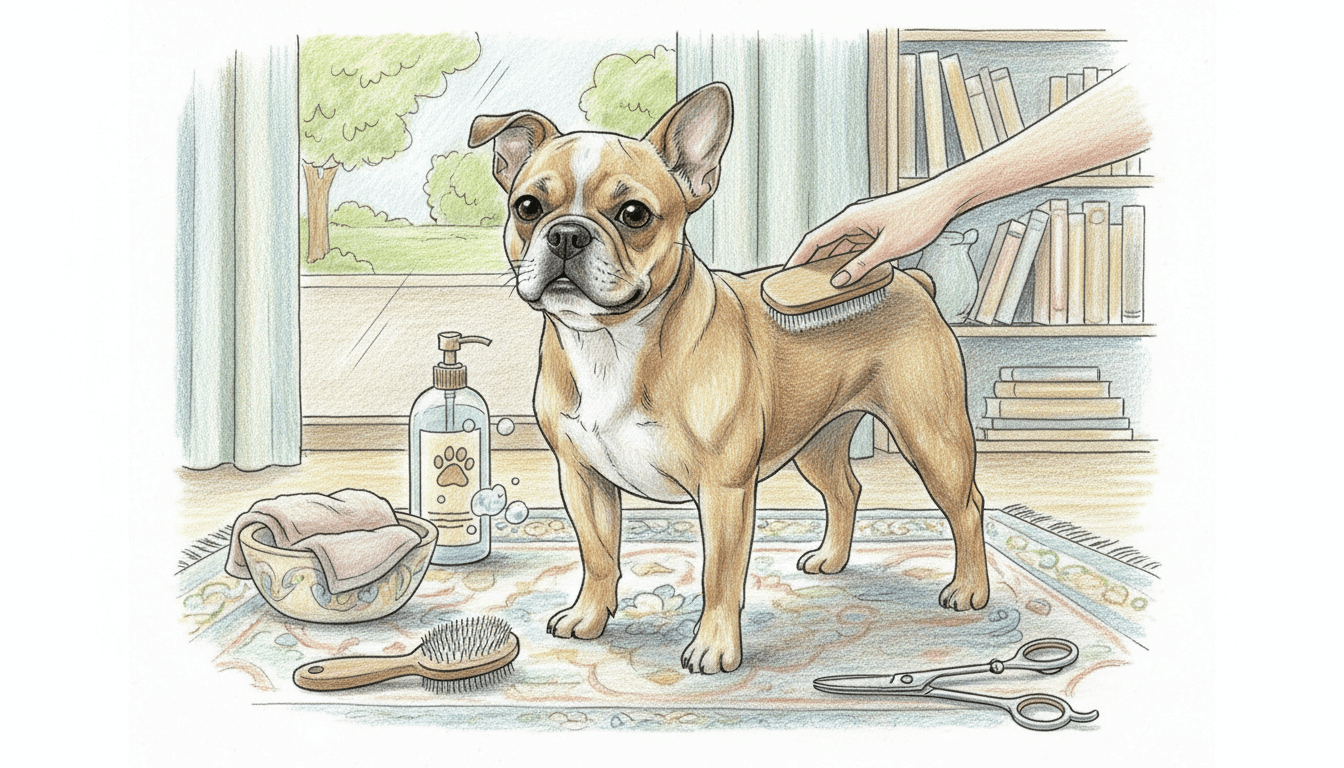
Short-Haired Breed Grooming Essentials: A Professional Guide for Boxers, Beagles, and Dalmatians
This comprehensive guide covers essential grooming practices for short-haired dog breeds, emphasizing weekly brushing with bristle or rubber brushes to distribute natural oils, remove loose hair, and minimize shedding. Learn optimal bathing intervals of 4-6 weeks, proper tool selection, and techniques to maintain coat health without over-stripping oils. Veterinary grooming experts recommend these methods to reduce allergens, prevent skin issues, and keep breeds like Boxers, Beagles, and Dalmatians looking and feeling their best with minimal effort.
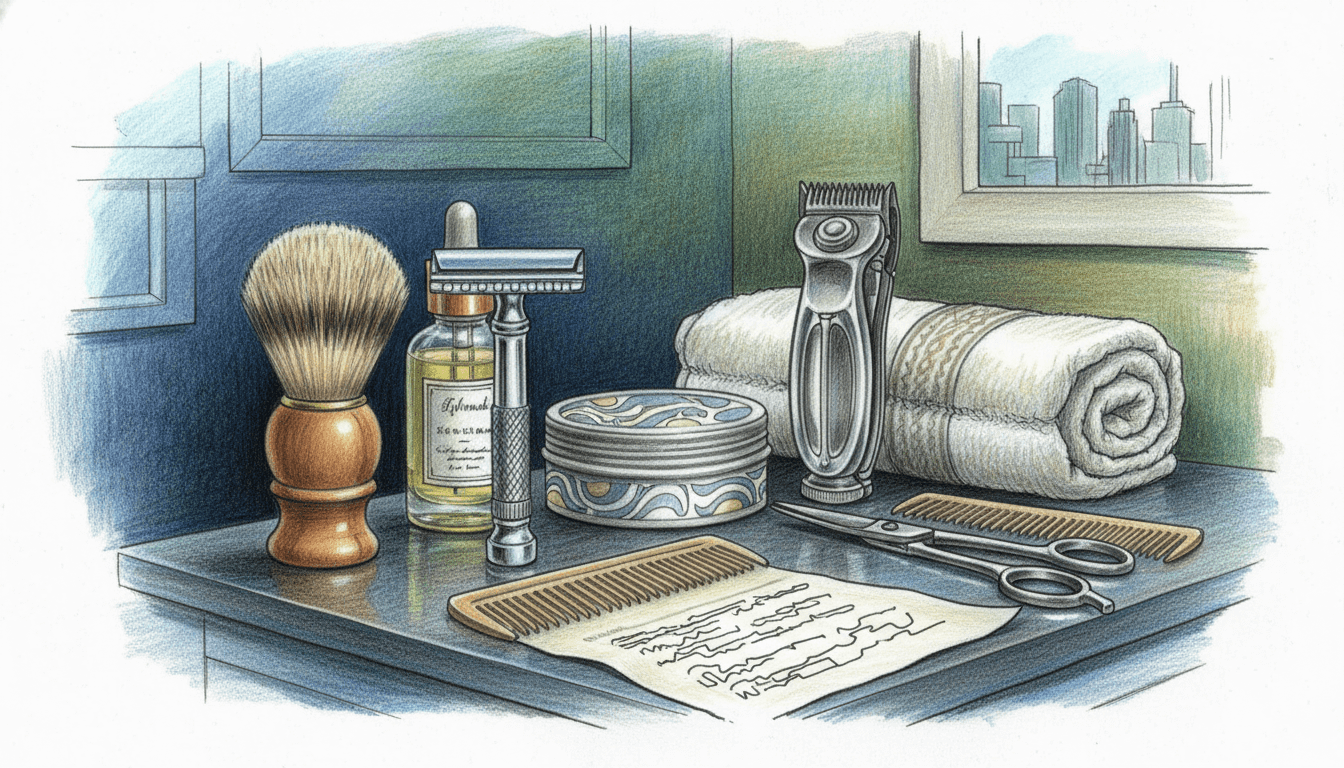
Essential Grooming Tools and Equipment for Optimal Dog Care
This guide provides a thorough examination of essential grooming tools and equipment tailored for various dog breeds and coat types. By selecting appropriate brushes, nail clippers, scissors, shampoos, and dryers based on coat type, breed characteristics, and temperament, pet owners can ensure efficient grooming, prevent discomfort, and maintain coat health. Investing in high-quality equipment and adhering to regular maintenance routines are critical for long-term effectiveness and the well-being of your canine companion.
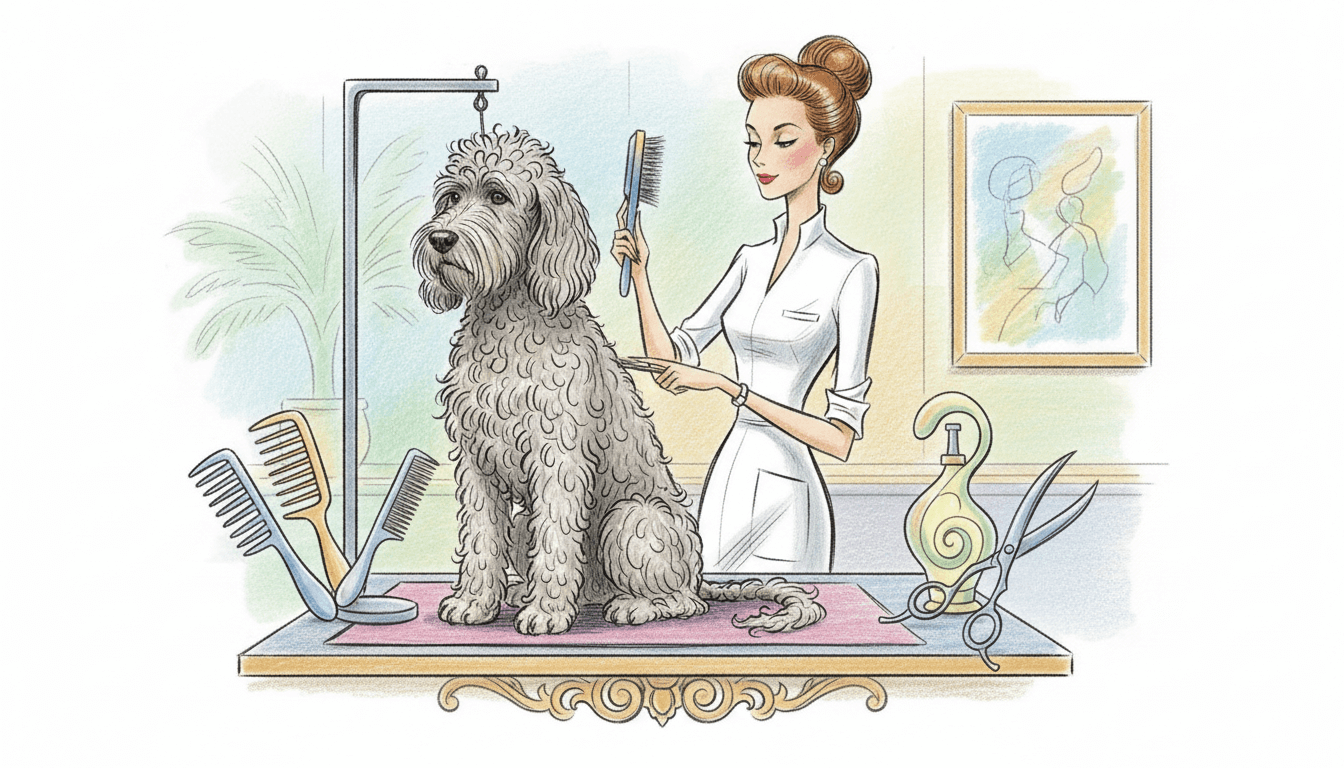
Advanced Grooming for Curly and Wire-Coated Breeds: Techniques and Tools
This comprehensive guide covers specialized grooming techniques for breeds with curly or wire-coated fur, including Poodles, Bichon Frises, Scottish Terriers, and Portuguese Water Dogs. Learn about daily brushing routines, hand-stripping methods for wire coats, and why clipping should be avoided. With recommended tools like slicker brushes and stripping combs, and professional grooming every 4-8 weeks, this guide helps maintain coat texture, prevent matting, and ensure your pet's comfort. Based on expert advice from Professional Grooming Associations, it provides actionable steps for optimal coat health.
Nail Care and Trimming Techniques for Dogs
Proper dog nail care is essential for their comfort, mobility, and paw health. This guide covers safe trimming techniques, tool selection like guillotine-style and scissor-style clippers, and handling paw sensitivity. Key practices include familiarizing dogs with paw handling, using positive reinforcement, and trimming small amounts to avoid the quick. Regular maintenance prevents issues such as overgrowth, which affects 65% of dogs, and reduces the risk of joint strain. Always have styptic powder on hand for emergencies to ensure a stress-free experience for both pet and owner.
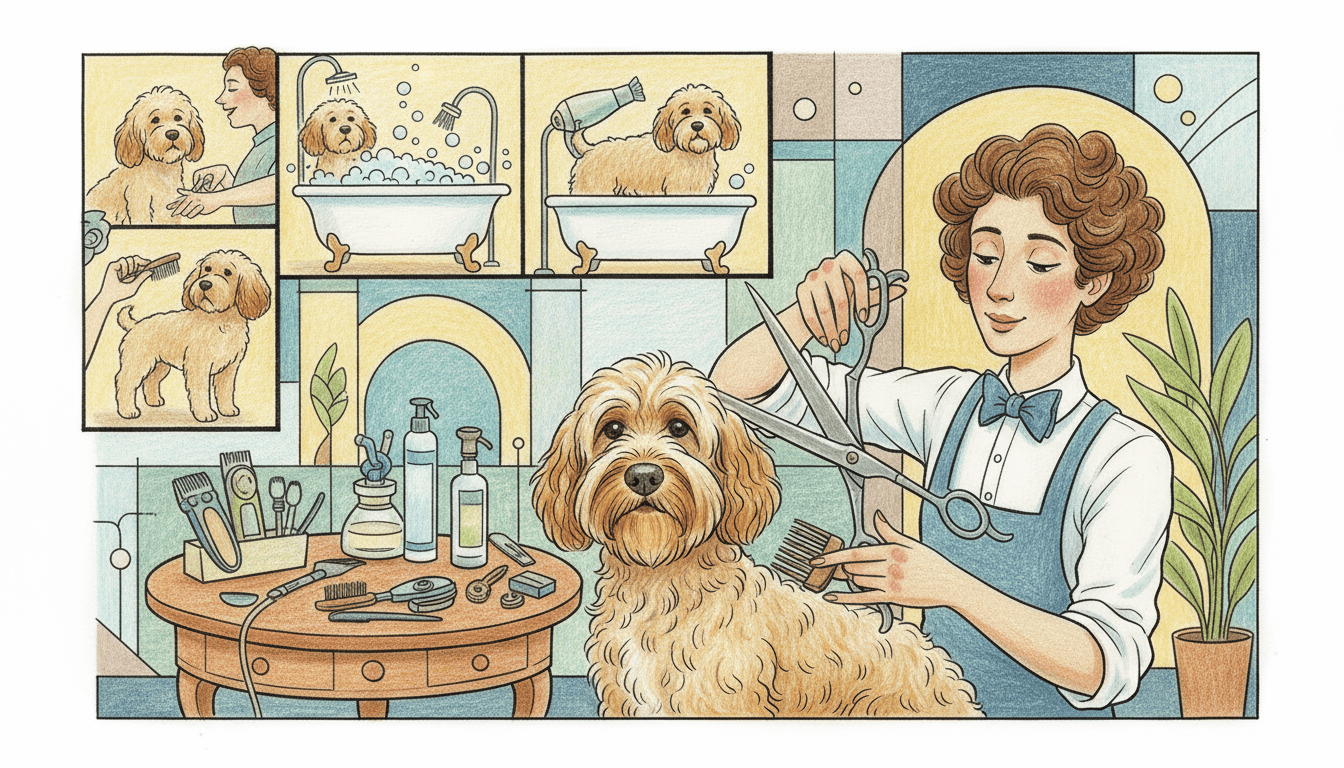
Curly-Coated Dog Grooming Techniques: A Comprehensive Guide for Optimal Coat Health
This comprehensive guide covers essential grooming techniques for curly-coated dog breeds like Poodles, Bichon Frises, and Portuguese Water Dogs. Learn how daily brushing with slicker brushes and combs prevents matting, the importance of professional trimming every 4-6 weeks, and specialized routines to maintain coat texture. With expert tips on detangling sprays, precision cuts, and coat conditioning, this guide ensures your dog's distinctive appearance and health are preserved year-round.

Senior Pet Grooming: Comprehensive Guide for Aging Animal Care
This detailed guide addresses the specialized grooming needs of senior pets, focusing on gentle techniques for animals with reduced mobility, age-related health conditions, and changing coat textures. Learn how to use supportive surfaces, take frequent breaks, and select appropriate tools like soft brushes and electric nail trimmers. Regular health monitoring for lumps or skin changes is emphasized, alongside consulting veterinarians for any concerns. Adapted from Geriatric Pet Care Professionals, this resource ensures compassionate, effective care for older pets.
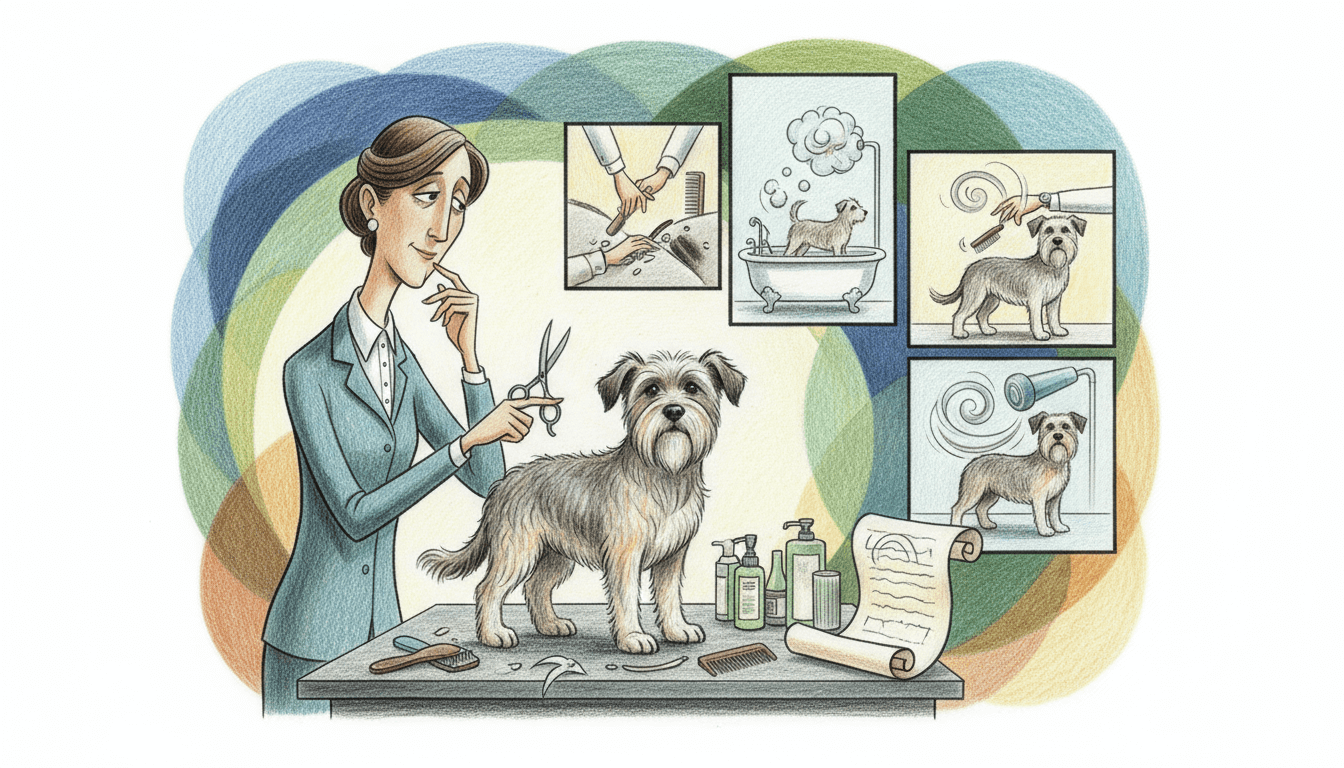
Mixed-Breed Pet Grooming Essentials: Comprehensive Strategies for Diverse Genetic Backgrounds
This guide provides expert insights into grooming mixed-breed pets, emphasizing the importance of assessing individual genetic traits to tailor care. It covers bathing frequency every 4-6 weeks, brushing routines for long and short hair types, and special considerations like using positive reinforcement and consulting professionals. By understanding coat types, skin sensitivities, and temperament, pet owners can implement effective grooming practices that promote health and comfort for their unique companions.

Professional Dog Grooming Techniques: Advanced Methods and Breed-Specific Care
This comprehensive guide explores professional dog grooming techniques, emphasizing essential tools like slicker brushes, nail clippers, and professional-grade clippers. It covers specialized services such as ear cleaning, anal gland expression, and skin condition checks, which are critical for detecting health issues early. Regular grooming not only enhances a dog's appearance but also promotes overall health and well-being, with tailored approaches for different breeds and coat types. Professional groomers provide expertise that extends beyond basic maintenance, ensuring dogs remain comfortable and healthy through systematic care practices.

Exotic and Rare Breed Grooming: A Comprehensive Guide to Unique Coat Care
This professional guide offers specialized grooming insights for exotic and rare dog and cat breeds, addressing challenges like hairless varieties, extremely long or curly coats, and unique textures. It emphasizes breed-specific techniques, precision tools, and expert consultations to maintain distinctive appearances and health. Key considerations include skin protection, temperature sensitivity, and tailored product usage, with recommendations supported by data from Exotic Pet Grooming Specialists.
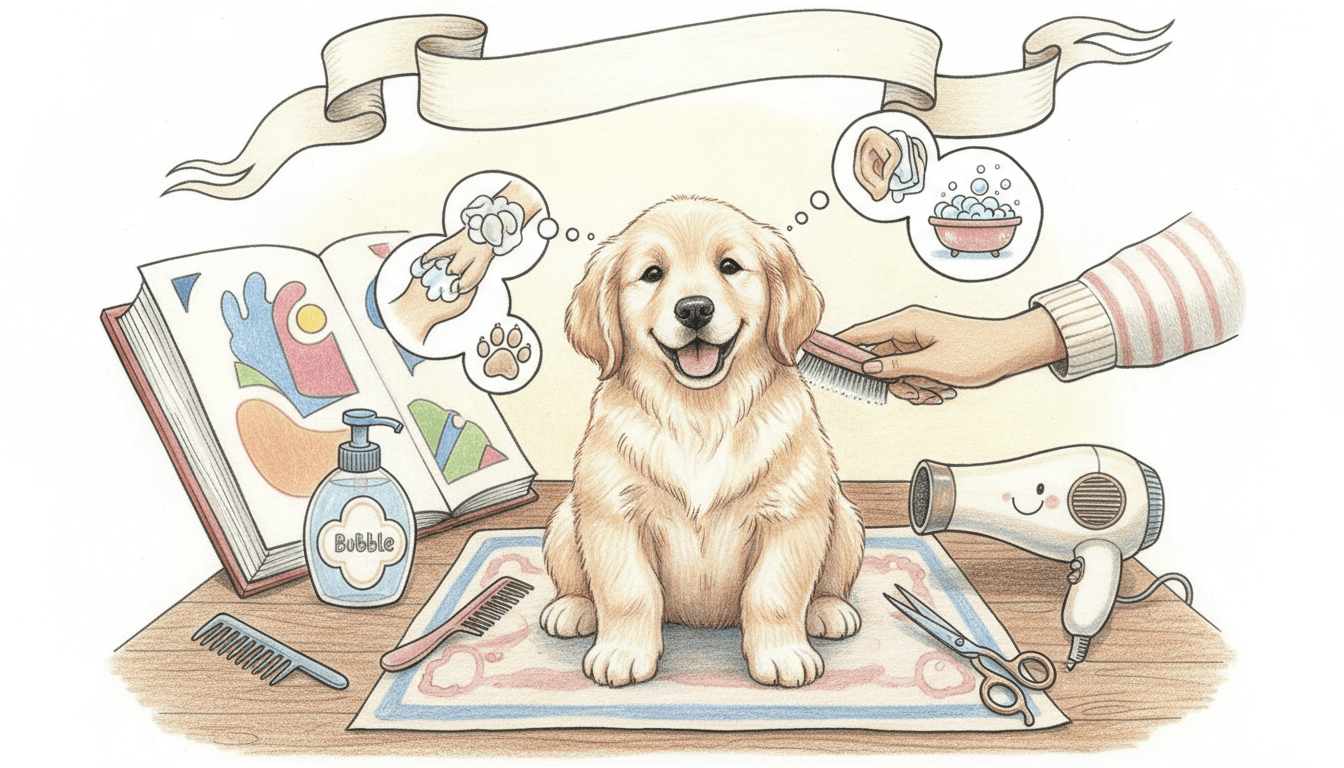
Puppy Grooming Basics: A Comprehensive Guide for Young Dogs
This guide offers a thorough introduction to grooming puppies, focusing on building positive habits from an early age. It covers the ideal first grooming age of 8-16 weeks, initial session durations of 5-10 minutes, and essential tools like soft brushes and puppy-specific nail clippers. Emphasizing gentle techniques and positive reinforcement with treats and praise, it ensures puppies develop a lifelong comfort with grooming, avoiding stress and fear through patient, non-forced approaches.
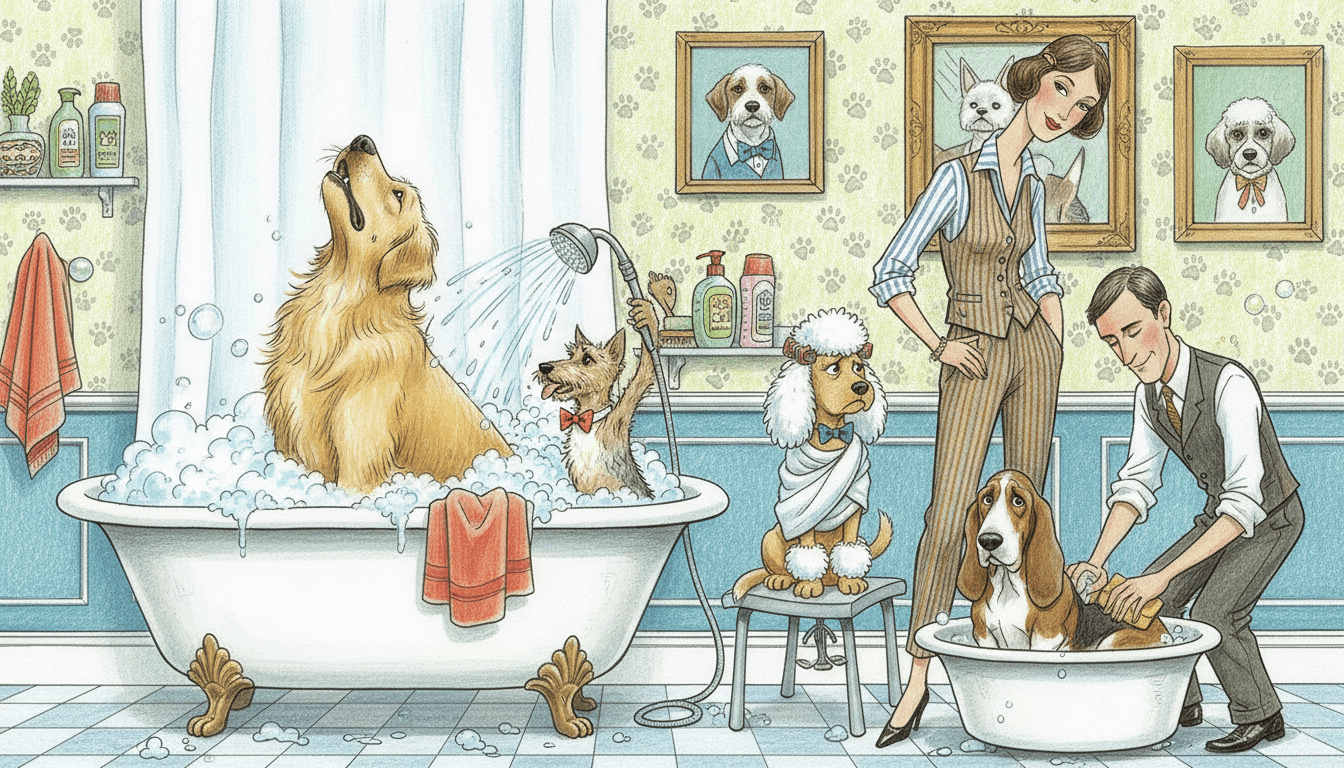
Bathing and Washing Techniques for Dogs: A Comprehensive Guide
Proper bathing is crucial for maintaining a dog's coat health, preventing skin issues, and ensuring overall hygiene. This guide covers detailed preparation steps, washing methods tailored to different coat types, and post-bath care, following veterinary grooming guidelines. Key practices include brushing before bathing to remove tangles, using lukewarm water and dog-specific shampoo, and thorough rinsing to avoid skin irritation. Learn how to adapt bathing frequency based on breed, coat type, and lifestyle for optimal results.
Emergency and First Aid Grooming: Comprehensive Guide to Pet Safety
This essential guide provides expert strategies for managing grooming emergencies, including immediate first aid protocols for accidental cuts, skin tears, allergic reactions, and stress responses. Learn to assemble a complete first aid kit with pet-safe antiseptics, sterile gauze, and emergency contacts. Understand when to halt grooming and seek veterinary assistance, backed by data from Veterinary Emergency and Grooming Experts. Ensure your pet's well-being with proactive measures and professional insights.