

Double-coated breeds possess a sophisticated two-layer fur system comprising a dense, soft undercoat for insulation and a longer, coarser topcoat for protection against elements. This structure, found in breeds like Siberian Huskies, Golden Retrievers, and Shetland Sheepdogs, demands specialized grooming to preserve its functional integrity. Proper techniques prevent matting, manage excessive shedding—particularly during Spring and Fall transitions—and uphold skin health. Utilizing tools such as undercoat rakes and slicker brushes, along with a disciplined bathing schedule of 3-4 times per year, ensures the coat's natural properties remain intact. Crucially, shaving these breeds can irreversibly damage the coat, leading to temperature dysregulation and skin issues, making informed grooming practices vital for long-term wellbeing.
Specifications
Details
Coat Structure
The double coat consists of a dense undercoat made up of short, fine hairs that provide insulation by trapping air close to the skin, regulating body temperature in both cold and warm conditions. The topcoat, composed of longer, water-resistant guard hairs, shields against UV radiation, moisture, and dirt. This dual-layer system is evolutionarily adapted for breeds originating from harsh climates, requiring meticulous care to avoid compaction and loss of functionality.
Seasonal Shedding Management
During Spring, dogs shed their dense winter undercoat to prepare for warmer months, while in Fall, they shed lighter summer coats to grow thicker insulation. Intensive brushing sessions 2-3 times weekly with an undercoat rake are recommended during these periods to remove loose fur and prevent matting. For example, a Golden Retriever may shed up to 50% of its undercoat during peak seasons, necessitating consistent grooming to minimize household hair accumulation and skin irritation.
Tool Usage Techniques
An undercoat rake, with its long, widely spaced teeth, penetrates the topcoat to gently remove loose undercoat without damaging guard hairs. Use in gentle, sweeping motions along the grain of hair growth, focusing on high-shed areas like the ruff, back, and hindquarters. A slicker brush, featuring fine, bent wires, should be employed for detangling the topcoat and smoothing the surface; apply with light pressure to avoid scratching the skin. Deshedding shampoo, formulated with conditioners like omega fatty acids, can be used during baths to loosen dead hair and moisturize the skin, enhancing brush-out efficiency.
Bathing Protocol
Bathe double-coated breeds only 3-4 times per year to preserve natural oils that waterproof and protect the coat. Over-bathing can strip these oils, leading to dryness, irritation, and reduced insulation. Use lukewarm water and a deshedding shampoo, working it into a rich lather and rinsing thoroughly to prevent residue. Always brush thoroughly before bathing to remove tangles, as wet hair is more prone to matting. Dry completely with a high-velocity dryer on a cool setting to fluff the coat and blow out loose undercoat.
Avoiding Common Mistakes
Shaving double-coated breeds is a critical error, as it disrupts the coat's ability to regulate temperature, potentially causing overheating in summer and hypothermia in winter. Additionally, shaved coats may grow back unevenly, altering texture and color permanently. Avoid using human shampoos or harsh chemicals that can irritate sensitive skin. Refrain from brushing a dry, dirty coat aggressively, which can break hairs and cause static, instead using a conditioning spray if needed for ease.
Comparison Points
Undercoat rakes vs. shedding blades: Rakes are ideal for penetrating dense undercoats without cutting guard hairs, whereas shedding blades may be too abrasive for sensitive skin.
Slicker brushes vs. pin brushes: Slicker brushes excel at removing tangles and loose topcoat, while pin brushes are better for finishing and smoothing without penetrating the undercoat.
Deshedding shampoos vs. regular dog shampoos: Deshedding variants contain moisturizing agents to reduce breakage and ease hair removal, unlike standard shampoos that focus solely on cleansing.
Important Notes
Consult a veterinarian or professional groomer if you notice excessive shedding, bald patches, or skin inflammation, as these may indicate underlying health issues. Regular grooming not only maintains appearance but also strengthens the bond between owner and pet, providing opportunities for early detection of lumps, parasites, or injuries. Always prioritize positive reinforcement during grooming sessions to reduce stress and build trust.
Related Articles
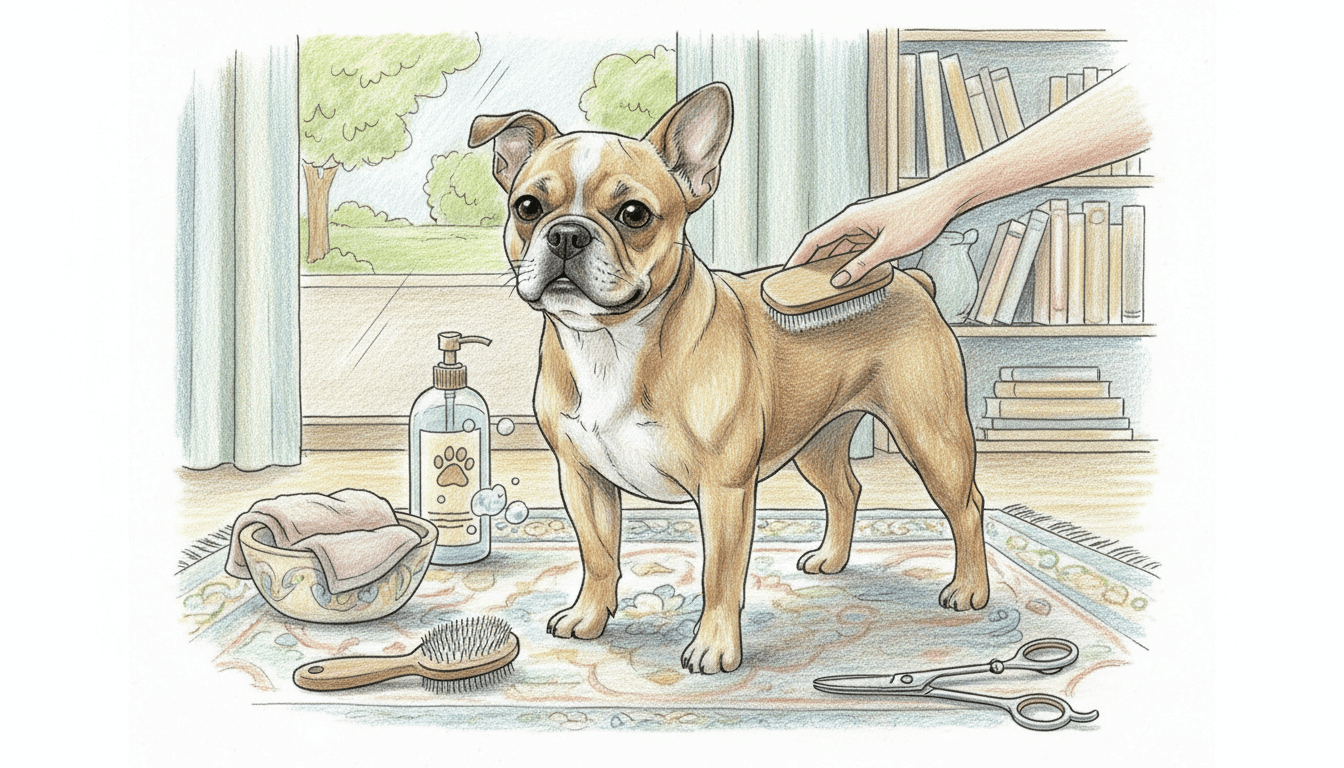
Short-Haired Breed Grooming Essentials: A Professional Guide for Boxers, Beagles, and Dalmatians
This comprehensive guide covers essential grooming practices for short-haired dog breeds, emphasizing weekly brushing with bristle or rubber brushes to distribute natural oils, remove loose hair, and minimize shedding. Learn optimal bathing intervals of 4-6 weeks, proper tool selection, and techniques to maintain coat health without over-stripping oils. Veterinary grooming experts recommend these methods to reduce allergens, prevent skin issues, and keep breeds like Boxers, Beagles, and Dalmatians looking and feeling their best with minimal effort.
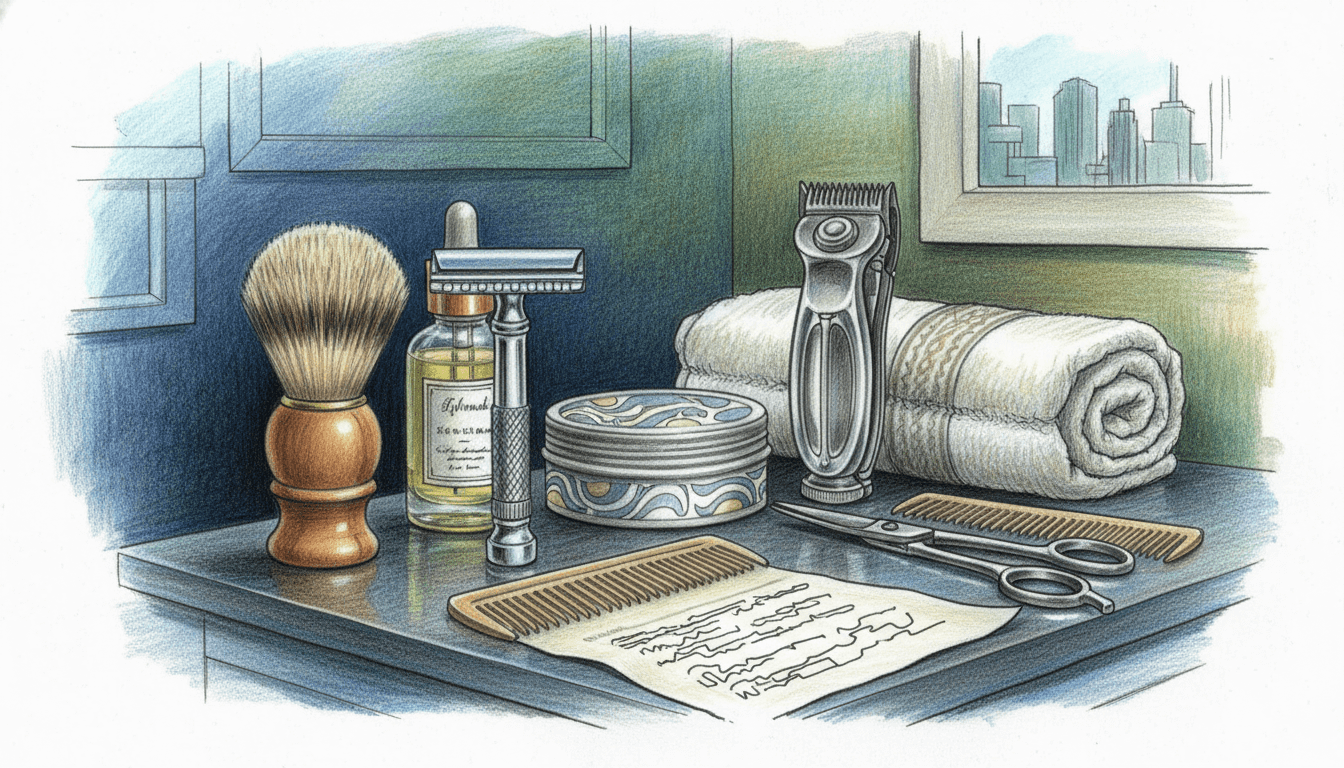
Essential Grooming Tools and Equipment for Optimal Dog Care
This guide provides a thorough examination of essential grooming tools and equipment tailored for various dog breeds and coat types. By selecting appropriate brushes, nail clippers, scissors, shampoos, and dryers based on coat type, breed characteristics, and temperament, pet owners can ensure efficient grooming, prevent discomfort, and maintain coat health. Investing in high-quality equipment and adhering to regular maintenance routines are critical for long-term effectiveness and the well-being of your canine companion.
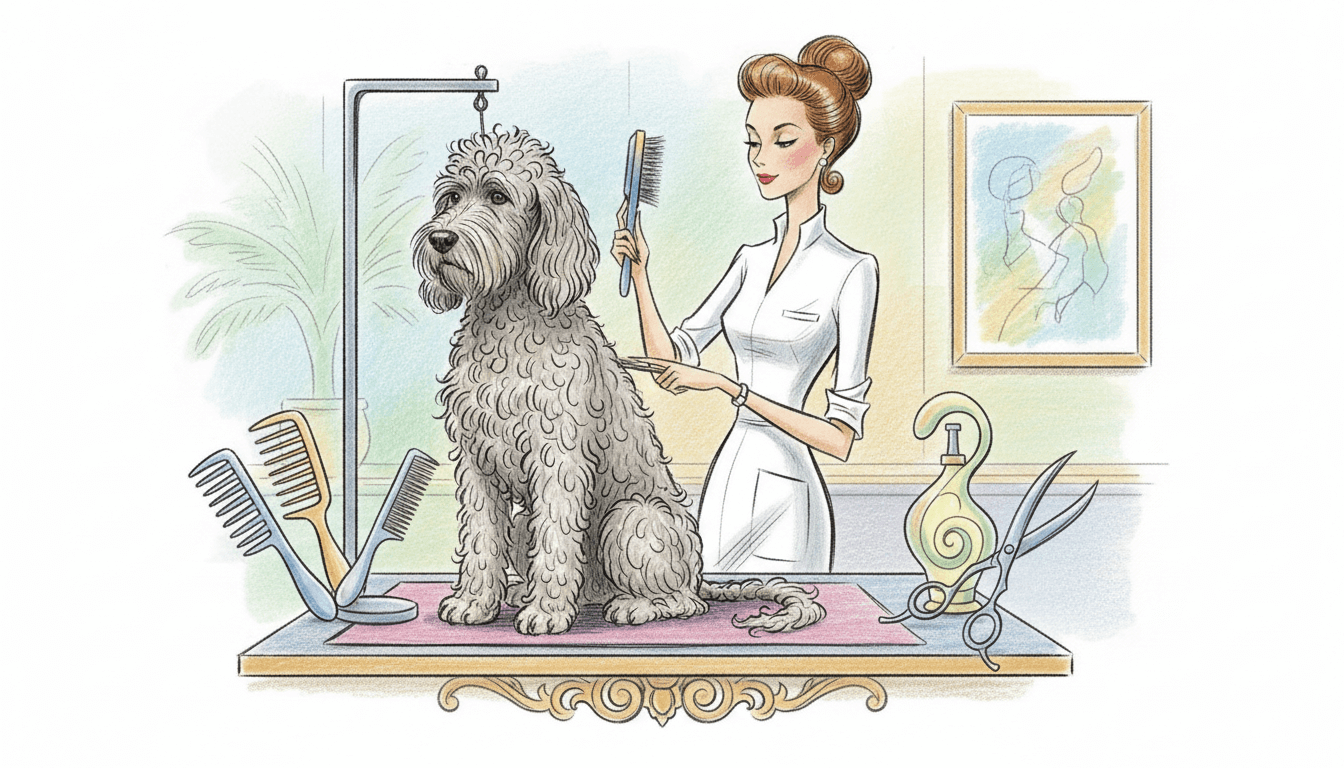
Advanced Grooming for Curly and Wire-Coated Breeds: Techniques and Tools
This comprehensive guide covers specialized grooming techniques for breeds with curly or wire-coated fur, including Poodles, Bichon Frises, Scottish Terriers, and Portuguese Water Dogs. Learn about daily brushing routines, hand-stripping methods for wire coats, and why clipping should be avoided. With recommended tools like slicker brushes and stripping combs, and professional grooming every 4-8 weeks, this guide helps maintain coat texture, prevent matting, and ensure your pet's comfort. Based on expert advice from Professional Grooming Associations, it provides actionable steps for optimal coat health.
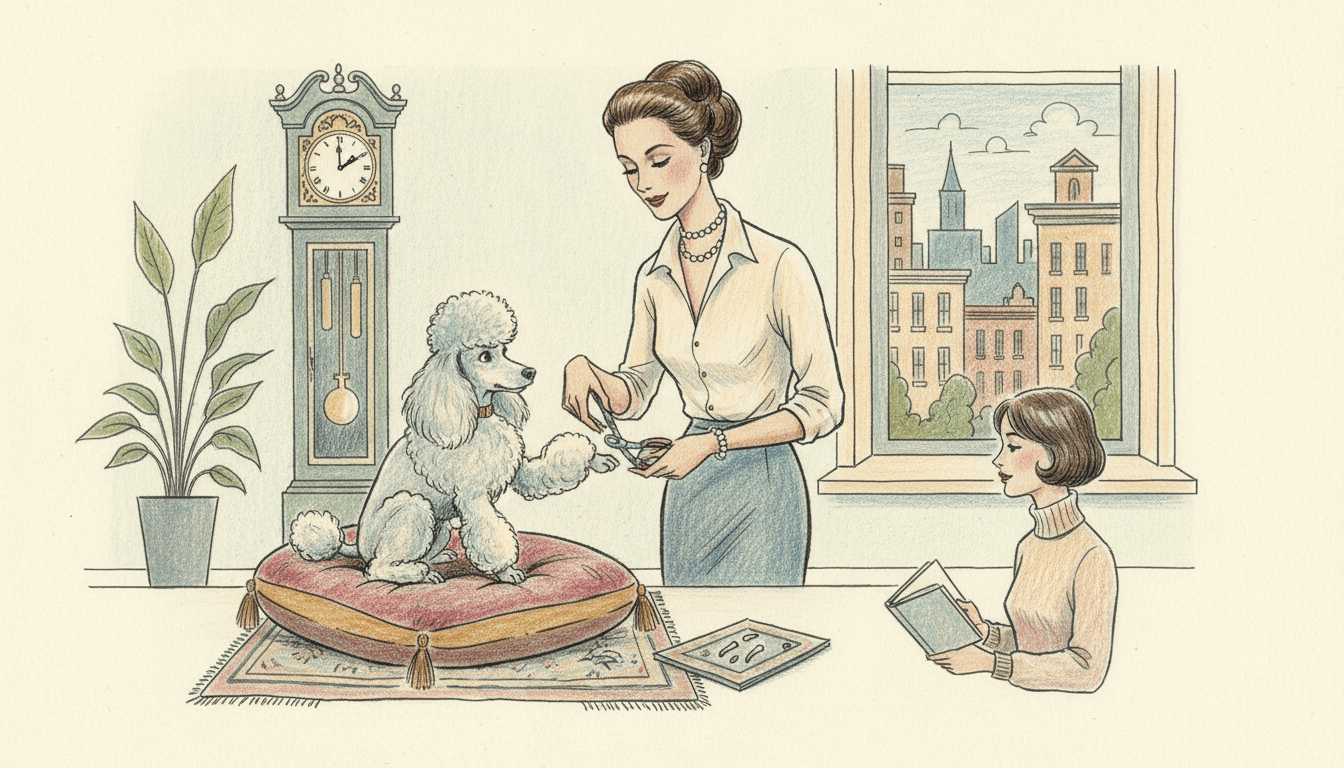
Nail Care and Trimming Techniques for Dogs
Proper dog nail care is essential for their comfort, mobility, and paw health. This guide covers safe trimming techniques, tool selection like guillotine-style and scissor-style clippers, and handling paw sensitivity. Key practices include familiarizing dogs with paw handling, using positive reinforcement, and trimming small amounts to avoid the quick. Regular maintenance prevents issues such as overgrowth, which affects 65% of dogs, and reduces the risk of joint strain. Always have styptic powder on hand for emergencies to ensure a stress-free experience for both pet and owner.
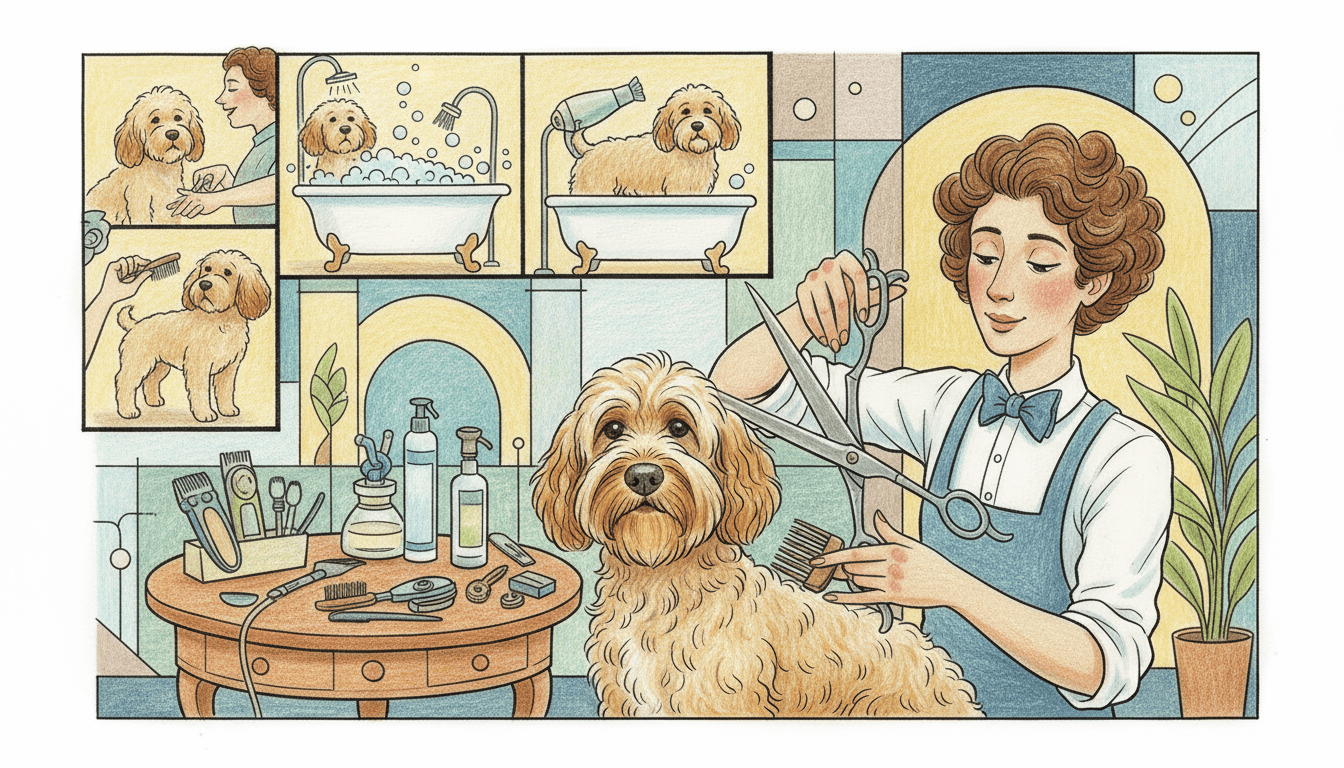
Curly-Coated Dog Grooming Techniques: A Comprehensive Guide for Optimal Coat Health
This comprehensive guide covers essential grooming techniques for curly-coated dog breeds like Poodles, Bichon Frises, and Portuguese Water Dogs. Learn how daily brushing with slicker brushes and combs prevents matting, the importance of professional trimming every 4-6 weeks, and specialized routines to maintain coat texture. With expert tips on detangling sprays, precision cuts, and coat conditioning, this guide ensures your dog's distinctive appearance and health are preserved year-round.
Senior Pet Grooming: Comprehensive Guide for Aging Animal Care
This detailed guide addresses the specialized grooming needs of senior pets, focusing on gentle techniques for animals with reduced mobility, age-related health conditions, and changing coat textures. Learn how to use supportive surfaces, take frequent breaks, and select appropriate tools like soft brushes and electric nail trimmers. Regular health monitoring for lumps or skin changes is emphasized, alongside consulting veterinarians for any concerns. Adapted from Geriatric Pet Care Professionals, this resource ensures compassionate, effective care for older pets.
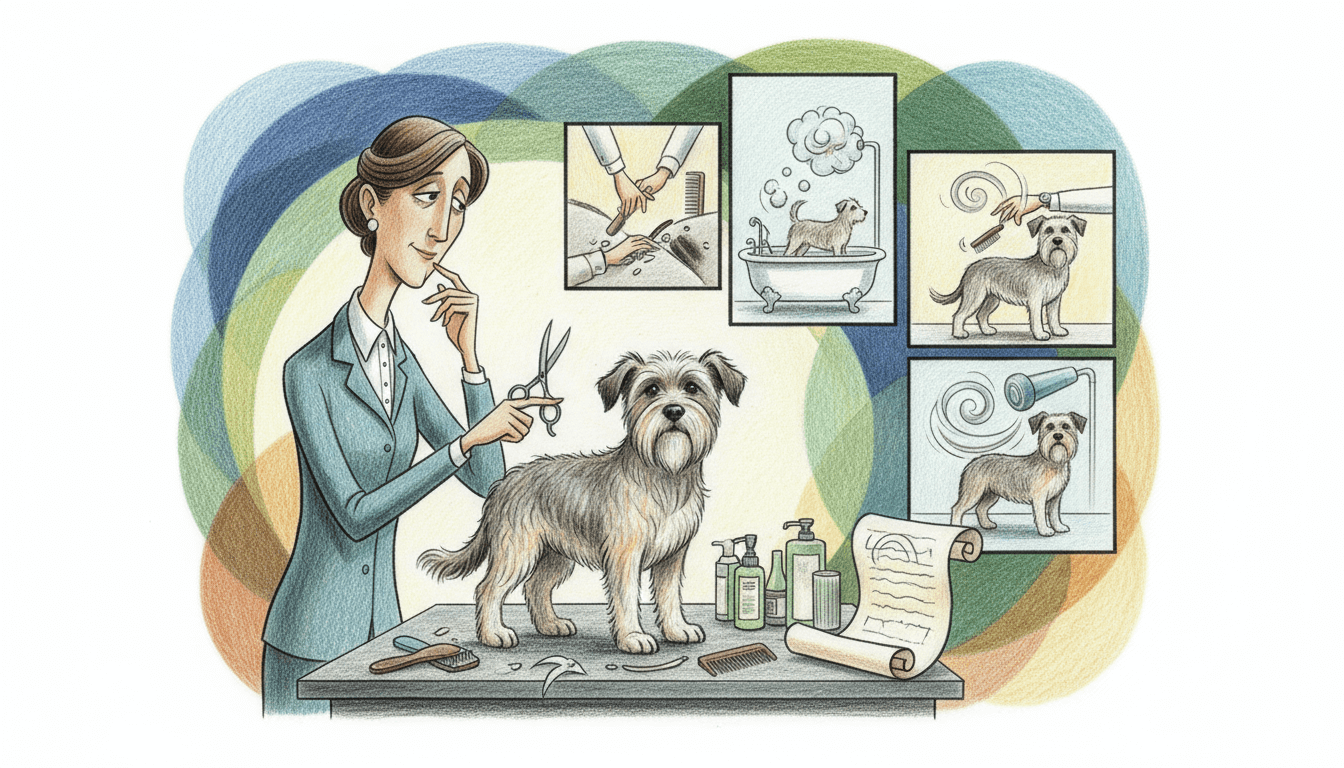
Mixed-Breed Pet Grooming Essentials: Comprehensive Strategies for Diverse Genetic Backgrounds
This guide provides expert insights into grooming mixed-breed pets, emphasizing the importance of assessing individual genetic traits to tailor care. It covers bathing frequency every 4-6 weeks, brushing routines for long and short hair types, and special considerations like using positive reinforcement and consulting professionals. By understanding coat types, skin sensitivities, and temperament, pet owners can implement effective grooming practices that promote health and comfort for their unique companions.
Professional Dog Grooming Techniques: Advanced Methods and Breed-Specific Care
This comprehensive guide explores professional dog grooming techniques, emphasizing essential tools like slicker brushes, nail clippers, and professional-grade clippers. It covers specialized services such as ear cleaning, anal gland expression, and skin condition checks, which are critical for detecting health issues early. Regular grooming not only enhances a dog's appearance but also promotes overall health and well-being, with tailored approaches for different breeds and coat types. Professional groomers provide expertise that extends beyond basic maintenance, ensuring dogs remain comfortable and healthy through systematic care practices.

Exotic and Rare Breed Grooming: A Comprehensive Guide to Unique Coat Care
This professional guide offers specialized grooming insights for exotic and rare dog and cat breeds, addressing challenges like hairless varieties, extremely long or curly coats, and unique textures. It emphasizes breed-specific techniques, precision tools, and expert consultations to maintain distinctive appearances and health. Key considerations include skin protection, temperature sensitivity, and tailored product usage, with recommendations supported by data from Exotic Pet Grooming Specialists.
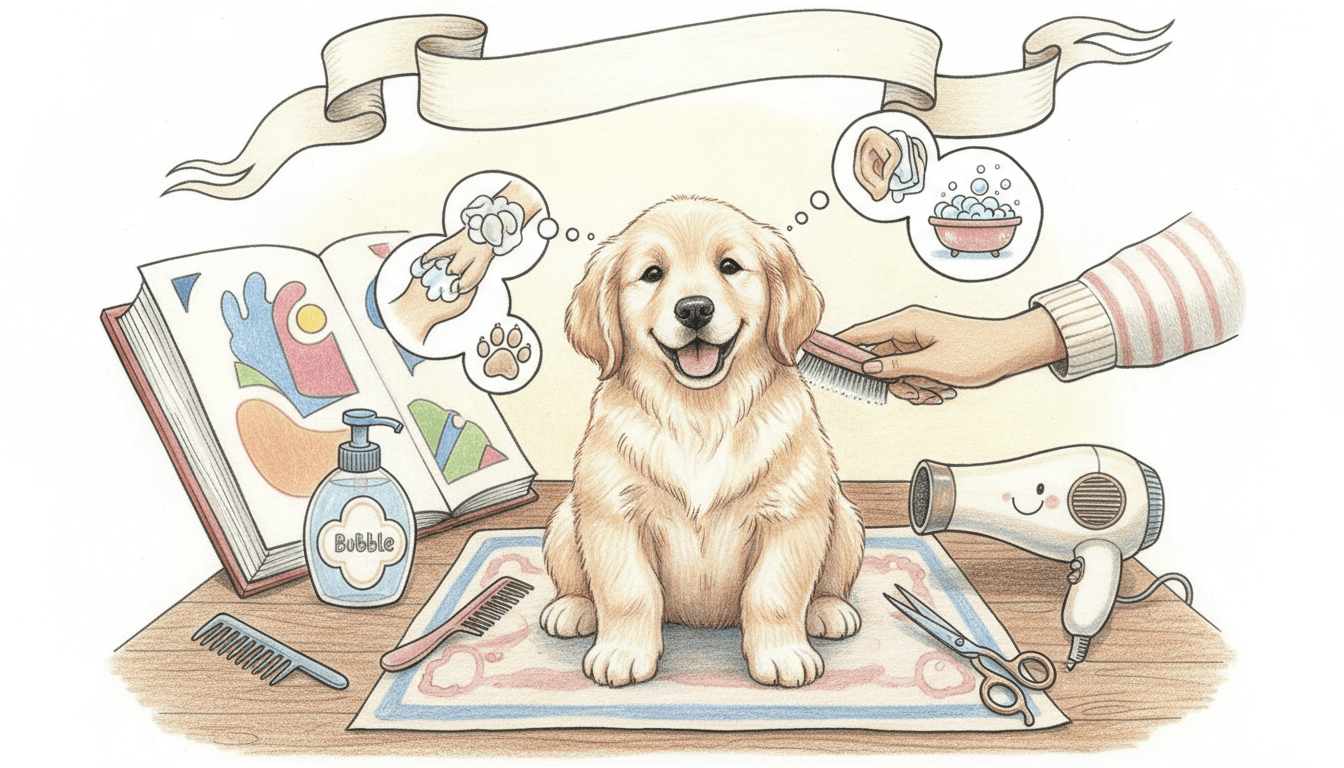
Puppy Grooming Basics: A Comprehensive Guide for Young Dogs
This guide offers a thorough introduction to grooming puppies, focusing on building positive habits from an early age. It covers the ideal first grooming age of 8-16 weeks, initial session durations of 5-10 minutes, and essential tools like soft brushes and puppy-specific nail clippers. Emphasizing gentle techniques and positive reinforcement with treats and praise, it ensures puppies develop a lifelong comfort with grooming, avoiding stress and fear through patient, non-forced approaches.
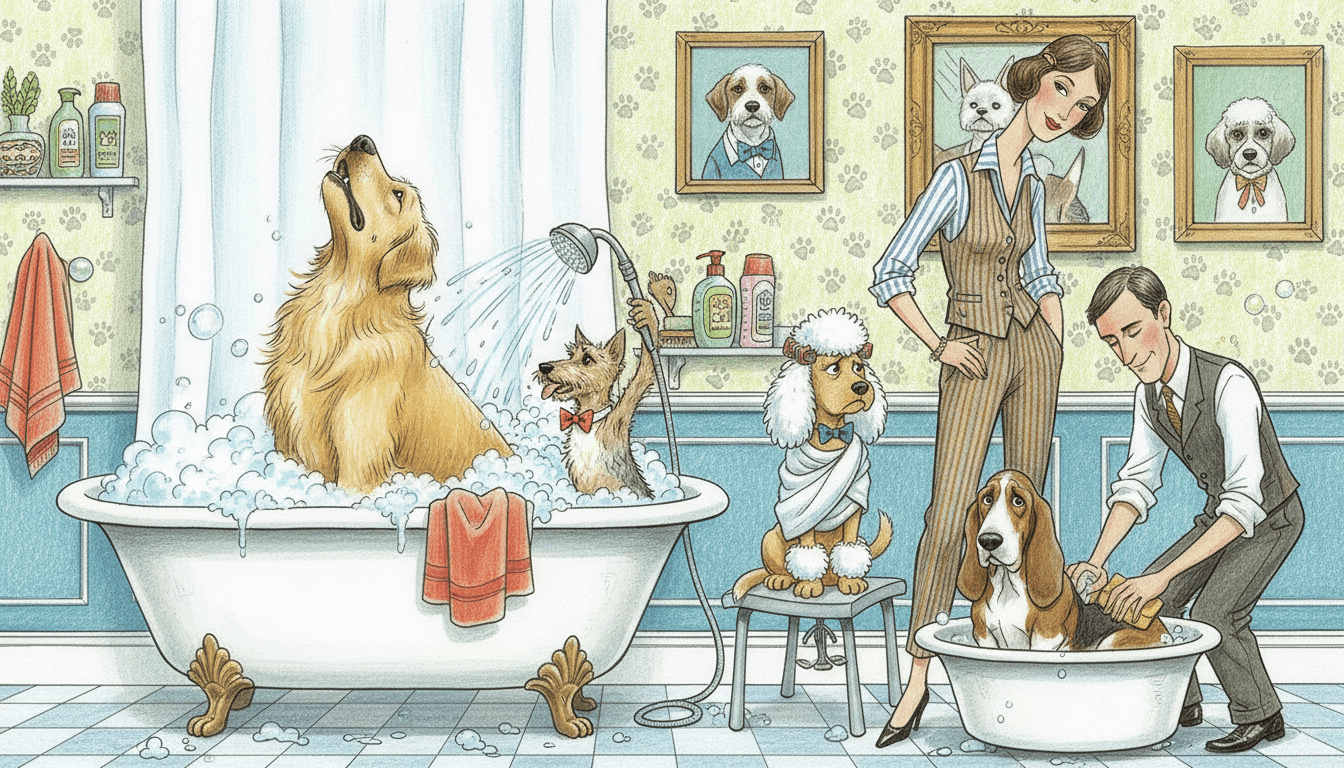
Bathing and Washing Techniques for Dogs: A Comprehensive Guide
Proper bathing is crucial for maintaining a dog's coat health, preventing skin issues, and ensuring overall hygiene. This guide covers detailed preparation steps, washing methods tailored to different coat types, and post-bath care, following veterinary grooming guidelines. Key practices include brushing before bathing to remove tangles, using lukewarm water and dog-specific shampoo, and thorough rinsing to avoid skin irritation. Learn how to adapt bathing frequency based on breed, coat type, and lifestyle for optimal results.
Emergency and First Aid Grooming: Comprehensive Guide to Pet Safety
This essential guide provides expert strategies for managing grooming emergencies, including immediate first aid protocols for accidental cuts, skin tears, allergic reactions, and stress responses. Learn to assemble a complete first aid kit with pet-safe antiseptics, sterile gauze, and emergency contacts. Understand when to halt grooming and seek veterinary assistance, backed by data from Veterinary Emergency and Grooming Experts. Ensure your pet's well-being with proactive measures and professional insights.
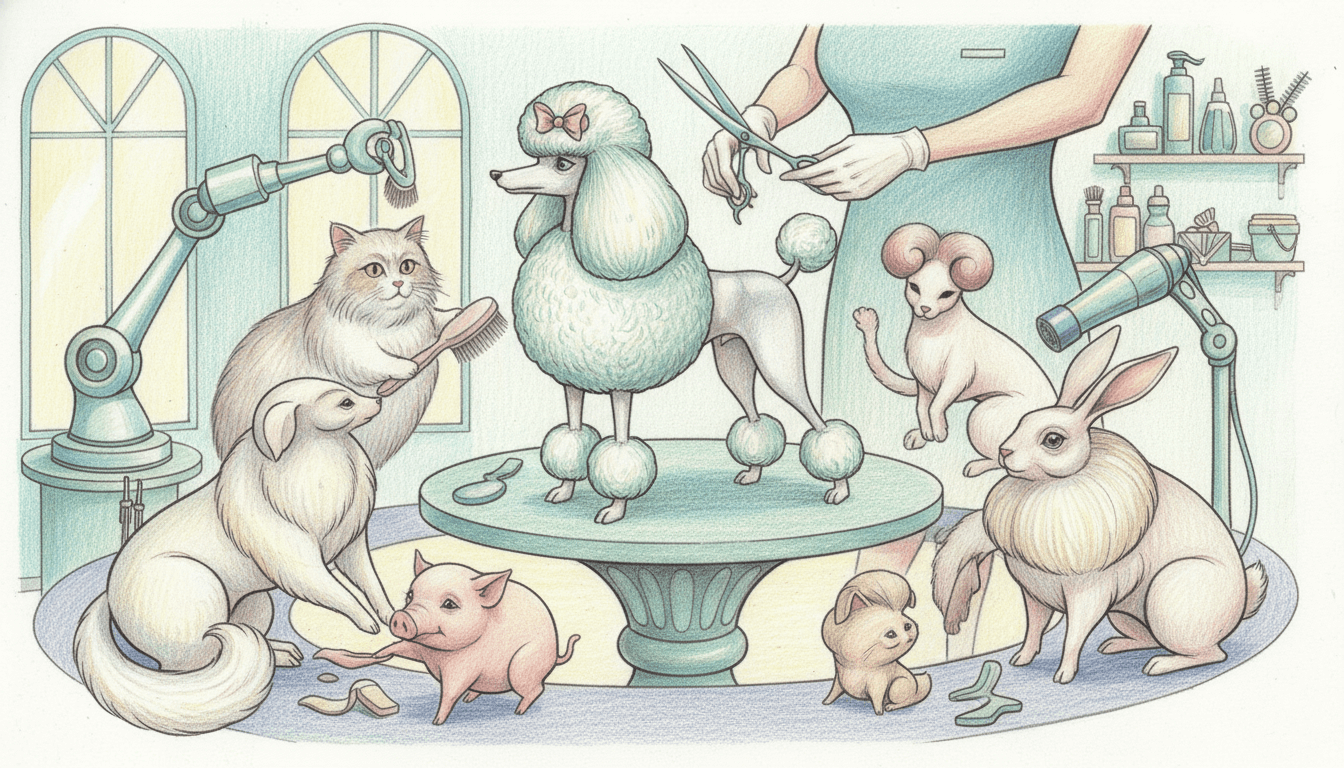
Show Pet Grooming Techniques: Mastering Competition-Ready Appearance
This comprehensive guide delves into professional show pet grooming, emphasizing breed-specific standards and meticulous techniques to achieve a flawless competition appearance. Learn essential steps including washing with high-quality shampoos, precise brushing from tips to roots, and intricate trimming aligned with breed guidelines. The guide also covers competition preparation strategies like regular practice, professional consultations, and stress-free approaches. Backed by expert insights, it ensures pets meet the highest aesthetic and technical requirements for success in shows, enhancing coat health and overall presentation.
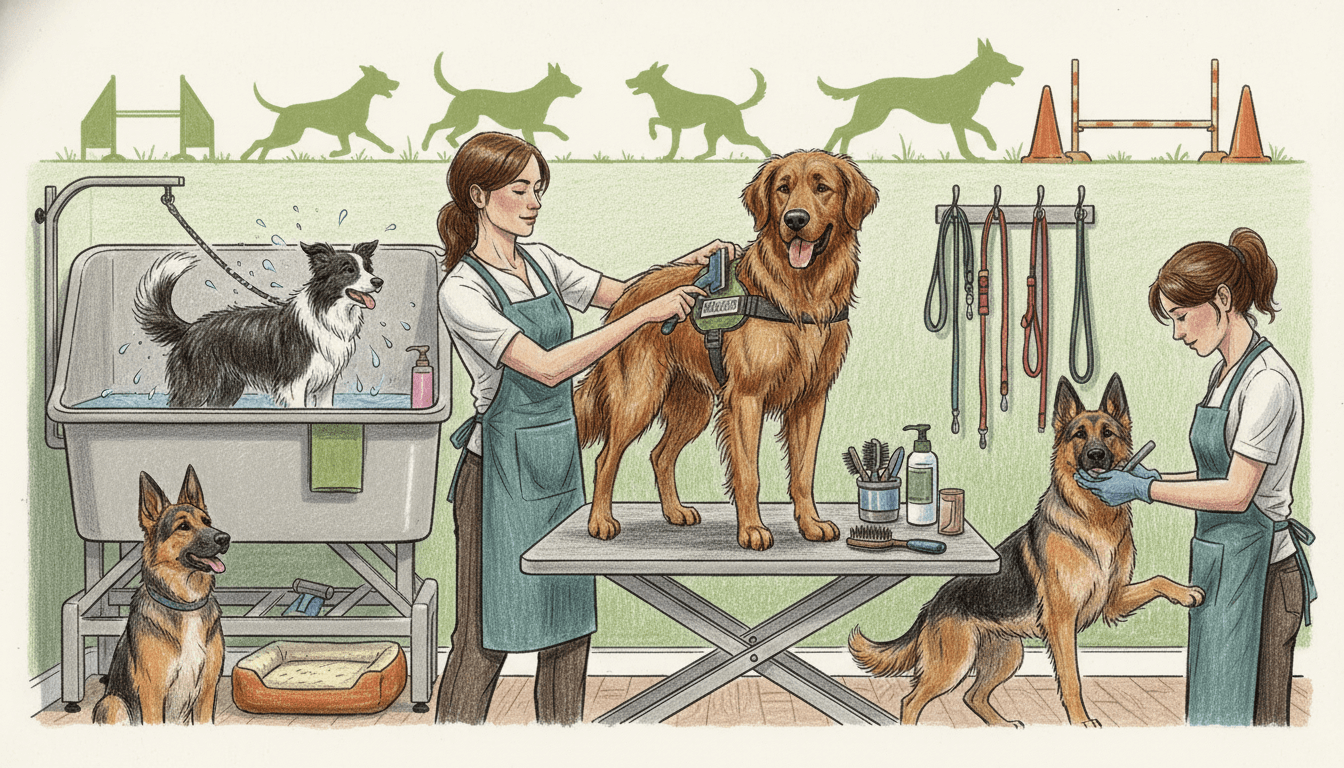
Grooming for Working and Athletic Dogs: Optimizing Performance and Health
This comprehensive guide details specialized grooming techniques for working and athletic dog breeds, such as herding, service, search and rescue, and racing dogs. Emphasizing coat protection, injury prevention, quick-dry methods, and minimal interference with performance, it incorporates expert insights from Professional Working Dog Care Specialists. Learn about precision trimming, paw pad care, and aerodynamic styling to maintain peak physical condition and support the demanding roles these high-performance canines fulfill.