
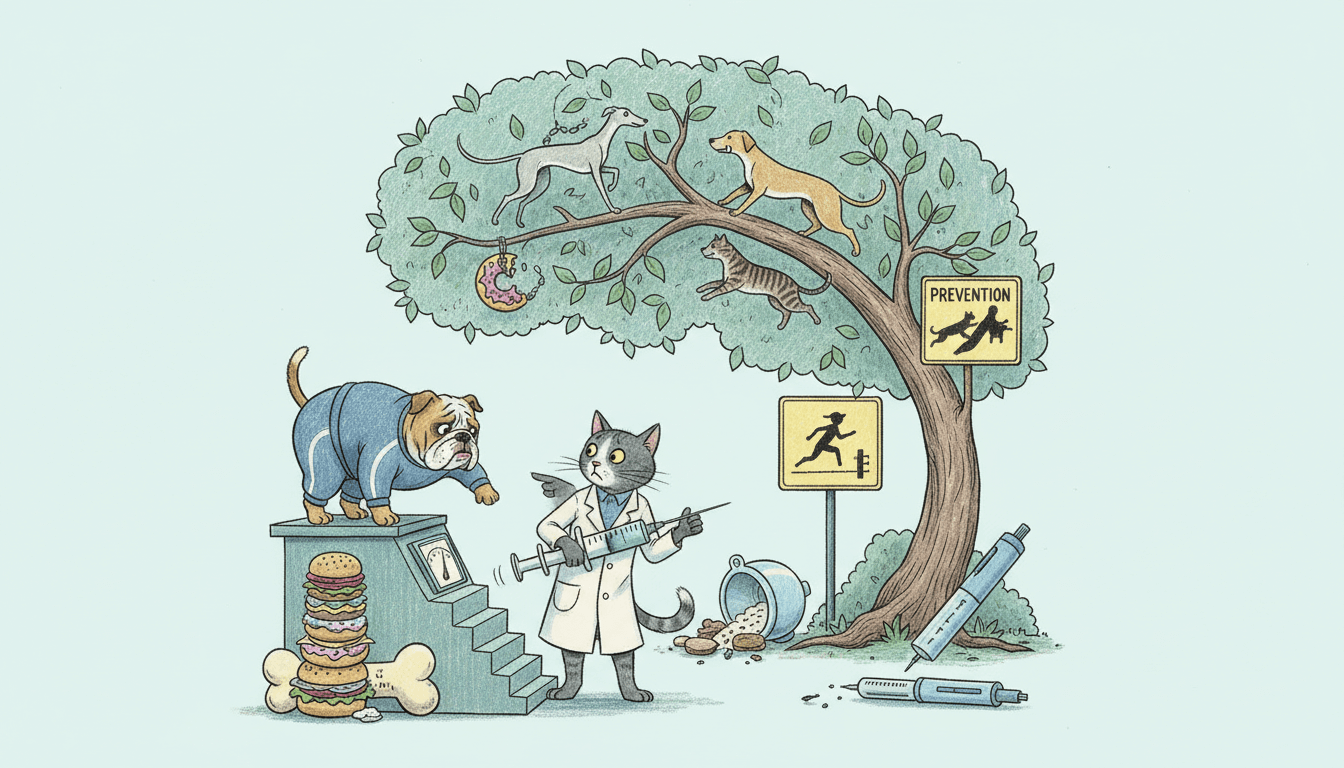
Pet obesity is a growing concern, affecting over 50% of dogs and cats in developed countries, leading to preventable conditions like diabetes, cardiovascular disease, and osteoarthritis. Understanding the fundamentals of weight management—regular monitoring, controlled feeding, and professional guidance—is crucial for pet owners. This article delves into evidence-based practices to help your pet achieve and maintain a healthy weight, enhancing longevity and quality of life.
Sections
Understanding Pet Obesity and Its Health Risks
Obesity in pets is defined as an excess of body fat that adversely affects health, with risks including insulin-resistant diabetes, hypertrophic cardiomyopathy, and degenerative joint disease. Studies show that obese pets have a 2.5 times higher likelihood of developing these conditions. Regular veterinary assessments using Body Condition Scoring (BCS) can identify early signs, allowing for timely interventions. Factors such as breed predisposition, age, and lifestyle contribute to weight gain, necessitating a proactive approach to prevention.
Essential Weight Management Strategies
Effective weight management hinges on consistent practices: schedule monthly weigh-ins using calibrated scales, and adjust diets based on activity levels and metabolic rates. Portion control is critical—measure food with standard cups or grams, avoiding free-feeding. Incorporate high-protein, low-carbohydrate diets, and select low-calorie treats comprising less than 10% of daily caloric intake. For example, a 20kg dog typically requires 700–900 calories daily, but individual needs vary. Collaborate with veterinarians to establish caloric targets and monitor progress through tools like resting energy requirement (RER) calculations.
The Role of Veterinary Guidance in Personalized Plans
Veterinarians provide tailored nutrition and fitness plans, considering species, breed, and pre-existing conditions. They may recommend therapeutic diets, prescribe supplements like omega-3 fatty acids for joint health, or design exercise regimens such as 30-minute daily walks for dogs or interactive play for cats. Annual check-ups include blood panels to screen for obesity-related issues, ensuring early detection. Telehealth consultations offer convenient follow-ups, reinforcing adherence to weight management protocols and adjusting strategies as pets age or their health status changes.
Nutrition and Exercise: A Balanced Approach
A species-specific nutritional approach involves selecting diets with optimal fiber content to promote satiety and regulate glucose metabolism. For instance, cats thrive on high-moisture, protein-rich foods to prevent urinary tract diseases, while dogs benefit from balanced omega-6 to omega-3 ratios. Exercise should be species-appropriate: dogs may engage in agility training or swimming, whereas cats require vertical spaces and puzzle feeders. Aim for at least 150 minutes of moderate activity weekly for dogs, adjusting for breed energy levels. Track outcomes using wearable pet activity monitors to ensure consistency and effectiveness.
Key Takeaways
Monitor weight monthly and use BCS for accurate assessments.
Control portions and choose low-calorie, nutrient-dense foods.
Consult veterinarians for customized diet and exercise plans.
Incorporate regular, species-appropriate physical activities.
Address obesity proactively to mitigate diabetes, heart disease, and joint issues.
Frequently Asked Questions
How often should I weigh my pet?
What are the best low-calorie treats for pets?
When should I consult a veterinarian about my pet's weight?
Can exercise alone resolve pet obesity?
Conclusion
Proactive weight management is essential for safeguarding pets from obesity-related ailments like diabetes and joint problems. By implementing regular monitoring, portion control, and veterinarian-supervised plans, owners can significantly enhance their pets' health spans. Embrace these strategies to foster a vibrant, active lifestyle for your companion, supported by reliable resources and professional insights from Pet Services Best.