
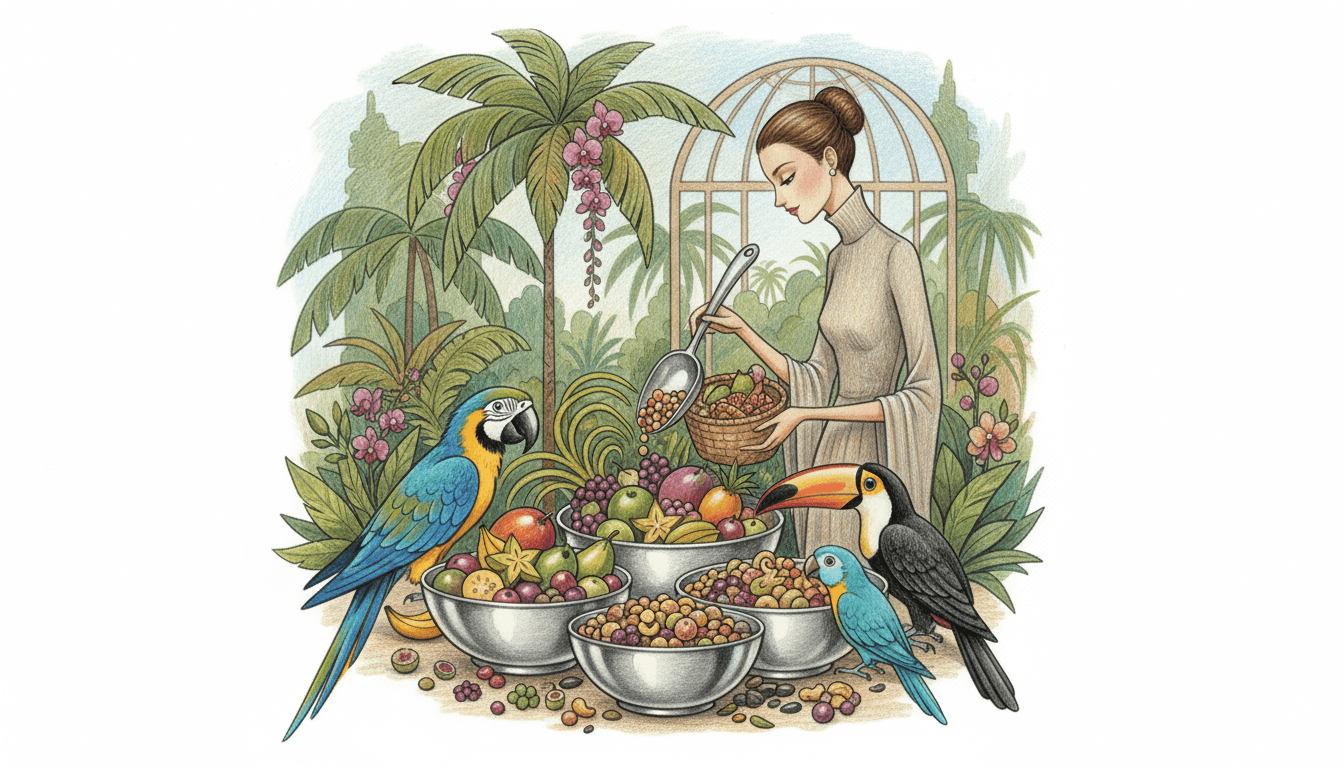
Exotic pets, particularly birds, possess unique dietary requirements that diverge significantly from those of mammals. While many owners default to seed-based diets, this approach is nutritionally incomplete and can lead to health issues such as obesity, vitamin deficiencies, and shortened lifespans. According to Avian Nutrition Specialists, a well-rounded diet must incorporate seeds, pellets, fruits, and vegetables, customized to the species' specific needs. This article delves into the critical components of exotic pet nutrition, emphasizes the importance of professional consultation, and provides actionable strategies to ensure your pet thrives.
Sections
Understanding Core Diet Components for Birds
A balanced avian diet comprises four primary elements: seeds, pellets, fruits, and vegetables. Seeds, while a traditional staple, are high in fat and lack essential nutrients like calcium and vitamin A, making them insufficient as a sole food source. Pellets, formulated to provide complete nutrition, should constitute 50-70% of a bird's diet, offering vitamins, minerals, and amino acids in precise ratios. Fresh fruits and vegetables, such as apples, carrots, and leafy greens, supply antioxidants and fiber, crucial for digestive health. For instance, parrots benefit from daily servings of chopped vegetables, while finches may require finer cuts. Always wash produce thoroughly to remove pesticides, and avoid toxic items like avocado and chocolate, which can be fatal.
The Role of Species-Specific Nutrition
Different bird species have distinct metabolic and dietary needs. Larger parrots, such as macaws and cockatoos, need higher fat intake from nuts and seeds, supplemented with pellets to prevent malnutrition. Smaller birds, like canaries and budgies, thrive on pellet-based diets with occasional seed treats. Exotic pets beyond birds, including reptiles and small mammals, also require tailored nutrition; for example, herbivorous reptiles need calcium-rich greens, while insectivores demand live prey. Consulting an avian veterinarian ensures recommendations align with your pet's size, age, and activity level, reducing risks of disorders like metabolic bone disease or fatty liver syndrome. Studies show that species-specific diets can improve lifespan by up to 20% in captive birds.
Why Professional Guidance Is Non-Negotiable
Avian veterinarians play a pivotal role in crafting effective nutrition plans. They assess factors like beak health, feather condition, and weight to identify deficiencies early. For example, a bird with dull plumage might need more omega-3 fatty acids, while one with soft bones could require calcium supplements. Regular check-ups, ideally every 6-12 months, allow for dietary adjustments based on life stage changes, such as molting or breeding. Additionally, veterinarians can advise on safe food preparation methods and portion control, as overfeeding fruits can lead to diabetes in susceptible species. Relying on expert input, rather than generic advice, ensures your pet receives optimal care backed by scientific evidence.
Common Nutritional Mistakes and How to Avoid Them
Many owners unintentionally harm their pets through dietary errors. A frequent mistake is over-reliance on seeds, which contributes to obesity in over 60% of pet birds according to avian health surveys. Another issue is offering human foods high in salt, sugar, or preservatives, leading to kidney and liver damage. To prevent these pitfalls, gradually transition birds to pellet-based diets over 2-4 weeks, mixing increasing proportions of pellets with seeds. Monitor food intake daily, and remove uneaten fresh items within hours to avoid spoilage. Educate yourself on toxic substances, such as onions and caffeine, and use fortified supplements only under veterinary supervision to avoid hypervitaminosis.
Implementing a Holistic Nutrition Strategy
A successful nutrition plan integrates variety, balance, and consistency. Start by establishing a feeding schedule with 70% pellets, 20% vegetables, and 10% fruits for most bird species, adjusting based on veterinarian advice. Incorporate foraging toys to stimulate mental health and mimic natural eating behaviors. For exotic non-avian pets, research their wild diets; for instance, hedgehogs need high-protein insect-based foods, while sugar gliders require nectar substitutes. Track your pet's health through regular weight checks and behavioral observations, and update their diet as needed. By embracing a proactive approach, you can enhance your pet's vitality, immunity, and overall quality of life.
Key Takeaways
Diversify diets beyond seeds to include pellets, fruits, and vegetables for complete nutrition.
Consult an avian veterinarian for species-specific dietary recommendations tailored to your pet's needs.
Avoid common mistakes like seed-only feeding and offering toxic human foods to prevent health issues.
Implement a structured feeding plan with regular monitoring to ensure long-term wellness.
Frequently Asked Questions
Can I feed my bird only seeds if they refuse other foods?
How often should I consult an avian veterinarian about my pet's diet?
What are the signs of poor nutrition in birds?
Are there safe human foods for exotic pets?
Conclusion
Providing optimal nutrition for birds and exotic pets demands a informed, multifaceted approach. By prioritizing diverse diet components, seeking professional guidance, and avoiding common errors, owners can significantly enhance their pets' health and longevity. Remember, each species has unique requirements, and regular veterinary consultations are indispensable for adapting to changing needs. Empower yourself with knowledge and resources to create a nurturing environment where your exotic companion can flourish.