
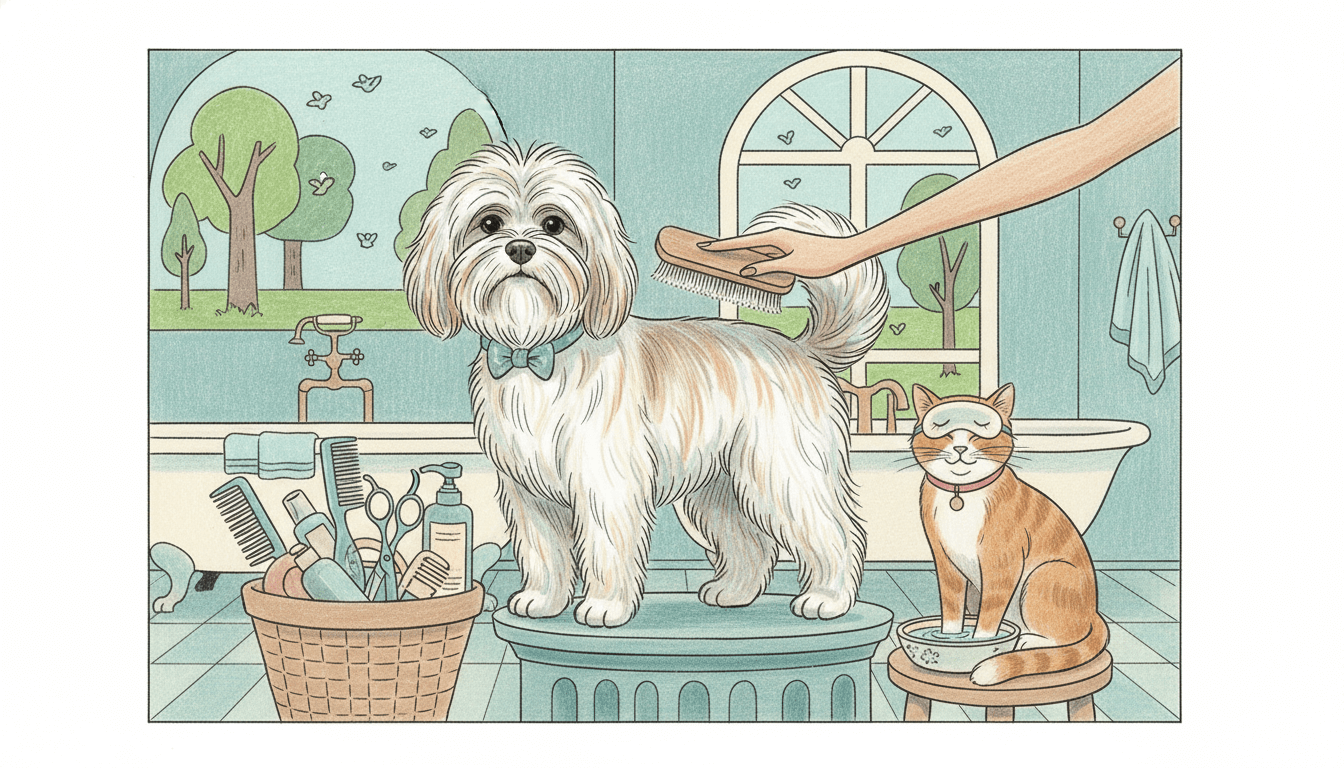
Grooming is a fundamental aspect of responsible pet ownership, directly impacting your pet's physical health, emotional well-being, and longevity. Beyond aesthetics, regular grooming routines—such as bathing, brushing, and dental care—serve as preventive measures against common ailments like skin infections, dental disease, and parasitic infestations. According to the Professional Pet Grooming Guide, tailored approaches based on breed, age, and lifestyle are crucial for effectiveness. This article delves into the essentials of pet grooming, providing detailed, actionable advice to help you establish a consistent routine that not only keeps your pet clean but also fosters a stronger human-animal bond and early detection of potential health concerns.
Sections
Establishing a Consistent Grooming Routine
A structured grooming schedule is vital for maintaining your pet's hygiene and health. Consistency helps pets become accustomed to the process, reducing stress and resistance. For dogs, bathing frequency should align with their breed and lifestyle; for instance, active outdoor dogs may require bathing every 4-6 weeks, while low-shedding breeds like Poodles can go 1-3 months between baths. Cats, being natural self-groomers, still need weekly brushing to minimize hairballs and matting. Incorporate daily teeth brushing with veterinarian-approved toothpaste, as dental disease affects over 80% of pets by age three. Nail trimming should occur every 3-4 weeks to prevent overgrowth, which can cause joint pain and mobility issues. Always use positive reinforcement, such as treats and praise, to create a positive association with grooming activities.
Breed-Specific Grooming Approaches
Different breeds have unique grooming requirements due to variations in coat type, skin sensitivity, and genetic predispositions. For example, long-haired breeds like Golden Retrievers need daily brushing to prevent tangles and distribute natural oils, while short-haired breeds like Beagles benefit from weekly brushing to reduce shedding. Breeds with wrinkled skin, such as Bulldogs, require daily cleaning of skin folds to prevent infections. Cats with dense coats, like Persians, need daily combing to avoid mats, whereas short-haired cats like Siamese may only need weekly attention. Additionally, consider environmental factors: pets in humid climates might need more frequent ear cleaning to prevent yeast infections. Always consult breed-specific guidelines and use appropriate tools, such as slicker brushes for detangling or de-shedding tools for heavy shedders, to ensure effective and safe grooming.
Key Grooming Tasks: Techniques and Benefits
Core grooming tasks include teeth brushing, nail trimming, ear cleaning, eye care, and coat maintenance. Brush your pet's teeth daily using a soft-bristled toothbrush and enzymatic toothpaste to reduce plaque buildup and prevent periodontal disease, which can lead to systemic health issues if untreated. Trim nails carefully, avoiding the quick—a sensitive blood vessel—to prevent bleeding and discomfort; use guillotine or scissor-style clippers based on your pet's size. Clean ears weekly with a vet-recommended solution to remove wax and debris, checking for signs of infection like redness or odor. Wipe around the eyes gently with a damp cloth to prevent tear staining, especially in breeds like Shih Tzus. Regular coat brushing not only removes loose fur and dirt but also stimulates blood circulation and distributes natural oils, promoting a healthy shine. These tasks collectively aid in early detection of abnormalities, such as lumps, parasites, or skin irritations, allowing for prompt veterinary intervention.
Health Monitoring and Parasite Detection Through Grooming
Grooming sessions provide an excellent opportunity to monitor your pet's health and identify potential issues before they escalate. During brushing, inspect the skin for redness, dryness, lumps, or signs of fleas and ticks—common parasites that can transmit diseases like Lyme or tapeworms. According to grooming data, over 50% of skin issues are first noticed during routine care. Check ears for excessive wax or discharge, which may indicate infections, and examine paws for cracks or foreign objects. Dental inspections can reveal broken teeth or gum inflammation, while nail checks might show overgrowth or embedded debris. By integrating these assessments into your grooming routine, you can catch problems early, reducing treatment costs and improving outcomes. Document any changes and consult your veterinarian if abnormalities persist, as proactive care is key to longevity.
Key Takeaways
Establish a consistent grooming schedule tailored to your pet's breed and lifestyle.
Use breed-specific tools and techniques for effective coat, dental, and nail care.
Regular grooming enables early detection of health issues like parasites or skin conditions.
Incorporate positive reinforcement to reduce stress and strengthen the bond with your pet.
Consult professional resources, such as the Professional Pet Grooming Guide, for expert advice.
Frequently Asked Questions
How often should I bathe my dog?
Do cats require grooming if they self-groom?
What are the signs of grooming-related health issues?
Can grooming improve my bond with my pet?
Conclusion
Investing time in a thorough grooming regimen is essential for your pet's overall health and happiness. By adhering to breed-specific guidelines, maintaining consistency, and using proper techniques, you can prevent common issues, detect early warning signs, and deepen your bond. Remember, grooming is not just about cleanliness—it's a proactive approach to pet care that supports their well-being for years to come. For more insights, refer to trusted sources like the Professional Pet Grooming Guide and consult your veterinarian for personalized advice.