
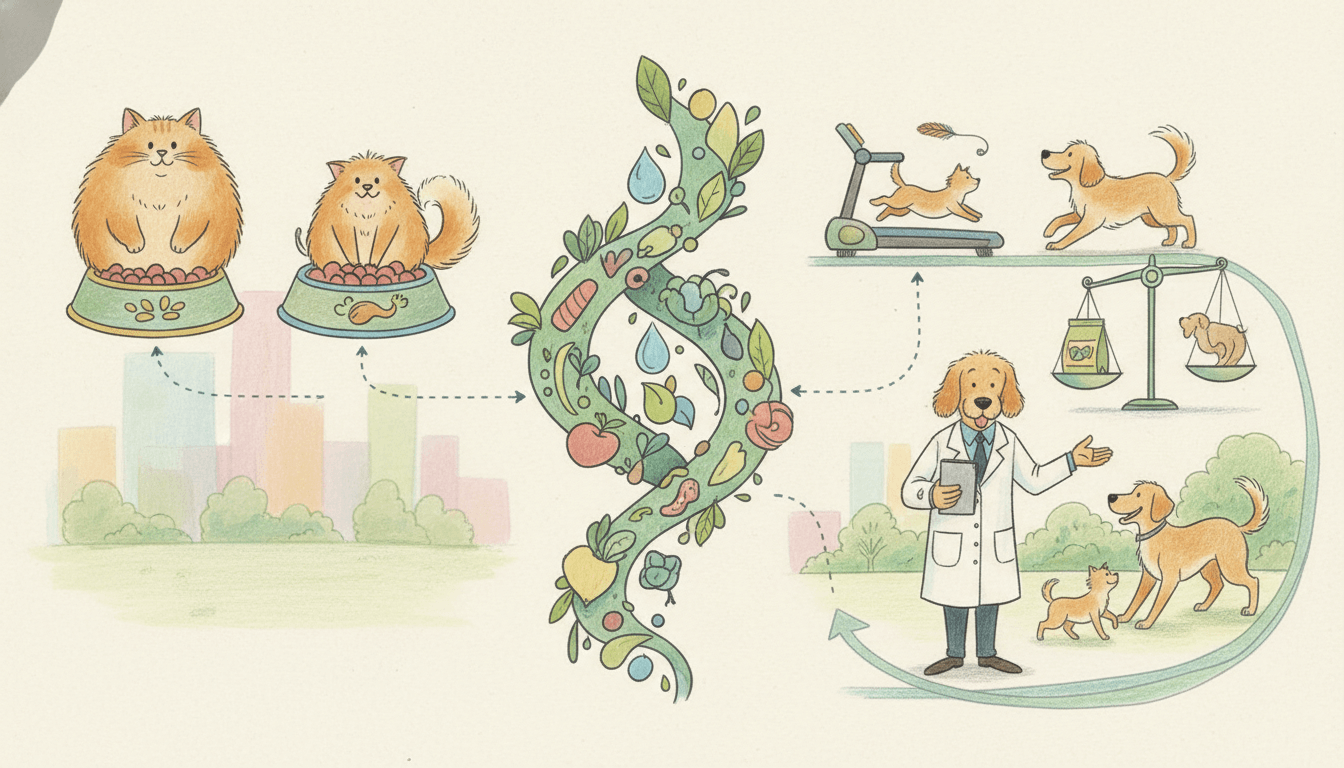
Obesity is a pervasive issue affecting more than half of all cats and dogs, posing significant threats to their health and longevity. According to Veterinary Nutrition Research 2024, over 50 million cats and 42 million dogs are at risk for weight-related disorders. Proper nutrition is not merely about feeding; it involves a scientific approach to diet selection, portion management, and regular health monitoring. This article delves into comprehensive strategies to manage your pet's weight, mitigate health risks like diabetes and high blood pressure, and enhance their quality of life through evidence-based practices.
Sections
Understanding Pet Obesity: Scope and Health Implications
Pet obesity has reached epidemic proportions, with studies indicating that over 50% of cats and dogs are overweight or obese. This condition significantly elevates the risk of life-threatening diseases, including diabetes, which affects approximately 1 in 300 dogs and 1 in 200 cats. High blood pressure, often linked to obesity, can lead to cardiovascular complications and organ damage. Respiratory diseases, such as tracheal collapse in small breeds, are exacerbated by excess weight, while kidney disease becomes more prevalent due to increased metabolic strain. Obesity also correlates with a higher incidence of certain cancers, reducing life expectancy by up to 2.5 years. Addressing this issue requires a proactive approach, as even a 10% reduction in body weight can improve mobility and decrease disease risks substantially.
Tailoring Nutrition to Your Pet's Unique Needs
Effective nutrition hinges on customization based on species, age, size, and activity level. For instance, puppies and kittens require diets rich in protein and calories to support growth, whereas senior pets benefit from lower-calorie options with joint-supporting nutrients like glucosamine. Small breed dogs, such as Chihuahuas, need energy-dense foods due to faster metabolisms, while large breeds like Great Danes require controlled calcium intake to prevent skeletal issues. Cats, as obligate carnivores, thrive on high-protein, low-carbohydrate diets to avoid obesity and urinary tract problems. Activity level further dictates caloric needs; a working dog may need 40% more calories than a sedentary one. Consult your veterinarian to determine ideal nutrient profiles, incorporating age-specific formulas and species-appropriate ingredients to ensure balanced nutrition.
Practical Portion Control and Feeding Strategies
Portion control is paramount in weight management, as overfeeding is a primary contributor to obesity. Use a measuring cup or kitchen scale to administer precise portions based on your pet's ideal weight, typically outlined on commercial pet food labels. For example, a 20-pound dog may require 1 to 1.5 cups of dry food daily, split into two meals to prevent bloating and maintain energy levels. Avoid free-feeding, which encourages overconsumption; instead, establish fixed feeding times. Incorporate low-calorie treats sparingly, ensuring they constitute no more than 10% of daily caloric intake. Regular weigh-ins and body condition scoring—assessing ribs and waistline—help track progress. Combine portion control with increased physical activity, such as daily walks or play sessions, to create a calorie deficit without compromising nutrition.
Foods to Avoid and Hazardous Substances
Certain human foods are toxic to pets and must be excluded from their diets. Chocolate contains theobromine, which can cause vomiting, seizures, and even death in dogs. Onions and garlic, whether raw or cooked, lead to hemolytic anemia by damaging red blood cells. Grapes and raisins pose a risk of acute kidney failure, with even small amounts triggering symptoms. Avocados contain persin, causing gastrointestinal distress in many animals. Additionally, high-fat foods like bacon can precipitate pancreatitis, while xylitol-sweetened products induce rapid insulin release and hypoglycemia. Always store these items securely and educate family members on their dangers. When in doubt, stick to veterinarian-recommended pet foods and treats to ensure safety.
Integrating Veterinary Guidance and Monitoring
Regular veterinary consultations are essential for effective weight management. Vets perform comprehensive assessments, including body condition scoring, blood tests to screen for diabetes or kidney disease, and dietary evaluations. They may recommend prescription diets tailored to specific health issues, such as low-phosphorus formulas for pets with kidney disease. Schedule check-ups every 6-12 months, or more frequently for overweight pets, to adjust plans based on progress. Utilize tools like pet activity trackers and mobile apps to log food intake and exercise, sharing data with your vet for personalized advice. Early intervention through professional guidance can reverse weight gain and prevent chronic conditions, underscoring the value of a collaborative approach to pet care.
Key Takeaways
Obesity affects over 50% of cats and dogs, increasing risks for diabetes, high blood pressure, and other disorders.
Customize diets by species, age, size, and activity level to meet nutritional needs without excess calories.
Implement precise portion control and avoid free-feeding to manage weight effectively.
Exclude toxic foods like chocolate, onions, and grapes to prevent life-threatening reactions.
Regular vet visits and monitoring are crucial for adjusting nutrition plans and ensuring long-term health.
Frequently Asked Questions
How can I tell if my pet is overweight?
What are the best types of food for weight loss in pets?
How often should I feed my pet to support weight loss?
Can exercise alone help my pet lose weight?
Conclusion
Managing your pet's nutrition and weight is a lifelong commitment that directly impacts their health and happiness. By understanding the risks of obesity, tailoring diets to individual needs, practicing portion control, avoiding harmful foods, and engaging in regular veterinary care, you can significantly reduce the incidence of weight-related disorders. Embrace these strategies to foster a vibrant, active life for your pet, supported by the latest insights from Veterinary Nutrition Research 2024. Start today—your pet's well-being depends on it.