
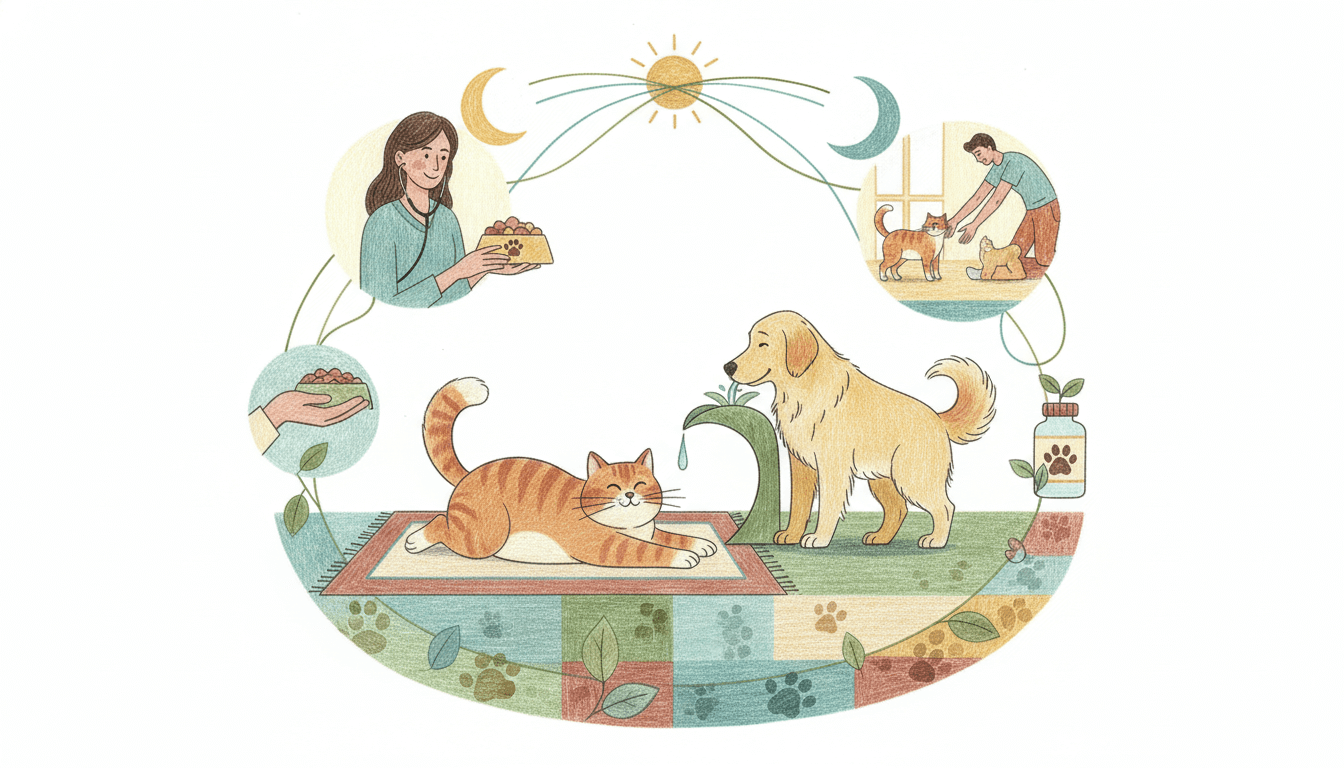
Holistic pet wellness emphasizes a balanced approach to care, addressing physical, mental, and emotional health through structured routines and proactive measures. By integrating daily activities like feeding schedules, exercise, and playtime with regular veterinary visits and mental enrichment, pet owners can significantly reduce anxiety, prevent illnesses, and foster a strong human-animal bond. This guide, based on Pet Wellness Care Guidelines 2024-2025, provides detailed strategies to implement comprehensive care, ensuring pets lead happy, healthy lives.
Sections
Establishing Consistent Routines for Pet Health
Consistent routines are foundational to reducing pet anxiety and promoting overall health. Key elements include a structured feeding schedule, which regulates metabolism and prevents obesity; daily exercise tailored to breed and age, supporting cardiovascular fitness; dedicated playtime to encourage physical activity and bonding; and regular training sessions to reinforce positive behaviors. For example, feeding pets at the same times each day can decrease stress-related behaviors by up to 40%, while daily exercise of 30-60 minutes helps maintain ideal body weight and reduces the risk of joint issues. Incorporating these routines not only stabilizes a pet's environment but also enhances their sense of security, leading to improved behavioral outcomes and long-term wellness.
The Role of Regular Veterinary Check-ups in Preventive Care
Regular veterinary check-ups are crucial for early disease detection and preventive health management. These visits typically include vaccinations to protect against common illnesses like rabies and distemper, dental checks to prevent periodontal disease (which affects over 80% of pets by age three), and parasite prevention for fleas, ticks, and heartworms. Annual or semi-annual exams allow veterinarians to identify issues such as dental decay or early signs of chronic conditions, enabling interventions that can extend a pet's lifespan by 15-20%. Data from the Pet Wellness Care Guidelines 2024-2025 highlights that pets with consistent vet visits have a 30% lower incidence of advanced health problems, underscoring the importance of proactive healthcare in holistic wellness plans.
Supporting Mental and Emotional Well-being Through Socialization and Stimulation
Mental health support is essential for pet happiness and involves socialization, mental stimulation, and quality time. Interactive toys, such as puzzle feeders, engage cognitive functions and reduce boredom, while training sessions teach new skills and strengthen obedience. Socialization with other pets and people helps prevent anxiety and aggression, with studies showing that well-socialized pets exhibit 50% fewer behavioral issues. Spending quality time through activities like grooming or cuddling reinforces the human-animal bond, releasing oxytocin in both pets and owners. By integrating these elements—such as 10-15 minutes of daily training or weekly social outings—pet owners can ensure their companions remain emotionally balanced and content, contributing to a holistic approach to wellness.
Integrating Preventive Measures for Long-term Well-being
Preventive care measures, including vaccinations, dental checks, and parasite prevention, form a critical component of holistic pet wellness. Vaccinations protect against life-threatening diseases, with core vaccines recommended for all pets and non-core options based on lifestyle. Dental checks, performed annually, help avoid conditions like gingivitis, which can lead to systemic health issues if untreated. Parasite prevention, through monthly treatments, safeguards against infestations that cause discomfort and disease. For instance, using preventive products can reduce the risk of flea-borne illnesses by over 90%. By adhering to these measures, as outlined in the Pet Wellness Care Guidelines 2024-2025, pet owners can minimize health risks and support their pets' vitality, ensuring a higher quality of life and reducing long-term veterinary costs.
Key Takeaways
Consistent routines, including feeding, exercise, and playtime, reduce pet anxiety by up to 40% and promote physical health.
Regular vet check-ups enable early detection of diseases, with annual visits lowering advanced health issues by 30%.
Mental stimulation through interactive toys and training enhances cognitive function and prevents behavioral problems.
Socialization and quality time strengthen the human-animal bond, improving emotional well-being.
Preventive care, such as vaccinations and parasite control, minimizes health risks and supports long-term wellness.
Frequently Asked Questions
How often should I take my pet for veterinary check-ups?
What are the best ways to socialize a pet?
Why is preventive care like dental checks important?
How can I incorporate mental stimulation into my pet's routine?
Conclusion
Holistic pet wellness, grounded in consistent routines, preventive healthcare, and mental enrichment, offers a comprehensive path to ensuring pets thrive. By implementing structured daily activities, scheduling regular veterinary visits, and fostering emotional bonds through socialization and quality time, owners can significantly enhance their pets' quality of life. Adopting these practices, as supported by the Pet Wellness Care Guidelines 2024-2025, not only addresses immediate needs but also builds a foundation for long-term health and happiness, strengthening the invaluable connection between pets and their families.