
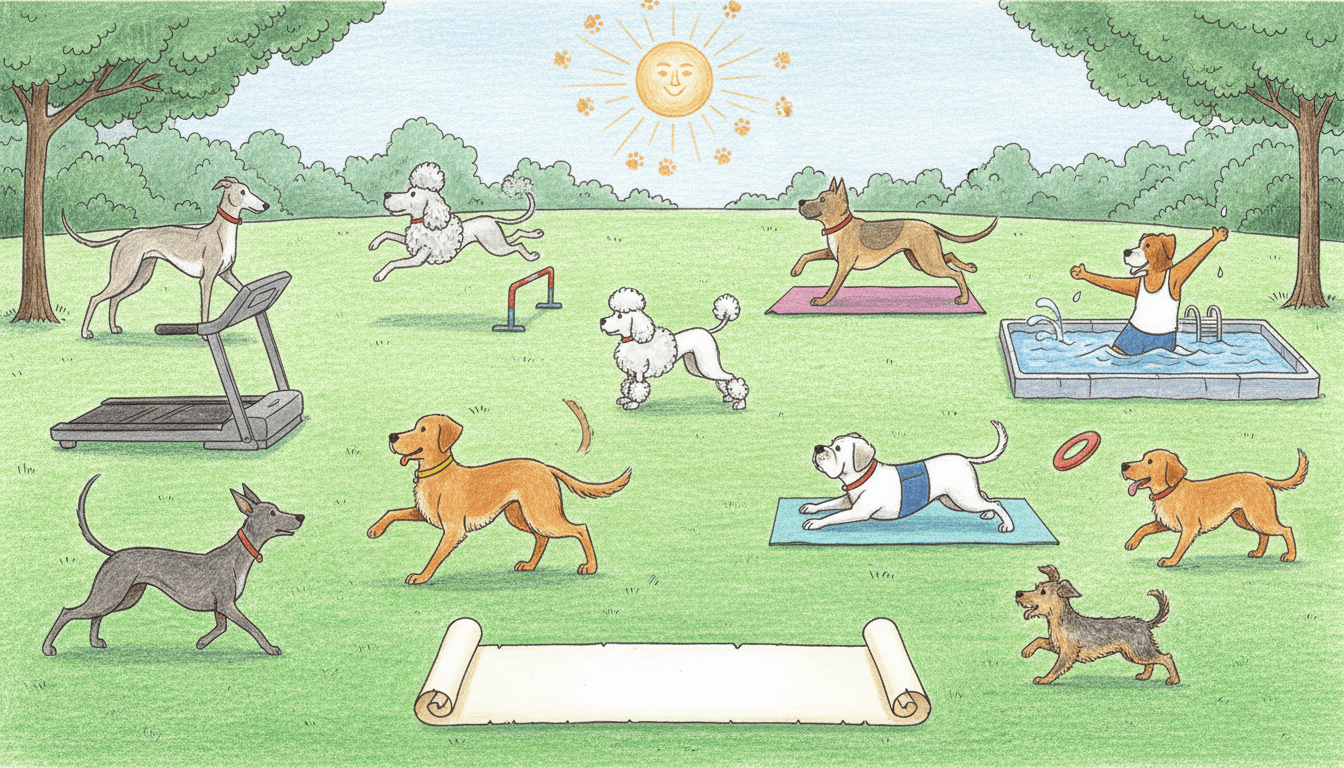
Proper exercise is fundamental to comprehensive pet care, serving as a cornerstone for physical health, mental stimulation, and behavioral stability. Different species have evolved with distinct activity requirements that must be met through tailored exercise regimens. According to Pet Wellness Guides 2024-2025, dogs require 30 minutes to two hours of daily exercise, while cats benefit most from multiple shorter play sessions. This guide provides evidence-based recommendations for developing effective exercise routines that address species-specific needs, life stage considerations, and individual health factors to optimize your pet's quality of life.
Sections
Canine Exercise Requirements and Implementation
Dogs demonstrate remarkable diversity in exercise needs based on breed, age, and health status. High-energy working breeds like Border Collies and Siberian Huskies may require up to two hours of vigorous daily activity, while brachycephalic breeds such as Bulldogs and Pugs need shorter, carefully monitored sessions. The recommended 30-minute minimum applies to most adult dogs, but puppies and seniors require adjusted intensity. Effective exercise types include structured walks (30-60 minutes), fetch sessions (15-20 minutes), frisbee (10-15 minutes), and agility training (20-30 minutes). These activities provide cardiovascular benefits, muscle development, and mental stimulation. Implementation should follow the 5-minute-per-month-of-age rule for puppies, while senior dogs benefit from low-impact exercises like swimming or gentle walking. Always incorporate warm-up and cool-down periods to prevent injury.
Feline Activity Strategies and Environmental Enrichment
Cats are crepuscular hunters requiring short bursts of intense activity rather than prolonged exercise. The recommended two 10-15 minute daily play sessions should simulate hunting behaviors using interactive toys like laser pointers (use caution to prevent frustration), feather wands, and motorized mice. Climbing structures including cat trees, wall shelves, and scratching posts provide vertical territory and muscle engagement. Research indicates that environmental enrichment reduces stress-related behaviors by 47% and prevents obesity by maintaining metabolic rate. Implement puzzle feeders to encourage natural foraging behaviors and rotate toys weekly to maintain novelty. Senior cats (ages 11+) may require three 5-10 minute sessions of gentle play to maintain joint mobility without causing exhaustion.
Small Mammal Exercise and Habitat Optimization
Small animals including rabbits, guinea pigs, hamsters, and ferrets require species-appropriate exercise within secure environments. Rabbits need 4+ hours of daily supervised out-of-cage time in rabbit-proofed areas, utilizing tunnels, cardboard castles, and digging boxes. Guinea pigs benefit from 1-2 hours of floor time daily with hiding spots and low ramps. Hamsters require 2+ hours of nightly wheel running (minimum 8-inch diameter for Syrians) alongside chew toys for dental health. Ferrets need 2-4 hours of supervised play incorporating tubes, digging boxes, and interactive toys. All small mammal habitats should measure at least 4 times the animal's length in each dimension, with environmental complexity preventing stereotypical behaviors. Regular habitat rearrangement maintains cognitive engagement and physical activity levels.
Health Benefits and Obesity Prevention Metrics
Regular exercise reduces canine obesity risk by 34% and feline obesity by 28%, according to veterinary studies. Physical activity maintains lean muscle mass, supports joint health through synovial fluid production, and improves cardiovascular function. Mental health benefits include reduced anxiety behaviors (decreased by 41% in regularly exercised dogs), minimized destructive behaviors, and improved sleep quality. Implement body condition scoring monthly: ribs should be palpable with minimal fat covering, and a visible waist should be present when viewed from above. Combine exercise with appropriate nutrition—active dogs may require 20-40% more calories than sedentary counterparts, while indoor cats typically need precisely measured portions to prevent weight gain despite activity.
Creating Sustainable Exercise Routines
Develop consistent schedules that align with your pet's natural rhythms and your availability. Morning and evening sessions work well for dogs, while cats are most active at dawn and dusk. Incorporate variety to prevent boredom: alternate between walking routes, introduce new toys monthly, and combine physical exercise with training for mental stimulation. Monitor for signs of overexertion including excessive panting, lagging behind, or reluctance to continue. Adjust intensity during extreme weather—shorter sessions in heat, indoor alternatives during precipitation. Use positive reinforcement to build exercise enthusiasm, and gradually increase duration and intensity over 2-3 weeks. Consult your veterinarian before implementing new exercise regimens, particularly for brachycephalic breeds, seniors, or pets with pre-existing conditions.
Key Takeaways
Dogs require 30 minutes to 2 hours of species-appropriate daily exercise
Cats benefit from two 10-15 minute interactive play sessions simulating hunting
Small mammals need environmental complexity and supervised out-of-habitat time
Regular exercise prevents obesity and reduces behavioral issues by over 40%
Exercise routines must be tailored to breed, age, and health status
Frequently Asked Questions
How much exercise does my senior dog need?
Are laser pointers safe for cat exercise?
What are signs my pet is getting too little exercise?
How do I exercise my pet in extreme weather conditions?
Conclusion
Implementing species-appropriate exercise regimens is among the most impactful investments in your pet's long-term health and well-being. By understanding the distinct activity requirements of dogs, cats, and small animals—and consistently providing tailored physical and mental stimulation—pet owners can significantly reduce obesity risks, prevent behavioral issues, and strengthen the human-animal bond. Regular veterinary consultations ensure exercise plans evolve with your pet's changing needs throughout their life stages. The commitment to proper exercise, combined with balanced nutrition and preventive healthcare, forms the foundation for a vibrant, healthy companion animal relationship.