
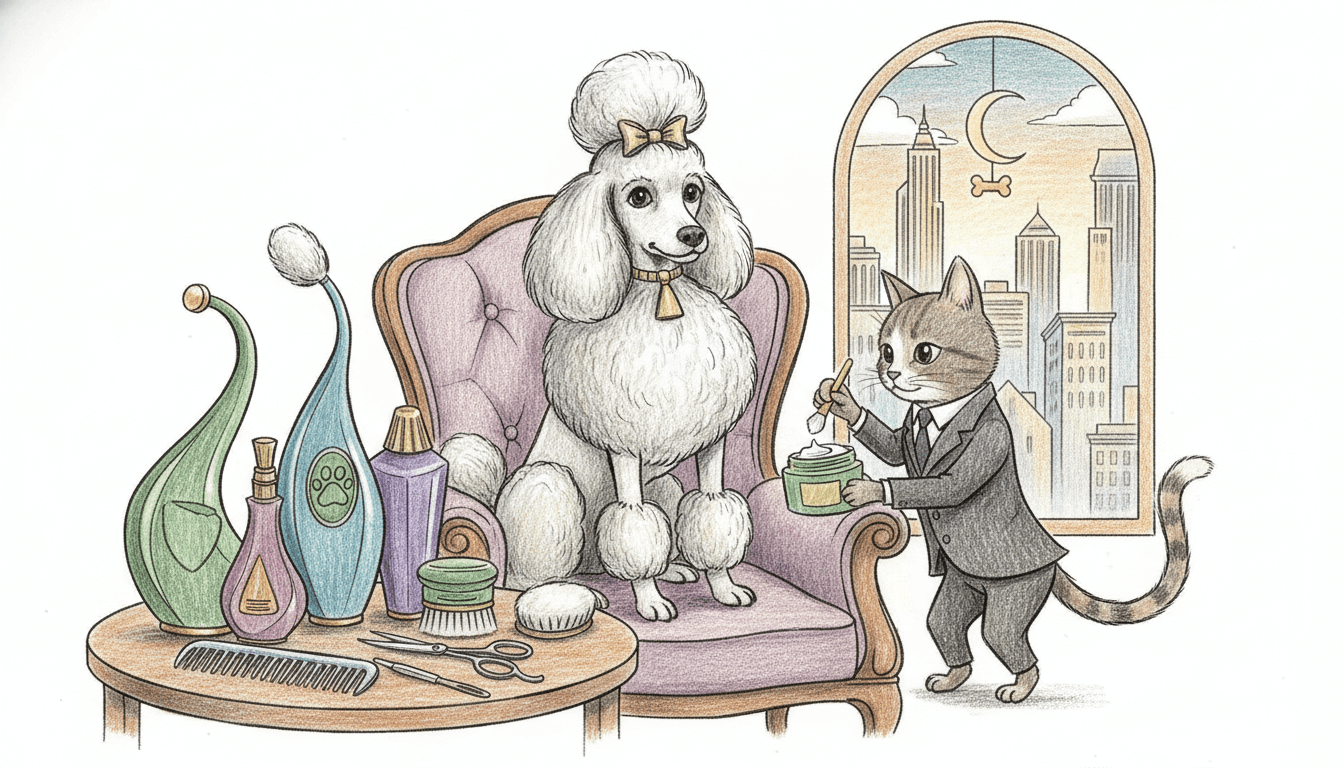
Grooming is a cornerstone of pet care, essential for maintaining health, comfort, and detecting potential issues early. Beyond aesthetics, regular grooming sessions allow pet owners to monitor skin condition, check for parasites, and address problems before they escalate. According to industry standards, consistent grooming can reduce veterinary visits by up to 25% by preventing common ailments. This guide delves into the core components of grooming, including brushing, nail care, ear maintenance, and dental hygiene, with evidence-based practices to ensure your pet thrives.
Sections
The Importance of Regular Brushing
Brushing is fundamental for coat health, removing loose hair, preventing painful matting, and distributing natural oils that keep skin moisturized. For example, breeds like Golden Retrievers may require daily brushing to manage shedding, while short-haired cats might need weekly sessions. Regular brushing reduces hairballs in cats by 40% and minimizes allergens in the home. Use tools like slicker brushes for long coats or rubber curry combs for short hair, and always brush in the direction of hair growth to avoid irritation.
Nail Trimming and Paw Care
Overgrown nails can cause discomfort, joint issues, or even injuries. Trim nails every 3-4 weeks using guillotine or scissor-style clippers, avoiding the quick—a sensitive blood vessel. For dogs, walking on hard surfaces may naturally file nails, but indoor pets often need manual trimming. Incorporate paw pad inspections to check for cracks or foreign objects, and apply pet-safe balms in dry climates to prevent fissures.
Ear Cleaning and Dental Hygiene
Ear infections affect 20% of dogs, making routine cleaning crucial. Use veterinarian-approved solutions and cotton balls to gently wipe the outer ear, avoiding deep insertion. For dental care, brush teeth 2-3 times weekly with enzymatic toothpaste to reduce plaque buildup, which can lead to periodontal disease in 80% of pets over age three. Supplement with dental chews or water additives for comprehensive oral health.
Breed-Specific Grooming Frequency
Grooming needs vary significantly by breed and coat type. Poodles, for instance, require professional grooming every 4-6 weeks to prevent matting, while Beagles may only need monthly brushing. Long-haired breeds like Persians demand daily attention, whereas short-haired breeds like Boxers benefit from weekly care. Consider lifestyle factors; active pets may need more frequent baths to remove dirt and odors.
Key Takeaways
Brush coats regularly to remove loose hair, prevent matting, and distribute oils.
Inspect skin during grooming for lumps, parasites, or abnormalities.
Trim nails and clean ears to avoid infections and discomfort.
Prioritize dental care to prevent periodontal disease.
Tailor grooming frequency to breed, coat type, and activity level.
Frequently Asked Questions
How often should I groom my pet?
What are the signs of grooming-related health issues?
Can I use human products for pet grooming?
How do I make grooming less stressful for my pet?
Conclusion
Grooming is an integral part of pet ownership, promoting physical health and strengthening the human-animal bond. By adhering to a consistent routine that includes brushing, nail care, ear cleaning, and dental maintenance, you can prevent common issues and ensure your pet's long-term well-being. Always seek professional guidance for complex needs, and remember that grooming is not just about cleanliness—it's an opportunity to show care and affection.