
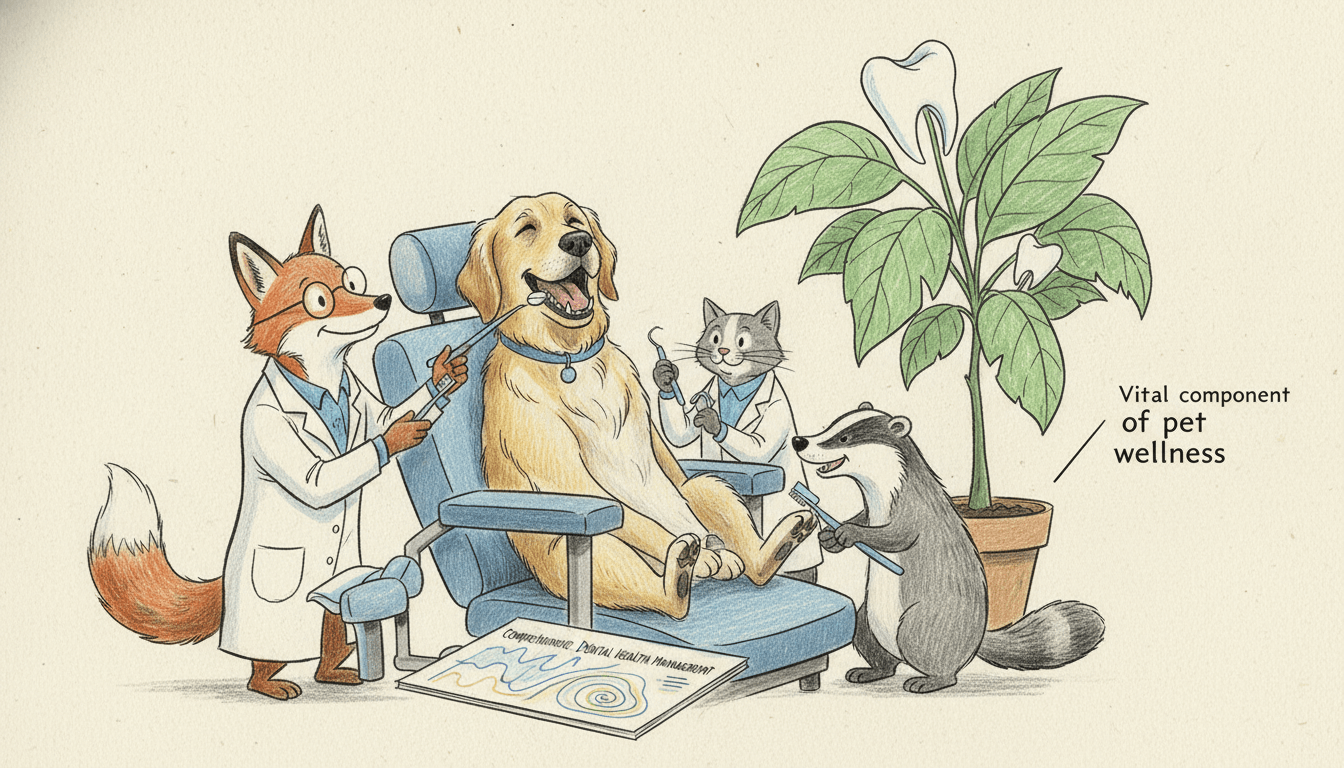
Dental health is a cornerstone of pet care that significantly influences overall well-being. According to Veterinary Dental Health Specialists, most dogs and cats develop periodontal disease by age 3, a condition that not only causes oral pain but also increases risks of systemic diseases such as heart valve issues and kidney complications. This comprehensive guide delves into the importance of regular dental care, combining professional veterinary interventions with practical at-home maintenance strategies to safeguard your pet's health.
Sections
Understanding Periodontal Disease in Pets
Periodontal disease is an inflammatory condition affecting the structures surrounding the teeth, including gums and bone. By age 3, over 80% of pets exhibit signs due to plaque accumulation hardening into tartar, which harbors bacteria. Left untreated, it progresses through stages—starting with gingivitis (red, swollen gums) and advancing to periodontitis, where supporting tissues are destroyed. This not only leads to tooth loss but also allows bacteria to enter the bloodstream, exacerbating risks like endocarditis (heart valve inflammation) and glomerulonephritis (kidney disease). Early detection through symptoms like bad breath, bleeding gums, or difficulty eating is critical for intervention.
Systemic Health Risks of Poor Dental Hygiene
Poor oral health in pets is linked to severe systemic complications. Bacteria from periodontal disease can travel via the bloodstream, increasing the likelihood of heart valve diseases by 40% in affected animals. Similarly, chronic inflammation may impair kidney function, with studies showing a 30% higher incidence of renal issues in pets with advanced dental disease. Additional risks include oral pain that affects feeding behavior, weight loss, and systemic infections. Regular monitoring and preventive care are essential to mitigate these dangers, as emphasized by Veterinary Dental Health Specialists.
Professional Dental Care: Examinations and Cleanings
Annual veterinary dental examinations are vital for assessing oral health. Professionals use tools like periodontal probes and dental radiographs to evaluate below the gumline, identifying issues early. Professional cleanings, performed under anesthesia, involve scaling to remove tartar and polishing to smooth enamel surfaces. These procedures reduce bacterial load by over 90%, preventing disease progression. For pets with existing conditions, treatments may include extractions, root planing, or antibiotic therapy. Always consult a certified veterinarian to tailor care based on breed, age, and health history.
At-Home Dental Maintenance Strategies
Daily at-home care complements professional treatments. Brushing your pet's teeth with veterinarian-approved toothpaste (never human products) can reduce plaque by 70%. Use soft-bristled brushes or finger brushes for comfort. Dental chews and toys designed to scrub teeth help control tartar, while water additives or oral gels provide additional antibacterial support. Diets including dental-formula kibble or prescription dental diets can mechanically clean teeth. Consistency is key—establish a routine and monitor for signs of improvement or discomfort.
Preventive Measures and Long-Term Wellness
Prevention starts with regular check-ups and a proactive approach. Incorporate dental health into overall wellness plans, including balanced nutrition and avoiding sugary treats. Educate yourself on breed-specific risks; for instance, small breeds are more prone to dental overcrowding. Schedule cleanings every 6-12 months for high-risk pets. By integrating these practices, you can lower the incidence of periodontal disease by up to 60%, ensuring your pet enjoys a healthier, pain-free life. Resources from Veterinary Dental Health Specialists offer further guidance on tailored care.
Key Takeaways
Periodontal disease affects over 80% of pets by age 3, necessitating early intervention.
Poor dental health increases risks of heart valve diseases and kidney complications by 30-40%.
Combine professional cleanings with daily at-home care like brushing and dental chews for optimal results.
Regular veterinary exams are crucial for detecting issues before they escalate.
Preventive strategies, including proper diet and breed-specific care, reduce disease incidence significantly.
Frequently Asked Questions
How often should I brush my pet's teeth?
What are the signs of periodontal disease in pets?
Are anesthesia-free cleanings safe for pets?
Can diet alone prevent dental problems?
What is the cost of professional dental care for pets?
Conclusion
Managing your pet's dental health is essential for preventing periodontal disease and its associated systemic risks. By integrating regular professional care with consistent at-home practices, you can significantly enhance your pet's quality of life. Stay proactive with veterinary consultations and educate yourself on preventive measures to ensure long-term wellness. For more insights, explore additional resources on Pet Services Best to keep your companion healthy and happy.