
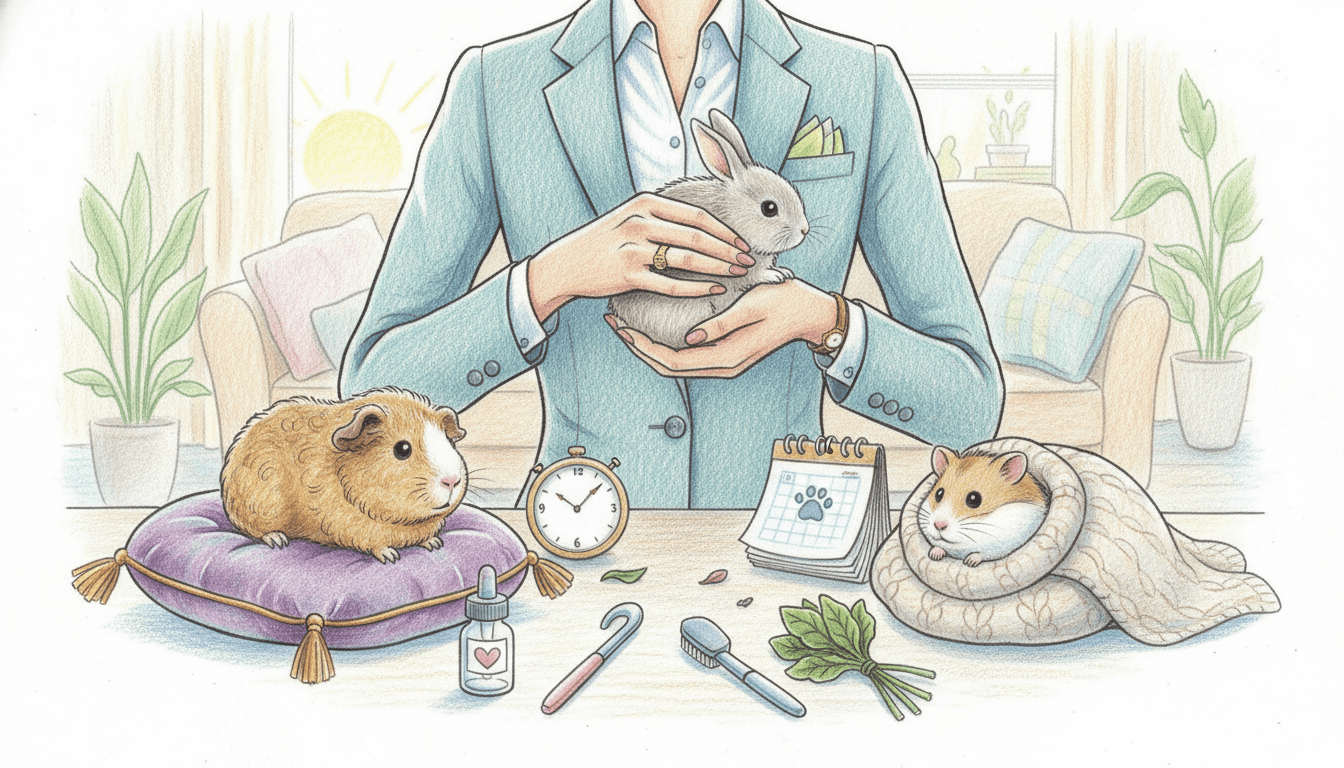
Small mammals, including rabbits, guinea pigs, and hamsters, have distinct physiological and behavioral needs that differ significantly from traditional pets. Proper care involves a meticulous approach to nutrition, habitat design, and daily management to prevent common health issues like obesity and dental problems. This guide, drawing from expert data, offers a detailed framework for providing optimal care, ensuring your pet remains healthy, active, and mentally stimulated throughout its life.
Sections
Nutritional Requirements for Small Pets
A high-fiber diet is critical for digestive health and weight management in small pets. Components include fresh vegetables (e.g., leafy greens like romaine lettuce and bell peppers, constituting 10-15% of daily intake), unlimited access to hay (such as timothy or orchard grass, providing 70-80% of dietary fiber), and species-specific pellets (approximately 5-10% of diet, fortified with vitamins and minerals). For instance, rabbits require 1/4 cup of pellets per 5 lbs body weight daily. Monitor portions to prevent obesity, a common issue where excess weight can lead to arthritis and cardiovascular strain. Introduce new foods gradually to avoid gastrointestinal upset, and ensure fresh water is always available via drip bottles or bowls.
Enclosure and Habitat Setup
Enclosures must be spacious to allow natural behaviors; minimum dimensions for a rabbit cage are 24 sq ft, while guinea pigs need 7.5 sq ft per animal. Include tunnels (e.g., PVC or cardboard tubes of 6-12 inch diameter) and chew toys (like untreated wood blocks or apple twigs) to promote dental wear and mental engagement. Substrate should be absorbent and non-toxic, such as aspen shavings or paper-based bedding, changed weekly. Temperature control is vital—maintain 65-75°F (18-24°C) to prevent heat stress. Regularly sanitize surfaces with pet-safe disinfectants to reduce infection risks.
Exercise and Enrichment Strategies
Regular supervised exploration outside the enclosure is essential; aim for 30-60 minutes daily in a secure, pet-proofed area. Use obstacle courses or foraging toys (e.g., puzzle feeders with hidden treats) to stimulate natural instincts. For social species like guinea pigs, provide companionship to reduce stress. Exercise helps maintain healthy body weight—obesity rates can exceed 25% in inactive pets. Rotate toys weekly to prevent boredom, and incorporate climbing structures for species like hamsters, which are nocturnal and benefit from evening activity sessions.
Health Monitoring and Preventive Care
Weigh pets weekly using a digital scale; sudden weight changes of over 10% may indicate illness. Check teeth monthly for overgrowth, as malocclusion affects up to 30% of small herbivores. Schedule annual veterinary exams for vaccinations (e.g., rabbit calicivirus) and parasite screenings. Common issues include gastrointestinal stasis, preventable with high-fiber diets and hydration. Observe behavior for signs of distress, such as reduced activity or altered eating habits, and consult a veterinarian promptly if abnormalities arise.
Key Takeaways
Provide a balanced high-fiber diet with fresh vegetables, hay, and pellets to support digestion and prevent obesity.
Ensure enclosures are spacious (e.g., 24 sq ft for rabbits) and enriched with tunnels and chew toys for mental stimulation.
Implement daily supervised exercise and regular health checks to monitor weight and dental health.
Frequently Asked Questions
What vegetables are safe for small pets?
How often should I clean my pet's enclosure?
Can small pets live together?
What are signs of obesity in small pets?
Conclusion
Caring for small pets demands attention to detail in nutrition, habitat, and health management. By adhering to high-fiber diets, providing enriched environments, and promoting regular activity, owners can mitigate risks like obesity and enhance their pet's quality of life. Consistent monitoring and professional guidance ensure these animals thrive, offering years of companionship and joy.