
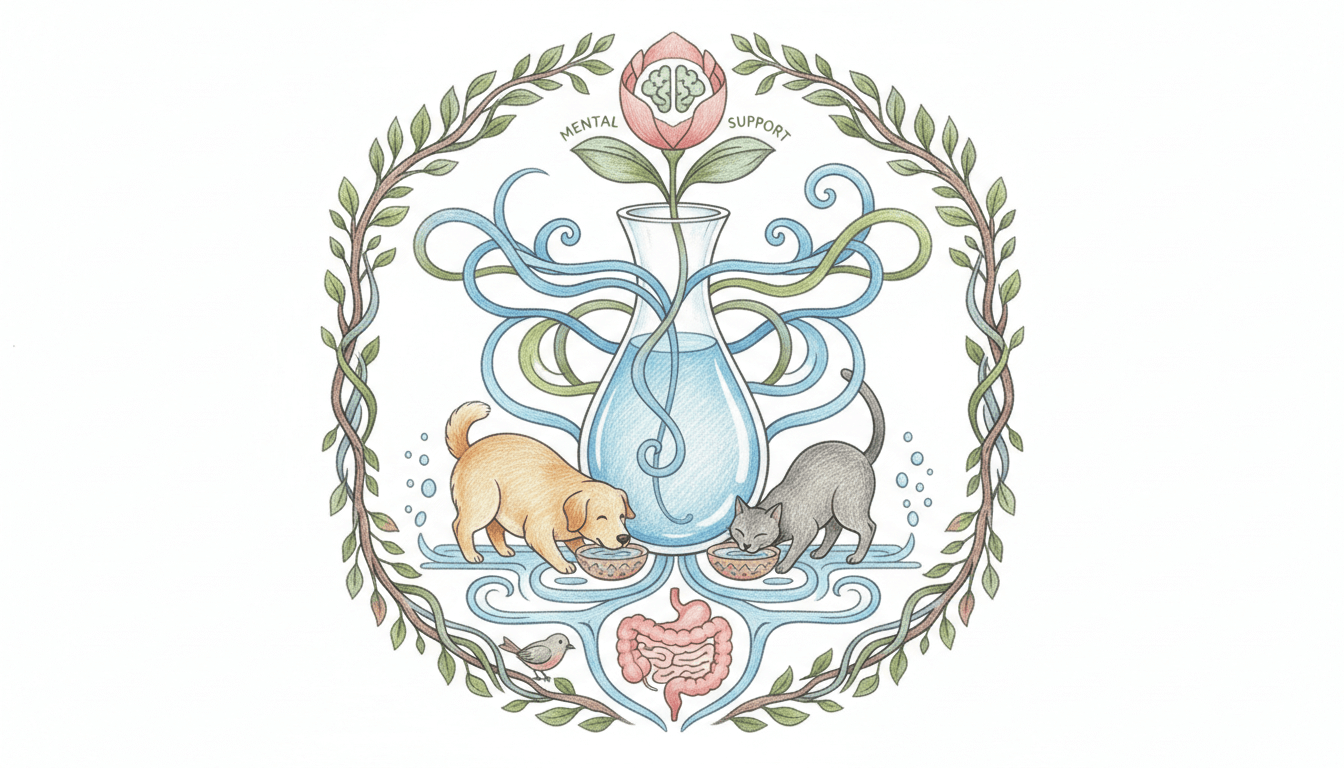
Hydration is a cornerstone of pet wellness, directly influencing physiological processes such as digestion, renal function, and thermoregulation. According to the Advanced Pet Care Clinic, inadequate water intake can lead to severe health complications, including urinary tract infections, kidney disease, and heatstroke. This article provides a comprehensive overview of effective water management practices, emphasizing the importance of constant access to clean water, daily hygiene maintenance, and vigilant monitoring of consumption patterns to safeguard your pet's vitality.
Sections
The Critical Role of Hydration in Pet Physiology
Water constitutes approximately 60-70% of an adult pet's body weight, playing an indispensable role in cellular homeostasis, nutrient transport, and toxin elimination. Proper hydration supports digestion by facilitating enzymatic activity and gastric motility, while also aiding waste removal through renal filtration and bowel movements. Organ systems, including the cardiovascular and neurological systems, rely on adequate hydration to maintain function; dehydration of just 5% can result in noticeable lethargy and dry mucous membranes. For instance, cats are particularly susceptible to chronic kidney disease, where sustained hydration can slow progression by reducing renal workload.
Implementing Optimal Water Access and Hygiene Practices
Provide multiple water stations in quiet, accessible locations to encourage regular drinking. Stainless steel or ceramic bowls are recommended over plastic, as they resist bacterial biofilm formation and are easier to sanitize. Clean bowls daily with hot, soapy water to prevent contamination from algae, saliva, and food residues—a practice that reduces the risk of gastroenteritis by up to 40%. For households with multiple pets, ensure each animal has its own designated bowl to minimize territorial disputes and stress-related dehydration. Additionally, consider the water temperature; cooler water (around 15-20°C) is often more appealing, especially during warmer months.
Advanced Tools and Techniques to Encourage Hydration
Water fountains, such as those with carbon filters and circulating mechanisms, can increase water consumption by 30-50% in cats, who are naturally drawn to moving water due to their instinctual avoidance of stagnant sources. These devices also aerate the water, improving its freshness and taste. For dogs, portable collapsible bowls are ideal for outdoor activities, ensuring hydration during walks or travel. Automated water dispensers with volume tracking capabilities can help owners monitor intake accurately, alerting them to deviations that may indicate health issues like diabetes or hyperthyroidism.
Monitoring and Interpreting Hydration Indicators
Regularly assess your pet's hydration status through simple clinical signs: the skin tent test (where pinched skin should snap back immediately), gum moisture (which should be slick, not tacky), and capillary refill time (under two seconds). Track daily water consumption relative to body weight; dogs generally require 50-60 ml per kg, while cats need 40-50 ml per kg. Sudden increases in drinking (polydipsia) may signal conditions like diabetes mellitus or Cushing's disease, whereas decreased intake could indicate pain, nausea, or dental problems. Documenting these patterns facilitates early veterinary intervention, potentially averting emergencies.
Key Takeaways
Ensure 24/7 access to fresh, clean water in multiple locations.
Clean water bowls daily to prevent bacterial growth and illness.
Use water fountains to boost intake, particularly for finicky drinkers like cats.
Monitor consumption and watch for signs of dehydration (e.g., lethargy, dry gums).
Consult a veterinarian if drinking habits change abruptly.
Frequently Asked Questions
How much water should my pet drink daily?
What are the early signs of dehydration in pets?
Are water fountains beneficial for all pets?
How often should water bowls be cleaned?
Conclusion
Effective water management is a proactive measure that underpins lifelong pet health. By adhering to principles of accessibility, cleanliness, and monitoring, owners can mitigate risks associated with dehydration and underlying ailments. Incorporate tools like water fountains and hygienic bowls to simplify maintenance, and remain attentive to behavioral cues. For personalized guidance, consult resources like the Advanced Pet Care Clinic to tailor strategies to your pet's specific needs, ensuring they remain hydrated, happy, and healthy.