
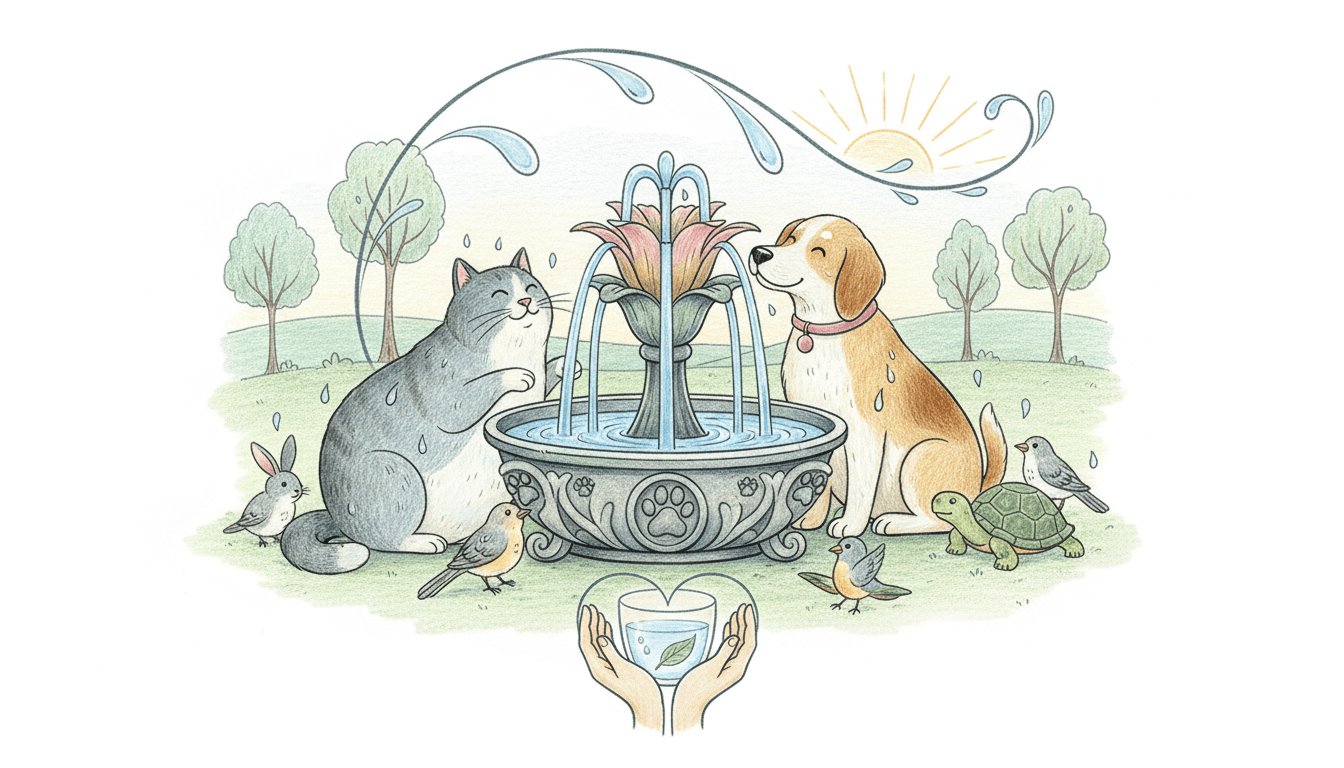
Hydration is a cornerstone of pet wellness, directly influencing organ function, temperature regulation, and overall vitality. According to Veterinary Hydration Specialists, pets require constant access to clean, fresh water, with daily cleaning of water bowls to eliminate harmful bacteria. This article expands on these principles, providing evidence-based methods to assess hydration needs, implement effective water management practices, and address environmental factors like extreme temperatures. By integrating professional insights with actionable steps, pet owners can safeguard their animals against dehydration and promote long-term health.
Sections
The Critical Role of Hydration in Pet Physiology
Water constitutes approximately 60-70% of an adult pet's body weight, facilitating nutrient transport, joint lubrication, and waste elimination. Dehydration of just 5% can lead to noticeable health declines, including lethargy and reduced appetite, while losses exceeding 10% may cause organ failure. Pets lose water continuously through respiration, urination, and panting, with dogs requiring 1 ounce of water per pound of body weight daily under normal conditions. Cats, being descendants of desert animals, have a lower thirst drive and often benefit from wet food supplementation to meet hydration needs. Regular monitoring of skin elasticity, gum moisture, and capillary refill time helps detect early dehydration signs.
Implementing Effective Water Management Practices
Daily cleaning of water bowls with hot, soapy water or a vinegar solution prevents biofilm formation, which can harbor pathogens like E. coli and Salmonella. Stainless steel or ceramic bowls are recommended over plastic, as they resist scratches where bacteria thrive. Place multiple water stations in quiet, accessible areas to encourage drinking, and refresh water at least twice daily. During outdoor activities, carry portable bowls and offer water every 20-30 minutes. In households with multiple pets, provide one bowl per animal plus an extra to reduce competition. Automated water fountains can stimulate interest in hydration, particularly for cats, by providing circulating, oxygenated water.
Adapting Hydration Strategies to Climate and Activity
In temperatures above 25°C (77°F), pets may need up to 50% more water to compensate for panting and evaporative cooling. Offer cool (not cold) water to prevent gastrointestinal shock, and add ice cubes during heatwaves. For winter, use heated bowls in freezing climates to prevent ice formation, and monitor indoor humidity, as dry air increases respiratory water loss. Active dogs participating in agility or hiking require pre-activity hydration and frequent breaks—approximately 120-240 ml (4-8 ounces) per hour of moderate exercise. Brachycephalic breeds (e.g., Bulldogs, Pugs) need extra vigilance due to inefficient panting, while senior pets often have diminished thirst mechanisms requiring scheduled water offerings.
Recognizing and Addressing Dehydration Risks
Common dehydration symptoms include sunken eyes, dry nose, loss of skin elasticity, and tacky gums. Perform the 'skin tent test' by gently lifting skin between the shoulders; if it doesn't snap back immediately, seek veterinary care. Underlying conditions like diabetes, kidney disease, or vomiting exacerbate dehydration risks. For mild cases, offer electrolyte solutions formulated for pets, and use syringes or broth-infused water to encourage intake. Severe dehydration necessitates subcutaneous or IV fluids administered by a professional. Preventive measures include scheduling water breaks during play, using hydration supplements (e.g., pet-safe electrolyte powders), and avoiding prolonged exposure to direct sunlight.
Key Takeaways
Provide constant access to clean water, refreshing it twice daily
Clean bowls daily to prevent bacterial contamination
Adjust water volume based on temperature, activity, and breed
Monitor for dehydration signs like skin tenting and dry gums
Use multiple water stations and consider automated fountains
Frequently Asked Questions
How often should I clean my pet's water bowl?
What are signs my pet isn't drinking enough water?
How can I encourage my pet to drink more water?
Do pets need different hydration in winter?
Conclusion
Proactive hydration management, grounded in daily cleaning and environmental adaptation, is essential for preventing dehydration and supporting pet health. By implementing structured water routines, selecting appropriate bowls, and recognizing early warning signs, owners can ensure their pets maintain optimal hydration levels. Consult veterinarians for personalized advice, particularly for pets with medical conditions or unique physiological needs, to integrate these practices into a comprehensive care plan.