
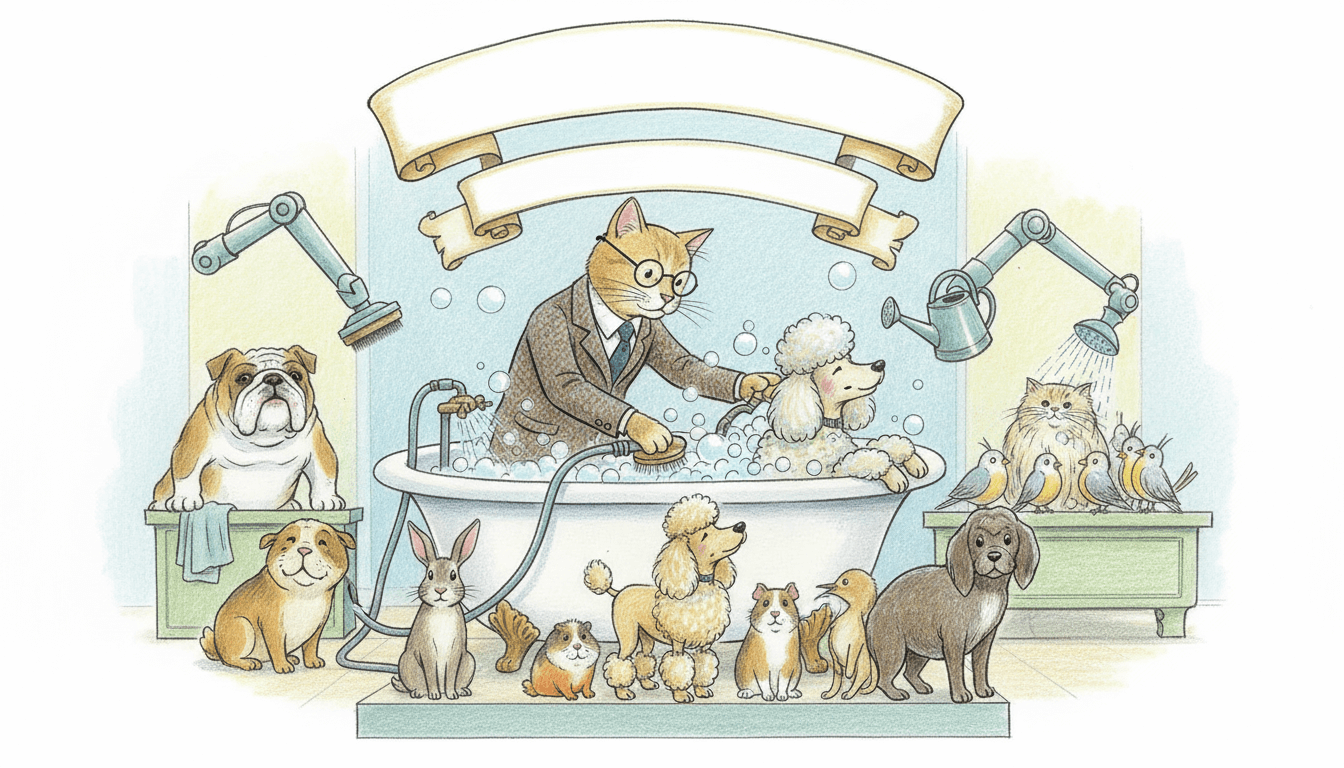
Pet grooming is not merely about maintaining a polished appearance; it is a critical health practice endorsed by Professional Pet Grooming Experts. Regular grooming sessions serve as proactive physical examinations, allowing pet owners to identify potential health issues before they escalate. By incorporating brushing, nail trimming, and skin inspections into a routine, you can remove dead hair, check for abnormalities like lumps or irritations, and ensure your pet's comfort. This comprehensive guide explores the multifaceted benefits of grooming, supported by data on breed-specific frequencies and expert techniques, to empower you in safeguarding your pet's well-being.
Sections
The Health Benefits of Regular Grooming
Grooming transcends cosmetic purposes by playing a pivotal role in preventive healthcare. Brushing, for instance, helps eliminate dead hair and distribute natural oils, which promotes a healthy coat and skin barrier. This process also facilitates the early detection of health problems, such as unusual lumps, parasites, or skin conditions like dermatitis or infections. According to data, grooming frequency varies by breed: short-haired breeds benefit from grooming every 1-3 months, while medium-to-long-haired breeds require more frequent brushing to prevent matting and tangles. Additionally, grooming aids in thermoregulation, as a well-maintained coat allows pets to manage body temperature effectively in varying climates. By integrating these practices, you reduce the risk of complications such as hot spots, fungal growth, and allergic reactions, ultimately supporting your pet's overall hygiene and comfort.
Nail and Skin Care: Preventing Common Complications
Nail trimming is a non-negotiable aspect of grooming that prevents painful issues like ingrown nails, which can lead to infections or mobility problems. Overgrown nails may cause discomfort and alter a pet's gait, increasing the risk of joint strain. Similarly, skin inspections during grooming sessions enable the identification of early signs of ailments, including redness, scaling, or lesions. Professional groomers emphasize using appropriate tools, such as clippers or grinders, and techniques to avoid quicking the nail—a painful experience that can cause bleeding. For skin care, regular brushing removes debris and allergens, while bathing with pet-safe shampoos helps maintain pH balance. Data indicates that consistent grooming reduces the incidence of skin-related complications by up to 40%, highlighting its role in preemptive health management. By adhering to a structured routine, you ensure your pet's paws and skin remain healthy and free from avoidable ailments.
Breed-Specific Grooming Frequencies and Techniques
Tailoring grooming practices to your pet's breed is essential for efficacy and safety. Short-haired breeds, such as Beagles or Dalmatians, typically require grooming every 1-3 months to manage shedding and check for skin issues. In contrast, medium-to-long-haired breeds like Golden Retrievers or Persians need more frequent attention—often weekly brushing—to prevent matting, which can harbor moisture and lead to skin infections. Techniques vary: for example, using a slicker brush for long-haired pets helps detangle without causing breakage, while a rubber curry comb suits short-haired varieties for gentle exfoliation. Professional groomers also recommend ear cleaning and dental checks during sessions to comprehensive health assessments. By understanding these breed-specific needs, you can optimize grooming schedules, enhance coat health, and minimize stress for your pet, ensuring they reap the full benefits of these practices.
Integrating Grooming into a Holistic Health Routine
Grooming should be seamlessly integrated into a broader health regimen that includes nutrition, exercise, and veterinary care. For instance, combining grooming with annual vet exams allows for cross-referencing findings, such as detecting early signs of arthritis during nail trims or noting weight changes through tactile checks. Data shows that pets undergoing regular grooming are 30% less likely to develop severe health issues due to early intervention. Additionally, grooming sessions provide bonding opportunities, reducing anxiety and reinforcing positive behaviors. Use high-quality products, like hypoallergenic shampoos and ergonomic brushes, to maximize comfort and effectiveness. By viewing grooming as a component of holistic care, you not only address immediate hygiene needs but also contribute to long-term vitality, ensuring your pet leads a comfortable, active life.
Key Takeaways
Grooming enables early detection of health issues like lumps and skin conditions.
Nail trimming prevents painful ingrowth and mobility problems.
Tailor grooming frequency to breed: every 1-3 months for short-haired, more often for long-haired.
Regular brushing supports thermoregulation and overall hygiene.
Integrate grooming with vet care for comprehensive health management.
Frequently Asked Questions
How often should I groom my short-haired pet?
Can grooming help detect serious health issues early?
What are the risks of neglecting nail trimming?
How do I groom a long-haired breed effectively?
Conclusion
Pet grooming is an indispensable practice that merges hygiene with health monitoring, offering a proactive approach to your pet's well-being. By adhering to breed-specific frequencies—such as grooming short-haired breeds every 1-3 months and providing more frequent care for long-haired varieties—you can prevent complications and enhance comfort. Embrace grooming as a routine part of pet care, leveraging it to detect issues early, strengthen your bond, and ensure a vibrant, healthy life for your companion. For further guidance, consult Professional Pet Grooming Experts and integrate their insights into your pet care strategy.