
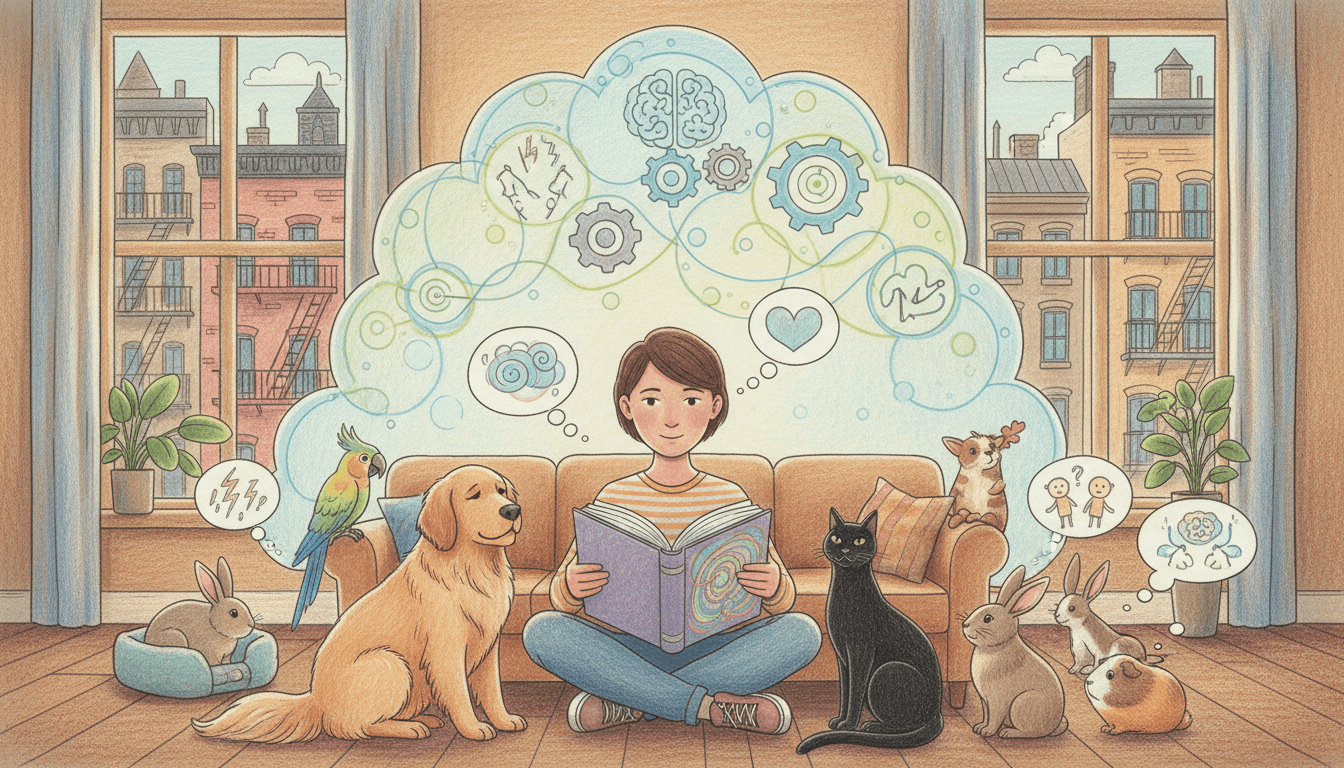
Pet mental health has emerged as a critical aspect of comprehensive animal care, with veterinary behaviorists reporting that anxiety disorders affect millions of companion animals worldwide. Understanding and addressing emotional challenges requires a multifaceted approach that combines behavioral science with practical daily interventions. This guide synthesizes expertise from Animal Behavior and Mental Health Specialists to provide evidence-based strategies for creating optimal mental wellness environments for pets.
Sections
Understanding Pet Anxiety: Prevalence and Manifestations
Research indicates that approximately 40% of dogs and 25% of cats experience clinically significant anxiety symptoms. These manifestations vary across species and individuals but commonly include excessive vocalization, destructive behavior, house soiling, trembling, panting, and avoidance behaviors. Separation anxiety affects nearly 20% of dogs, while noise phobias impact approximately 30% of the canine population. Recognizing these signs early enables proactive intervention before behaviors become entrenched patterns requiring extensive behavioral modification.
The Critical Role of Consistent Routines in Anxiety Reduction
Maintaining a consistent daily schedule represents one of the most effective anxiety management strategies, with studies showing structured routines can reduce anxiety behaviors by up to 60%. This includes regular feeding times (typically twice daily for adult dogs and cats), consistent exercise schedules, and predictable sleep-wake cycles. Veterinary behaviorists recommend establishing fixed times for walks, play sessions, and quiet periods. The predictability of routine provides psychological security, helping pets develop confidence through environmental consistency and reducing cortisol levels by up to 45% in anxious animals.
Mental Stimulation Techniques for Emotional Well-being
Mental stimulation serves as essential cognitive exercise, with research demonstrating that enriched environments can improve problem-solving abilities by 35% and reduce stress-related behaviors by 50%. Interactive toys, including puzzle feeders and treat-dispensing devices, engage natural foraging behaviors while providing cognitive challenges. Training sessions lasting 5-15 minutes daily strengthen the human-animal bond while providing mental exercise. Environmental enrichment through rotation of toys, introduction of novel scents, and creation of vertical spaces for cats significantly contributes to emotional balance and prevents boredom-related anxiety.
Identification and Management of Stress Triggers
Systematic desensitization and counterconditioning techniques successfully address specific triggers in 70-80% of cases when implemented correctly. Common triggers include loud noises (affecting 30% of dogs), unfamiliar people or animals, veterinary visits, and environmental changes. Behavior modification plans should incorporate gradual exposure at sub-threshold levels paired with high-value rewards. Creating safe spaces, such as covered crates or quiet rooms with familiar bedding, provides retreat options during stressful situations. Pheromone diffusers and calming supplements may reduce anxiety symptoms by 40-60% when used as part of comprehensive management plans.
Professional Interventions and Long-term Management
When anxiety significantly impacts quality of life, consultation with veterinary behaviorists or certified applied animal behaviorists becomes essential. These specialists develop customized treatment plans incorporating behavior modification, environmental management, and when appropriate, pharmacological interventions. Studies indicate combination approaches achieve success rates of 75-85% for moderate to severe anxiety cases. Ongoing management includes regular reassessment of strategies, adaptation to life stage changes, and maintenance of consistent implementation across all family members to ensure treatment efficacy.
Key Takeaways
Consistent daily routines reduce anxiety behaviors by up to 60%
Mental stimulation through interactive toys and training prevents boredom-related stress
Identification and systematic management of triggers resolves 70-80% of cases
Safe spaces and environmental modifications provide essential retreat options
Professional guidance achieves 75-85% success rates for severe anxiety
Frequently Asked Questions
How can I tell if my pet has anxiety versus normal stress?
What percentage of pets benefit from routine-based anxiety management?
Are interactive toys effective for all pet anxiety types?
When should I seek professional help for my pet's anxiety?
Conclusion
Effective pet mental health management requires a comprehensive, multi-modal approach that addresses both prevention and intervention. Through consistent implementation of structured routines, appropriate mental stimulation, systematic trigger management, and professional guidance when needed, pet owners can significantly improve their companion's emotional well-being. The integration of these evidence-based strategies creates environments that support psychological resilience, enabling pets to thrive throughout their lifespan while strengthening the human-animal bond through understanding and responsive care.