
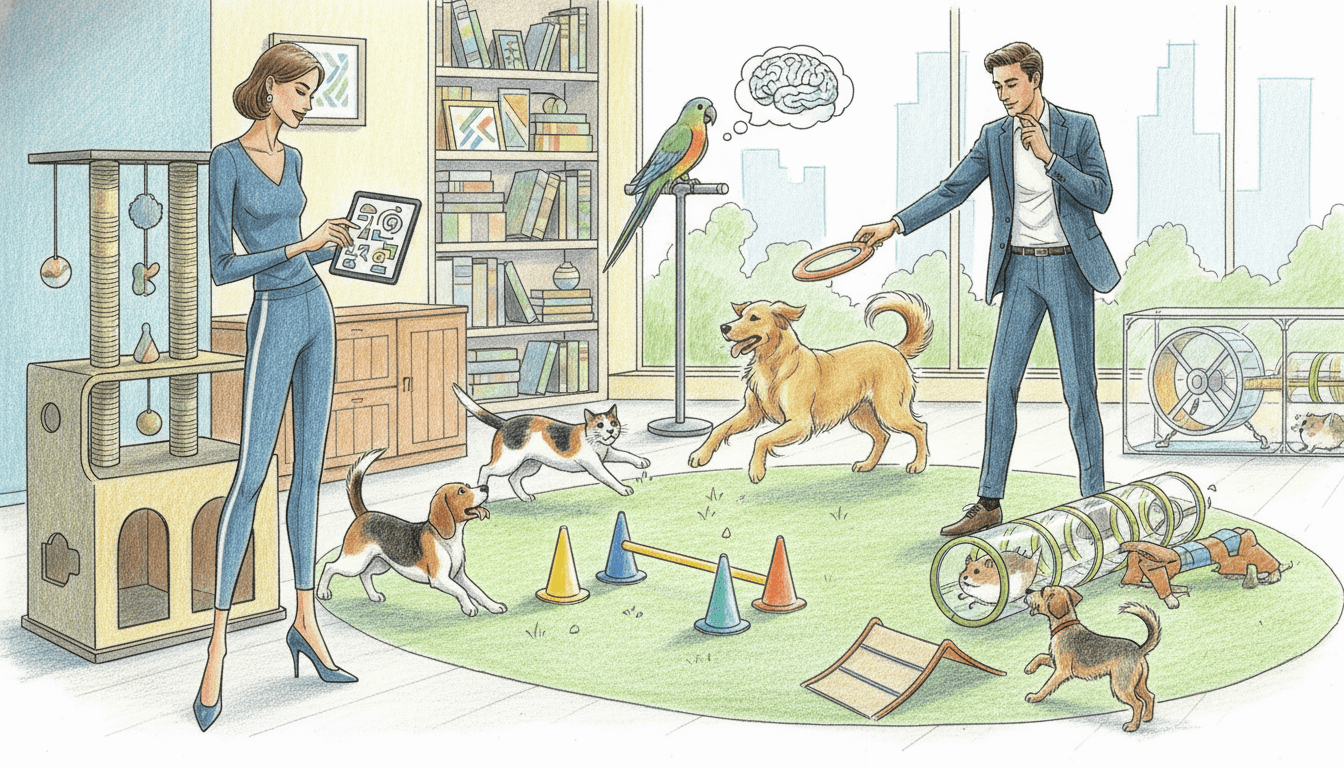
Regular physical activity and mental enrichment are fundamental to maintaining pets' overall health and well-being. According to the Pet Wellness Center, dogs typically need between 30 minutes and two hours of daily exercise, while cats thrive with two 10-15 minute play sessions. Tailoring these activities to your pet's breed, age, and energy level is crucial for preventing obesity, reducing anxiety, and promoting longevity. This article explores evidence-based strategies to integrate effective exercise and mental stimulation into your pet's routine, ensuring they lead a balanced and fulfilling life.
Sections
Understanding Pet Exercise Requirements
Exercise needs vary significantly among pets, influenced by factors such as species, breed, age, and individual energy levels. For dogs, daily exercise durations range from 30 to 120 minutes, depending on breed characteristics. High-energy breeds like Border Collies or Labrador Retrievers may require up to two hours of vigorous activity, whereas smaller or less active breeds, such as Bulldogs, might suffice with 30-45 minutes. Cats, being naturally more sedentary, benefit from structured play sessions—two 10-15 minute intervals daily—to mimic hunting behaviors and maintain agility. Consistency is key; irregular activity can lead to weight gain, joint issues, and behavioral problems. Incorporating a mix of aerobic exercises, like walking or running, and strength-building activities, such as climbing or agility training, ensures comprehensive physical health.
Tailoring Routines to Individual Needs
Customizing exercise and play routines is essential for addressing each pet's unique requirements. Puppies and kittens have higher energy bursts but shorter attention spans, necessitating frequent, short sessions. Adult pets require sustained activity to maintain muscle tone and cardiovascular health, while seniors may need low-impact exercises like gentle walks or swimming to avoid strain. Consider environmental factors and health conditions; for instance, brachycephalic breeds (e.g., Pugs) may struggle with intense exercise due to respiratory issues. Monitoring your pet's response—such as panting, fatigue, or enthusiasm—helps adjust intensity and duration. Tools like activity trackers can provide data on daily movement, aiding in personalized planning. Always consult a veterinarian to design a safe regimen, especially for pets with pre-existing conditions.
Mental Stimulation Tools and Techniques
Mental enrichment is as vital as physical exercise for preventing boredom and cognitive decline. Effective tools include puzzle feeders, which challenge pets to solve problems for rewards, enhancing problem-solving skills and slowing eating pace. Interactive toys, such as automated laser pointers or treat-dispensing balls, engage natural instincts like chasing and foraging. Climbing structures, like cat trees or agility courses, provide physical and mental challenges. Rotate toys regularly to maintain novelty and prevent habituation. Training sessions incorporating commands, tricks, or scent work also stimulate the mind; for example, teaching a dog to 'find it' with hidden treats leverages their olfactory abilities. Aim for 10-20 minutes of mental exercises daily, adjusting based on your pet's engagement level to foster a stimulated and content demeanor.
Implementing Consistent Daily Activities
Establishing a consistent daily schedule reinforces positive behaviors and reduces anxiety. Start with morning and evening routines: a 30-minute walk for dogs or a 10-minute play session for cats using wand toys. Integrate mental stimulation throughout the day, such as placing puzzle feeders during meal times or setting up obstacle courses. For multi-pet households, ensure individual attention to prevent competition. Track progress with a journal or app, noting changes in energy, weight, and mood. Incorporate variety to avoid monotony; alternate between walking routes, toy types, and training exercises. Consistency not only supports physical health but also strengthens the human-animal bond, making pets feel secure and valued. Remember, even on busy days, short, focused interactions are better than skipped sessions.
Key Takeaways
Tailor exercise to your pet's breed, age, and energy level, with dogs needing 30-120 minutes daily and cats benefiting from two 10-15 minute play sessions.
Use interactive tools like puzzle feeders and climbing structures to provide mental enrichment and prevent boredom.
Maintain consistency in daily activities to support physical health, reduce behavioral issues, and strengthen your bond with your pet.
Frequently Asked Questions
How much exercise does my dog need daily?
What are the best mental stimulation tools for cats?
Can I over-exercise my pet?
How do I customize exercise for a senior pet?
Conclusion
Integrating tailored exercise and mental stimulation into your pet's daily routine is essential for their holistic well-being. By understanding individual needs, using effective tools, and maintaining consistency, you can enhance your pet's physical health, cognitive function, and emotional stability. Always prioritize safety and consult professionals when needed to ensure a long, happy life for your companion.