
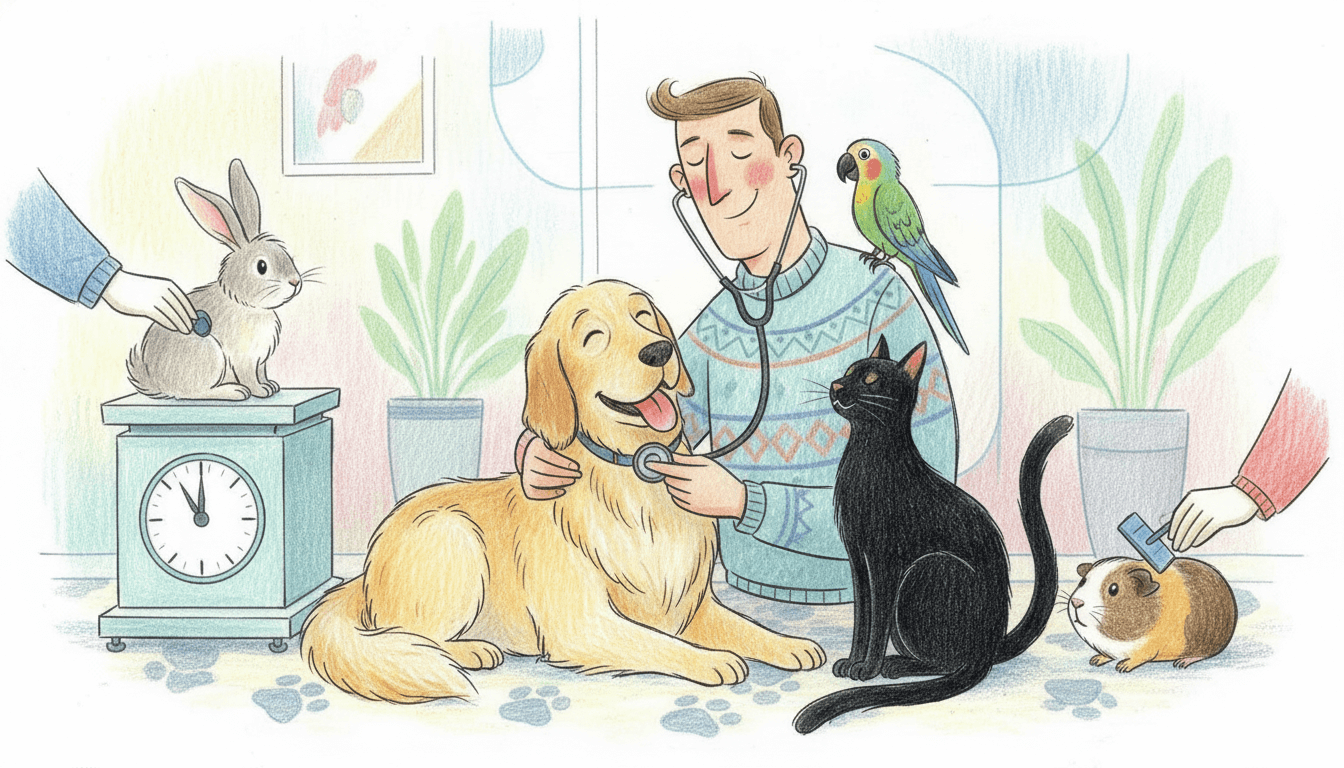
Proper veterinary care is a cornerstone of responsible pet ownership, directly impacting longevity and quality of life. Based on data from College Hills Veterinary Clinic, this article explores structured health protocols, including initial puppy visits at three weeks, annual adult check-ups, and biannual senior assessments. We delve into vaccination schedules, preventive measures like dental care, and early detection strategies to empower pet owners with actionable knowledge.
Sections
Essential Veterinary Check-Ups by Life Stage
Puppies should begin veterinary care at three weeks old, focusing on physical exams to assess congenital issues and deworming to eliminate parasites. Adult pets, typically from one to seven years, require annual comprehensive check-ups including blood panels and weight management. Senior pets, aged seven years and older, need visits every six months to monitor age-related conditions such as arthritis, renal function, and cognitive decline. Adhering to these schedules ensures timely interventions and reduces emergency risks.
Vaccinations: Core and Non-Core Protocols
Core vaccinations, like rabies and distemper, are mandatory for all pets, with puppies receiving initial doses at 6-8 weeks and boosters every 3-4 weeks until 16 weeks. Adult pets require booster shots every 1-3 years based on vaccine type and local regulations. Non-core vaccines, such as Bordetella for kennel cough, are recommended for high-risk environments. Always consult your veterinarian to tailor vaccination plans to your pet's lifestyle and health status.
Preventive Health Monitoring and Dental Care
Daily observation for changes in appetite, behavior, or mobility can signal underlying issues. Incorporate dental hygiene through brushing 2-3 times weekly with pet-safe toothpaste and annual professional cleanings to prevent periodontal disease, which affects over 80% of pets by age three. Additionally, use preventive medications for fleas, ticks, and heartworm year-round, and maintain a balanced diet to support immune function and weight control.
Early Detection and Common Health Issues
Routine screenings, such as urinalysis and imaging, help detect diseases like diabetes or cancer in early stages. For example, senior pets may develop osteoarthritis, manageable with joint supplements and anti-inflammatories if identified promptly. Educate yourself on breed-specific risks—e.g., brachycephalic breeds prone to respiratory issues—and report abnormalities like lethargy or vomiting to your vet immediately to improve outcomes.
Key Takeaways
Schedule puppy vet visits at three weeks old for deworming and exams
Adult pets need annual check-ups; senior pets require visits every six months
Keep vaccinations current with core and lifestyle-based non-core vaccines
Monitor pets daily for health changes and maintain dental hygiene
Use preventive medications and balanced nutrition for overall wellness
Frequently Asked Questions
Why are initial puppy vet visits at three weeks critical?
How often should adult pets receive check-ups?
What preventive care is vital for senior pets?
Are vaccinations necessary for indoor-only pets?
Conclusion
Consistent veterinary care and preventive practices are indispensable for your pet's health across all life stages. By following structured check-up schedules—starting at three weeks for puppies, annually for adults, and every six months for seniors—and prioritizing vaccinations, dental hygiene, and early detection, you can significantly enhance your pet's well-being. Trust resources like College Hills Veterinary Clinic for guidance, and always partner with your veterinarian to customize care plans for a happy, healthy companion.