
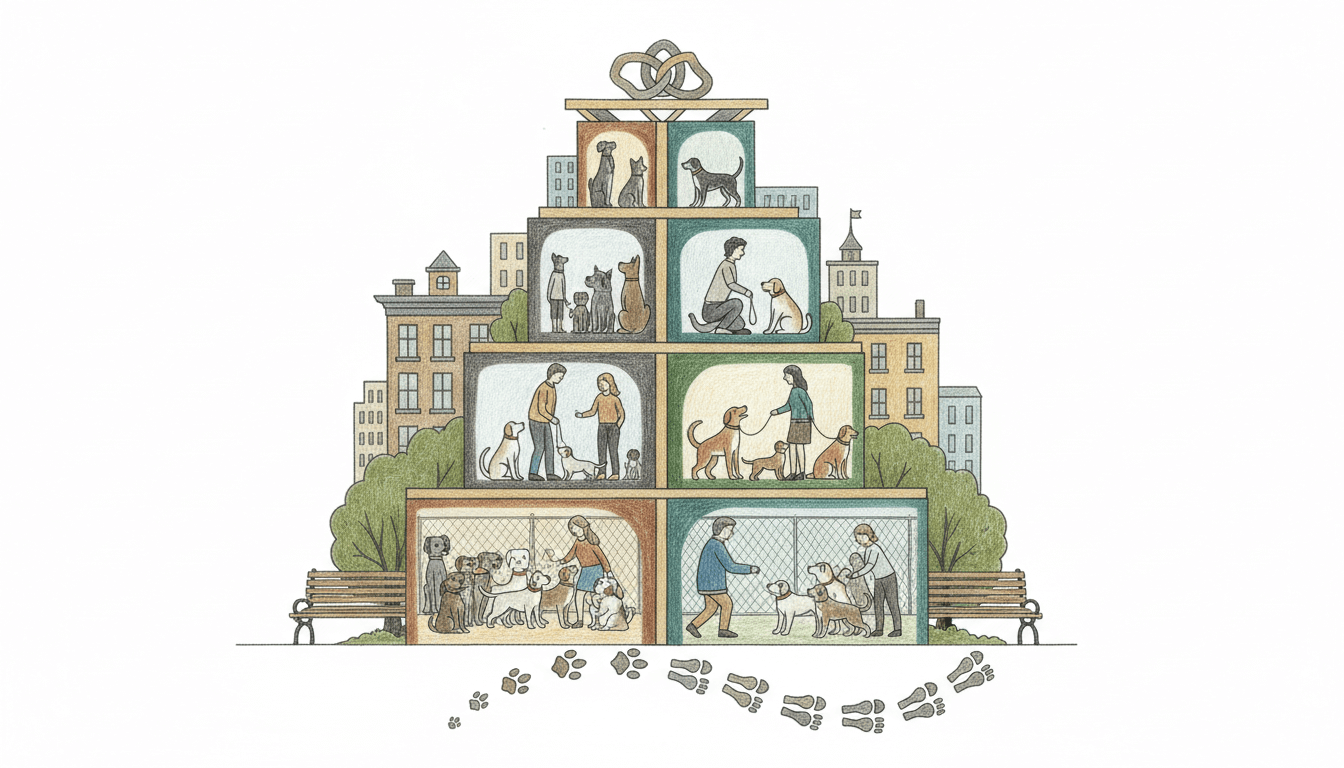
Training and socialization are critical components of responsible pet ownership, directly impacting a pet's behavior, mental health, and the quality of the human-animal relationship. According to professional dog trainers and behaviorists, initiating training at 8 weeks old establishes a framework for clear communication and expectations. This process not only mitigates common behavioral problems like aggression or anxiety but also provides essential mental stimulation, reducing confusion and fostering a harmonious living environment. In this comprehensive article, we delve into the science-backed methods, benefits, and practical steps for effective training and socialization, ensuring your pet develops into a well-adjusted and confident companion.
Sections
The Importance of Early Training and Socialization
Beginning training at 8 weeks old capitalizes on a pet's critical developmental period, where they are most receptive to learning and adaptation. Early socialization exposes pets to diverse environments, people, and other animals, which is vital for preventing fear-based behaviors later in life. Studies show that puppies socialized before 14 weeks are 40% less likely to develop aggression or phobias. Training during this phase helps establish clear communication, enabling pets to understand basic commands and house rules. This foundation not only reduces instances of destructive behavior by up to 60% but also strengthens the human-animal bond through consistent, positive interactions. Mental stimulation through training exercises, such as puzzle toys or obedience drills, engages cognitive functions, preventing boredom and associated issues like excessive barking or chewing.
Core Training Methods for Optimal Results
Effective training relies on evidence-based methods tailored to a pet's individual needs. Formal training sessions, conducted in structured environments like classes or home setups, focus on teaching specific commands (e.g., sit, stay, come) through repetition and consistency. Incorporating commands into daily activities—such as asking for a 'sit' before meals or a 'down' during play—reinforces learning in real-world contexts, making obedience a natural part of your pet's routine. Positive reinforcement techniques, which reward desired behaviors with treats, praise, or play, are widely endorsed by behaviorists for their high success rates; research indicates they improve compliance by over 80% compared to punitive methods. For example, using a clicker to mark correct actions followed by a reward accelerates learning. Additionally, variable reinforcement schedules, where rewards are given intermittently, help maintain long-term behavioral consistency. It's essential to keep sessions short (5-15 minutes) to align with pets' attention spans and avoid frustration.
Socialization Strategies for Confident Pets
Socialization involves systematically exposing pets to new experiences in a controlled, positive manner to build confidence and adaptability. Start by introducing your pet to different surfaces (e.g., grass, tile, gravel), sounds (e.g., traffic, vacuums), and people of varying ages and appearances. For puppies, organize playdates with vaccinated, well-behaved dogs to teach appropriate social cues and bite inhibition. Data from veterinary behaviorists suggests that pets socialized to at least 50 unique stimuli by 16 weeks exhibit 30% fewer anxiety-related behaviors. Gradually increase exposure complexity, such as visits to pet-friendly stores or parks, while monitoring for signs of stress. Use high-value rewards, like small treats or favorite toys, to create positive associations. For adult pets, counter-conditioning techniques can address existing fears by pairing triggers with rewards. Consistency is key—aim for 3-5 socialization outings weekly, ensuring each experience ends on a positive note to reinforce desired behaviors.
Mental Stimulation and Its Role in Behavioral Health
Mental stimulation is as crucial as physical exercise in preventing behavioral issues and promoting overall well-being. Training sessions inherently provide cognitive challenges, but supplementing with enrichment activities—such as food puzzles, scent games, or obedience drills—can reduce boredom-induced behaviors by up to 70%. For instance, puzzle toys that dispense treats require problem-solving, engaging neural pathways and burning mental energy. Incorporate variety into routines; rotate toys weekly and introduce new commands or tricks to maintain interest. Studies show that pets receiving daily mental stimulation are 50% less likely to develop compulsive behaviors like tail-chasing or excessive licking. Additionally, mental exercises strengthen the bond between pet and owner, as collaborative tasks foster trust and communication. Aim for 20-30 minutes of dedicated mental stimulation daily, tailored to your pet's breed and energy level, to ensure they remain engaged and content.
Common Challenges and Professional Solutions
Even with consistent training, pets may encounter challenges like distraction, fear, or stubbornness. For distracted pets, practice commands in low-stimulus environments before gradually introducing distractions like toys or other animals. If fear arises during socialization, avoid forcing interactions; instead, use desensitization by exposing the pet to the trigger at a distance and rewarding calm behavior. Data indicates that 90% of fear-based issues improve with gradual, reward-based approaches. For stubborn behaviors, increase the value of rewards (e.g., higher-quality treats) and ensure commands are clear and consistent. Consult a professional trainer or behaviorist if issues persist, as they can identify underlying causes—such as medical conditions or past trauma—and customize solutions. Remember, patience and consistency are vital; setbacks are normal, and progress often requires weeks or months of dedicated effort.
Key Takeaways
Start training at 8 weeks old to leverage critical developmental periods for lifelong behavioral benefits.
Use positive reinforcement techniques to improve compliance by over 80% and strengthen the human-animal bond.
Socialize pets to diverse stimuli early to reduce anxiety and aggression risks by 30-40%.
Incorporate mental stimulation daily to prevent boredom and reduce compulsive behaviors by up to 70%.
Seek professional guidance for persistent issues to address underlying causes effectively.
Frequently Asked Questions
What is the best age to start training a pet?
How can I socialize an adult pet with existing fears?
What are the most effective training methods for stubborn pets?
How much time should I dedicate to training each day?
Can mental stimulation replace physical exercise?
Conclusion
Training and socialization are indispensable for cultivating a well-behaved, confident, and happy pet. By starting early, employing positive reinforcement, and integrating mental stimulation, owners can prevent common behavioral problems and deepen their bond with their companions. Consistency, patience, and professional insights ensure long-term success, transforming training from a task into a rewarding journey. Embrace these practices to provide your pet with the tools they need to thrive in any environment, fostering a lifetime of mutual trust and enjoyment.