
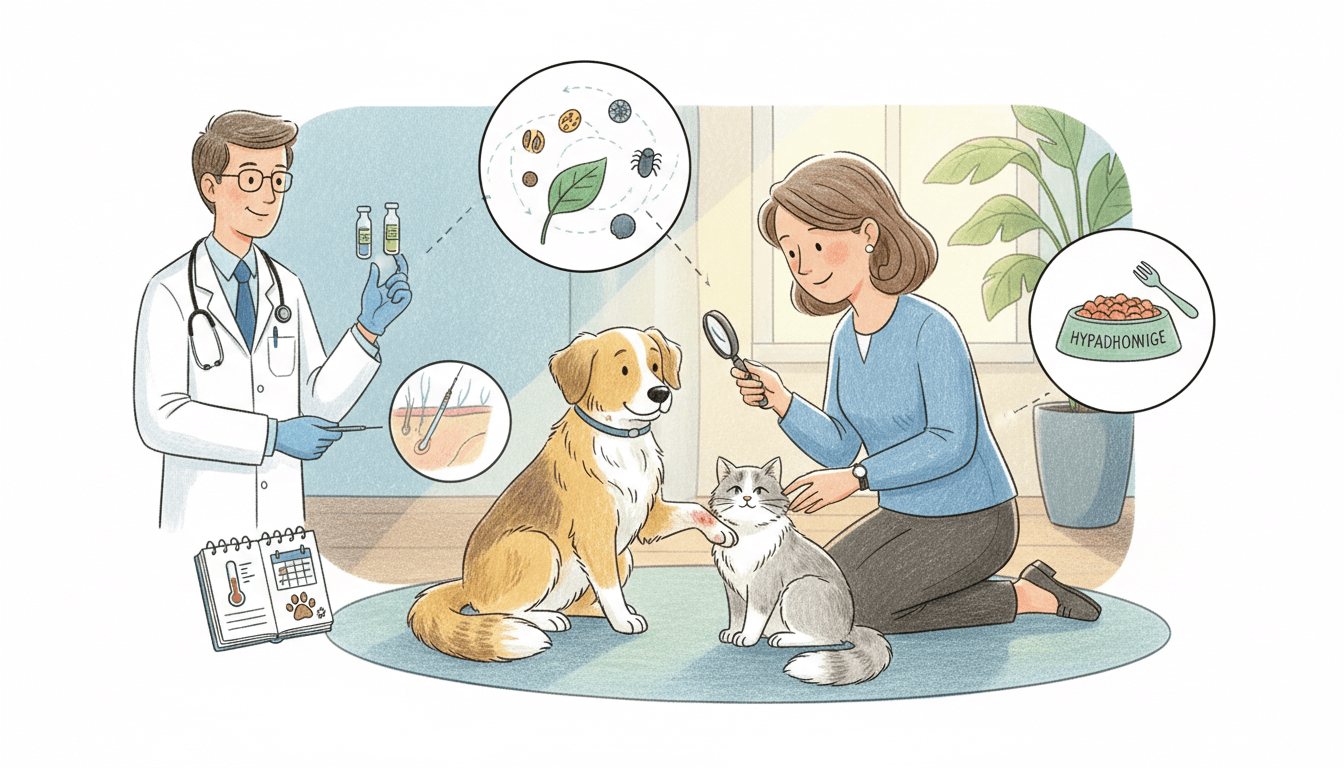
Pet allergies are a common health concern, with studies indicating that approximately 10-15% of dogs and cats experience allergic reactions during their lifetimes. These conditions arise when a pet's immune system overreacts to typically harmless substances, leading to discomfort and potential complications if unmanaged. Understanding the sources, symptoms, and diagnostic approaches is crucial for effective care. This article, informed by Veterinary Allergy Specialists, provides a detailed exploration of pet allergies, covering environmental and dietary triggers, professional testing methods, treatment options, and proactive health monitoring techniques to safeguard your pet's quality of life.
Sections
Common Allergy Symptoms in Pets
Recognizing allergy symptoms early is vital for timely intervention. Key signs include persistent itching, which may lead to excessive scratching and hair loss; sneezing, often accompanied by nasal discharge; and skin irritation, such as redness, hot spots, or rashes. In severe cases, pets may develop secondary infections from constant licking or chewing. According to data, itching and scratching are reported in over 80% of allergic pets, while skin irritation affects about 60%. Monitoring these symptoms, especially during seasonal changes or after dietary adjustments, can help identify patterns and triggers, enabling more accurate veterinary consultations.
Sources and Triggers of Pet Allergies
Pet allergies are primarily categorized into environmental and food-based sources. Environmental allergens include pollen from trees, grasses, and weeds, which peak during spring and fall; dust mites, thriving in humid indoor environments; and mold spores, common in damp areas like basements. Food allergies, accounting for 10-15% of cases, often involve proteins like beef, chicken, or dairy, as well as grains such as wheat. Each allergen can provoke immune responses, with pollen affecting up to 30% of allergic pets. Identifying these triggers through observation and testing is essential for developing avoidance strategies and tailored treatments.
Veterinary Allergy Testing and Diagnosis
Veterinary allergy testing is a precise process to pinpoint specific allergens. Methods include intradermal skin testing, where small amounts of allergens are injected into the skin to observe reactions, and serum testing, which measures IgE antibodies in the blood. These tests, with accuracy rates exceeding 90% when conducted by specialists, help differentiate between atopic dermatitis, food intolerances, and contact allergies. For food allergies, elimination diets—gradually removing and reintroducing ingredients over 8-12 weeks—are often recommended. Early diagnosis, supported by these tools, allows for targeted interventions, reducing the risk of chronic issues like ear infections or gastrointestinal distress.
Treatment Options and Management Strategies
Treatment for pet allergies varies based on severity and triggers. Medications may include antihistamines (e.g., diphenhydramine) for mild symptoms, corticosteroids for inflammation control, or immunosuppressants like cyclosporine for chronic cases. Allergen-specific immunotherapy, or allergy shots, can desensitize pets to triggers over 6-12 months, with success rates of 60-80%. Hypoallergenic diets, formulated with novel proteins or hydrolyzed ingredients, address food-related issues. Additionally, environmental management—such as using HEPA air filters, regular bathing with medicated shampoos, and minimizing outdoor exposure during high pollen counts—supplements medical treatments. Consistent follow-ups with a veterinarian ensure adjustments for optimal outcomes.
The Role of Regular Health Monitoring
Proactive health monitoring is key to managing pet allergies long-term. This involves daily observations for symptom changes, maintaining a health journal to track flare-ups, and scheduling bi-annual veterinary check-ups. Tools like skin scrapings or blood tests can detect underlying conditions early, while weight and behavior logs help assess treatment efficacy. For example, monitoring itching frequency can reveal improvements within 2-4 weeks of starting therapy. Integrating technology, such as pet health apps, aids in recording data and setting reminders. By fostering a routine, owners can reduce emergency visits by up to 40% and enhance their pet's overall comfort and longevity.
Key Takeaways
Identify allergy symptoms like itching, sneezing, and skin irritation early to prevent complications.
Consult a veterinarian for accurate testing, including skin or serum tests, to determine specific triggers.
Implement treatments such as medications, hypoallergenic diets, or immunotherapy based on diagnostic results.
Monitor your pet's health regularly through observations and vet visits to adjust care as needed.
Frequently Asked Questions
What are the most common signs of allergies in pets?
How can I tell if my pet has a food allergy versus an environmental allergy?
What treatment options are available for severe pet allergies?
How often should I monitor my pet for allergy symptoms?
Conclusion
Managing pet allergies requires a comprehensive approach, from recognizing early symptoms like itching and sneezing to utilizing advanced veterinary testing for precise diagnosis. With treatments ranging from medications to hypoallergenic diets and consistent health monitoring, owners can significantly improve their pet's quality of life. By staying informed and collaborating with professionals, you can address allergic triggers effectively, ensuring your pet remains healthy and comfortable. For ongoing support, integrate these strategies into your routine and seek timely veterinary advice to adapt to your pet's evolving needs.