

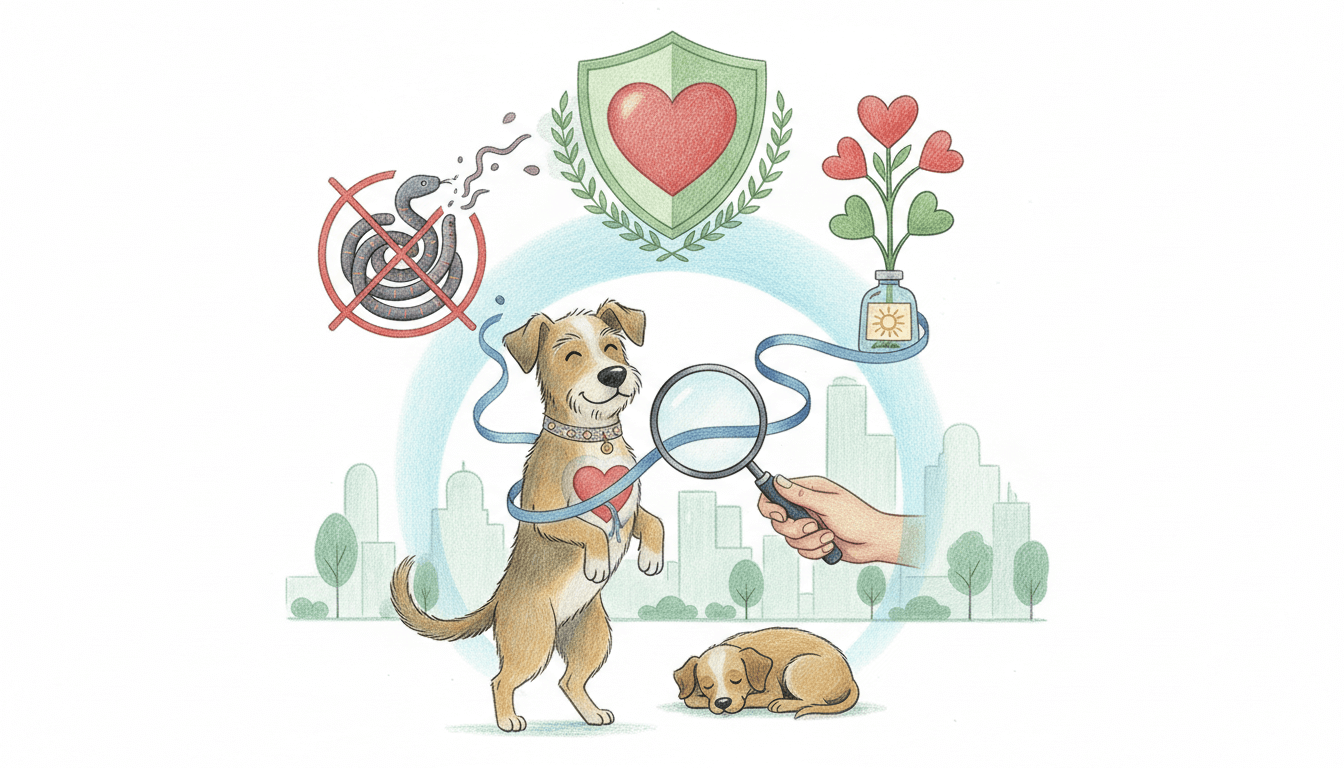
Vaccinations are a cornerstone of preventive veterinary medicine, safeguarding dogs from severe, often fatal diseases. According to the American Veterinary Medical Association, core vaccines—rabies, distemper, parvovirus, and adenovirus-2—are universally recommended due to the high morbidity and mortality rates associated with these illnesses. Non-core vaccines, such as those for kennel cough, Lyme disease, and canine influenza, are administered based on individual risk factors like geographic location, lifestyle, and exposure to other animals. This guide delves into the science behind vaccinations, outlines a structured immunization schedule, and underscores the necessity of regular veterinary consultations to tailor vaccine protocols, ensuring your dog remains healthy and protected throughout its life.
Sections
Understanding Core Vaccines: Protection Against Universal Threats
Core vaccines are deemed essential for all dogs, regardless of their environment or lifestyle, due to the severe nature of the diseases they prevent. Rabies, a zoonotic viral disease, is fatal and transmissible to humans, with vaccination mandated by law in many regions. The distemper vaccine combats a highly contagious virus affecting the respiratory, gastrointestinal, and nervous systems, boasting an efficacy rate of over 95% when administered correctly. Parvovirus, particularly dangerous for puppies, causes severe vomiting and diarrhea, with mortality rates reaching 91% in untreated cases; vaccination reduces this risk to less than 10%. Adenovirus-2 protects against infectious canine hepatitis, which can lead to liver failure and has a prevalence of up to 20% in unvaccinated populations. These vaccines are typically initiated in puppies at 6-8 weeks, with boosters every 3-4 weeks until 16 weeks, followed by adult boosters every 1-3 years based on veterinary guidelines.
Non-Core Vaccines: Tailoring Protection to Individual Risk Factors
Non-core vaccines are recommended based on a dog's specific exposure risks, which vary by geography, activity level, and social behavior. Kennel cough (Bordetella bronchiseptica) is crucial for dogs in boarding facilities, dog parks, or group training classes, as it spreads rapidly in crowded environments; studies show vaccination reduces clinical signs by 70-80%. Lyme disease vaccine is advised in endemic areas like the Northeastern U.S., where tick exposure is high, and can decrease infection incidence by up to 85%. Canine influenza vaccines target H3N2 and H3N8 strains, important for dogs in communal settings, with efficacy rates around 60-80% in reducing severity. Veterinarians assess factors such as local disease prevalence, travel plans, and lifestyle to determine if these vaccines are necessary, often administering them annually or semi-annually depending on the product and risk level.
Vaccination Schedules and Veterinary Oversight: Ensuring Timely Protection
A structured vaccination schedule is vital for building and maintaining immunity. Puppies receive their first core vaccines at 6-8 weeks, with repeated doses every 3-4 weeks until 16 weeks old to overcome maternal antibody interference. Adult dogs require booster shots: rabies every 1-3 years (as per local laws), and core vaccines every 3 years based on recent guidelines from organizations like the AAHA. Non-core vaccines may be given annually or as needed, with titers sometimes used to check immunity levels. Annual veterinary check-ups are critical for updating vaccines, conducting health screenings, and discussing any adverse reactions, which occur in less than 0.5% of cases. These visits allow for personalized adjustments, such delaying vaccines in ill dogs or adding non-core options for high-risk individuals, ensuring optimal protection without over-vaccination.
Addressing Common Concerns: Safety, Efficacy, and Myths
While vaccines are generally safe, some owners worry about side effects like soreness, fever, or rare allergic reactions. Severe adverse events are uncommon, affecting approximately 1 in 10,000 dogs, and are outweighed by the benefits of disease prevention. Efficacy varies by vaccine; for instance, core vaccines like distemper and parvovirus provide immunity in over 95% of vaccinated dogs, whereas non-core options may offer lower but still significant protection. Debunking myths, research confirms that vaccines do not cause autism or chronic diseases in dogs, and the risk of vaccine-associated sarcomas is extremely low. Consulting a veterinarian helps address concerns, with alternatives like titer testing available for certain vaccines to avoid unnecessary doses while ensuring immunity.
Key Takeaways
Core vaccines (rabies, distemper, parvovirus, adenovirus-2) are essential for all dogs to prevent fatal diseases.
Non-core vaccines (kennel cough, Lyme disease, canine influenza) depend on exposure risks and should be discussed with a vet.
Puppies start vaccinations at 6-8 weeks, with boosters until 16 weeks, followed by adult schedules every 1-3 years.
Annual veterinary check-ups are crucial for updating vaccines, monitoring health, and personalizing care.
Vaccine safety is high, with severe side effects rare, and efficacy proven in reducing disease incidence and severity.
Frequently Asked Questions
How often does my dog need rabies vaccinations?
Are non-core vaccines necessary if my dog stays indoors?
What should I do if my dog misses a vaccine booster?
Can vaccines cause long-term health issues in dogs?
Conclusion
Vaccinations are a fundamental aspect of responsible dog ownership, providing robust protection against debilitating and deadly diseases. By adhering to core vaccine protocols and evaluating non-core options with veterinary guidance, owners can significantly enhance their dog's quality of life and longevity. Regular check-ups ensure vaccinations remain up-to-date and tailored to individual needs, fostering a proactive approach to health. Embrace this guide as a resource to make informed decisions, contributing to a safer environment for your pet and the broader community.
Related Comparisons

Feline Parasite Prevention Guide: Protecting Your Cat from Heartworms, Intestinal Parasites, Fleas, and Ticks
Comprehensive guide on preventing common feline parasites including heartworms, intestinal worms, fleas, and ticks. Learn personalized prevention strategies with oral medications, topical treatments, and preventive collars. Discover why year-round protection tailored to your cat's lifestyle and regional risks is essential for optimal health, reducing disease transmission and severe complications. Based on veterinary recommendations from VCA Animal Hospitals.

Comprehensive Feline Vaccination Guide: Core Shots, Schedules, and Health Protection
This guide details essential feline vaccinations to safeguard cats from severe diseases. Core vaccines, including rabies, feline panleukopenia virus, feline herpesvirus, and calicivirus, form the foundation of preventive care, while optional vaccines like feline leukemia virus address specific exposure risks. Tailoring vaccination plans based on a cat's age, health, and lifestyle, with regular veterinary consultations, ensures optimal protection. Adhering to recommended schedules helps prevent outbreaks and supports long-term feline wellness, reducing mortality from preventable illnesses.
Heartworm Prevention and Detection: Essential Strategies for Protecting Your Pet
Heartworm disease is a serious, potentially fatal condition transmitted by mosquitoes, primarily affecting dogs but also cats and other mammals. Prevention through year-round medications is strongly recommended by veterinarians, as treatment can be complex and risky. Regular testing, even in cooler climates, ensures early detection and effective management. Many preventive options, including oral, topical, and collar-based solutions, also provide protection against intestinal parasites, offering comprehensive care for your pet's health. Understanding transmission, prevention methods, and the importance of veterinary guidance is crucial for keeping pets safe.

Pet Spaying and Neutering Benefits: Essential Health and Behavioral Advantages
Spaying and neutering are critical veterinary procedures that provide substantial health and behavioral benefits for pets, including preventing infections like pyometra and reducing cancer risks such as mammary tumors by up to 99% in spayed females. These surgeries also curb undesirable behaviors like roaming and aggression, while contributing to population control. Veterinarians recommend timing based on breed, age, and health, with early-age options available for many pets. Adhering to professional guidelines ensures optimal outcomes for your pet's well-being.

Managing Feline Dental Health: Prevention, Risks, and Professional Care
Dental disease affects over 70% of cats by age three, making proactive oral care essential. This comprehensive guide details evidence-based prevention strategies including daily tooth brushing with VOHC-approved products, professional cleanings, and dental chews. Learn to recognize early signs of plaque buildup, gingivitis, and periodontal disease that can lead to systemic infections and organ damage. With contributions from veterinary experts, discover how consistent dental hygiene preserves your cat's quality of life and prevents painful complications.

Senior Pet Health Management: Comprehensive Care for Aging Companions
As pets enter their senior years, typically around age 7 for dogs and 10 for cats, their healthcare needs evolve significantly. This comprehensive guide covers essential aspects of senior pet care, including the critical importance of twice-yearly veterinary check-ups recommended by PetSmart Veterinary Services. We explore four major age-related conditions—heart disease, kidney dysfunction, cancer, and thyroid disorders—and detail monitoring protocols involving comprehensive blood work and physical examinations. Early detection through systematic screening can dramatically improve quality of life and potentially extend your pet's lifespan by addressing health issues before they become advanced.

Comprehensive Pet Vaccination Guide: Protecting Your Companion Animals from Infectious Diseases
This essential guide provides detailed information about core vaccinations for dogs and cats, including rabies, distemper, parvovirus, leptospirosis, panleukopenia, herpesvirus, and calicivirus. Learn about vaccination schedules, disease prevention strategies, and how personalized immunization protocols can protect your pets from life-threatening infections based on their specific health needs, age, and environmental risk factors. Following American Veterinary Medical Association guidelines ensures optimal protection for your beloved companions.

Dental Health Care for Dogs: Essential Strategies for Preventing Disease and Promoting Lifelong Wellness
Dental disease affects over 80% of dogs by age four, making oral care a critical component of canine health. Left untreated, oral infections can spread systemically, leading to heart, liver, and kidney complications. This comprehensive guide covers professional cleanings, daily brushing techniques with VOHC-approved toothpaste, and effective dental chews. Learn to recognize early warning signs like bad breath and bleeding gums while implementing preventive strategies recommended by veterinarians. Proper dental care can extend your dog's lifespan by 2-4 years while preventing painful conditions.

Senior Pet Healthcare: Comprehensive Guide to Aging Pet Wellness
As pets age, their healthcare needs evolve significantly, requiring twice-yearly veterinary check-ups to monitor for age-related conditions like kidney disease, heart issues, arthritis, and cancer. With pets aging the equivalent of humans visiting a doctor every 4-5 years, proactive preventive care becomes essential. This guide covers specialized monitoring, early disease detection strategies, and practical management tips to ensure your senior pet maintains optimal health and quality of life through their golden years.

Comprehensive Pet Exercise and Activity Management: Optimizing Health and Happiness
Regular, tailored exercise is essential for maintaining your pet's physical and mental well-being, preventing obesity, and enhancing overall quality of life. This guide provides detailed strategies based on breed, age, and health conditions to create effective activity plans. Learn how exercise supports weight management, mental stimulation, cardiovascular health, and joint mobility with expert insights from Veterinary Fitness Experts.

Pet First Aid and Emergency Preparedness: Essential Knowledge for Every Pet Owner
This comprehensive guide details essential pet first aid and emergency preparedness strategies, drawing from Veterinary Emergency Specialists. Learn to handle poisoning incidents, identify critical symptoms like rapid breathing or collapse, and maintain a robust emergency kit with veterinarian contacts, medical history, and first aid supplies. Implementing these practices can significantly improve outcomes during pet emergencies, ensuring timely and effective care.

Pet Behavioral Health: Veterinary Insights into Common Issues and Solutions
Behavioral problems in pets, such as inappropriate urination, aggression, and separation anxiety, often stem from underlying medical conditions. Veterinarians play an essential role in diagnosing these issues through comprehensive assessments, including physical exams, laboratory tests, and behavioral history reviews. This guide explains how professional veterinary intervention provides targeted treatment plans that address both health and behavioral aspects, ensuring long-term well-being for your pet. Early detection can prevent escalation and improve quality of life, with success rates improving by up to 80% when medical causes are identified and treated promptly.

Spaying and Neutering Benefits: Comprehensive Guide to Pet Health and Behavior
Spaying and neutering are essential preventive health procedures for pets, offering significant medical and behavioral advantages. These surgeries prevent infections such as pyometra—affecting up to 25% of unspayed female dogs—and reduce cancer risks, including mammary tumors and testicular cancer, by over 50% when performed before the first heat cycle. Behavioral improvements include decreased aggression, roaming, and marking. Veterinarians recommend timing based on breed, size, and health, typically between 6-9 months for dogs and 5-6 months for cats. This guide explores these benefits in detail, supported by veterinary reproductive health expertise.

Pet Insurance and Financial Planning: Securing Your Pet's Health and Your Financial Future
Responsible pet ownership requires strategic financial planning to manage healthcare costs effectively. This guide explores pet insurance options, detailing policy types, coverage limitations, and premium factors. Learn to establish a dedicated pet healthcare savings account, budget for routine and emergency expenses, and integrate insurance with savings. With insights from Veterinary Financial Planning Experts, discover how to protect your pet’s well-being while safeguarding your finances against unexpected veterinary bills.