
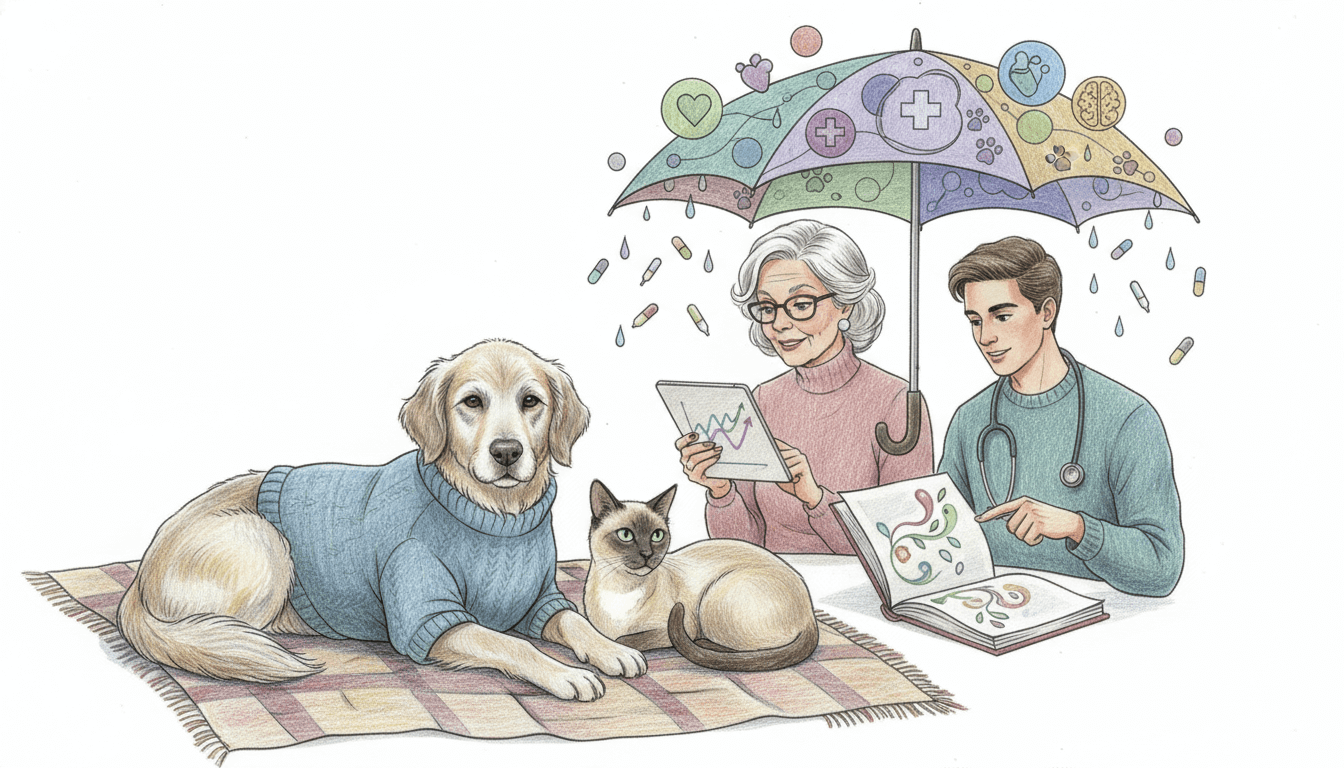
Senior pets, typically defined as those entering the last third of their expected lifespan, require dedicated healthcare strategies to address their unique physiological changes. According to Veterinary Aging Specialists, aging pets need more frequent veterinary attention, with recommended check-ups increasing to twice yearly. This heightened care frequency is crucial because pets age much faster than humans—equivalent to a human visiting the doctor every 4-5 years. Preventive care during this life stage can significantly impact longevity and quality of life, focusing on early detection and management of conditions such as kidney function decline, heart disease, cancer, and arthritis. This article provides a detailed, professional overview of senior pet healthcare, integrating specific data and expert recommendations to help pet owners navigate their companion's golden years with confidence.
Sections
The Importance of Twice-Yearly Veterinary Check-ups
Biannual veterinary visits are fundamental for senior pets due to their accelerated aging process. Each year for a pet is roughly equivalent to 4-5 human years, meaning health changes can occur rapidly. These check-ups include comprehensive physical examinations, blood panels, urinalysis, and diagnostic imaging when necessary. Veterinarians assess vital signs, body condition, dental health, and mobility, looking for subtle signs of disease. Early detection through these visits can identify issues like declining kidney function or early-stage heart disease before they become critical, allowing for timely interventions that improve outcomes and reduce treatment costs.
Key Age-Related Health Concerns in Senior Pets
Senior pets are prone to specific age-related conditions that require vigilant monitoring. Kidney function decline is common, with studies showing up to 30% of cats over 15 years develop chronic kidney disease. Regular blood tests measuring creatinine and SDMA levels help detect this early. Heart disease, such as valvular issues in dogs or cardiomyopathy in cats, can be identified through auscultation and echocardiograms. Cancer screening involves palpating for masses and using imaging like X-rays or ultrasound, as cancer incidence rises with age—approximately 50% of dogs over 10 years may develop some form of cancer. Arthritis management focuses on pain relief through medications, supplements like glucosamine, and lifestyle modifications to maintain joint health and mobility.
Monitoring Organ Function and Early Disease Detection
Proactive monitoring of organ function is critical in senior pets. Baseline blood work establishes reference values for liver enzymes, kidney parameters, and thyroid levels, with deviations signaling potential issues. For example, elevated BUN and creatinine indicate kidney impairment, while ALT increases may suggest liver stress. Urinalysis assesses kidney concentration ability and detects infections. Advanced diagnostics, such as blood pressure monitoring and ECG, help identify cardiovascular problems. Pet owners should watch for clinical signs at home, including changes in appetite, weight loss, increased thirst, or lethargy, and report them promptly to their veterinarian for further evaluation.
Integrating Preventive Care into Daily Routines
Preventive care extends beyond vet visits to daily habits that support senior pet health. Nutrition plays a key role; diets formulated for seniors often have controlled phosphorus for kidney health, added omega-3s for joint support, and adjusted calorie content to prevent obesity. Exercise should be moderate and consistent to maintain muscle mass without overstressing joints. Dental hygiene is vital, as periodontal disease can exacerbate systemic conditions like heart disease. Environmental adaptations, such as non-slip flooring and raised food bowls, enhance comfort. Regular at-home observations—tracking water intake, activity levels, and behavior changes—complement professional care, creating a holistic approach to aging pet wellness.
Key Takeaways
Schedule twice-yearly veterinary check-ups for early detection of age-related diseases.
Monitor for kidney decline, heart issues, cancer, and arthritis through diagnostics and observation.
Implement preventive measures including senior-specific nutrition, controlled exercise, and dental care.
Understand that pets age rapidly; proactive care can significantly extend quality of life.
Frequently Asked Questions
Why are twice-yearly vet visits recommended for senior pets?
What are common signs of aging in pets that I should watch for?
How can I help manage arthritis in my senior pet?
Are there specific tests for senior pets during check-ups?
Conclusion
Senior pet healthcare demands a proactive, informed approach to address the accelerated aging process and associated health risks. By adhering to twice-yearly veterinary check-ups, monitoring for key age-related concerns like kidney and heart disease, and integrating preventive strategies into daily care, pet owners can significantly enhance their companion's quality of life. Leveraging insights from Veterinary Aging Specialists, this guide underscores the importance of early detection and tailored management to navigate the challenges of pet aging effectively. With dedicated attention and professional support, senior pets can enjoy their later years in comfort and health.
Related Comparisons

Comprehensive Pet Exercise and Activity Management: Optimizing Health and Happiness
Regular, tailored exercise is essential for maintaining your pet's physical and mental well-being, preventing obesity, and enhancing overall quality of life. This guide provides detailed strategies based on breed, age, and health conditions to create effective activity plans. Learn how exercise supports weight management, mental stimulation, cardiovascular health, and joint mobility with expert insights from Veterinary Fitness Experts.

Pet First Aid and Emergency Preparedness: Essential Knowledge for Every Pet Owner
This comprehensive guide details essential pet first aid and emergency preparedness strategies, drawing from Veterinary Emergency Specialists. Learn to handle poisoning incidents, identify critical symptoms like rapid breathing or collapse, and maintain a robust emergency kit with veterinarian contacts, medical history, and first aid supplies. Implementing these practices can significantly improve outcomes during pet emergencies, ensuring timely and effective care.

Pet Behavioral Health: Veterinary Insights into Common Issues and Solutions
Behavioral problems in pets, such as inappropriate urination, aggression, and separation anxiety, often stem from underlying medical conditions. Veterinarians play an essential role in diagnosing these issues through comprehensive assessments, including physical exams, laboratory tests, and behavioral history reviews. This guide explains how professional veterinary intervention provides targeted treatment plans that address both health and behavioral aspects, ensuring long-term well-being for your pet. Early detection can prevent escalation and improve quality of life, with success rates improving by up to 80% when medical causes are identified and treated promptly.

Spaying and Neutering Benefits: Comprehensive Guide to Pet Health and Behavior
Spaying and neutering are essential preventive health procedures for pets, offering significant medical and behavioral advantages. These surgeries prevent infections such as pyometra—affecting up to 25% of unspayed female dogs—and reduce cancer risks, including mammary tumors and testicular cancer, by over 50% when performed before the first heat cycle. Behavioral improvements include decreased aggression, roaming, and marking. Veterinarians recommend timing based on breed, size, and health, typically between 6-9 months for dogs and 5-6 months for cats. This guide explores these benefits in detail, supported by veterinary reproductive health expertise.

Pet Insurance and Financial Planning: Securing Your Pet's Health and Your Financial Future
Responsible pet ownership requires strategic financial planning to manage healthcare costs effectively. This guide explores pet insurance options, detailing policy types, coverage limitations, and premium factors. Learn to establish a dedicated pet healthcare savings account, budget for routine and emergency expenses, and integrate insurance with savings. With insights from Veterinary Financial Planning Experts, discover how to protect your pet’s well-being while safeguarding your finances against unexpected veterinary bills.

Pain Management in Pets: Comprehensive Veterinary Approaches
Pets instinctively conceal pain, necessitating expert veterinary assessment to prevent worsening conditions. Veterinarians utilize physical examinations, diagnostic testing, and behavioral assessments to identify discomfort accurately. Tailored treatment plans, including pharmaceuticals, physical therapy, and lifestyle adjustments, ensure effective pain relief and improved quality of life. Recognizing subtle signs early can prevent chronic issues, making professional care essential for your pet's health.
Comprehensive Preventive Care for Exotic Pets: Specialized Veterinary Approaches
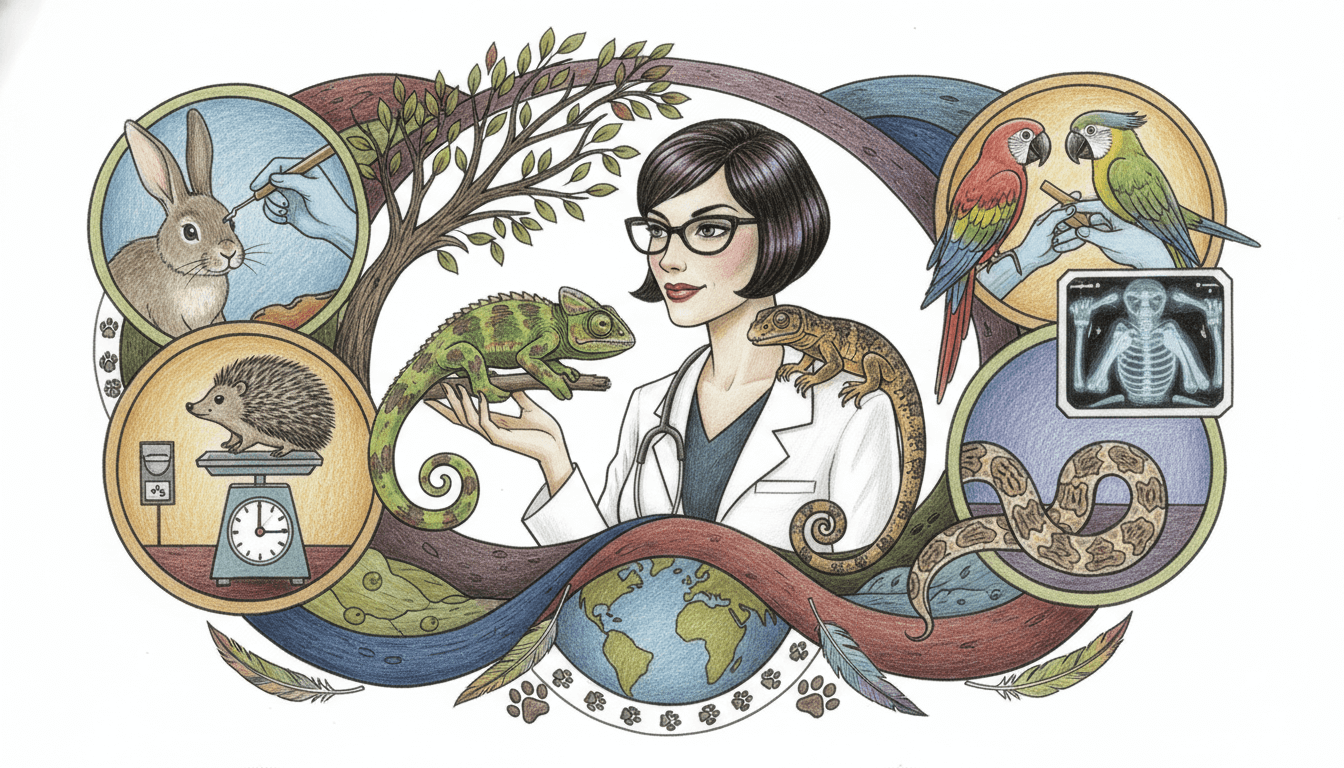
Exotic pets, including reptiles, birds, and small mammals, require specialized veterinary care tailored to their unique physiological and environmental needs. This guide explores preventive health strategies, emphasizing species-specific nutrition, disease risks, and habitat management. With 60% of exotic pet health issues stemming from improper care, early detection through regular check-ups and monitoring is vital. Learn how to partner with certified exotic veterinarians to ensure your pet's longevity and well-being through evidence-based preventive measures.

Comprehensive Pet Travel and Safety: Essential Protocols for Secure Transportation
This guide details critical protocols for ensuring pet safety during travel, covering proper restraint methods, health risk mitigation, and thorough preparation steps. Veterinary experts emphasize using certified harnesses and carriers to reduce injury risks by up to 75%, addressing motion sickness through pre-travel fasting and medications, and maintaining updated health documentation. Learn to implement these evidence-based strategies for stress-free journeys, protecting your pet from common hazards like dehydration, heatstroke, and anxiety during transit.

Environmental Health Risks for Pets: Identification, Prevention, and Protection
Pets face numerous environmental health risks from household toxins, temperature extremes, toxic plants, and outdoor hazards. This guide details how to identify these dangers, implement preventive measures, and create safe living spaces. Drawing from Veterinary Environmental Health Specialists, it covers symptoms of exposure, emergency responses, and long-term strategies to safeguard pet health through awareness and proactive care.
Kidney Disease Prevention in Pets: Early Detection and Proactive Care
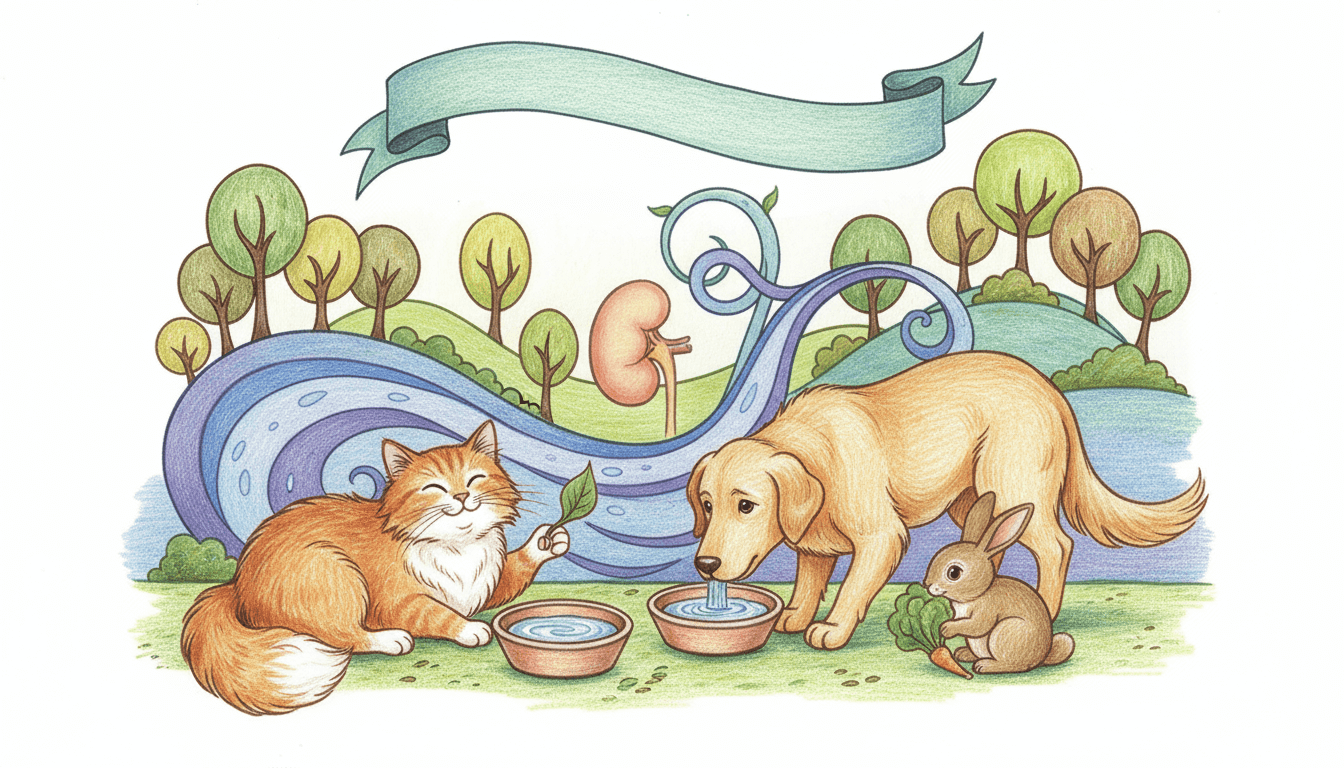
Chronic kidney disease (CKD) is a progressive condition affecting pets, often remaining asymptomatic until 75% of kidney function is lost. This guide emphasizes the critical role of routine veterinary care, including blood work and urinalysis, for early detection and management. By identifying subtle signs early, pet owners can implement timely interventions—such as dietary adjustments, hydration support, and medication—to slow disease progression and enhance their pet's quality of life. Learn actionable strategies to protect your pet's renal health and reduce risks associated with CKD.

Comprehensive Pet Nutrition Guidance: Personalized Dietary Plans for Optimal Health
Proper nutrition is foundational to your pet's health, longevity, and quality of life. Veterinary nutrition specialists emphasize creating customized dietary plans tailored to individual factors like age, weight, activity level, and specific health conditions. This guide explores age-specific nutritional needs—from puppy/kitten formulas to senior diets—weight management strategies to prevent obesity, and condition-specific nutrition for ailments like renal disease or allergies. With 60% of pets requiring dietary adjustments by age 7, proactive nutrition planning can extend lifespan by up to 1.8 years. Learn how to collaborate with veterinarians for evidence-based feeding protocols.

Reproductive Health for Pets: Comprehensive Breeding, Cycle Management, and Spaying/Neutering
Reproductive health is vital for pets' well-being, involving understanding breeding risks like dystocia and genetic disorders, managing estrus cycles with timing and health monitoring, and making informed decisions on spaying/neutering to prevent cancers and overpopulation. Veterinarians provide essential guidance through health screenings and personalized plans. This guide covers key aspects to ensure pets lead healthy lives, backed by expert insights from Veterinary Reproductive Health Specialists.
Comprehensive Geriatric Pet Care: Managing Age-Related Conditions and Enhancing Quality of Life
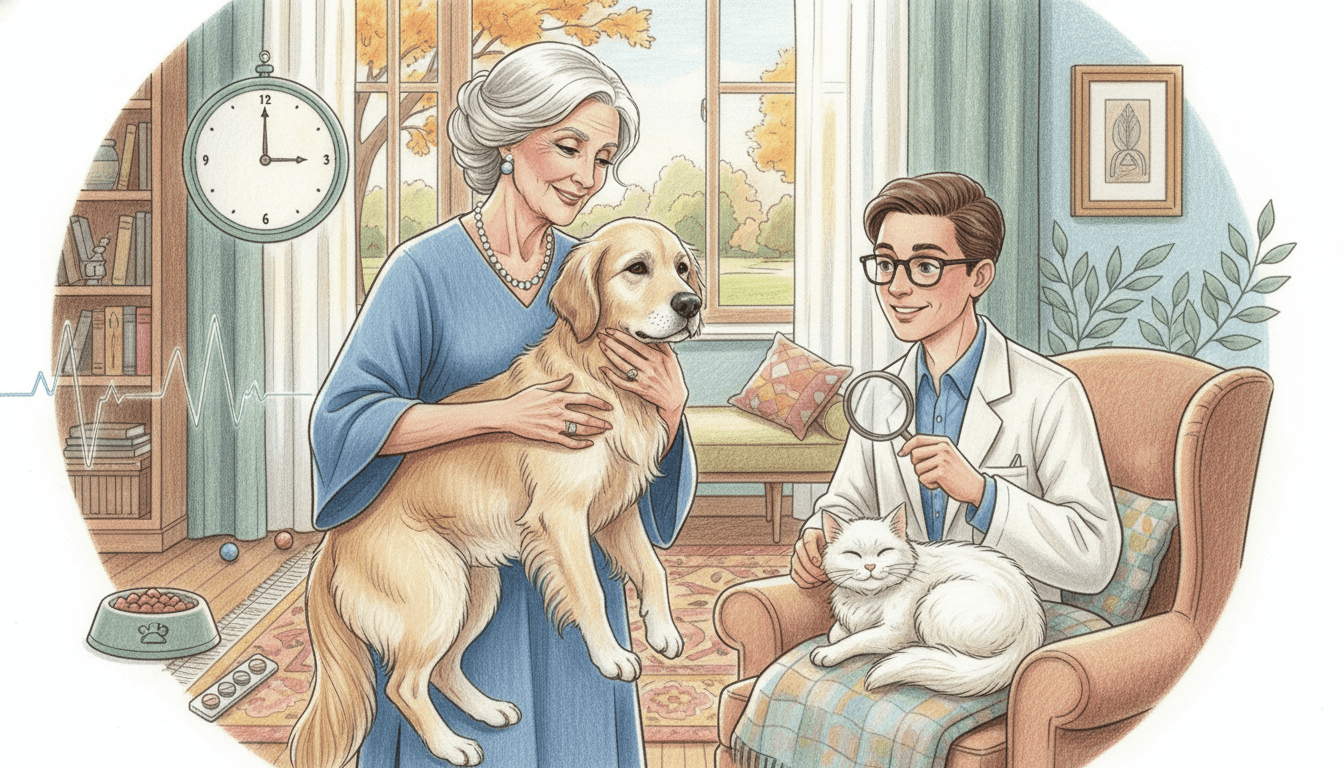
Geriatric pet care involves specialized attention to aging animals, focusing on managing chronic conditions, supporting mobility, and ensuring comfort. Key practices include regular veterinary check-ups, tailored nutrition, and environmental modifications. Early detection of issues like arthritis, dental disease, and cognitive decline can significantly improve outcomes. With proactive care, senior pets can maintain a high quality of life, emphasizing compassionate support and individualized interventions based on species, breed, and health status.
Routine Physical Examinations for Pets: Essential Health Screenings and Early Detection
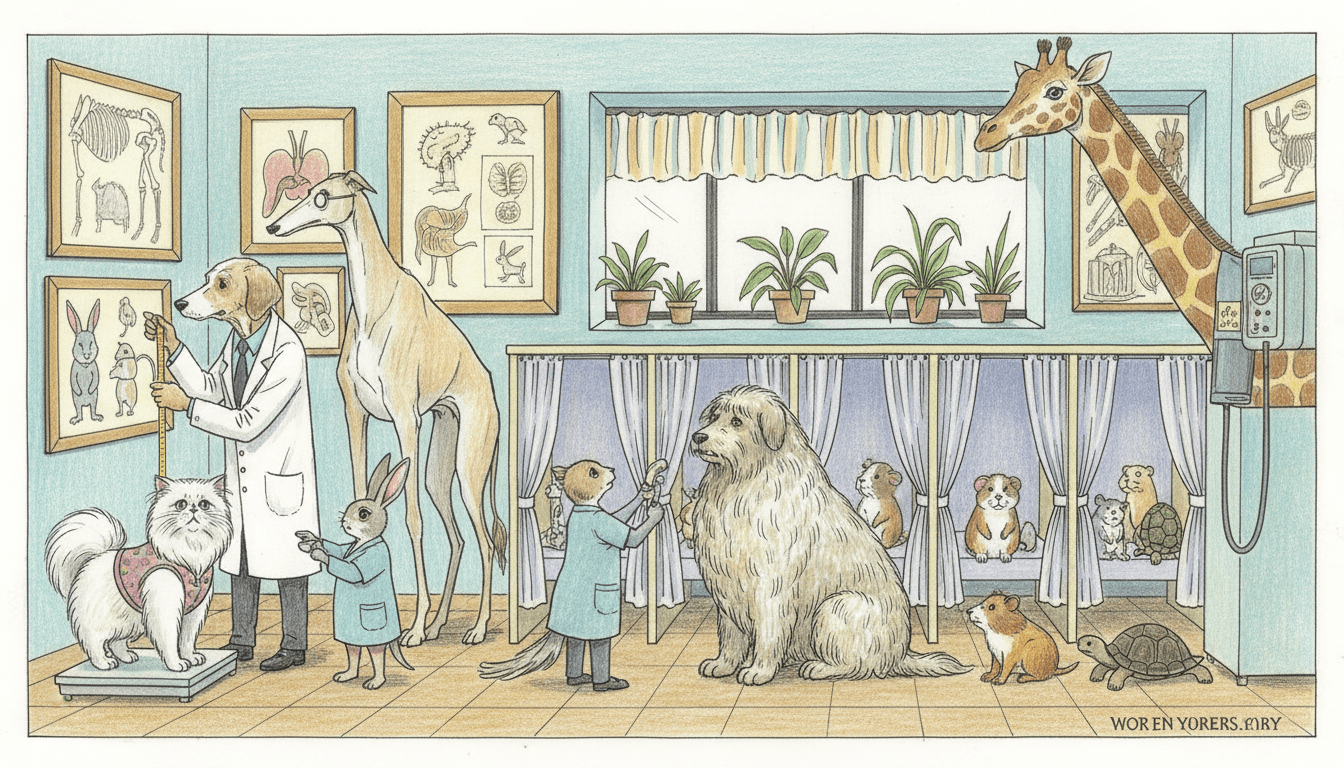
Routine physical examinations are fundamental to proactive pet healthcare, enabling early detection of diseases through comprehensive screenings. These exams, recommended annually or bi-annually, involve detailed assessments of multiple body systems including cardiovascular, lymphatic, and organ functions. Veterinarians utilize these check-ups to identify issues like heart murmurs, tumors, and organ abnormalities before they escalate, significantly improving treatment outcomes and longevity. Supported by organizations like the American Veterinary Medical Association, regular exams are a cornerstone of preventive care, helping pet owners maintain their companions' health and well-being with evidence-based practices.