

Pet ownership brings immense joy, but it also entails responsibility for your companion's health and safety. According to Veterinary Emergency Specialists, understanding basic first aid and emergency procedures is critical, as prompt action can prevent complications or save lives. This guide elaborates on handling poisoning, recognizing urgent symptoms, and maintaining a comprehensive emergency kit, empowering you to act confidently during crises.
Sections
Understanding Common Pet Emergencies and Poisoning Risks
Pets are naturally curious, often leading to accidental ingestion of harmful substances. Over 232,000 pet poisoning cases are reported annually in the U.S. alone, with human medications accounting for nearly 50% of incidents. Key toxic substances include NSAIDs (e.g., ibuprofen), antidepressants, chocolate, xylitol, and certain plants like lilies. Symptoms such as vomiting, diarrhea, seizures, or lethargy require immediate veterinary attention. Always keep medications securely stored and educate household members on these dangers to mitigate risks.
Recognizing Critical Symptoms and Performing Basic First Aid
Early recognition of critical symptoms is vital. Signs like labored breathing (over 40 breaths per minute in dogs), pale gums, collapse, or unresponsiveness indicate emergencies. For wounds, apply direct pressure with sterile gauze to control bleeding. In choking cases, carefully open the mouth to remove obstructions if visible. For poisoning, contact a veterinarian or pet poison helpline immediately; do not induce vomiting unless instructed. CPR for pets involves chest compressions at 100-120 per minute and rescue breathing, but proper training is recommended for effectiveness.
Building and Maintaining a Pet Emergency Kit
A well-stocked emergency kit is indispensable. Essential items, as per Veterinary Emergency Specialists, include veterinarian contact information, a detailed pet medical history (e.g., vaccinations, allergies), and basic first aid supplies like bandages, antiseptic wipes, and tweezers. Additionally, include a 3-day supply of food and water, medications, a leash, and a recent photo for identification. Store the kit in an accessible location and review contents every 6 months to ensure readiness during disasters like fires or floods.
Developing an Emergency Preparedness Plan
An emergency plan ensures coordinated action during crises. Identify pet-friendly shelters and evacuation routes, and assign family roles for pet care. Practice drills to reduce stress, and keep carriers readily available. Microchipping and ID tags increase reunion chances by over 50% if pets get lost. Regularly update contact details with registries, and share your plan with neighbors or pet sitters to enhance community support in emergencies.
Key Takeaways
Store human medications securely to prevent pet poisoning.
Recognize critical symptoms like rapid breathing or collapse for prompt action.
Maintain an emergency kit with veterinarian contacts, medical history, and first aid supplies.
Develop and practice an emergency plan including evacuation routes and pet-friendly shelters.
Frequently Asked Questions
What should I do if my pet ingests a toxic substance?
How often should I update my pet's emergency kit?
Are there specific first aid techniques for different pet species?
What items are essential in a pet first aid kit?
Conclusion
Proactive pet first aid and emergency preparedness are foundational to responsible pet ownership. By understanding poisoning risks, recognizing symptoms, maintaining a tailored emergency kit, and implementing a thorough plan, you can safeguard your pet's well-being. Regularly review and practice these strategies to ensure you're equipped to handle emergencies, ultimately fostering a safer environment for your beloved companion.
Related Comparisons

Pet Behavioral Health: Veterinary Insights into Common Issues and Solutions
Behavioral problems in pets, such as inappropriate urination, aggression, and separation anxiety, often stem from underlying medical conditions. Veterinarians play an essential role in diagnosing these issues through comprehensive assessments, including physical exams, laboratory tests, and behavioral history reviews. This guide explains how professional veterinary intervention provides targeted treatment plans that address both health and behavioral aspects, ensuring long-term well-being for your pet. Early detection can prevent escalation and improve quality of life, with success rates improving by up to 80% when medical causes are identified and treated promptly.

Spaying and Neutering Benefits: Comprehensive Guide to Pet Health and Behavior
Spaying and neutering are essential preventive health procedures for pets, offering significant medical and behavioral advantages. These surgeries prevent infections such as pyometra—affecting up to 25% of unspayed female dogs—and reduce cancer risks, including mammary tumors and testicular cancer, by over 50% when performed before the first heat cycle. Behavioral improvements include decreased aggression, roaming, and marking. Veterinarians recommend timing based on breed, size, and health, typically between 6-9 months for dogs and 5-6 months for cats. This guide explores these benefits in detail, supported by veterinary reproductive health expertise.

Pet Insurance and Financial Planning: Securing Your Pet's Health and Your Financial Future
Responsible pet ownership requires strategic financial planning to manage healthcare costs effectively. This guide explores pet insurance options, detailing policy types, coverage limitations, and premium factors. Learn to establish a dedicated pet healthcare savings account, budget for routine and emergency expenses, and integrate insurance with savings. With insights from Veterinary Financial Planning Experts, discover how to protect your pet’s well-being while safeguarding your finances against unexpected veterinary bills.

Pain Management in Pets: Comprehensive Veterinary Approaches
Pets instinctively conceal pain, necessitating expert veterinary assessment to prevent worsening conditions. Veterinarians utilize physical examinations, diagnostic testing, and behavioral assessments to identify discomfort accurately. Tailored treatment plans, including pharmaceuticals, physical therapy, and lifestyle adjustments, ensure effective pain relief and improved quality of life. Recognizing subtle signs early can prevent chronic issues, making professional care essential for your pet's health.

Comprehensive Preventive Care for Exotic Pets: Specialized Veterinary Approaches
Exotic pets, including reptiles, birds, and small mammals, require specialized veterinary care tailored to their unique physiological and environmental needs. This guide explores preventive health strategies, emphasizing species-specific nutrition, disease risks, and habitat management. With 60% of exotic pet health issues stemming from improper care, early detection through regular check-ups and monitoring is vital. Learn how to partner with certified exotic veterinarians to ensure your pet's longevity and well-being through evidence-based preventive measures.

Comprehensive Pet Travel and Safety: Essential Protocols for Secure Transportation
This guide details critical protocols for ensuring pet safety during travel, covering proper restraint methods, health risk mitigation, and thorough preparation steps. Veterinary experts emphasize using certified harnesses and carriers to reduce injury risks by up to 75%, addressing motion sickness through pre-travel fasting and medications, and maintaining updated health documentation. Learn to implement these evidence-based strategies for stress-free journeys, protecting your pet from common hazards like dehydration, heatstroke, and anxiety during transit.

Environmental Health Risks for Pets: Identification, Prevention, and Protection
Pets face numerous environmental health risks from household toxins, temperature extremes, toxic plants, and outdoor hazards. This guide details how to identify these dangers, implement preventive measures, and create safe living spaces. Drawing from Veterinary Environmental Health Specialists, it covers symptoms of exposure, emergency responses, and long-term strategies to safeguard pet health through awareness and proactive care.
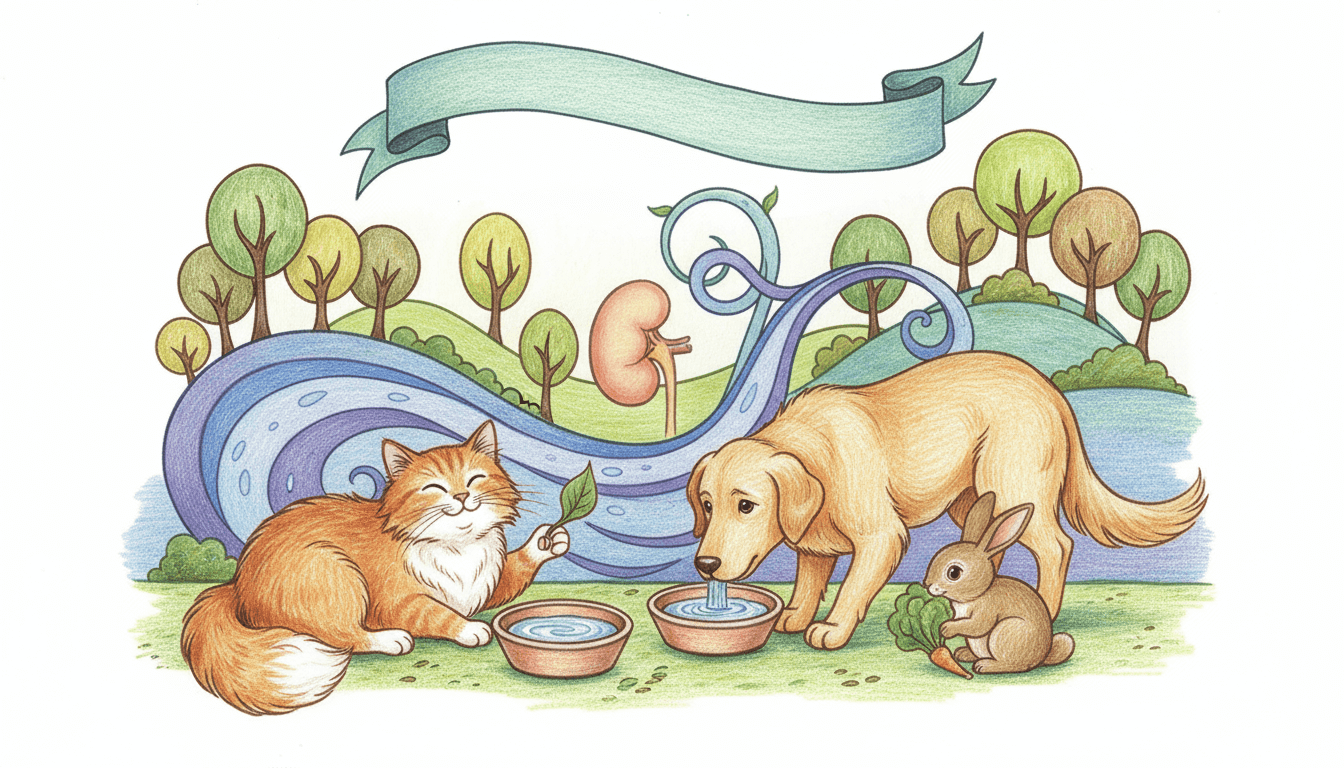
Kidney Disease Prevention in Pets: Early Detection and Proactive Care
Chronic kidney disease (CKD) is a progressive condition affecting pets, often remaining asymptomatic until 75% of kidney function is lost. This guide emphasizes the critical role of routine veterinary care, including blood work and urinalysis, for early detection and management. By identifying subtle signs early, pet owners can implement timely interventions—such as dietary adjustments, hydration support, and medication—to slow disease progression and enhance their pet's quality of life. Learn actionable strategies to protect your pet's renal health and reduce risks associated with CKD.

Comprehensive Pet Nutrition Guidance: Personalized Dietary Plans for Optimal Health
Proper nutrition is foundational to your pet's health, longevity, and quality of life. Veterinary nutrition specialists emphasize creating customized dietary plans tailored to individual factors like age, weight, activity level, and specific health conditions. This guide explores age-specific nutritional needs—from puppy/kitten formulas to senior diets—weight management strategies to prevent obesity, and condition-specific nutrition for ailments like renal disease or allergies. With 60% of pets requiring dietary adjustments by age 7, proactive nutrition planning can extend lifespan by up to 1.8 years. Learn how to collaborate with veterinarians for evidence-based feeding protocols.

Reproductive Health for Pets: Comprehensive Breeding, Cycle Management, and Spaying/Neutering
Reproductive health is vital for pets' well-being, involving understanding breeding risks like dystocia and genetic disorders, managing estrus cycles with timing and health monitoring, and making informed decisions on spaying/neutering to prevent cancers and overpopulation. Veterinarians provide essential guidance through health screenings and personalized plans. This guide covers key aspects to ensure pets lead healthy lives, backed by expert insights from Veterinary Reproductive Health Specialists.
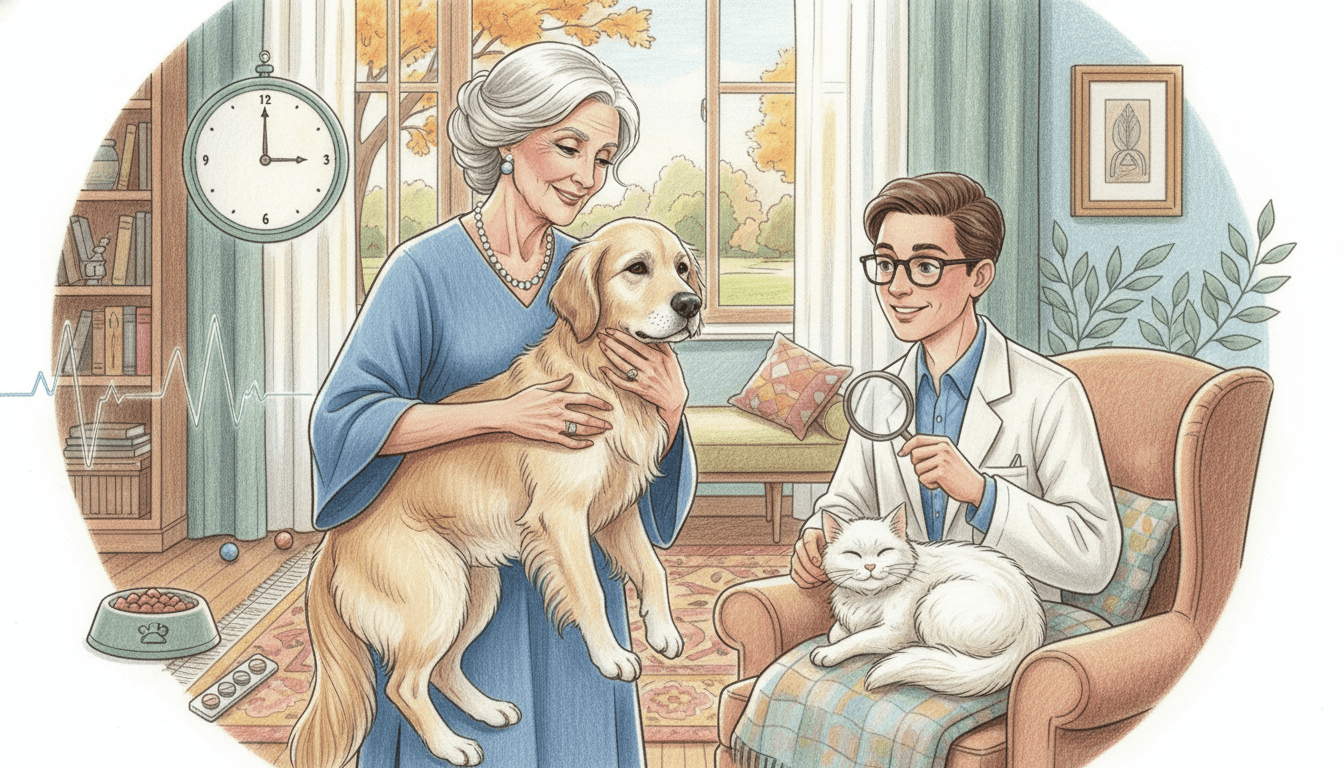
Comprehensive Geriatric Pet Care: Managing Age-Related Conditions and Enhancing Quality of Life
Geriatric pet care involves specialized attention to aging animals, focusing on managing chronic conditions, supporting mobility, and ensuring comfort. Key practices include regular veterinary check-ups, tailored nutrition, and environmental modifications. Early detection of issues like arthritis, dental disease, and cognitive decline can significantly improve outcomes. With proactive care, senior pets can maintain a high quality of life, emphasizing compassionate support and individualized interventions based on species, breed, and health status.
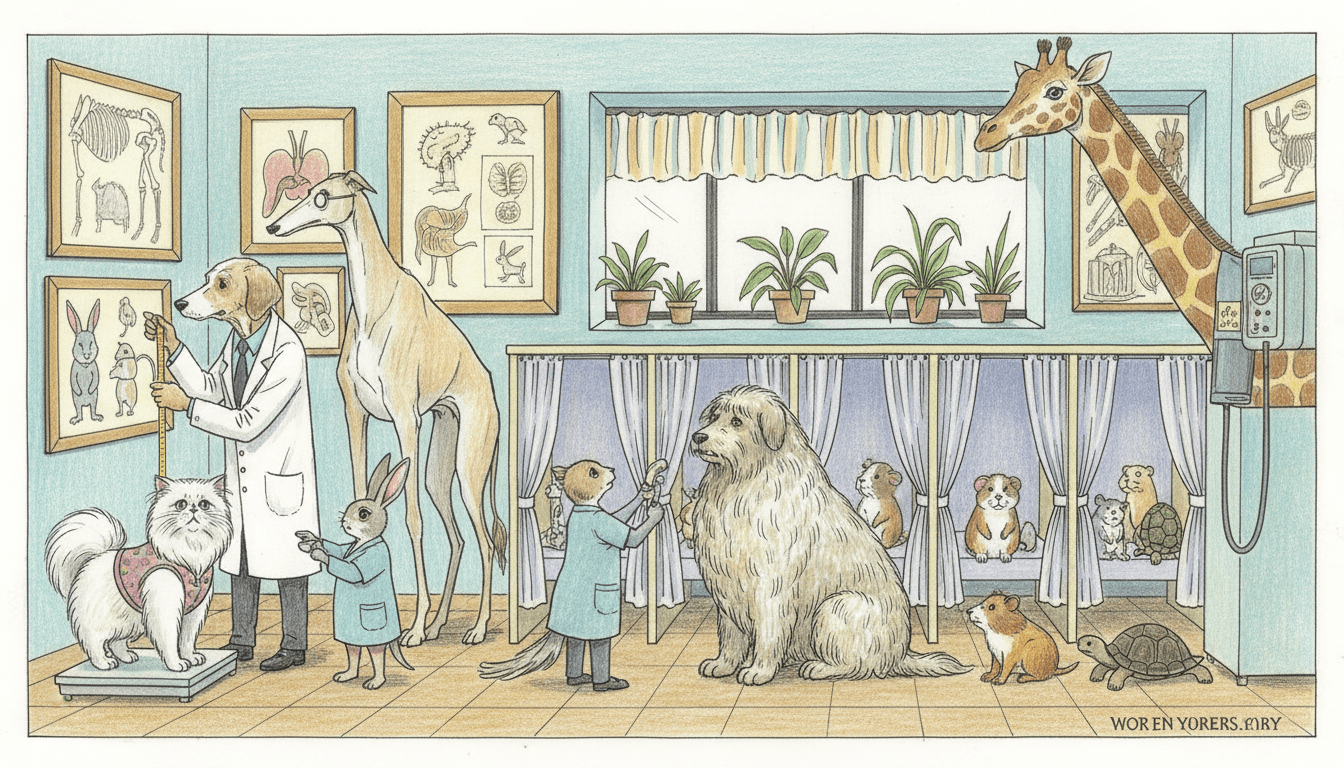
Routine Physical Examinations for Pets: Essential Health Screenings and Early Detection
Routine physical examinations are fundamental to proactive pet healthcare, enabling early detection of diseases through comprehensive screenings. These exams, recommended annually or bi-annually, involve detailed assessments of multiple body systems including cardiovascular, lymphatic, and organ functions. Veterinarians utilize these check-ups to identify issues like heart murmurs, tumors, and organ abnormalities before they escalate, significantly improving treatment outcomes and longevity. Supported by organizations like the American Veterinary Medical Association, regular exams are a cornerstone of preventive care, helping pet owners maintain their companions' health and well-being with evidence-based practices.

Pet Mental Health and Enrichment: Essential Strategies for Emotional Well-Being
Mental and emotional well-being is as vital for pets as physical health, with studies showing that 20-40% of pets exhibit anxiety or stress-related behaviors. This guide covers proven strategies from veterinary behavioral experts, including behavioral enrichment, anxiety management, and environmental stimulation. Learn how to implement interactive toys, routine adjustments, and safe spaces to reduce stress and prevent issues like separation anxiety or destructive habits, improving your pet's quality of life and strengthening your bond.

Holistic Pet Health Approaches: Integrating Traditional and Alternative Veterinary Medicine
Holistic pet health approaches combine traditional veterinary medicine with alternative therapies to address the complete well-being of animals, including physical, mental, and environmental factors. This comprehensive method integrates treatments like acupuncture, herbal remedies, and nutrition with conventional diagnostics and medications. By focusing on prevention and whole-body wellness, holistic care supports long-term health, reduces reliance on pharmaceuticals, and improves quality of life. Backed by veterinary experts, this approach ensures pets receive personalized, balanced care tailored to their unique needs.