

As our beloved pets transition into their golden years, their healthcare requirements become increasingly complex and demand more attentive management. According to PetSmart Veterinary Services, senior pets—typically defined as dogs over seven years and cats over ten years—require specialized care protocols to maintain optimal health and quality of life. The aging process affects multiple body systems simultaneously, making comprehensive monitoring essential for early detection of common age-related conditions. This guide provides detailed information about implementing effective senior pet health management strategies, focusing on preventive care, systematic monitoring, and timely intervention to address the unique challenges of aging in companion animals.
Sections
Understanding Senior Pet Physiology and Health Transitions
The aging process in pets involves gradual physiological changes that affect virtually every organ system. Metabolic rates typically decrease by 15-20% in senior pets, requiring adjusted nutritional plans and calorie intake. Immune system function becomes less efficient, increasing susceptibility to infections and chronic diseases. Joint cartilage deteriorates, leading to osteoarthritis in approximately 20% of dogs over one year old and 90% of cats over twelve years. Cognitive function may decline, with canine cognitive dysfunction affecting 28% of dogs aged 11-12 and 68% of dogs aged 15-16. Recognizing these normal age-related changes helps pet owners differentiate between typical aging and pathological conditions requiring veterinary intervention.
Essential Monitoring Protocols for Senior Pets
Systematic health monitoring forms the cornerstone of effective senior pet care. Veterinarians recommend twice-yearly comprehensive examinations, as six months in a pet's life equates to approximately two human years, during which significant health changes can occur. Each check-up should include thorough physical examination assessing body condition score (target 4-5/9 for dogs, 5/9 for cats), dental health evaluation, orthopedic assessment, and neurological screening. Diagnostic testing should encompass complete blood count (CBC), serum biochemistry profile (including BUN, creatinine, ALT, ALP), urinalysis with sediment examination, thyroid hormone levels (T4), and blood pressure measurement. Additional screening may include abdominal ultrasound, radiographs, or specialized tests based on breed predispositions and individual risk factors.
Managing Common Age-Related Conditions in Senior Pets
Four primary conditions require vigilant monitoring in aging pets. Heart disease affects approximately 10% of all dogs and 15% of cats, with chronic valvular disease being most common in small breed dogs and hypertrophic cardiomyopathy prevalent in cats. Regular cardiac auscultation and echocardiograms when indicated can detect early changes. Kidney disease impacts 1-3% of dogs and 30-50% of cats over age 15, with monitoring through symmetric dimethylarginine (SDMA) testing providing earlier detection than traditional renal markers. Cancer incidence increases with age, affecting nearly 50% of dogs over age 10 and 30% of cats over age 10. Thyroid disorders manifest differently between species—hyperthyroidism affects 10% of senior cats while hypothyroidism occurs in 0.2-0.8% of dogs. Each condition requires specific diagnostic approaches and management strategies tailored to the individual pet's needs.
Implementing Comprehensive Senior Care Plans
Effective senior pet health management requires integrated care plans addressing multiple aspects of wellness. Nutritional management should include diets formulated for senior pets, with controlled phosphorus levels for renal support, added omega-3 fatty acids for anti-inflammatory benefits, and adjusted protein content based on renal function. Dental care becomes increasingly important, as periodontal disease affects over 80% of dogs and 70% of cats by age three, with consequences including bacteremia and organ damage. Environmental modifications such as orthopedic bedding, non-slip surfaces, and easily accessible resources help accommodate mobility changes. Behavioral monitoring tracks cognitive function through validated assessment tools, while pain management protocols address age-related discomfort using multimodal approaches including pharmaceuticals, physical therapy, and complementary modalities.
Advanced Diagnostic Approaches and Emerging Technologies
Veterinary medicine continues to advance senior pet diagnostics with innovative technologies. Point-of-care ultrasound enables rapid abdominal and cardiac assessment during routine examinations. Biomarker testing including NT-proBNP for cardiac strain and SDMA for renal function provides earlier disease detection than traditional parameters. Genetic testing identifies breed-specific predispositions to conditions like degenerative myelopathy in dogs or polycystic kidney disease in cats. Advanced imaging including CT and MRI offers detailed anatomical evaluation for complex cases. Telemedicine consultations facilitate specialist input, while wearable technology monitors activity levels, sleep patterns, and vital signs between veterinary visits. These technological advances complement traditional physical examination and laboratory testing to create comprehensive health profiles for aging pets.
Key Takeaways
Senior pets require twice-yearly veterinary examinations for optimal health monitoring
Early detection of heart disease, kidney dysfunction, cancer, and thyroid disorders significantly improves outcomes
Comprehensive diagnostic testing including blood work and physical examinations forms the foundation of senior care
Integrated management addressing nutrition, dental health, mobility, and cognitive function enhances quality of life
Advanced diagnostic technologies provide earlier detection and more precise monitoring of age-related conditions
Frequently Asked Questions
At what age is a pet considered senior?
Why are twice-yearly check-ups necessary for senior pets?
What specific tests are included in senior pet blood work?
How can I monitor my senior pet's health at home between veterinary visits?
Are there special dietary requirements for senior pets?
Conclusion
Comprehensive senior pet health management represents a commitment to proactive, preventive care that acknowledges the unique needs of aging companion animals. By implementing twice-yearly veterinary examinations, systematic monitoring for common age-related conditions, and integrated care addressing multiple aspects of wellness, pet owners can significantly enhance their senior pets' quality of life and potentially extend their lifespan. The partnership between pet owners and veterinary professionals, supported by advanced diagnostic technologies and evidence-based management strategies, creates the foundation for successful aging in our beloved animal companions. Remember that early detection and intervention remain the most powerful tools in managing the health challenges associated with aging, ensuring our senior pets enjoy their golden years with comfort, dignity, and the best possible quality of life.
Related Comparisons

Comprehensive Pet Vaccination Guide: Protecting Your Companion Animals from Infectious Diseases
This essential guide provides detailed information about core vaccinations for dogs and cats, including rabies, distemper, parvovirus, leptospirosis, panleukopenia, herpesvirus, and calicivirus. Learn about vaccination schedules, disease prevention strategies, and how personalized immunization protocols can protect your pets from life-threatening infections based on their specific health needs, age, and environmental risk factors. Following American Veterinary Medical Association guidelines ensures optimal protection for your beloved companions.

Dental Health Care for Dogs: Essential Strategies for Preventing Disease and Promoting Lifelong Wellness
Dental disease affects over 80% of dogs by age four, making oral care a critical component of canine health. Left untreated, oral infections can spread systemically, leading to heart, liver, and kidney complications. This comprehensive guide covers professional cleanings, daily brushing techniques with VOHC-approved toothpaste, and effective dental chews. Learn to recognize early warning signs like bad breath and bleeding gums while implementing preventive strategies recommended by veterinarians. Proper dental care can extend your dog's lifespan by 2-4 years while preventing painful conditions.
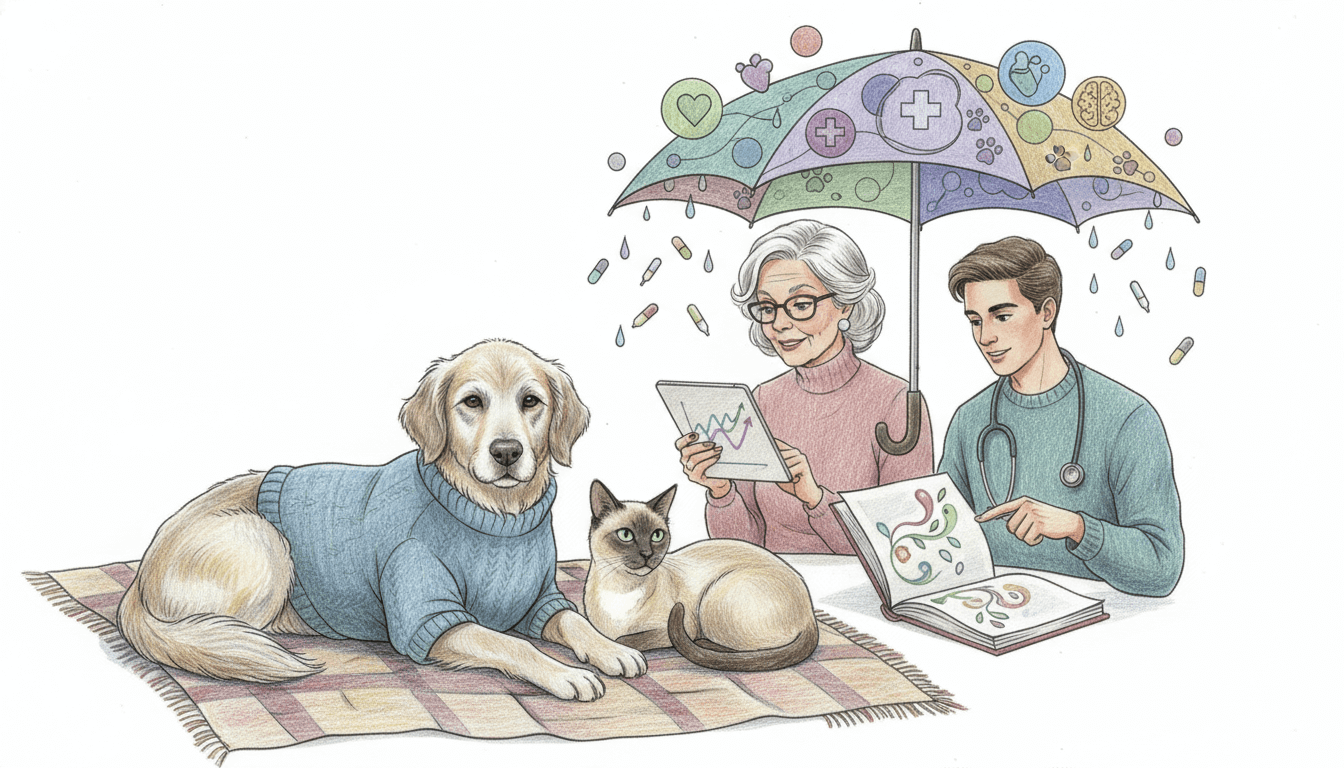
Senior Pet Healthcare: Comprehensive Guide to Aging Pet Wellness
As pets age, their healthcare needs evolve significantly, requiring twice-yearly veterinary check-ups to monitor for age-related conditions like kidney disease, heart issues, arthritis, and cancer. With pets aging the equivalent of humans visiting a doctor every 4-5 years, proactive preventive care becomes essential. This guide covers specialized monitoring, early disease detection strategies, and practical management tips to ensure your senior pet maintains optimal health and quality of life through their golden years.

Comprehensive Pet Exercise and Activity Management: Optimizing Health and Happiness
Regular, tailored exercise is essential for maintaining your pet's physical and mental well-being, preventing obesity, and enhancing overall quality of life. This guide provides detailed strategies based on breed, age, and health conditions to create effective activity plans. Learn how exercise supports weight management, mental stimulation, cardiovascular health, and joint mobility with expert insights from Veterinary Fitness Experts.
Pet First Aid and Emergency Preparedness: Essential Knowledge for Every Pet Owner
This comprehensive guide details essential pet first aid and emergency preparedness strategies, drawing from Veterinary Emergency Specialists. Learn to handle poisoning incidents, identify critical symptoms like rapid breathing or collapse, and maintain a robust emergency kit with veterinarian contacts, medical history, and first aid supplies. Implementing these practices can significantly improve outcomes during pet emergencies, ensuring timely and effective care.

Pet Behavioral Health: Veterinary Insights into Common Issues and Solutions
Behavioral problems in pets, such as inappropriate urination, aggression, and separation anxiety, often stem from underlying medical conditions. Veterinarians play an essential role in diagnosing these issues through comprehensive assessments, including physical exams, laboratory tests, and behavioral history reviews. This guide explains how professional veterinary intervention provides targeted treatment plans that address both health and behavioral aspects, ensuring long-term well-being for your pet. Early detection can prevent escalation and improve quality of life, with success rates improving by up to 80% when medical causes are identified and treated promptly.

Spaying and Neutering Benefits: Comprehensive Guide to Pet Health and Behavior
Spaying and neutering are essential preventive health procedures for pets, offering significant medical and behavioral advantages. These surgeries prevent infections such as pyometra—affecting up to 25% of unspayed female dogs—and reduce cancer risks, including mammary tumors and testicular cancer, by over 50% when performed before the first heat cycle. Behavioral improvements include decreased aggression, roaming, and marking. Veterinarians recommend timing based on breed, size, and health, typically between 6-9 months for dogs and 5-6 months for cats. This guide explores these benefits in detail, supported by veterinary reproductive health expertise.

Pet Insurance and Financial Planning: Securing Your Pet's Health and Your Financial Future
Responsible pet ownership requires strategic financial planning to manage healthcare costs effectively. This guide explores pet insurance options, detailing policy types, coverage limitations, and premium factors. Learn to establish a dedicated pet healthcare savings account, budget for routine and emergency expenses, and integrate insurance with savings. With insights from Veterinary Financial Planning Experts, discover how to protect your pet’s well-being while safeguarding your finances against unexpected veterinary bills.

Pain Management in Pets: Comprehensive Veterinary Approaches
Pets instinctively conceal pain, necessitating expert veterinary assessment to prevent worsening conditions. Veterinarians utilize physical examinations, diagnostic testing, and behavioral assessments to identify discomfort accurately. Tailored treatment plans, including pharmaceuticals, physical therapy, and lifestyle adjustments, ensure effective pain relief and improved quality of life. Recognizing subtle signs early can prevent chronic issues, making professional care essential for your pet's health.
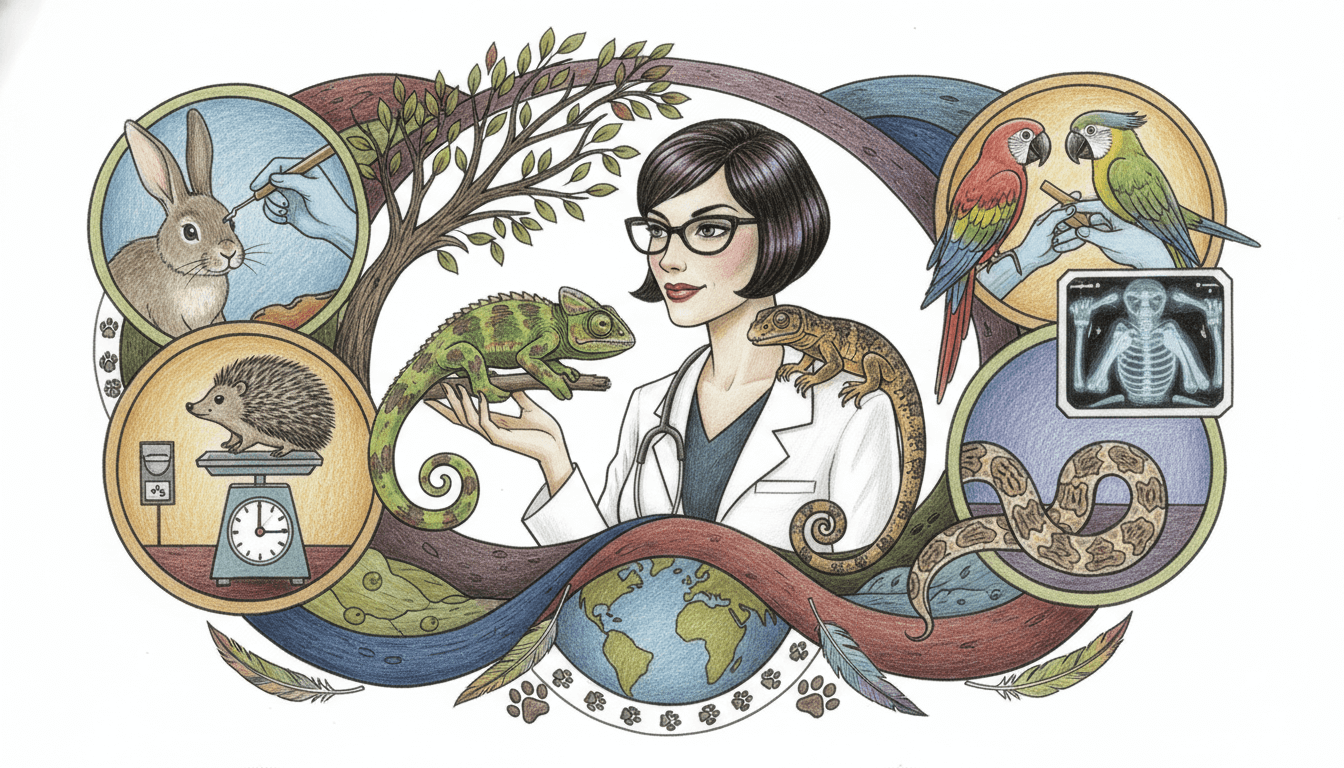
Comprehensive Preventive Care for Exotic Pets: Specialized Veterinary Approaches
Exotic pets, including reptiles, birds, and small mammals, require specialized veterinary care tailored to their unique physiological and environmental needs. This guide explores preventive health strategies, emphasizing species-specific nutrition, disease risks, and habitat management. With 60% of exotic pet health issues stemming from improper care, early detection through regular check-ups and monitoring is vital. Learn how to partner with certified exotic veterinarians to ensure your pet's longevity and well-being through evidence-based preventive measures.

Comprehensive Pet Travel and Safety: Essential Protocols for Secure Transportation
This guide details critical protocols for ensuring pet safety during travel, covering proper restraint methods, health risk mitigation, and thorough preparation steps. Veterinary experts emphasize using certified harnesses and carriers to reduce injury risks by up to 75%, addressing motion sickness through pre-travel fasting and medications, and maintaining updated health documentation. Learn to implement these evidence-based strategies for stress-free journeys, protecting your pet from common hazards like dehydration, heatstroke, and anxiety during transit.

Environmental Health Risks for Pets: Identification, Prevention, and Protection
Pets face numerous environmental health risks from household toxins, temperature extremes, toxic plants, and outdoor hazards. This guide details how to identify these dangers, implement preventive measures, and create safe living spaces. Drawing from Veterinary Environmental Health Specialists, it covers symptoms of exposure, emergency responses, and long-term strategies to safeguard pet health through awareness and proactive care.
Kidney Disease Prevention in Pets: Early Detection and Proactive Care
Chronic kidney disease (CKD) is a progressive condition affecting pets, often remaining asymptomatic until 75% of kidney function is lost. This guide emphasizes the critical role of routine veterinary care, including blood work and urinalysis, for early detection and management. By identifying subtle signs early, pet owners can implement timely interventions—such as dietary adjustments, hydration support, and medication—to slow disease progression and enhance their pet's quality of life. Learn actionable strategies to protect your pet's renal health and reduce risks associated with CKD.

Comprehensive Pet Nutrition Guidance: Personalized Dietary Plans for Optimal Health
Proper nutrition is foundational to your pet's health, longevity, and quality of life. Veterinary nutrition specialists emphasize creating customized dietary plans tailored to individual factors like age, weight, activity level, and specific health conditions. This guide explores age-specific nutritional needs—from puppy/kitten formulas to senior diets—weight management strategies to prevent obesity, and condition-specific nutrition for ailments like renal disease or allergies. With 60% of pets requiring dietary adjustments by age 7, proactive nutrition planning can extend lifespan by up to 1.8 years. Learn how to collaborate with veterinarians for evidence-based feeding protocols.