

Pet ownership brings immense joy, but it also entails significant financial responsibilities. Comprehensive pet healthcare, as emphasized by Veterinary Financial Planning Experts, involves meticulous financial planning and potentially investing in pet insurance. With veterinary costs rising annually—routine care averaging $500-$1,000 per year and emergencies exceeding $3,000—proactive strategies are essential. This article delves into evaluating pet insurance policies, establishing dedicated savings accounts, and understanding coverage limitations to ensure your pet receives optimal care without compromising your financial stability.
Sections
Understanding Pet Insurance: Policies and Considerations
Pet insurance functions similarly to human health insurance, covering veterinary expenses based on policy terms. Common types include accident-only, accident and illness, and wellness plans. Accident and illness policies, the most popular, cover injuries, surgeries, and chronic conditions like diabetes, with premiums ranging from $30 to $70 monthly depending on factors such as pet age, breed, and location. Key considerations when selecting a policy include deductibles (typically $100-$500 annually), reimbursement rates (70%-90%), and annual limits (often $5,000-$30,000). It's crucial to review exclusions, such as pre-existing conditions or breed-specific hereditary issues, which are commonly omitted. According to industry data, over 70% of policyholders utilize their insurance within the first three years, highlighting its importance in managing unforeseen medical costs.
Financial Planning Strategies for Pet Healthcare
Beyond insurance, maintaining a dedicated pet healthcare savings account is a foundational aspect of financial planning. Experts recommend setting aside $50-$150 monthly, tailored to your pet’s size, age, and health history. This fund should cover three primary areas: routine healthcare costs (e.g., vaccinations, dental cleanings, totaling $200-$600 annually), emergency medical expenses (averaging $1,500-$5,000 per incident), and unexpected procedures like surgeries or diagnostics. Integrating this with an insurance policy review ensures gaps are addressed; for instance, if a policy excludes preventive care, savings can cover those costs. Financial advisors suggest automating contributions to this account and reassessing it annually alongside policy updates to adapt to changing pet needs and inflation in veterinary services, which rises approximately 5% yearly.
Navigating Policy Limitations and Coverage Gaps
Understanding policy limitations is critical to avoiding financial surprises. Common exclusions include pre-existing conditions (affecting 15%-20% of pets), behavioral treatments, and elective procedures. Additionally, waiting periods—often 14 days for illnesses and 48 hours for accidents—mean coverage isn't immediate. Policyholders must scrutinize terms like per-incident limits, which cap payouts for a single event, and lifetime maximums that restrict total benefits. For example, a policy with a $10,000 annual limit may prove insufficient for chronic conditions like cancer, where treatments can exceed $20,000. To mitigate risks, combine insurance with an emergency fund covering at least three months of potential expenses. Regularly consulting with veterinarians and insurance providers during policy reviews helps align coverage with evolving pet health needs, ensuring comprehensive protection.
Key Takeaways
Evaluate pet insurance policies based on coverage type, exclusions, and cost to match your pet’s specific health risks.
Establish a dedicated savings account with monthly contributions of $50-$150 to cover routine and emergency veterinary expenses.
Conduct annual insurance policy reviews to identify limitations, such as pre-existing condition exclusions or annual caps, and adjust financial plans accordingly.
Frequently Asked Questions
What is the average cost of pet insurance?
How much should I save for pet emergencies?
What are common pet insurance exclusions?
Conclusion
Integrating pet insurance with robust financial planning is indispensable for responsible pet ownership. By carefully selecting insurance policies, maintaining dedicated savings, and regularly assessing coverage limitations, you can ensure your pet receives timely medical care without financial strain. Leverage insights from Veterinary Financial Planning Experts to create a tailored strategy that addresses both routine and unexpected expenses, fostering a healthy, happy life for your companion while securing your economic well-being.
Related Comparisons

Pain Management in Pets: Comprehensive Veterinary Approaches
Pets instinctively conceal pain, necessitating expert veterinary assessment to prevent worsening conditions. Veterinarians utilize physical examinations, diagnostic testing, and behavioral assessments to identify discomfort accurately. Tailored treatment plans, including pharmaceuticals, physical therapy, and lifestyle adjustments, ensure effective pain relief and improved quality of life. Recognizing subtle signs early can prevent chronic issues, making professional care essential for your pet's health.

Comprehensive Preventive Care for Exotic Pets: Specialized Veterinary Approaches
Exotic pets, including reptiles, birds, and small mammals, require specialized veterinary care tailored to their unique physiological and environmental needs. This guide explores preventive health strategies, emphasizing species-specific nutrition, disease risks, and habitat management. With 60% of exotic pet health issues stemming from improper care, early detection through regular check-ups and monitoring is vital. Learn how to partner with certified exotic veterinarians to ensure your pet's longevity and well-being through evidence-based preventive measures.

Comprehensive Pet Travel and Safety: Essential Protocols for Secure Transportation
This guide details critical protocols for ensuring pet safety during travel, covering proper restraint methods, health risk mitigation, and thorough preparation steps. Veterinary experts emphasize using certified harnesses and carriers to reduce injury risks by up to 75%, addressing motion sickness through pre-travel fasting and medications, and maintaining updated health documentation. Learn to implement these evidence-based strategies for stress-free journeys, protecting your pet from common hazards like dehydration, heatstroke, and anxiety during transit.

Environmental Health Risks for Pets: Identification, Prevention, and Protection
Pets face numerous environmental health risks from household toxins, temperature extremes, toxic plants, and outdoor hazards. This guide details how to identify these dangers, implement preventive measures, and create safe living spaces. Drawing from Veterinary Environmental Health Specialists, it covers symptoms of exposure, emergency responses, and long-term strategies to safeguard pet health through awareness and proactive care.

Kidney Disease Prevention in Pets: Early Detection and Proactive Care
Chronic kidney disease (CKD) is a progressive condition affecting pets, often remaining asymptomatic until 75% of kidney function is lost. This guide emphasizes the critical role of routine veterinary care, including blood work and urinalysis, for early detection and management. By identifying subtle signs early, pet owners can implement timely interventions—such as dietary adjustments, hydration support, and medication—to slow disease progression and enhance their pet's quality of life. Learn actionable strategies to protect your pet's renal health and reduce risks associated with CKD.

Comprehensive Pet Nutrition Guidance: Personalized Dietary Plans for Optimal Health
Proper nutrition is foundational to your pet's health, longevity, and quality of life. Veterinary nutrition specialists emphasize creating customized dietary plans tailored to individual factors like age, weight, activity level, and specific health conditions. This guide explores age-specific nutritional needs—from puppy/kitten formulas to senior diets—weight management strategies to prevent obesity, and condition-specific nutrition for ailments like renal disease or allergies. With 60% of pets requiring dietary adjustments by age 7, proactive nutrition planning can extend lifespan by up to 1.8 years. Learn how to collaborate with veterinarians for evidence-based feeding protocols.

Reproductive Health for Pets: Comprehensive Breeding, Cycle Management, and Spaying/Neutering
Reproductive health is vital for pets' well-being, involving understanding breeding risks like dystocia and genetic disorders, managing estrus cycles with timing and health monitoring, and making informed decisions on spaying/neutering to prevent cancers and overpopulation. Veterinarians provide essential guidance through health screenings and personalized plans. This guide covers key aspects to ensure pets lead healthy lives, backed by expert insights from Veterinary Reproductive Health Specialists.

Comprehensive Geriatric Pet Care: Managing Age-Related Conditions and Enhancing Quality of Life
Geriatric pet care involves specialized attention to aging animals, focusing on managing chronic conditions, supporting mobility, and ensuring comfort. Key practices include regular veterinary check-ups, tailored nutrition, and environmental modifications. Early detection of issues like arthritis, dental disease, and cognitive decline can significantly improve outcomes. With proactive care, senior pets can maintain a high quality of life, emphasizing compassionate support and individualized interventions based on species, breed, and health status.
Routine Physical Examinations for Pets: Essential Health Screenings and Early Detection
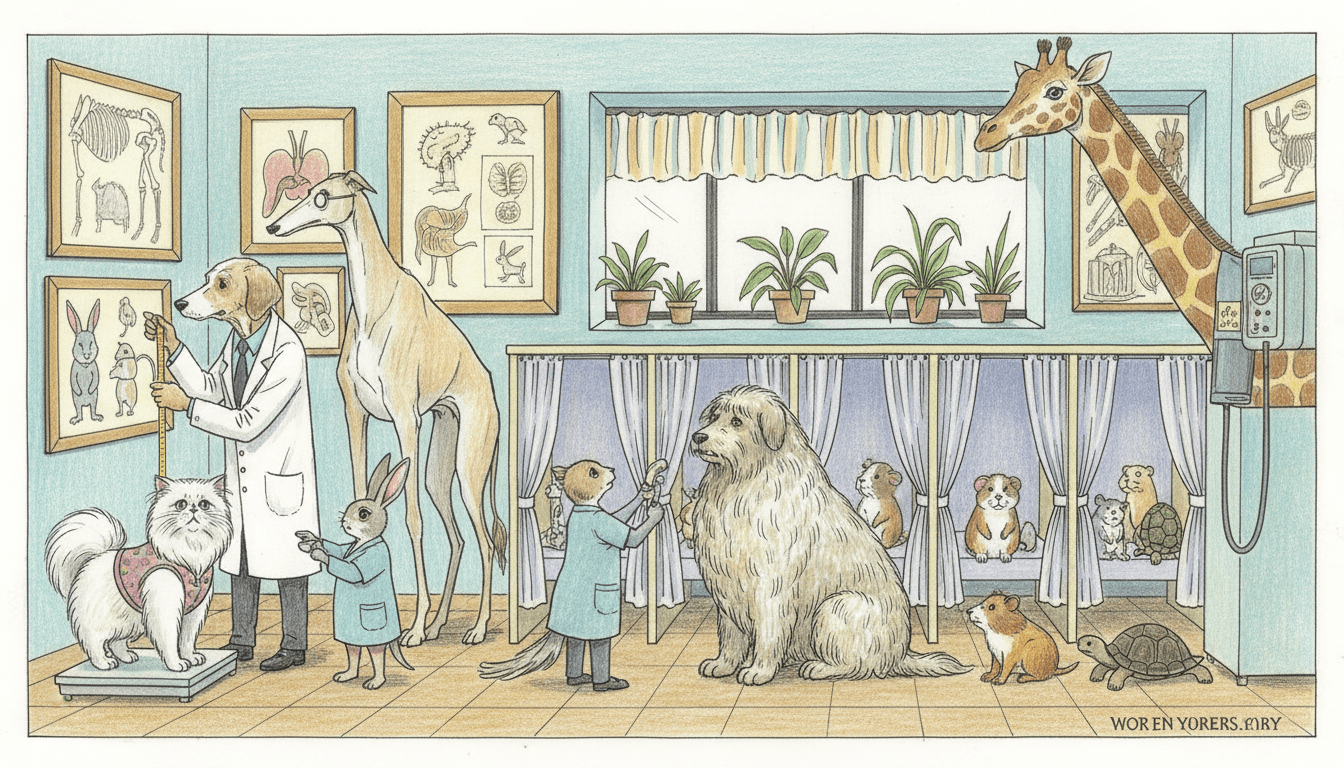
Routine physical examinations are fundamental to proactive pet healthcare, enabling early detection of diseases through comprehensive screenings. These exams, recommended annually or bi-annually, involve detailed assessments of multiple body systems including cardiovascular, lymphatic, and organ functions. Veterinarians utilize these check-ups to identify issues like heart murmurs, tumors, and organ abnormalities before they escalate, significantly improving treatment outcomes and longevity. Supported by organizations like the American Veterinary Medical Association, regular exams are a cornerstone of preventive care, helping pet owners maintain their companions' health and well-being with evidence-based practices.

Pet Mental Health and Enrichment: Essential Strategies for Emotional Well-Being
Mental and emotional well-being is as vital for pets as physical health, with studies showing that 20-40% of pets exhibit anxiety or stress-related behaviors. This guide covers proven strategies from veterinary behavioral experts, including behavioral enrichment, anxiety management, and environmental stimulation. Learn how to implement interactive toys, routine adjustments, and safe spaces to reduce stress and prevent issues like separation anxiety or destructive habits, improving your pet's quality of life and strengthening your bond.

Holistic Pet Health Approaches: Integrating Traditional and Alternative Veterinary Medicine
Holistic pet health approaches combine traditional veterinary medicine with alternative therapies to address the complete well-being of animals, including physical, mental, and environmental factors. This comprehensive method integrates treatments like acupuncture, herbal remedies, and nutrition with conventional diagnostics and medications. By focusing on prevention and whole-body wellness, holistic care supports long-term health, reduces reliance on pharmaceuticals, and improves quality of life. Backed by veterinary experts, this approach ensures pets receive personalized, balanced care tailored to their unique needs.

Seasonal Pet Health Considerations: Comprehensive Adaptive Care Strategies
Seasonal shifts significantly impact pet health, demanding tailored care approaches to address varying environmental conditions. This guide explores temperature-related risks, seasonal parasite management, and environmental adaptation strategies essential for maintaining pet wellness year-round. With insights from veterinary experts, pet owners can implement preventive measures against heatstroke in summer, hypothermia in winter, and parasite infestations during transitional seasons. Understanding these dynamics helps mitigate health challenges, ensuring pets remain healthy, comfortable, and protected through every seasonal change.

Comprehensive Guide to Common Pet Health Risks and Effective Prevention Strategies
This detailed guide explores prevalent pet health risks, drawing on WSAVA data covering dental disease, obesity, parasitic infections, and chronic kidney disease. It emphasizes proactive veterinary care, nutrition, exercise, and dental hygiene as core prevention pillars. Learn to identify early illness signs, manage weight effectively, and implement comprehensive wellness routines to extend your pet's lifespan and quality of life through evidence-based strategies.

Comprehensive Pet Preventive Care Guide: A Holistic Approach to Lifelong Health
This detailed guide outlines a holistic strategy for proactive pet health management, emphasizing the critical role of preventive care in extending your companion's lifespan and quality of life. Learn about essential annual wellness exams, tailored vaccination schedules, year-round parasite prevention protocols, and advanced diagnostic screenings. Discover how proper nutrition, behavioral monitoring, and early intervention can prevent common health issues. Backed by AAHA standards, this resource provides actionable insights for pet owners committed to comprehensive preventive healthcare.