
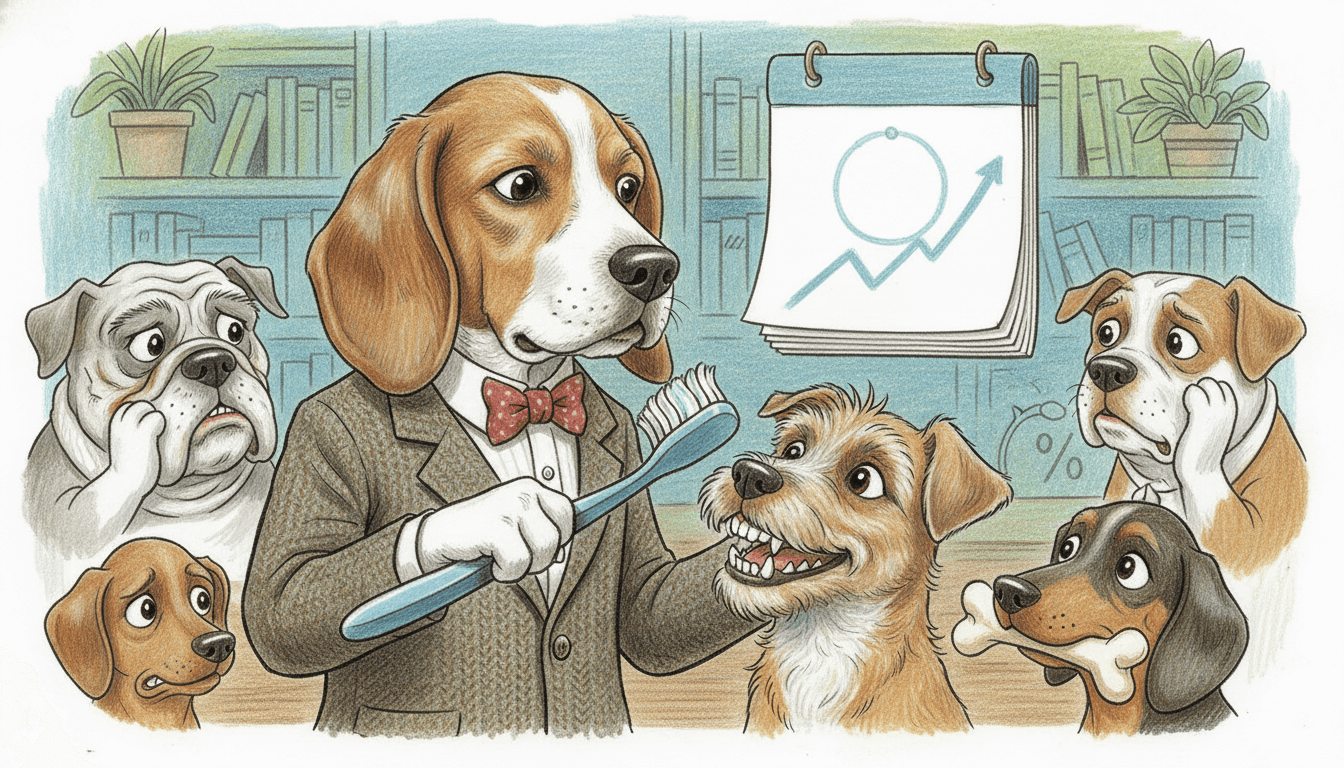
Canine dental health represents one of the most overlooked yet critical aspects of pet care, with veterinary studies indicating that approximately 85% of dogs develop significant periodontal disease by age four. This silent epidemic not only causes localized oral pain and tooth loss but serves as a gateway for systemic infection affecting vital organs. Understanding the progression from plaque accumulation to advanced periodontitis—and implementing evidence-based prevention strategies—can add years to your dog's life while maintaining their quality of life. Through collaboration with veterinary dental specialists and incorporating data from the Crossroads Mobile Veterinary Clinic, this guide provides comprehensive protocols for establishing effective dental care routines, selecting scientifically validated products, and recognizing when professional intervention becomes necessary.
Sections
Understanding Canine Dental Disease: Prevalence and Progression
Dental disease in dogs follows a predictable pathological progression beginning with plaque formation within hours after eating. This bacterial biofilm mineralizes into calculus within 24-48 hours if not removed, creating rough surfaces that attract additional plaque accumulation. Gingivitis develops as the initial inflammatory response, characterized by red, swollen gums that bleed easily during brushing or chewing. Without intervention, this progresses to periodontitis where destruction of the periodontal ligament and alveolar bone occurs, ultimately leading to tooth mobility and loss. The systemic implications are profound: oral bacteria enter the bloodstream through inflamed gum tissues, with studies showing identical bacterial strains in oral lesions and cardiac vegetations in dogs with endocarditis. Research from the American Veterinary Dental College confirms that dogs with severe periodontal disease have significantly higher markers of systemic inflammation and are 2.3 times more likely to develop kidney disease and 1.8 times more likely to develop myocardial degeneration compared to dogs with healthy oral cavities.
Professional Dental Cleanings: Protocol and Frequency Guidelines
Professional dental prophylaxis under general anesthesia remains the gold standard for comprehensive oral assessment and treatment. The American Animal Hospital Association (AAHA) Dental Care Guidelines recommend annual professional cleanings for most adult dogs, with high-risk breeds like Yorkshire Terriers and Greyhounds potentially requiring semi-annual procedures. A complete professional cleaning includes supra-gingival and sub-gingival scaling using ultrasonic and hand instruments, followed by polishing to create smooth tooth surfaces that resist plaque adhesion. Dental radiographs are essential, revealing pathology below the gumline in 42% of dogs with normal-appearing teeth. Advanced procedures may include periodontal therapy, root planing, extractions, and application of barrier sealants. The anesthesia protocol incorporates multimodal analgesia and comprehensive monitoring, with mortality rates in healthy dogs being exceptionally low at 0.05%. Pre-anesthetic bloodwork identifies underlying conditions, while intravenous fluids and temperature support maintain physiological stability throughout the 45-90 minute procedure.
Home Care Implementation: Evidence-Based Daily Protocols
Daily home care forms the foundation of effective dental disease prevention, with mechanical plaque removal through brushing representing the most effective method. Veterinary dental specialists recommend using soft-bristled toothbrushes designed for canine oral anatomy and VOHC-approved enzymatic toothpastes containing ingredients like hexametaphosphate for calculus inhibition. Proper technique involves brushing at a 45-degree angle to the gumline with gentle circular motions, focusing on the outer surfaces where 85% of plaque accumulates. For resistant dogs, alternative options include dental wipes, finger brushes, and oral gels containing chlorhexidine. The Veterinary Oral Health Council (VOHC) acceptance seal guarantees products meet strict efficacy standards, with approved dental chews reducing plaque by 20-70% and tartar by 30-80% when used daily. Dental diets featuring specialized kibble geometry and texture provide mechanical cleaning through scraping action while incorporating polyphosphate coatings that bind calcium in saliva. Consistency proves crucial, as plaque reforms completely within 24-36 hours, necessitating daily intervention to maintain oral health.
Product Selection: Navigating the VOHC Approval System
The Veterinary Oral Health Council establishes rigorous scientific standards for dental products through controlled clinical trials requiring statistically significant plaque and/or calculus reduction. VOHC-approved dental chews must demonstrate minimum 10% plaque reduction and 20% calculus reduction compared to controls, with many premium products exceeding these thresholds substantially. Look for specific VOHC acceptance seals indicating either 'plaque' or 'tartar' control claims. Among toothpaste formulations, enzymatic varieties containing glucose oxidase and lactoperoxidase provide antibacterial action while avoiding potentially harmful abrasives. Water additives represent another VOHC category, delivering antibacterial agents like zinc ascorbate and cetylpyridinium chloride throughout the oral cavity. When selecting dental toys, prioritize those with flexible, nubbed surfaces that massage gums while removing debris, avoiding excessively hard materials that risk tooth fractures. Always match product size to your dog's weight and chewing style, supervising initial use to ensure safety and appropriate chewing behavior.
Recognizing Dental Disease: Clinical Signs and Emergency Indicators
Early detection of dental pathology prevents progression to irreversible stages. Subtle initial signs include mild halitosis, slight gum redness, and decreased interest in chew toys. As disease advances, dogs may exhibit difficulty chewing, preference for soft food, drooling, pawing at the mouth, and bloody saliva. Systemic manifestations include weight loss, lethargy, and nasal discharge from oronasal fistula formation. Dental emergencies requiring immediate veterinary attention include fractured teeth exposing pulp chambers, oral bleeding that doesn't cease within five minutes, suspected jaw fractures, and sudden facial swelling. Oral masses, whether benign epulides or malignant melanomas, necessitate prompt biopsy and treatment planning. Regular monthly oral examinations at home should assess gum color (normal is bubblegum pink), tooth integrity, presence of foreign objects, and symmetry between dental arcades. Documenting findings with photographs helps track changes over time and provides valuable information during veterinary consultations.
Key Takeaways
Dental disease affects over 80% of dogs by age four and has serious systemic health implications
Professional cleanings under anesthesia with dental radiographs are essential for complete oral assessment
Daily tooth brushing with VOHC-approved toothpaste provides the most effective home care
VOHC acceptance seal guarantees products meet scientific efficacy standards for plaque and calculus reduction
Regular oral examinations help detect early warning signs before irreversible damage occurs
Frequently Asked Questions
How often should I brush my dog's teeth?
Are anesthesia-free dental cleanings effective for dogs?
What are the most important features to look for in dog dental products?
At what age should dental care begin for puppies?
How can I tell if my dog has dental pain?
Conclusion
Implementing a comprehensive dental care protocol represents one of the most significant contributions to your dog's longevity and quality of life. The interconnected relationship between oral health and systemic wellbeing necessitates a multi-modal approach combining professional veterinary care with consistent home maintenance. By understanding the progression of periodontal disease, utilizing VOHC-validated products, recognizing early warning signs, and maintaining regular professional cleanings, pet owners can potentially add years to their dog's lifespan while preventing painful conditions. The data from Crossroads Mobile Veterinary Clinic underscores that preventive dental care isn't merely about fresh breath or white teeth—it's fundamental to protecting your dog's overall health. Starting today with even simple steps like introducing tooth brushing or switching to approved dental chews can initiate meaningful change in your dog's oral health trajectory.
Related Comparisons
Senior Pet Healthcare: Comprehensive Guide to Aging Pet Wellness
As pets age, their healthcare needs evolve significantly, requiring twice-yearly veterinary check-ups to monitor for age-related conditions like kidney disease, heart issues, arthritis, and cancer. With pets aging the equivalent of humans visiting a doctor every 4-5 years, proactive preventive care becomes essential. This guide covers specialized monitoring, early disease detection strategies, and practical management tips to ensure your senior pet maintains optimal health and quality of life through their golden years.

Comprehensive Pet Exercise and Activity Management: Optimizing Health and Happiness
Regular, tailored exercise is essential for maintaining your pet's physical and mental well-being, preventing obesity, and enhancing overall quality of life. This guide provides detailed strategies based on breed, age, and health conditions to create effective activity plans. Learn how exercise supports weight management, mental stimulation, cardiovascular health, and joint mobility with expert insights from Veterinary Fitness Experts.
Pet First Aid and Emergency Preparedness: Essential Knowledge for Every Pet Owner
This comprehensive guide details essential pet first aid and emergency preparedness strategies, drawing from Veterinary Emergency Specialists. Learn to handle poisoning incidents, identify critical symptoms like rapid breathing or collapse, and maintain a robust emergency kit with veterinarian contacts, medical history, and first aid supplies. Implementing these practices can significantly improve outcomes during pet emergencies, ensuring timely and effective care.

Pet Behavioral Health: Veterinary Insights into Common Issues and Solutions
Behavioral problems in pets, such as inappropriate urination, aggression, and separation anxiety, often stem from underlying medical conditions. Veterinarians play an essential role in diagnosing these issues through comprehensive assessments, including physical exams, laboratory tests, and behavioral history reviews. This guide explains how professional veterinary intervention provides targeted treatment plans that address both health and behavioral aspects, ensuring long-term well-being for your pet. Early detection can prevent escalation and improve quality of life, with success rates improving by up to 80% when medical causes are identified and treated promptly.

Spaying and Neutering Benefits: Comprehensive Guide to Pet Health and Behavior
Spaying and neutering are essential preventive health procedures for pets, offering significant medical and behavioral advantages. These surgeries prevent infections such as pyometra—affecting up to 25% of unspayed female dogs—and reduce cancer risks, including mammary tumors and testicular cancer, by over 50% when performed before the first heat cycle. Behavioral improvements include decreased aggression, roaming, and marking. Veterinarians recommend timing based on breed, size, and health, typically between 6-9 months for dogs and 5-6 months for cats. This guide explores these benefits in detail, supported by veterinary reproductive health expertise.

Pet Insurance and Financial Planning: Securing Your Pet's Health and Your Financial Future
Responsible pet ownership requires strategic financial planning to manage healthcare costs effectively. This guide explores pet insurance options, detailing policy types, coverage limitations, and premium factors. Learn to establish a dedicated pet healthcare savings account, budget for routine and emergency expenses, and integrate insurance with savings. With insights from Veterinary Financial Planning Experts, discover how to protect your pet’s well-being while safeguarding your finances against unexpected veterinary bills.

Pain Management in Pets: Comprehensive Veterinary Approaches
Pets instinctively conceal pain, necessitating expert veterinary assessment to prevent worsening conditions. Veterinarians utilize physical examinations, diagnostic testing, and behavioral assessments to identify discomfort accurately. Tailored treatment plans, including pharmaceuticals, physical therapy, and lifestyle adjustments, ensure effective pain relief and improved quality of life. Recognizing subtle signs early can prevent chronic issues, making professional care essential for your pet's health.
Comprehensive Preventive Care for Exotic Pets: Specialized Veterinary Approaches
Exotic pets, including reptiles, birds, and small mammals, require specialized veterinary care tailored to their unique physiological and environmental needs. This guide explores preventive health strategies, emphasizing species-specific nutrition, disease risks, and habitat management. With 60% of exotic pet health issues stemming from improper care, early detection through regular check-ups and monitoring is vital. Learn how to partner with certified exotic veterinarians to ensure your pet's longevity and well-being through evidence-based preventive measures.

Comprehensive Pet Travel and Safety: Essential Protocols for Secure Transportation
This guide details critical protocols for ensuring pet safety during travel, covering proper restraint methods, health risk mitigation, and thorough preparation steps. Veterinary experts emphasize using certified harnesses and carriers to reduce injury risks by up to 75%, addressing motion sickness through pre-travel fasting and medications, and maintaining updated health documentation. Learn to implement these evidence-based strategies for stress-free journeys, protecting your pet from common hazards like dehydration, heatstroke, and anxiety during transit.

Environmental Health Risks for Pets: Identification, Prevention, and Protection
Pets face numerous environmental health risks from household toxins, temperature extremes, toxic plants, and outdoor hazards. This guide details how to identify these dangers, implement preventive measures, and create safe living spaces. Drawing from Veterinary Environmental Health Specialists, it covers symptoms of exposure, emergency responses, and long-term strategies to safeguard pet health through awareness and proactive care.
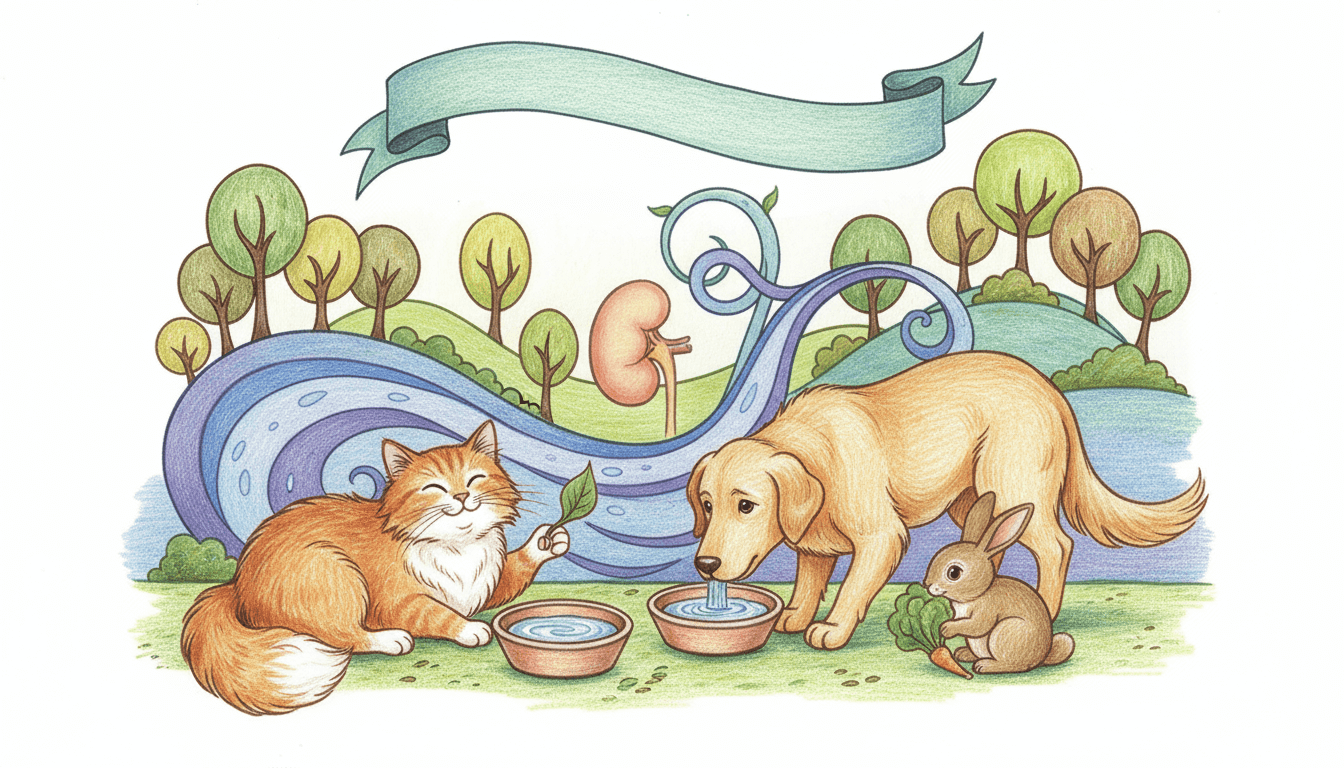
Kidney Disease Prevention in Pets: Early Detection and Proactive Care
Chronic kidney disease (CKD) is a progressive condition affecting pets, often remaining asymptomatic until 75% of kidney function is lost. This guide emphasizes the critical role of routine veterinary care, including blood work and urinalysis, for early detection and management. By identifying subtle signs early, pet owners can implement timely interventions—such as dietary adjustments, hydration support, and medication—to slow disease progression and enhance their pet's quality of life. Learn actionable strategies to protect your pet's renal health and reduce risks associated with CKD.

Comprehensive Pet Nutrition Guidance: Personalized Dietary Plans for Optimal Health
Proper nutrition is foundational to your pet's health, longevity, and quality of life. Veterinary nutrition specialists emphasize creating customized dietary plans tailored to individual factors like age, weight, activity level, and specific health conditions. This guide explores age-specific nutritional needs—from puppy/kitten formulas to senior diets—weight management strategies to prevent obesity, and condition-specific nutrition for ailments like renal disease or allergies. With 60% of pets requiring dietary adjustments by age 7, proactive nutrition planning can extend lifespan by up to 1.8 years. Learn how to collaborate with veterinarians for evidence-based feeding protocols.

Reproductive Health for Pets: Comprehensive Breeding, Cycle Management, and Spaying/Neutering
Reproductive health is vital for pets' well-being, involving understanding breeding risks like dystocia and genetic disorders, managing estrus cycles with timing and health monitoring, and making informed decisions on spaying/neutering to prevent cancers and overpopulation. Veterinarians provide essential guidance through health screenings and personalized plans. This guide covers key aspects to ensure pets lead healthy lives, backed by expert insights from Veterinary Reproductive Health Specialists.
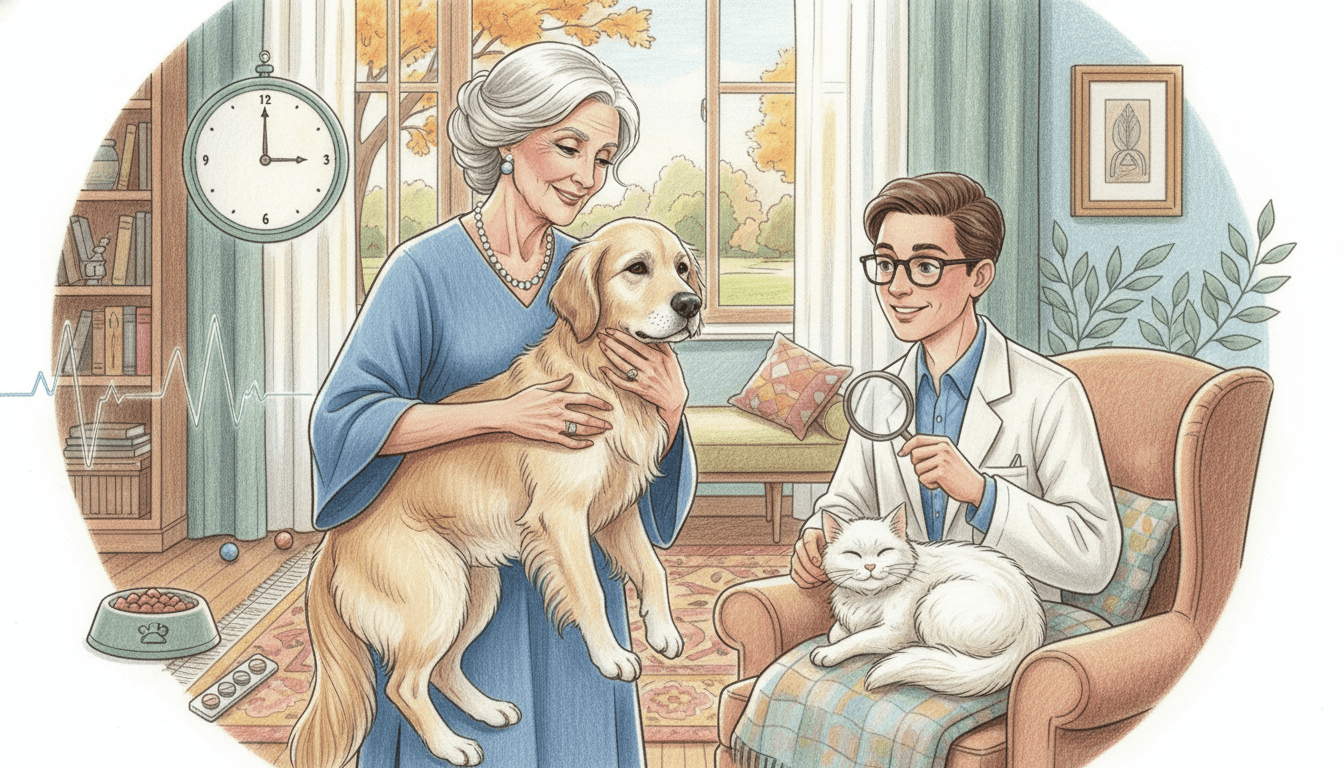
Comprehensive Geriatric Pet Care: Managing Age-Related Conditions and Enhancing Quality of Life
Geriatric pet care involves specialized attention to aging animals, focusing on managing chronic conditions, supporting mobility, and ensuring comfort. Key practices include regular veterinary check-ups, tailored nutrition, and environmental modifications. Early detection of issues like arthritis, dental disease, and cognitive decline can significantly improve outcomes. With proactive care, senior pets can maintain a high quality of life, emphasizing compassionate support and individualized interventions based on species, breed, and health status.