

Proper exercise is a cornerstone of pet health, directly impacting longevity, behavior, and disease prevention. According to Veterinary Fitness Experts, structured physical activity helps manage weight, reduce anxiety, and support vital bodily functions. This article delves into scientifically-backed methods to design exercise regimens that cater to individual pets, ensuring they thrive physically and mentally.
Sections
The Critical Role of Exercise in Pet Health
Exercise is indispensable for preventing obesity, which affects over 50% of pets in developed countries, leading to conditions like diabetes, arthritis, and heart disease. Regular activity promotes weight management by burning calories and increasing metabolic rate. It also provides mental stimulation, reducing behaviors such as chewing or excessive barking by up to 70%. Cardiovascular health improves with consistent exercise, enhancing circulation and reducing hypertension risks. Joint mobility is preserved through low-impact activities, crucial for aging pets or those with conditions like dysplasia. Veterinary studies show that pets engaging in daily exercise live up to 20% longer and exhibit fewer behavioral issues.
Designing Tailored Exercise Plans by Breed and Age
Customizing exercise plans based on breed, age, and health is vital. High-energy breeds like Border Collies require 60-90 minutes of vigorous activity daily, including running or agility training, while brachycephalic breeds like Bulldogs need shorter, low-intensity sessions to avoid respiratory strain. Puppies and kittens benefit from 5-minute play sessions per month of age, multiple times daily, to build coordination without overexertion. Senior pets, often dealing with arthritis, thrive on gentle walks or swimming for 20-30 minutes daily. For pets with health issues, such as heart disease, veterinarians recommend supervised activities like leash walks to prevent overexertion. Always consult a professional to adjust intensity and duration, ensuring safety and efficacy.
Key Benefits of Structured Pet Activities
Structured exercise delivers multifaceted benefits. Weight management is achieved through activities like brisk walking or fetch, burning an average of 200-400 calories per hour for medium-sized dogs. Mental stimulation is enhanced with puzzle toys or scent games, which can improve cognitive function by 30% in older pets. Cardiovascular health is bolstered by aerobic exercises, reducing the risk of heart disease by 25%. Joint mobility improves with activities like stretching or hydrotherapy, alleviating stiffness in 80% of arthritic cases. Additionally, exercise fosters socialization and reduces stress, contributing to a balanced temperament.
Implementing Safe and Effective Exercise Routines
To implement safe routines, start with warm-ups and cool-downs to prevent injuries. Use tools like harnesses or interactive toys to engage pets, and monitor for signs of fatigue, such as heavy panting or lagging. Incorporate variety, such as alternating between walks, playdates, and training exercises, to maintain interest. For indoor pets, consider treadmill sessions or obstacle courses. Always provide fresh water and avoid extreme weather conditions. Track progress with activity logs, adjusting as needed based on veterinary feedback to ensure optimal results without overstraining.
Key Takeaways
Exercise prevents obesity and extends pet lifespan by up to 20%.
Tailor activities to breed, age, and health for maximum safety and benefits.
Mental stimulation reduces behavioral issues by 70% through engaging games.
Regular activity supports joint mobility and cardiovascular health effectively.
Consult veterinarians to customize plans and avoid overexertion risks.
Frequently Asked Questions
How much exercise does my dog need daily?
Can exercise help with my pet's anxiety?
What are signs of overexertion in pets?
How do I exercise an indoor cat effectively?
Conclusion
Integrating a well-rounded exercise regimen into your pet's routine is fundamental for preventing obesity, enhancing mental well-being, and supporting long-term health. By adhering to breed-specific guidelines and consulting veterinary experts, you can create sustainable plans that keep your pet active, happy, and thriving. Start today to witness transformative benefits in your pet's vitality and behavior.
Related Comparisons

Pet First Aid and Emergency Preparedness: Essential Knowledge for Every Pet Owner
This comprehensive guide details essential pet first aid and emergency preparedness strategies, drawing from Veterinary Emergency Specialists. Learn to handle poisoning incidents, identify critical symptoms like rapid breathing or collapse, and maintain a robust emergency kit with veterinarian contacts, medical history, and first aid supplies. Implementing these practices can significantly improve outcomes during pet emergencies, ensuring timely and effective care.

Pet Behavioral Health: Veterinary Insights into Common Issues and Solutions
Behavioral problems in pets, such as inappropriate urination, aggression, and separation anxiety, often stem from underlying medical conditions. Veterinarians play an essential role in diagnosing these issues through comprehensive assessments, including physical exams, laboratory tests, and behavioral history reviews. This guide explains how professional veterinary intervention provides targeted treatment plans that address both health and behavioral aspects, ensuring long-term well-being for your pet. Early detection can prevent escalation and improve quality of life, with success rates improving by up to 80% when medical causes are identified and treated promptly.

Spaying and Neutering Benefits: Comprehensive Guide to Pet Health and Behavior
Spaying and neutering are essential preventive health procedures for pets, offering significant medical and behavioral advantages. These surgeries prevent infections such as pyometra—affecting up to 25% of unspayed female dogs—and reduce cancer risks, including mammary tumors and testicular cancer, by over 50% when performed before the first heat cycle. Behavioral improvements include decreased aggression, roaming, and marking. Veterinarians recommend timing based on breed, size, and health, typically between 6-9 months for dogs and 5-6 months for cats. This guide explores these benefits in detail, supported by veterinary reproductive health expertise.

Pet Insurance and Financial Planning: Securing Your Pet's Health and Your Financial Future
Responsible pet ownership requires strategic financial planning to manage healthcare costs effectively. This guide explores pet insurance options, detailing policy types, coverage limitations, and premium factors. Learn to establish a dedicated pet healthcare savings account, budget for routine and emergency expenses, and integrate insurance with savings. With insights from Veterinary Financial Planning Experts, discover how to protect your pet’s well-being while safeguarding your finances against unexpected veterinary bills.

Pain Management in Pets: Comprehensive Veterinary Approaches
Pets instinctively conceal pain, necessitating expert veterinary assessment to prevent worsening conditions. Veterinarians utilize physical examinations, diagnostic testing, and behavioral assessments to identify discomfort accurately. Tailored treatment plans, including pharmaceuticals, physical therapy, and lifestyle adjustments, ensure effective pain relief and improved quality of life. Recognizing subtle signs early can prevent chronic issues, making professional care essential for your pet's health.

Comprehensive Preventive Care for Exotic Pets: Specialized Veterinary Approaches
Exotic pets, including reptiles, birds, and small mammals, require specialized veterinary care tailored to their unique physiological and environmental needs. This guide explores preventive health strategies, emphasizing species-specific nutrition, disease risks, and habitat management. With 60% of exotic pet health issues stemming from improper care, early detection through regular check-ups and monitoring is vital. Learn how to partner with certified exotic veterinarians to ensure your pet's longevity and well-being through evidence-based preventive measures.

Comprehensive Pet Travel and Safety: Essential Protocols for Secure Transportation
This guide details critical protocols for ensuring pet safety during travel, covering proper restraint methods, health risk mitigation, and thorough preparation steps. Veterinary experts emphasize using certified harnesses and carriers to reduce injury risks by up to 75%, addressing motion sickness through pre-travel fasting and medications, and maintaining updated health documentation. Learn to implement these evidence-based strategies for stress-free journeys, protecting your pet from common hazards like dehydration, heatstroke, and anxiety during transit.

Environmental Health Risks for Pets: Identification, Prevention, and Protection
Pets face numerous environmental health risks from household toxins, temperature extremes, toxic plants, and outdoor hazards. This guide details how to identify these dangers, implement preventive measures, and create safe living spaces. Drawing from Veterinary Environmental Health Specialists, it covers symptoms of exposure, emergency responses, and long-term strategies to safeguard pet health through awareness and proactive care.
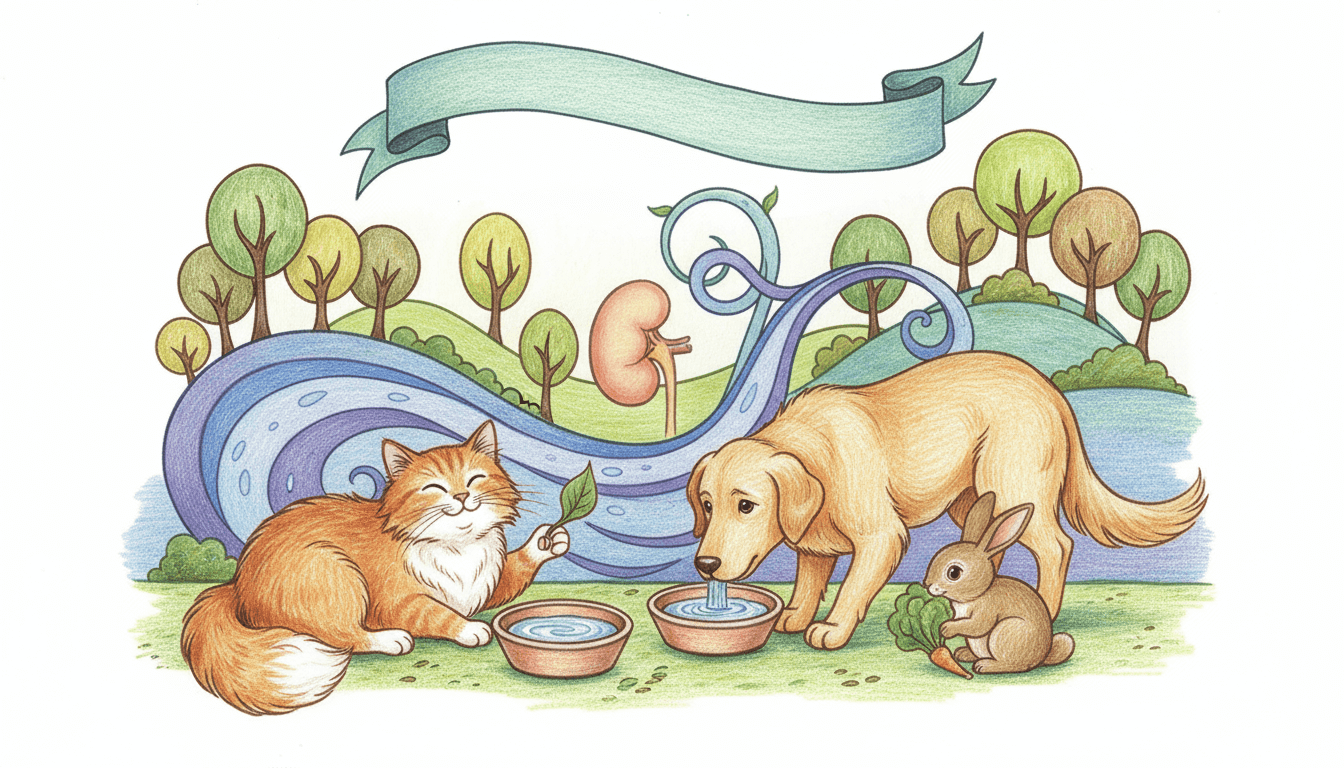
Kidney Disease Prevention in Pets: Early Detection and Proactive Care
Chronic kidney disease (CKD) is a progressive condition affecting pets, often remaining asymptomatic until 75% of kidney function is lost. This guide emphasizes the critical role of routine veterinary care, including blood work and urinalysis, for early detection and management. By identifying subtle signs early, pet owners can implement timely interventions—such as dietary adjustments, hydration support, and medication—to slow disease progression and enhance their pet's quality of life. Learn actionable strategies to protect your pet's renal health and reduce risks associated with CKD.

Comprehensive Pet Nutrition Guidance: Personalized Dietary Plans for Optimal Health
Proper nutrition is foundational to your pet's health, longevity, and quality of life. Veterinary nutrition specialists emphasize creating customized dietary plans tailored to individual factors like age, weight, activity level, and specific health conditions. This guide explores age-specific nutritional needs—from puppy/kitten formulas to senior diets—weight management strategies to prevent obesity, and condition-specific nutrition for ailments like renal disease or allergies. With 60% of pets requiring dietary adjustments by age 7, proactive nutrition planning can extend lifespan by up to 1.8 years. Learn how to collaborate with veterinarians for evidence-based feeding protocols.

Reproductive Health for Pets: Comprehensive Breeding, Cycle Management, and Spaying/Neutering
Reproductive health is vital for pets' well-being, involving understanding breeding risks like dystocia and genetic disorders, managing estrus cycles with timing and health monitoring, and making informed decisions on spaying/neutering to prevent cancers and overpopulation. Veterinarians provide essential guidance through health screenings and personalized plans. This guide covers key aspects to ensure pets lead healthy lives, backed by expert insights from Veterinary Reproductive Health Specialists.
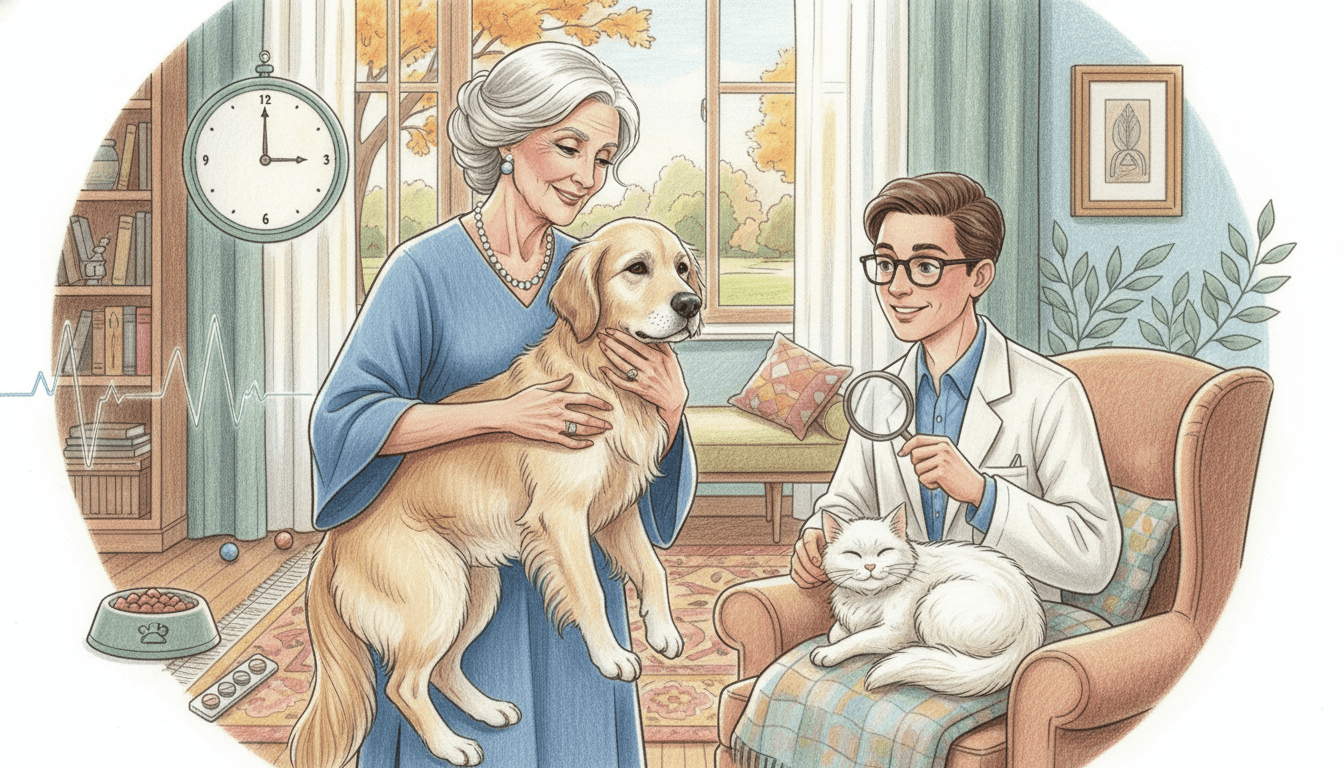
Comprehensive Geriatric Pet Care: Managing Age-Related Conditions and Enhancing Quality of Life
Geriatric pet care involves specialized attention to aging animals, focusing on managing chronic conditions, supporting mobility, and ensuring comfort. Key practices include regular veterinary check-ups, tailored nutrition, and environmental modifications. Early detection of issues like arthritis, dental disease, and cognitive decline can significantly improve outcomes. With proactive care, senior pets can maintain a high quality of life, emphasizing compassionate support and individualized interventions based on species, breed, and health status.
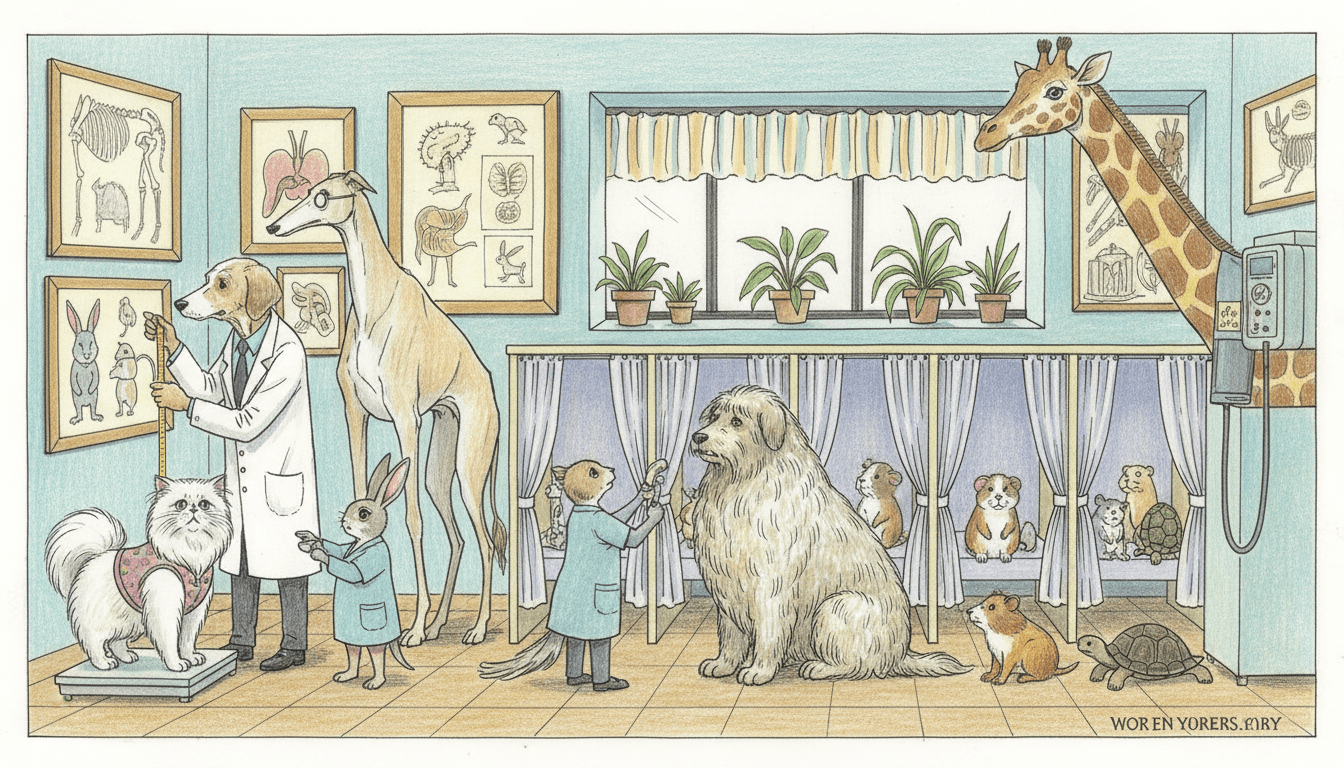
Routine Physical Examinations for Pets: Essential Health Screenings and Early Detection
Routine physical examinations are fundamental to proactive pet healthcare, enabling early detection of diseases through comprehensive screenings. These exams, recommended annually or bi-annually, involve detailed assessments of multiple body systems including cardiovascular, lymphatic, and organ functions. Veterinarians utilize these check-ups to identify issues like heart murmurs, tumors, and organ abnormalities before they escalate, significantly improving treatment outcomes and longevity. Supported by organizations like the American Veterinary Medical Association, regular exams are a cornerstone of preventive care, helping pet owners maintain their companions' health and well-being with evidence-based practices.

Pet Mental Health and Enrichment: Essential Strategies for Emotional Well-Being
Mental and emotional well-being is as vital for pets as physical health, with studies showing that 20-40% of pets exhibit anxiety or stress-related behaviors. This guide covers proven strategies from veterinary behavioral experts, including behavioral enrichment, anxiety management, and environmental stimulation. Learn how to implement interactive toys, routine adjustments, and safe spaces to reduce stress and prevent issues like separation anxiety or destructive habits, improving your pet's quality of life and strengthening your bond.