
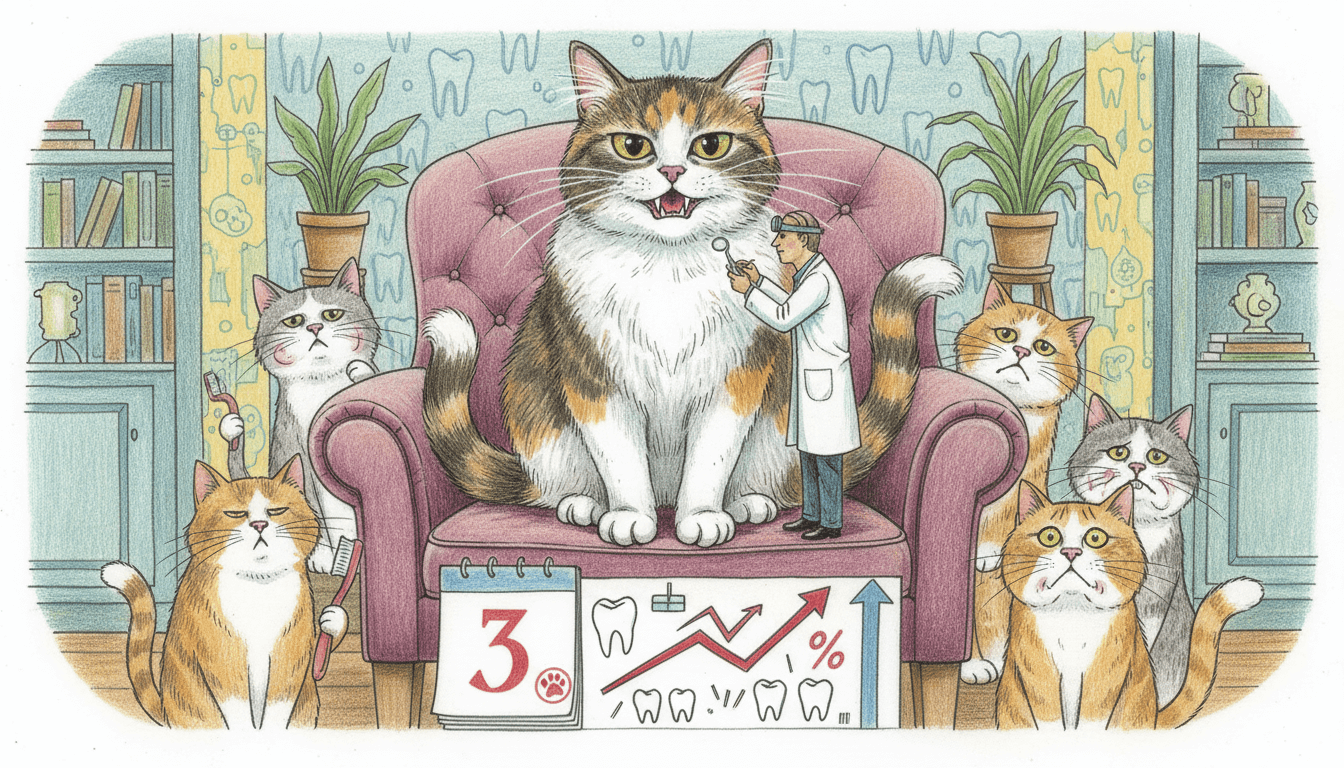
Feline dental health represents a critical yet frequently overlooked aspect of pet care. According to veterinary research, dental disease manifests in approximately 70-85% of cats by three years of age, establishing oral hygiene as a fundamental component of feline wellness. The progressive nature of periodontal disease begins with plaque accumulation that mineralizes into tartar within 24-48 hours, creating a breeding ground for pathogenic bacteria. These microorganisms not only cause localized inflammation and tooth loss but can disseminate through the bloodstream to affect vital organs including the heart, kidneys, and liver. This comprehensive guide synthesizes current veterinary protocols from institutions like the Crossroads Mobile Veterinary Clinic to deliver evidence-based strategies for prevention, early detection, and management of feline dental conditions.
Sections
Understanding Feline Dental Disease Prevalence and Development
The high prevalence of dental disorders in domestic cats stems from both anatomical factors and evolutionary adaptations. Feline teeth feature narrow spaces between premolars and complex root structures that readily trap food particles. Plaque—a biofilm composed of bacteria, saliva, and food debris—begins forming within hours of eating. Without mechanical disruption through brushing or chewing, plaque mineralizes into calculus (tartar) within 24-72 hours through calcium phosphate deposition. This hard deposit creates irregular surfaces that accelerate further plaque accumulation, initiating a destructive cycle. Gingivitis develops as bacterial toxins trigger inflammatory responses in gum tissue, characterized by redness, swelling, and bleeding upon gentle probing. Left untreated, this inflammation progresses to periodontitis—irreversible destruction of tooth-supporting structures including alveolar bone. Advanced periodontal disease results in tooth mobility, painful abscesses, and oronasal fistulas. Research indicates 60% of cats over four years old exhibit radiographic evidence of periodontitis, though clinical signs often remain subtle until advanced stages.
Evidence-Based Prevention Protocols and Home Care Techniques
Effective dental disease prevention incorporates daily home care complemented by professional interventions. Tooth brushing remains the gold standard for plaque removal when performed correctly using veterinary-formulated toothpaste. Human toothpaste contains fluoride and foaming agents toxic to felines, necessitating species-appropriate alternatives with enzymatic or antimicrobial properties. The brushing technique involves using soft-bristled pediatric or finger brushes at a 45-degree angle to the gum line, focusing on outer surfaces where 85% of plaque accumulates. Initial acclimation should proceed gradually over 2-3 weeks, beginning with flavored paste introduction, progressing to lip lifting, and finally implementing brief brushing sessions. For resistant cats, alternatives include VOHC-approved dental diets featuring specialized fiber matrices that mechanically clean teeth during chewing. These prescription diets demonstrate 20-40% plaque reduction in clinical trials. Dental chews should display the VOHC seal confirming efficacy validation through controlled studies. Water additives containing zinc ascorbate or chlorhexidine provide supplemental antimicrobial activity but cannot substitute mechanical plaque removal. Regular oral examinations at home enable early problem detection; owners should monitor for halitosis, discolored teeth, drooling, pawing at the mouth, or reduced appetite—all potential indicators of dental pathology.
Professional Dental Care: Procedures and Anesthesia Protocols
Veterinary dental procedures constitute essential components of comprehensive oral health care. Professional cleanings under general anesthesia allow complete assessment and treatment of subgingival areas inaccessible during home care. Pre-anesthetic bloodwork evaluates organ function and clotting capacity, while intravenous fluids support blood pressure and recovery. The dental prophylaxis protocol includes ultrasonic scaling to remove supragingival calculus, hand scaling of subgingival pockets, polishing to smooth enamel microabrasions, and periodontal probing to measure attachment loss. Dental radiographs remain indispensable, revealing pathology in 40% of cases that appear normal visually. Advanced procedures may include extractions of non-vital teeth, root planing, and guided tissue regeneration. Modern multimodal analgesia combines local nerve blocks (e.g., bupivacaine infraorbital blocks) with systemic NSAIDs and opioids to manage perioperative pain. The American Animal Hospital Association recommends annual dental examinations with professional cleanings scheduled based on individual risk assessment. Cats with previous periodontal disease or systemic conditions may require 6-month intervals, while those with excellent home care might maintain 12-18 month schedules.
Systemic Complications of Untreated Dental Disease
The oral cavity serves as a portal for systemic dissemination of bacteria and inflammatory mediators. Bacteremia occurs routinely during chewing or tooth brushing in cats with periodontal disease, transporting pathogens like Porphyromonas gulae throughout the circulation. These organisms demonstrate tropism for cardiac valves, renal glomeruli, and hepatic tissue, potentially inducing endocarditis, glomerulonephritis, and hepatitis. Chronic inflammation from periodontal disease elevates circulating C-reactive protein and interleukin-6, contributing to insulin resistance and exacerbating diabetes mellitus. Studies indicate cats with severe dental disease experience 20% higher incidence of renal insufficiency and 15% increased cardiac pathology. Feline odontoclastic resorptive lesions (FORLs)—painful erosions affecting 30-60% of cats—create direct pathways for bacterial entry into the dental pulp and jawbone. Additionally, chronic oral pain induces behavioral changes including irritability, reduced grooming, and food aversion leading to nutritional deficiencies. The cumulative impact significantly diminishes quality of life and may reduce lifespan by 1-2 years according to longitudinal studies.
Key Takeaways
Initiate dental care during kittenhood to establish routines before disease develops
Daily tooth brushing with VOHC-approved products provides optimal plaque control
Schedule veterinary dental exams every 6-12 months based on individual risk factors
Recognize subtle signs like reduced grooming or preference for soft food as potential pain indicators
Professional cleanings under anesthesia enable comprehensive treatment impossible during awake exams
Frequently Asked Questions
At what age should I start dental care for my cat?
Are anesthesia-free dental cleanings safe for cats?
What are the most effective VOHC-approved products?
How can I tell if my cat has dental pain?
Conclusion
Proactive feline dental care represents an investment in overall health and longevity. The established correlation between oral disease and systemic pathology underscores the importance of integrated prevention strategies combining daily home care with regular professional intervention. Through consistent implementation of evidence-based protocols—including tooth brushing, appropriate dental products, and veterinary supervision—cat owners can significantly reduce the incidence of painful dental conditions while supporting systemic health. As research continues to elucidate the oral-systemic connection, maintaining optimal feline dental hygiene remains one of the most impactful components of comprehensive veterinary care, ultimately preserving both quality and quantity of life for our feline companions.
Related Comparisons

Senior Pet Health Management: Comprehensive Care for Aging Companions
As pets enter their senior years, typically around age 7 for dogs and 10 for cats, their healthcare needs evolve significantly. This comprehensive guide covers essential aspects of senior pet care, including the critical importance of twice-yearly veterinary check-ups recommended by PetSmart Veterinary Services. We explore four major age-related conditions—heart disease, kidney dysfunction, cancer, and thyroid disorders—and detail monitoring protocols involving comprehensive blood work and physical examinations. Early detection through systematic screening can dramatically improve quality of life and potentially extend your pet's lifespan by addressing health issues before they become advanced.

Comprehensive Pet Vaccination Guide: Protecting Your Companion Animals from Infectious Diseases
This essential guide provides detailed information about core vaccinations for dogs and cats, including rabies, distemper, parvovirus, leptospirosis, panleukopenia, herpesvirus, and calicivirus. Learn about vaccination schedules, disease prevention strategies, and how personalized immunization protocols can protect your pets from life-threatening infections based on their specific health needs, age, and environmental risk factors. Following American Veterinary Medical Association guidelines ensures optimal protection for your beloved companions.

Dental Health Care for Dogs: Essential Strategies for Preventing Disease and Promoting Lifelong Wellness
Dental disease affects over 80% of dogs by age four, making oral care a critical component of canine health. Left untreated, oral infections can spread systemically, leading to heart, liver, and kidney complications. This comprehensive guide covers professional cleanings, daily brushing techniques with VOHC-approved toothpaste, and effective dental chews. Learn to recognize early warning signs like bad breath and bleeding gums while implementing preventive strategies recommended by veterinarians. Proper dental care can extend your dog's lifespan by 2-4 years while preventing painful conditions.

Senior Pet Healthcare: Comprehensive Guide to Aging Pet Wellness
As pets age, their healthcare needs evolve significantly, requiring twice-yearly veterinary check-ups to monitor for age-related conditions like kidney disease, heart issues, arthritis, and cancer. With pets aging the equivalent of humans visiting a doctor every 4-5 years, proactive preventive care becomes essential. This guide covers specialized monitoring, early disease detection strategies, and practical management tips to ensure your senior pet maintains optimal health and quality of life through their golden years.

Comprehensive Pet Exercise and Activity Management: Optimizing Health and Happiness
Regular, tailored exercise is essential for maintaining your pet's physical and mental well-being, preventing obesity, and enhancing overall quality of life. This guide provides detailed strategies based on breed, age, and health conditions to create effective activity plans. Learn how exercise supports weight management, mental stimulation, cardiovascular health, and joint mobility with expert insights from Veterinary Fitness Experts.

Pet First Aid and Emergency Preparedness: Essential Knowledge for Every Pet Owner
This comprehensive guide details essential pet first aid and emergency preparedness strategies, drawing from Veterinary Emergency Specialists. Learn to handle poisoning incidents, identify critical symptoms like rapid breathing or collapse, and maintain a robust emergency kit with veterinarian contacts, medical history, and first aid supplies. Implementing these practices can significantly improve outcomes during pet emergencies, ensuring timely and effective care.

Pet Behavioral Health: Veterinary Insights into Common Issues and Solutions
Behavioral problems in pets, such as inappropriate urination, aggression, and separation anxiety, often stem from underlying medical conditions. Veterinarians play an essential role in diagnosing these issues through comprehensive assessments, including physical exams, laboratory tests, and behavioral history reviews. This guide explains how professional veterinary intervention provides targeted treatment plans that address both health and behavioral aspects, ensuring long-term well-being for your pet. Early detection can prevent escalation and improve quality of life, with success rates improving by up to 80% when medical causes are identified and treated promptly.

Spaying and Neutering Benefits: Comprehensive Guide to Pet Health and Behavior
Spaying and neutering are essential preventive health procedures for pets, offering significant medical and behavioral advantages. These surgeries prevent infections such as pyometra—affecting up to 25% of unspayed female dogs—and reduce cancer risks, including mammary tumors and testicular cancer, by over 50% when performed before the first heat cycle. Behavioral improvements include decreased aggression, roaming, and marking. Veterinarians recommend timing based on breed, size, and health, typically between 6-9 months for dogs and 5-6 months for cats. This guide explores these benefits in detail, supported by veterinary reproductive health expertise.

Pet Insurance and Financial Planning: Securing Your Pet's Health and Your Financial Future
Responsible pet ownership requires strategic financial planning to manage healthcare costs effectively. This guide explores pet insurance options, detailing policy types, coverage limitations, and premium factors. Learn to establish a dedicated pet healthcare savings account, budget for routine and emergency expenses, and integrate insurance with savings. With insights from Veterinary Financial Planning Experts, discover how to protect your pet’s well-being while safeguarding your finances against unexpected veterinary bills.

Pain Management in Pets: Comprehensive Veterinary Approaches
Pets instinctively conceal pain, necessitating expert veterinary assessment to prevent worsening conditions. Veterinarians utilize physical examinations, diagnostic testing, and behavioral assessments to identify discomfort accurately. Tailored treatment plans, including pharmaceuticals, physical therapy, and lifestyle adjustments, ensure effective pain relief and improved quality of life. Recognizing subtle signs early can prevent chronic issues, making professional care essential for your pet's health.

Comprehensive Preventive Care for Exotic Pets: Specialized Veterinary Approaches
Exotic pets, including reptiles, birds, and small mammals, require specialized veterinary care tailored to their unique physiological and environmental needs. This guide explores preventive health strategies, emphasizing species-specific nutrition, disease risks, and habitat management. With 60% of exotic pet health issues stemming from improper care, early detection through regular check-ups and monitoring is vital. Learn how to partner with certified exotic veterinarians to ensure your pet's longevity and well-being through evidence-based preventive measures.

Comprehensive Pet Travel and Safety: Essential Protocols for Secure Transportation
This guide details critical protocols for ensuring pet safety during travel, covering proper restraint methods, health risk mitigation, and thorough preparation steps. Veterinary experts emphasize using certified harnesses and carriers to reduce injury risks by up to 75%, addressing motion sickness through pre-travel fasting and medications, and maintaining updated health documentation. Learn to implement these evidence-based strategies for stress-free journeys, protecting your pet from common hazards like dehydration, heatstroke, and anxiety during transit.

Environmental Health Risks for Pets: Identification, Prevention, and Protection
Pets face numerous environmental health risks from household toxins, temperature extremes, toxic plants, and outdoor hazards. This guide details how to identify these dangers, implement preventive measures, and create safe living spaces. Drawing from Veterinary Environmental Health Specialists, it covers symptoms of exposure, emergency responses, and long-term strategies to safeguard pet health through awareness and proactive care.
Kidney Disease Prevention in Pets: Early Detection and Proactive Care
Chronic kidney disease (CKD) is a progressive condition affecting pets, often remaining asymptomatic until 75% of kidney function is lost. This guide emphasizes the critical role of routine veterinary care, including blood work and urinalysis, for early detection and management. By identifying subtle signs early, pet owners can implement timely interventions—such as dietary adjustments, hydration support, and medication—to slow disease progression and enhance their pet's quality of life. Learn actionable strategies to protect your pet's renal health and reduce risks associated with CKD.