
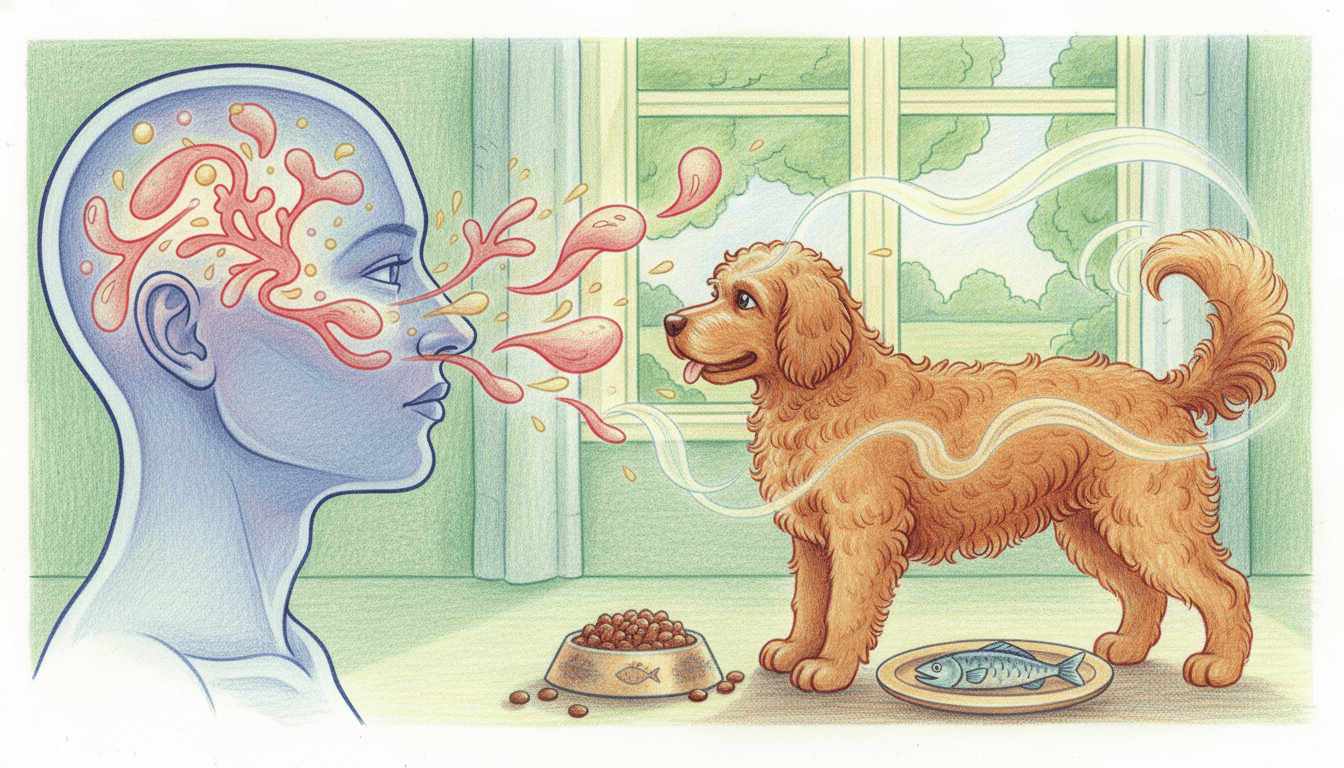
Pet allergies represent a common yet complex health issue, with studies indicating that approximately 10-15% of the canine and feline population experiences allergic reactions. These conditions arise when a pet's immune system overreacts to typically harmless substances, leading to a range of clinical signs that can significantly impact their wellbeing. Understanding the multifaceted nature of these allergies—including their diverse sources, varied symptoms, and evidence-based management approaches—is essential for pet owners seeking to provide optimal care. This comprehensive guide draws on veterinary expertise to explore the immunological mechanisms, diagnostic procedures, and therapeutic interventions that can help manage these conditions effectively.
Sections
Primary Sources of Pet Allergies
Pet allergies originate from three principal categories, each with distinct triggers and characteristics. Food allergies account for approximately 10% of all allergic cases in pets, with common culprits including proteins like beef, dairy, chicken, and wheat. These allergies develop when the immune system mistakenly identifies specific food components as threats, triggering an inflammatory response. Environmental allergies, or atopy, affect an estimated 3-15% of dogs and are triggered by inhaled or contact allergens such as pollen (from trees, grasses, and weeds), mold spores, dust mites, and dander. Flea allergy dermatitis represents another significant category, where a hypersensitivity to flea saliva causes intense reactions—often with just one flea bite provoking severe symptoms in sensitive animals. Understanding these sources is the foundation for accurate diagnosis and targeted management.
Clinical Manifestations and Symptom Progression
Allergic responses in pets manifest through various clinical signs that often extend beyond superficial itching. Dermatological symptoms typically include pruritus (itchiness), which may lead to excessive scratching, licking, or chewing—particularly around the face, paws, and ventral abdomen. Secondary skin infections develop in approximately 80% of cases due to skin barrier compromise, presenting as pyoderma (bacterial infections), Malassezia dermatitis (yeast overgrowth), or hot spots (acute moist dermatitis). Gastrointestinal issues affect 10-15% of food-allergic pets, featuring vomiting, diarrhea, or flatulence. Chronic cases may exhibit additional signs like otitis externa (ear infections) in 50-80% of allergic dogs, hair loss, skin lichenification, and behavioral changes due to discomfort. Recognizing this symptom spectrum enables earlier intervention and prevents disease progression.
Diagnostic Approaches and Veterinary Assessment
Accurate allergy diagnosis requires systematic veterinary investigation, beginning with a comprehensive history and physical examination. For suspected food allergies, elimination diet trials lasting 8-12 weeks using novel protein or hydrolyzed diets remain the gold standard, with approximately 90% diagnostic accuracy when properly conducted. Environmental allergy identification may involve intradermal skin testing (showing 75-85% sensitivity) or serum IgE testing to pinpoint specific triggers. Flea allergy diagnosis typically relies on clinical signs distribution (especially along the dorsolumbar region) and response to rigorous flea control. Additional diagnostics might include skin cytology, fungal cultures, or biopsy to rule out differential diagnoses like parasitic infestations or autoimmune disorders. This methodical approach ensures precise allergen identification and appropriate treatment planning.
Comprehensive Management and Treatment Strategies
Effective allergy management employs multimodal strategies tailored to individual pets. Dietary management for food allergies requires strict adherence to hypoallergenic diets, with 80-90% of affected pets showing significant improvement within 4-8 weeks. Environmental control measures include HEPA air filtration (reducing airborne allergens by up to 99%), regular bathing with soothing shampoos (2-3 times weekly), and minimizing outdoor exposure during high pollen seasons. Pharmacological interventions may encompass antihistamines (effective in 30% of cases), corticosteroids for acute flare-ups, cyclosporine for long-term control, or newer monoclonal antibody therapies like lokivetmab. Immunotherapy (allergy shots or sublingual drops) offers disease-modifying potential with 60-80% success rates. Flea prevention must be rigorous, using veterinary-recommended products year-round. This comprehensive approach typically reduces symptom severity by 70-90% when consistently implemented.
Key Takeaways
Pet allergies stem from three primary sources: food ingredients (10% of cases), environmental factors (3-15% prevalence), and flea saliva hypersensitivity
Symptoms extend beyond itching to include skin infections (80% of cases), gastrointestinal issues (10-15%), and chronic ear problems (50-80%)
Veterinary guidance is essential for accurate diagnosis through elimination diets, allergy testing, and clinical evaluation
Management requires a multimodal approach combining dietary control, environmental modifications, medical therapy, and preventive measures
Consistent implementation of veterinary-recommended strategies can reduce symptoms by 70-90% and significantly improve quality of life
Frequently Asked Questions
What are the most common food allergens for pets?
How quickly do allergy symptoms improve with treatment?
Can pets develop allergies later in life?
Are certain breeds more prone to allergies?
Conclusion
Managing pet allergies requires a thorough understanding of their multifactorial nature and a commitment to long-term, veterinarian-guided care. By recognizing the diverse sources—from food components to environmental triggers and parasites—and implementing evidence-based diagnostic and therapeutic strategies, pet owners can significantly alleviate their companion's discomfort. The integration of dietary management, environmental controls, medical interventions, and preventive measures forms a comprehensive approach that addresses both symptoms and underlying causes. With proper management, most allergic pets experience substantial improvement in their quality of life, demonstrating that while allergies may be chronic conditions, they need not diminish the human-animal bond or overall wellbeing.
Related Comparisons

Essential Dog Vaccination Guide: Core and Non-Core Vaccines Explained
This comprehensive guide explains the critical importance of dog vaccinations for preventing life-threatening diseases. It details core vaccines—rabies, distemper, parvovirus, and adenovirus-2—which are essential for all dogs, and non-core vaccines like kennel cough, Lyme disease, and canine influenza, recommended based on exposure risks. Emphasizing the role of annual veterinary check-ups, the article provides a structured vaccination schedule, addresses common concerns, and highlights how vaccinations contribute to long-term canine health and community safety, backed by insights from the American Veterinary Medical Association.

Feline Parasite Prevention Guide: Protecting Your Cat from Heartworms, Intestinal Parasites, Fleas, and Ticks
Comprehensive guide on preventing common feline parasites including heartworms, intestinal worms, fleas, and ticks. Learn personalized prevention strategies with oral medications, topical treatments, and preventive collars. Discover why year-round protection tailored to your cat's lifestyle and regional risks is essential for optimal health, reducing disease transmission and severe complications. Based on veterinary recommendations from VCA Animal Hospitals.
Comprehensive Feline Vaccination Guide: Core Shots, Schedules, and Health Protection
This guide details essential feline vaccinations to safeguard cats from severe diseases. Core vaccines, including rabies, feline panleukopenia virus, feline herpesvirus, and calicivirus, form the foundation of preventive care, while optional vaccines like feline leukemia virus address specific exposure risks. Tailoring vaccination plans based on a cat's age, health, and lifestyle, with regular veterinary consultations, ensures optimal protection. Adhering to recommended schedules helps prevent outbreaks and supports long-term feline wellness, reducing mortality from preventable illnesses.

Heartworm Prevention and Detection: Essential Strategies for Protecting Your Pet
Heartworm disease is a serious, potentially fatal condition transmitted by mosquitoes, primarily affecting dogs but also cats and other mammals. Prevention through year-round medications is strongly recommended by veterinarians, as treatment can be complex and risky. Regular testing, even in cooler climates, ensures early detection and effective management. Many preventive options, including oral, topical, and collar-based solutions, also provide protection against intestinal parasites, offering comprehensive care for your pet's health. Understanding transmission, prevention methods, and the importance of veterinary guidance is crucial for keeping pets safe.

Pet Spaying and Neutering Benefits: Essential Health and Behavioral Advantages
Spaying and neutering are critical veterinary procedures that provide substantial health and behavioral benefits for pets, including preventing infections like pyometra and reducing cancer risks such as mammary tumors by up to 99% in spayed females. These surgeries also curb undesirable behaviors like roaming and aggression, while contributing to population control. Veterinarians recommend timing based on breed, age, and health, with early-age options available for many pets. Adhering to professional guidelines ensures optimal outcomes for your pet's well-being.

Managing Feline Dental Health: Prevention, Risks, and Professional Care
Dental disease affects over 70% of cats by age three, making proactive oral care essential. This comprehensive guide details evidence-based prevention strategies including daily tooth brushing with VOHC-approved products, professional cleanings, and dental chews. Learn to recognize early signs of plaque buildup, gingivitis, and periodontal disease that can lead to systemic infections and organ damage. With contributions from veterinary experts, discover how consistent dental hygiene preserves your cat's quality of life and prevents painful complications.

Senior Pet Health Management: Comprehensive Care for Aging Companions
As pets enter their senior years, typically around age 7 for dogs and 10 for cats, their healthcare needs evolve significantly. This comprehensive guide covers essential aspects of senior pet care, including the critical importance of twice-yearly veterinary check-ups recommended by PetSmart Veterinary Services. We explore four major age-related conditions—heart disease, kidney dysfunction, cancer, and thyroid disorders—and detail monitoring protocols involving comprehensive blood work and physical examinations. Early detection through systematic screening can dramatically improve quality of life and potentially extend your pet's lifespan by addressing health issues before they become advanced.

Comprehensive Pet Vaccination Guide: Protecting Your Companion Animals from Infectious Diseases
This essential guide provides detailed information about core vaccinations for dogs and cats, including rabies, distemper, parvovirus, leptospirosis, panleukopenia, herpesvirus, and calicivirus. Learn about vaccination schedules, disease prevention strategies, and how personalized immunization protocols can protect your pets from life-threatening infections based on their specific health needs, age, and environmental risk factors. Following American Veterinary Medical Association guidelines ensures optimal protection for your beloved companions.

Dental Health Care for Dogs: Essential Strategies for Preventing Disease and Promoting Lifelong Wellness
Dental disease affects over 80% of dogs by age four, making oral care a critical component of canine health. Left untreated, oral infections can spread systemically, leading to heart, liver, and kidney complications. This comprehensive guide covers professional cleanings, daily brushing techniques with VOHC-approved toothpaste, and effective dental chews. Learn to recognize early warning signs like bad breath and bleeding gums while implementing preventive strategies recommended by veterinarians. Proper dental care can extend your dog's lifespan by 2-4 years while preventing painful conditions.

Senior Pet Healthcare: Comprehensive Guide to Aging Pet Wellness
As pets age, their healthcare needs evolve significantly, requiring twice-yearly veterinary check-ups to monitor for age-related conditions like kidney disease, heart issues, arthritis, and cancer. With pets aging the equivalent of humans visiting a doctor every 4-5 years, proactive preventive care becomes essential. This guide covers specialized monitoring, early disease detection strategies, and practical management tips to ensure your senior pet maintains optimal health and quality of life through their golden years.

Comprehensive Pet Exercise and Activity Management: Optimizing Health and Happiness
Regular, tailored exercise is essential for maintaining your pet's physical and mental well-being, preventing obesity, and enhancing overall quality of life. This guide provides detailed strategies based on breed, age, and health conditions to create effective activity plans. Learn how exercise supports weight management, mental stimulation, cardiovascular health, and joint mobility with expert insights from Veterinary Fitness Experts.

Pet First Aid and Emergency Preparedness: Essential Knowledge for Every Pet Owner
This comprehensive guide details essential pet first aid and emergency preparedness strategies, drawing from Veterinary Emergency Specialists. Learn to handle poisoning incidents, identify critical symptoms like rapid breathing or collapse, and maintain a robust emergency kit with veterinarian contacts, medical history, and first aid supplies. Implementing these practices can significantly improve outcomes during pet emergencies, ensuring timely and effective care.

Pet Behavioral Health: Veterinary Insights into Common Issues and Solutions
Behavioral problems in pets, such as inappropriate urination, aggression, and separation anxiety, often stem from underlying medical conditions. Veterinarians play an essential role in diagnosing these issues through comprehensive assessments, including physical exams, laboratory tests, and behavioral history reviews. This guide explains how professional veterinary intervention provides targeted treatment plans that address both health and behavioral aspects, ensuring long-term well-being for your pet. Early detection can prevent escalation and improve quality of life, with success rates improving by up to 80% when medical causes are identified and treated promptly.

Spaying and Neutering Benefits: Comprehensive Guide to Pet Health and Behavior
Spaying and neutering are essential preventive health procedures for pets, offering significant medical and behavioral advantages. These surgeries prevent infections such as pyometra—affecting up to 25% of unspayed female dogs—and reduce cancer risks, including mammary tumors and testicular cancer, by over 50% when performed before the first heat cycle. Behavioral improvements include decreased aggression, roaming, and marking. Veterinarians recommend timing based on breed, size, and health, typically between 6-9 months for dogs and 5-6 months for cats. This guide explores these benefits in detail, supported by veterinary reproductive health expertise.