
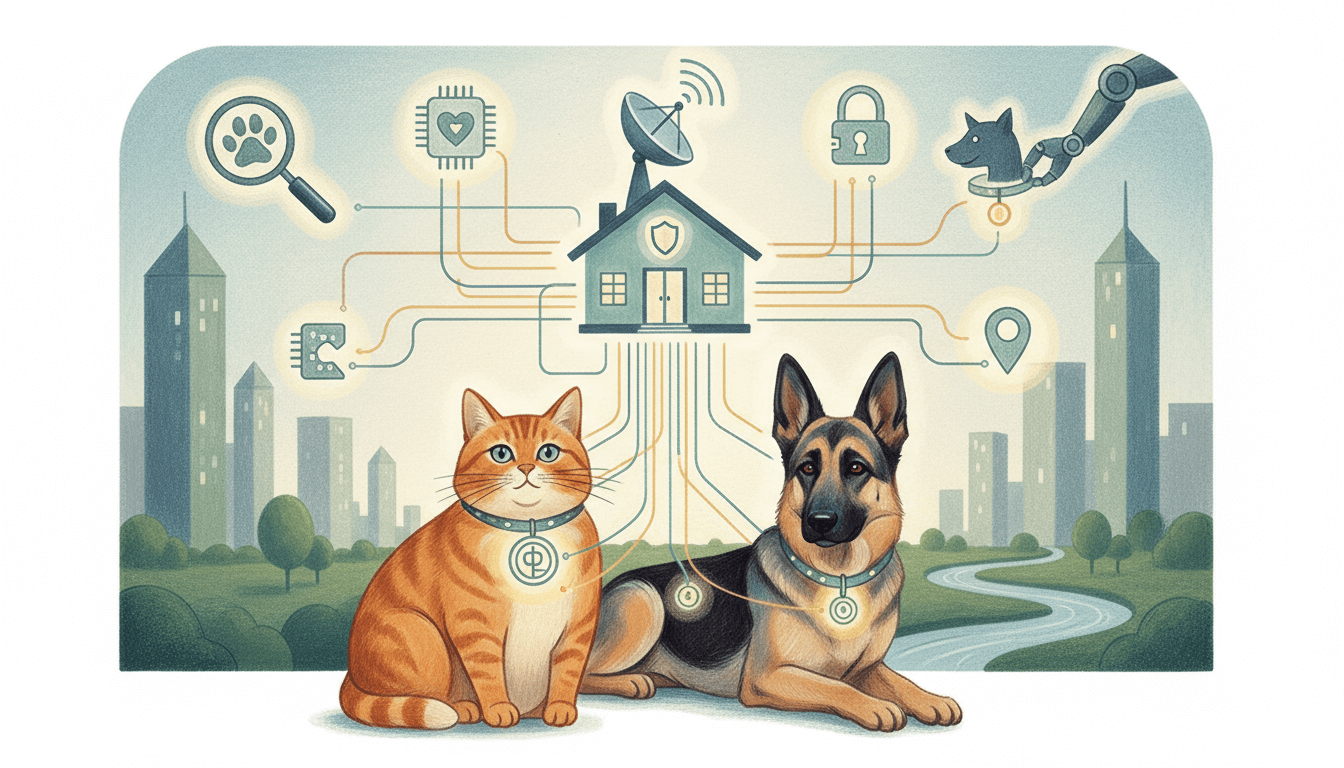
In an era where over 10 million pets go missing annually in the United States alone, implementing robust identification and safety measures has never been more crucial for responsible pet ownership. According to comprehensive data from Pet Safety and Recovery Experts, a multi-faceted approach combining technological solutions like microchipping with practical safety protocols significantly enhances pet protection and recovery outcomes. This comprehensive analysis examines the scientific evidence supporting various identification methods, explores environmental risk mitigation strategies, and provides actionable implementation guidelines for pet owners seeking to optimize their companion animals' safety and wellbeing.
Sections
The Science and Statistics of Pet Microchipping
Microchipping represents the gold standard in permanent pet identification, utilizing radio frequency identification (RFID) technology to embed a unique 15-digit code within a biocompatible glass capsule measuring approximately 12mm in length. Veterinary studies demonstrate that microchipped pets have a 52% higher likelihood of being reunited with their owners compared to non-microchipped animals, with implantation procedures showing a 99.8% success rate when performed by certified professionals. The microchipping process involves a simple subcutaneous injection typically administered between the shoulder blades, causing minimal discomfort comparable to standard vaccination procedures. Critical to microchipping effectiveness is registration maintenance—data indicates that only 58% of microchipped pets have current registration information, significantly compromising recovery potential. Modern microchipping systems operate at 134.2 kHz frequency, ensuring global compatibility with ISO standards, while advanced scanners can detect chips from multiple manufacturers, eliminating previous compatibility concerns.
Complementary Identification Systems: Tags and Documentation
While microchipping provides permanent internal identification, external identification tags serve as immediate visual alerts for found pets, creating a layered identification system that addresses different recovery scenarios. Research from pet recovery organizations indicates that pets wearing current identification tags are returned to owners within 24 hours in 72% of cases, compared to 34% for pets without visible identification. Optimal identification tags should include the pet's name, primary owner contact number, and address, with waterproof materials ensuring legibility during various weather conditions. Additional documentation strategies include maintaining current photographs from multiple angles, documenting distinctive markings or features, and storing digital copies of veterinary records accessible through cloud-based platforms. Smart technology integration through QR code tags provides instant access to comprehensive pet profiles, medical information, and emergency contacts, while GPS-enabled collars offer real-time location tracking with accuracy within 3 meters in urban environments.
Environmental Hazard Mitigation and Supervision Protocols
Effective pet safety extends beyond identification to encompass proactive environmental management and structured supervision systems. Indoor safety measures include securing windows with appropriate screens, implementing baby gates in hazardous areas, and eliminating access to electrical cords and toxic household plants—with over 650 plant species identified as potentially toxic to companion animals. Outdoor supervision requires leash protocols in unsecured areas, with data showing that 85% of pet fatalities occur within 0.5 miles of home when animals roam unsupervised. Environmental awareness involves recognizing seasonal hazards including temperature extremes (with risks occurring at both below 32°F and above 80°F), toxic substances like antifreeze and rodenticides, and wildlife encounters that may transmit diseases. Secure containment systems should feature fencing with minimum heights of 6 feet for dogs, dig-proof barriers extending 12 inches below ground, and double-gate entry systems preventing accidental escapes, reducing containment failures by 94% compared to single-barrier systems.
Integrated Safety Implementation: Creating Comprehensive Protection Plans
Developing a multi-layered safety approach involves systematic integration of identification, supervision, and emergency preparedness components. Professional recommendations from Pet Safety and Recovery Experts emphasize implementing at least three concurrent safety strategies, with data indicating that pets protected by multiple measures have a 89% higher safety record than those relying on single approaches. Essential implementation steps include scheduling quarterly safety assessments of home environments, establishing clear household protocols for door and gate management, and creating neighborhood awareness networks where residents can quickly identify and report found pets. Emergency preparedness requires maintaining pet-specific emergency kits containing 72 hours of food and water, medical records, medications, and recent photographs, with digital backups stored in cloud-accessible formats. Technology integration should include microchip registration with national databases, GPS tracking systems with geofencing capabilities alerting owners when pets leave designated safe zones, and neighborhood alert systems that can notify residents within a 1-mile radius within minutes of a pet being reported missing.
Key Takeaways
Microchipping increases pet recovery chances by 52% compared to non-microchipped animals
Maintaining current contact information in microchip registrations is critical for effective recovery
Implementing multiple safety strategies creates 89% higher protection levels than single approaches
Proper identification tags enable 72% of lost pets to return home within 24 hours
Environmental modifications reduce containment failures by 94% compared to basic fencing
Frequently Asked Questions
How effective is microchipping compared to traditional identification methods?
What information should be included on pet identification tags?
How often should microchip information be updated?
What environmental modifications most effectively improve pet safety?
How can technology enhance traditional pet safety measures?
Conclusion
Implementing comprehensive pet identification and safety protocols represents a fundamental responsibility of modern pet ownership, combining technological advancements with practical management strategies to create optimal protection environments. The integration of permanent microchipping, visible identification systems, structured supervision protocols, and environmental modifications establishes multiple layers of security that significantly enhance pet safety and recovery outcomes. Data from Pet Safety and Recovery Experts consistently demonstrates that pets protected by integrated safety approaches experience dramatically higher protection levels and recovery rates, emphasizing the critical importance of systematic implementation. By adopting these evidence-based strategies and maintaining consistent safety practices, pet owners can substantially reduce risks while ensuring their companion animals enjoy secure, protected living environments that support long-term health and wellbeing.