

Pet ownership brings immense joy but also the responsibility of safeguarding your companion's health. According to the World Small Animal Veterinary Association (WSAVA), over 80% of dogs and 70% of cats develop dental disease by age three, while obesity affects approximately 60% of pets in developed countries. This comprehensive guide delves into the four major health risks—dental disease, obesity, parasitic infections, and chronic kidney disease—providing scientifically backed prevention strategies. By understanding these challenges and implementing proactive measures like regular veterinary check-ups, balanced nutrition, and diligent hygiene, pet owners can significantly reduce morbidity risks and enhance their pets' vitality.
Sections
Dental Disease: The Silent Epidemic in Pets
Periodontal disease is the most common clinical condition in adult dogs and cats, with WSAVA reporting that 85% of pets over four years old exhibit some form of dental pathology. Plaque accumulation leads to gingivitis, which progresses to periodontitis—a destructive inflammatory process affecting tooth-supporting structures. Untreated dental disease can cause chronic pain, tooth loss, and systemic complications like endocarditis or renal damage due to bacteremia. Prevention hinges on daily tooth brushing using veterinary-approved toothpaste, annual professional dental cleanings under anesthesia, and dental chews or diets that mechanically reduce plaque. Early signs include halitosis, reluctance to eat hard food, and pawing at the mouth. Veterinary oral health assessments should be integrated into every routine exam.
Obesity and Weight Management: Combating Excess Body Condition
Obesity is a multifactorial disease affecting up to 59% of dogs and 52% of cats, predisposing them to orthopedic disorders, diabetes mellitus, cardiovascular strain, and reduced life expectancy. Body Condition Scoring (BCS) systems help assess ideal weight, with ribs easily palpable but not visible representing optimal condition. Prevention strategies include measuring food portions precisely, limiting high-calorie treats to <10% of daily intake, and providing structured exercise—30 minutes daily for dogs and interactive play for cats. Underlying causes like hypothyroidism or Cushing's disease must be ruled out through veterinary diagnostics. Weight management diets rich in protein and fiber promote satiety while maintaining lean muscle mass during calorie restriction.
Parasitic Infections: External and Internal Threats
Parasites like fleas, ticks, heartworms, and intestinal worms pose significant health risks, with heartworm disease exhibiting prevalence rates of up to 25% in endemic regions. Flea allergy dermatitis affects 40% of allergic dogs, while tick-borne illnesses such as Lyme disease can cause lifelong joint and neurological issues. Prevention requires year-round broad-spectrum parasiticide administration, including topical, oral, or injectable formulations. Environmental control through regular bedding washing and yard maintenance reduces exposure. Routine fecal exams detect intestinal parasites, while annual heartworm testing ensures prophylactic efficacy. Vaccination against Lyme disease is recommended in high-risk areas, complemented by daily tick checks after outdoor activities.
Chronic Kidney Disease: Early Detection and Intervention
Chronic kidney disease (CKD) affects 1-3% of dogs and 10-30% of cats, with incidence rising sharply in seniors. IRIS staging classifies CKD severity based on serum creatinine, SDMA levels, and proteinuria. Early clinical signs—polyuria, polydipsia, weight loss, and lethargy—often go unnoticed until 75% of renal function is lost. Prevention focuses on maintaining hydration through wet food diets, avoiding nephrotoxic substances like NSAIDs or lilies (in cats), and managing comorbidities like hypertension. Semi-annual bloodwork for pets over seven years enables early detection. Therapeutic renal diets low in phosphorus and high in omega-3 fatty acids can slow progression, while subcutaneous fluids may be administered at home in advanced cases.
Integrative Prevention: The Role of Veterinary Partnerships
Proactive healthcare transcends individual measures, requiring a collaborative veterinarian-client-patient relationship. Biannual wellness exams allow for comprehensive physical assessments, vaccination updates, and diagnostic screenings. Nutritional counseling ensures age- and breed-appropriate diet formulations, while behavioral monitoring identifies subtle illness indicators like increased hiding or decreased social interaction. Dental prophylaxis, parasite control, and weight management form the cornerstone of preventive care, reducing the likelihood of emergency interventions. Pet owners should maintain detailed health records, including vaccination history, lab results, and observed behavioral changes, to facilitate informed clinical decisions during consultations.
Key Takeaways
Dental disease affects over 80% of adult pets; daily brushing and annual cleanings are critical for prevention.
Obesity management through portion control and exercise prevents diabetes, arthritis, and cardiovascular issues.
Year-round parasite prevention reduces risks of vector-borne diseases and allergic reactions.
Early CKD detection via bloodwork and hydration support can prolong renal function and quality of life.
Regular veterinary check-ups enable comprehensive risk assessment and personalized preventive care plans.
Frequently Asked Questions
How often should my pet visit the veterinarian for preventive care?
What are the most reliable methods for preventing dental disease in pets?
Can obesity in pets be reversed without compromising nutrition?
Are natural parasite prevention methods as effective as pharmaceuticals?
What early behavioral changes might indicate kidney disease in cats or dogs?
Conclusion
Proactive pet healthcare, grounded in WSAVA guidelines, empowers owners to mitigate prevalent health risks through disciplined prevention. By prioritizing regular veterinary partnerships, evidence-based nutrition, structured exercise, and vigilant hygiene practices, you can dramatically reduce the incidence of dental disease, obesity, parasitic infections, and chronic kidney conditions. Remember that early intervention upon noticing subtle behavioral or physical changes often determines treatment outcomes. Consistent implementation of these strategies not only extends your pet's lifespan but also enriches their daily well-being, ensuring many years of joyful companionship.
Related Comparisons

Comprehensive Pet Preventive Care Guide: A Holistic Approach to Lifelong Health
This detailed guide outlines a holistic strategy for proactive pet health management, emphasizing the critical role of preventive care in extending your companion's lifespan and quality of life. Learn about essential annual wellness exams, tailored vaccination schedules, year-round parasite prevention protocols, and advanced diagnostic screenings. Discover how proper nutrition, behavioral monitoring, and early intervention can prevent common health issues. Backed by AAHA standards, this resource provides actionable insights for pet owners committed to comprehensive preventive healthcare.

Understanding and Preventing Arthritis in Dogs: A Comprehensive Guide
Arthritis affects one in five dogs, particularly large breeds, obese, and senior dogs. Early detection through regular veterinary check-ups is vital for effective management. Prevention strategies include maintaining a healthy weight, incorporating joint supplements, and engaging in low-impact exercises. This guide provides expert insights to help dog owners recognize symptoms, implement preventive measures, and improve their pet's quality of life.

Comprehensive Dog Parasite Prevention Guide: Protecting Your Pet Year-Round
This guide details essential strategies for protecting dogs from common parasites like heartworms, fleas, ticks, and intestinal worms. Emphasizing year-round prevention, it covers oral medications, topical treatments, and preventive collars, alongside the importance of veterinary consultation for personalized plans. Learn how to safeguard your dog's health with reliable, data-backed methods from trusted sources like VCA Animal Hospitals.

Comprehensive Guide to Dental Care for Pets: Preventing Disease and Enhancing Lifespan
Dental disease affects 70-80% of dogs and cats by age three, often leading to severe health complications. This guide details essential practices like brushing with pet-specific toothpaste, scheduling annual veterinary check-ups, and recognizing early signs of dental issues. Learn how proactive dental care can prevent infections, reduce inflammation, and extend your pet's lifespan with expert-backed strategies and practical tips.

Comprehensive Weight Management for Pets: Preventing Obesity and Enhancing Lifespan
Obesity affects approximately 50% of pets, making it a critical health issue with severe consequences like diabetes, heart disease, and arthritis. This guide explores evidence-based strategies for maintaining a healthy weight through personalized diet and exercise plans, emphasizing veterinary consultation. Learn to identify risks, implement effective routines, and leverage professional insights to safeguard your pet's well-being and longevity.
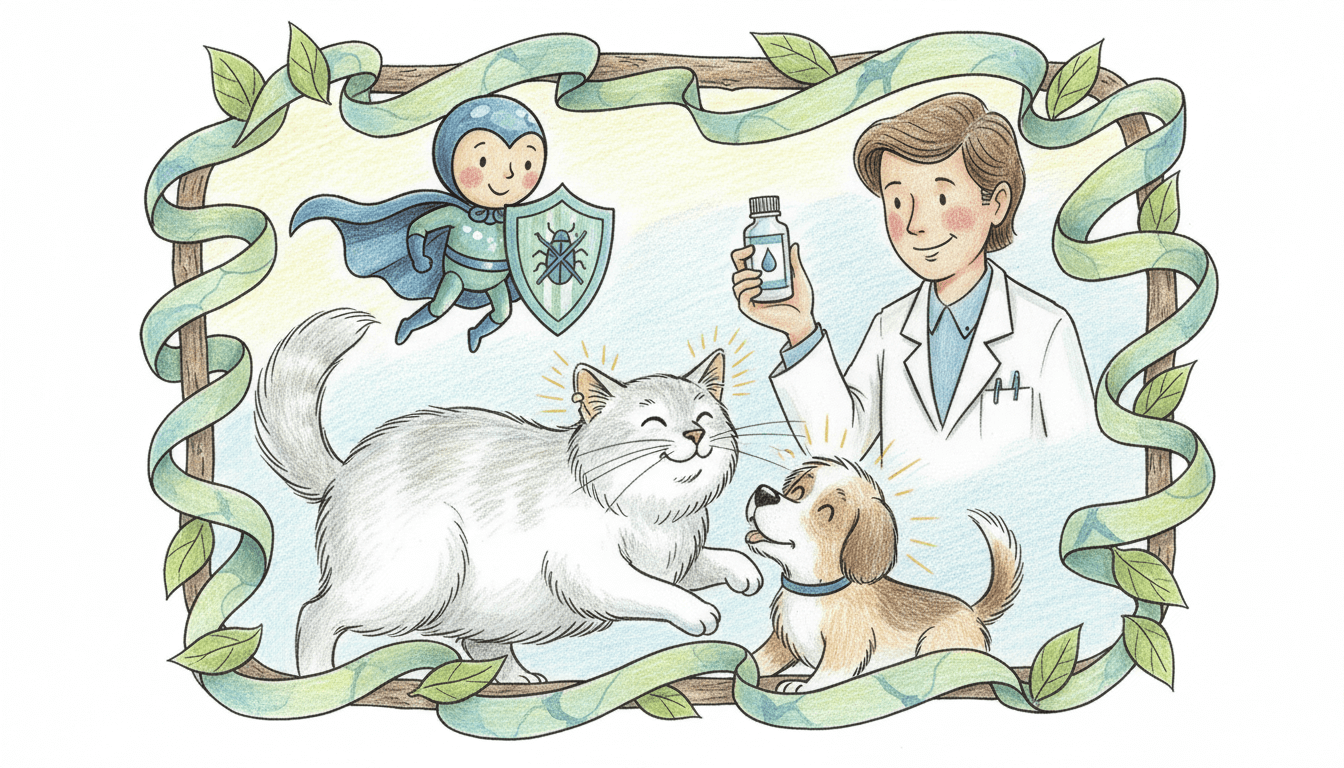
Pet Ear Health and Mite Prevention: Essential Guide for Pet Owners
Ear mites are a prevalent parasitic issue affecting pets, particularly in warm, humid climates, leading to discomfort and potential hearing complications. This guide details risk factors like warm environments and limited grooming, emphasizing prevention through regular ear checks, proper cleaning techniques, and veterinarian-recommended treatments. Cats are especially susceptible, making consistent ear care vital for overall health. By following expert advice, pet owners can safeguard their companions from infections and ensure long-term wellness.

Managing Canine Obesity and Weight Health: A Comprehensive Guide
Canine obesity is a critical health issue affecting over 50% of dogs in developed countries, leading to preventable conditions like diabetes, arthritis, and heart disease. This guide details evidence-based strategies from veterinary experts, including balanced nutrition with precise portion control, structured exercise regimens, and regular body condition scoring. Implementing these methods can extend your dog's lifespan by up to 2 years while enhancing mobility and overall vitality. Proactive weight management is essential for ensuring your pet's long-term well-being.

Intestinal Parasite Management in Pets: Prevention, Diagnosis, and Treatment
Intestinal parasites such as coccidia and giardia pose significant health risks to pets, especially puppies and kittens, by causing symptoms ranging from mild diarrhea to severe dehydration and malnutrition. Transmission primarily occurs via the fecal-oral route, contaminated water, or maternal sources. Effective management includes strict hygiene protocols, immediate feces cleanup, and regular veterinary screenings. Treatment protocols vary between dogs and cats, underscoring the necessity of professional veterinary oversight for accurate diagnosis and tailored care to ensure pet well-being.

Comprehensive Parasite Prevention Strategies for Optimal Pet Health
Parasite prevention is a critical component of responsible pet ownership, requiring year-round vigilance against threats like heartworms, fleas, ticks, and intestinal parasites. This guide details evidence-based strategies, including tailored medication protocols, annual screenings, and environmental management to protect pets from serious diseases such as Lyme disease and ehrlichiosis. Following American Animal Hospital Association guidelines, we emphasize integrating prevention into routine care to ensure long-term health and well-being for your companion animals.
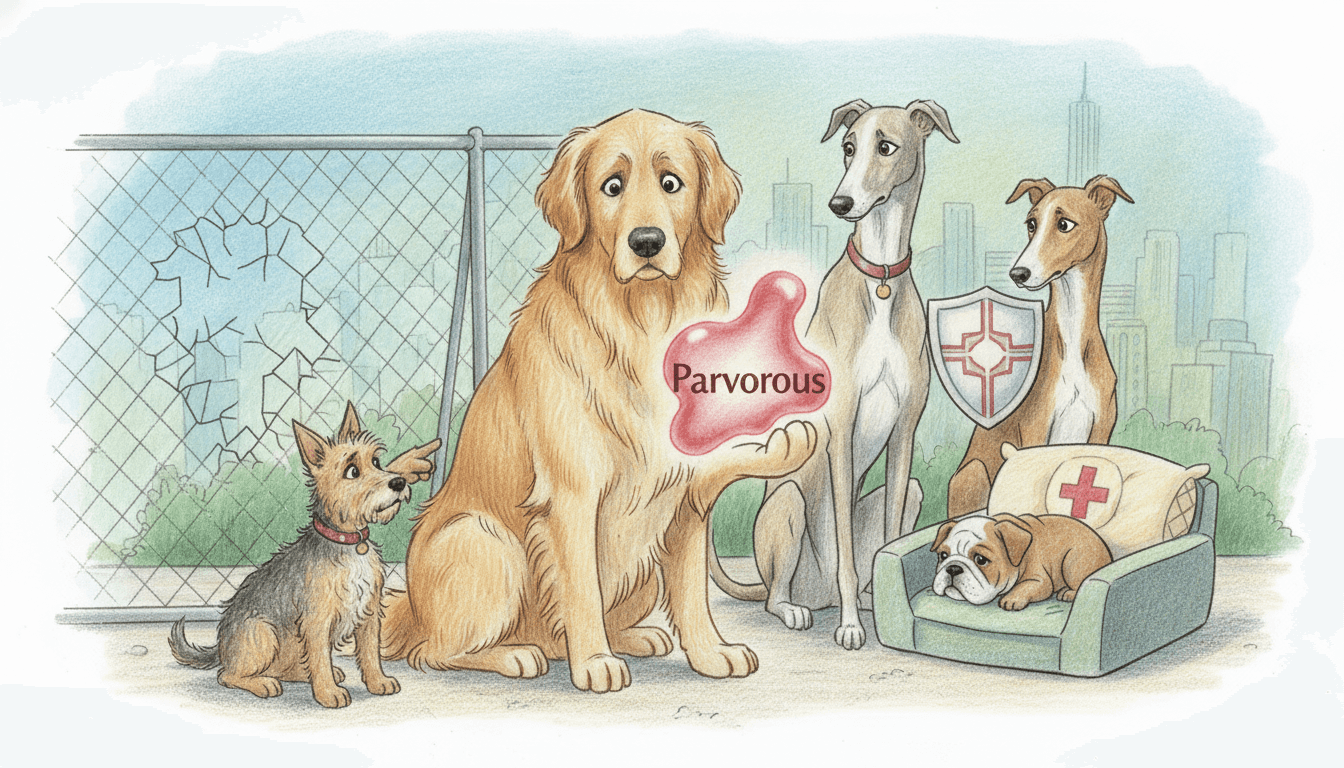
Understanding Parvovirus in Dogs: Risks, Prevention, and Advanced Treatment Options
Canine parvovirus is a highly contagious and potentially fatal viral disease primarily affecting puppies between five to ten weeks old and dogs under one year, with unvaccinated individuals being at greatest risk. This comprehensive guide explores transmission routes, clinical signs like severe vomiting and bloody diarrhea, and the critical importance of vaccination. Recent medical advancements, including monoclonal antibody therapies, are highlighted as innovative treatment options. Prevention strategies such as limiting exposure and maintaining proper hygiene are emphasized to protect your pet's health.
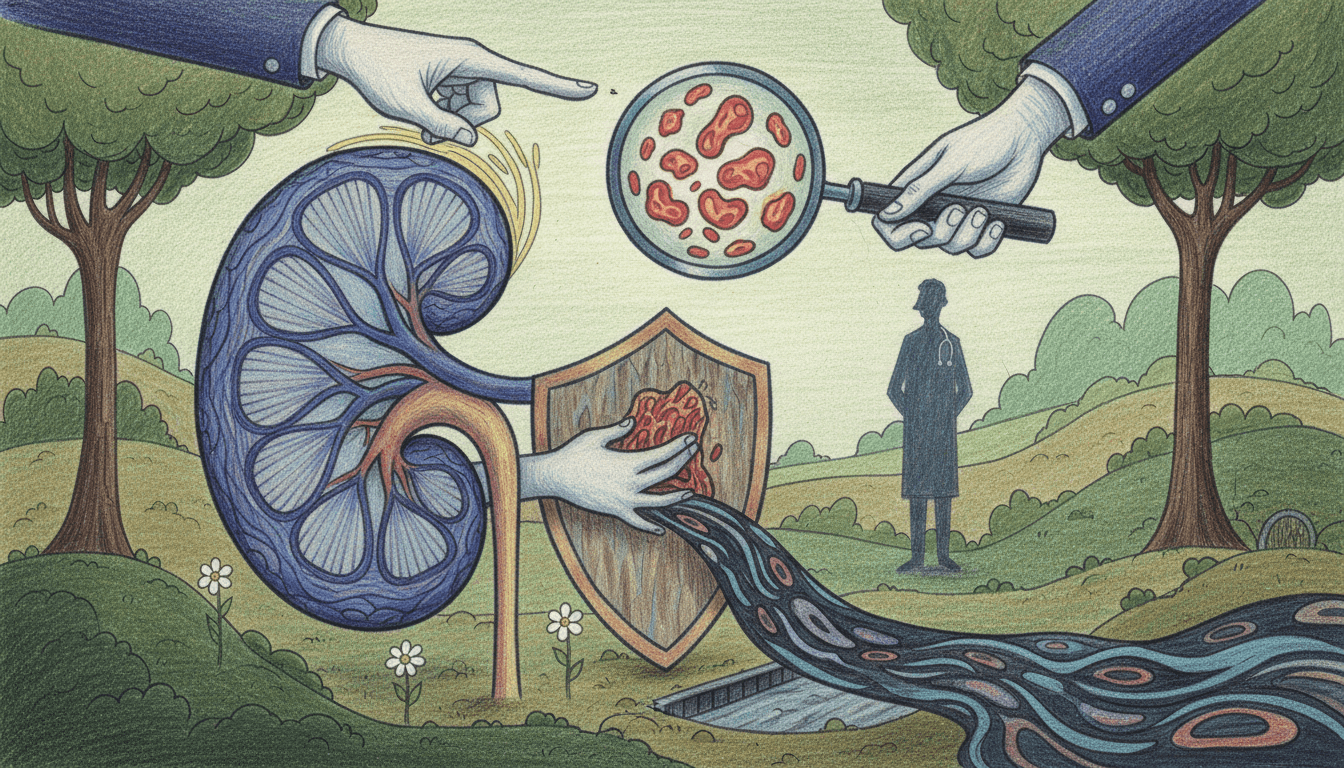
Detecting and Preventing Kidney Disease in Cats: A Professional Guide
Chronic kidney disease is a leading cause of morbidity in cats, affecting up to 30% of felines over age 15. Early detection through regular blood work and urinalysis is crucial since clinical signs often appear only after significant kidney damage. Prevention strategies include maintaining optimal hydration, feeding renal-supportive diets, and managing risk factors like hypertension. With proper veterinary care and owner vigilance, progression can be significantly slowed, maintaining quality of life for years.
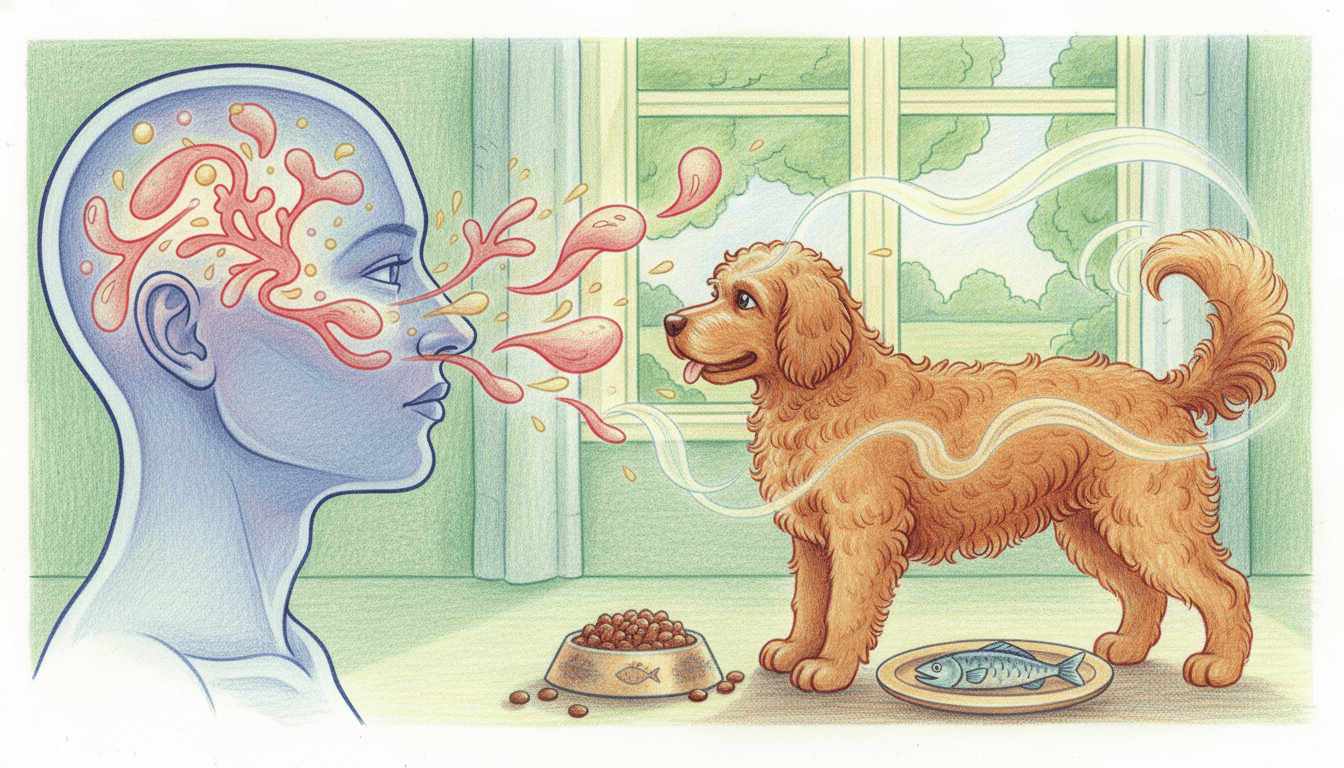
Understanding Pet Allergies: Causes, Symptoms, and Management Strategies
Pet allergies are immune responses to substances like food ingredients, environmental triggers, or parasites such as fleas. Common symptoms include persistent itching, skin infections, and gastrointestinal distress, affecting up to 10% of dogs and cats. Effective management requires veterinary diagnosis through methods like elimination diets or allergy testing, followed by tailored interventions including hypoallergenic nutrition, environmental controls, and medical treatments to alleviate discomfort and enhance your pet's quality of life.

Essential Dog Vaccination Guide: Core and Non-Core Vaccines Explained
This comprehensive guide explains the critical importance of dog vaccinations for preventing life-threatening diseases. It details core vaccines—rabies, distemper, parvovirus, and adenovirus-2—which are essential for all dogs, and non-core vaccines like kennel cough, Lyme disease, and canine influenza, recommended based on exposure risks. Emphasizing the role of annual veterinary check-ups, the article provides a structured vaccination schedule, addresses common concerns, and highlights how vaccinations contribute to long-term canine health and community safety, backed by insights from the American Veterinary Medical Association.

Feline Parasite Prevention Guide: Protecting Your Cat from Heartworms, Intestinal Parasites, Fleas, and Ticks
Comprehensive guide on preventing common feline parasites including heartworms, intestinal worms, fleas, and ticks. Learn personalized prevention strategies with oral medications, topical treatments, and preventive collars. Discover why year-round protection tailored to your cat's lifestyle and regional risks is essential for optimal health, reducing disease transmission and severe complications. Based on veterinary recommendations from VCA Animal Hospitals.