

Obesity in dogs is a pervasive and preventable epidemic, with veterinary studies indicating that 56% of dogs in the United States are overweight or obese. This condition significantly diminishes quality of life and predisposes pets to severe medical complications. According to VCA Animal Hospitals, leaner dogs live up to 15% longer and experience fewer chronic diseases. This comprehensive guide explores the multifaceted approach to canine weight management, integrating scientific research, veterinary recommendations, and practical strategies to help your dog achieve and maintain an optimal weight.
Sections
Understanding Canine Obesity: Prevalence and Health Risks
Canine obesity is defined as body weight exceeding 20% above the ideal, affecting mobility, organ function, and longevity. Key health risks include: Diabetes mellitus, with obese dogs having a 50% higher incidence due to insulin resistance; Osteoarthritis, where excess weight increases joint stress by 30-40%, accelerating cartilage degradation; Cardiovascular disease, including hypertension and reduced cardiac output; and Respiratory compromise from fat deposition in the chest cavity. Research confirms that obese dogs have a 2.5-year shorter lifespan compared to lean counterparts. Regular veterinary assessments using a 9-point body condition score (BCS) system, where 4-5 is ideal, are crucial for early detection.
Nutritional Management: Diet and Portion Control Strategies
A balanced, calorie-controlled diet is foundational for weight loss. Veterinary nutritionists recommend: Calculating daily energy requirements (DER) based on ideal weight, typically 70-90 calories per kilogram for weight loss; Using therapeutic weight management diets high in protein (25-30%) and fiber (10-15%) to promote satiety; Measuring portions with a gram scale for ±2% accuracy versus volumetric cups; Eliminating high-calorie treats, which should constitute <10% of daily intake; and Implementing scheduled feeding 2-3 times daily rather than free-choice feeding. Studies show dogs on structured diets lose 1-2% of body weight weekly, reducing obesity-related comorbidities by 60% within 6 months.
Exercise Regimens for Sustainable Weight Loss
Regular physical activity increases energy expenditure by 20-40% and improves metabolic health. Effective exercises include: Brisk walking for 30 minutes twice daily, burning approximately 150 calories per session; Swimming or hydrotherapy, ideal for arthritic dogs as it reduces joint load by 80%; Interactive play with fetch or flirt poles, engaging natural prey drive; and Agility training to build lean muscle mass, boosting resting metabolic rate by 5-10%. Gradually increase intensity to avoid injury, aiming for 150 minutes of moderate exercise weekly. Combined with diet, exercise accelerates fat loss by 30% compared to dietary intervention alone.
Veterinary Monitoring and Body Condition Scoring
Professional guidance ensures safe, effective weight management. Veterinarians perform: Bi-monthly weigh-ins to track progress, adjusting plans if weight loss exceeds 3% weekly; BCS evaluations assessing rib palpation (easily felt with minimal fat cover), waist definition (visible from above), and abdominal tuck (evident from side view); Diagnostic testing for underlying endocrinopathies like hypothyroidism, present in 10% of obese dogs; and Prescription of appetite-regulating medications like mitratapide when necessary. Consistent monitoring reduces rebound weight gain by 45% and identifies 90% of weight-related health issues early.
Key Takeaways
Obesity reduces canine lifespan by up to 2.5 years and increases disease risk
Structured diets with precise portion control are 70% more effective than exercise alone
Regular veterinary BCS assessments prevent 80% of severe obesity complications
Combining diet and exercise improves outcomes by 30% over single interventions
Frequently Asked Questions
How do I know if my dog is overweight?
What is the safest rate of weight loss for dogs?
Can certain breeds lose weight faster?
Are weight management commercial diets necessary?
Conclusion
Proactive weight management is a cornerstone of canine health, directly impacting longevity and quality of life. By integrating evidence-based nutrition, structured exercise, and consistent veterinary oversight, owners can reduce obesity-related health risks by over 60%. Regular body condition scoring and adjustments to caloric intake ensure sustainable results. Committing to these strategies not only extends your dog's lifespan but also enhances their daily vitality, reinforcing the human-animal bond through shared active lifestyles.
Related Comparisons

Intestinal Parasite Management in Pets: Prevention, Diagnosis, and Treatment
Intestinal parasites such as coccidia and giardia pose significant health risks to pets, especially puppies and kittens, by causing symptoms ranging from mild diarrhea to severe dehydration and malnutrition. Transmission primarily occurs via the fecal-oral route, contaminated water, or maternal sources. Effective management includes strict hygiene protocols, immediate feces cleanup, and regular veterinary screenings. Treatment protocols vary between dogs and cats, underscoring the necessity of professional veterinary oversight for accurate diagnosis and tailored care to ensure pet well-being.

Comprehensive Parasite Prevention Strategies for Optimal Pet Health
Parasite prevention is a critical component of responsible pet ownership, requiring year-round vigilance against threats like heartworms, fleas, ticks, and intestinal parasites. This guide details evidence-based strategies, including tailored medication protocols, annual screenings, and environmental management to protect pets from serious diseases such as Lyme disease and ehrlichiosis. Following American Animal Hospital Association guidelines, we emphasize integrating prevention into routine care to ensure long-term health and well-being for your companion animals.
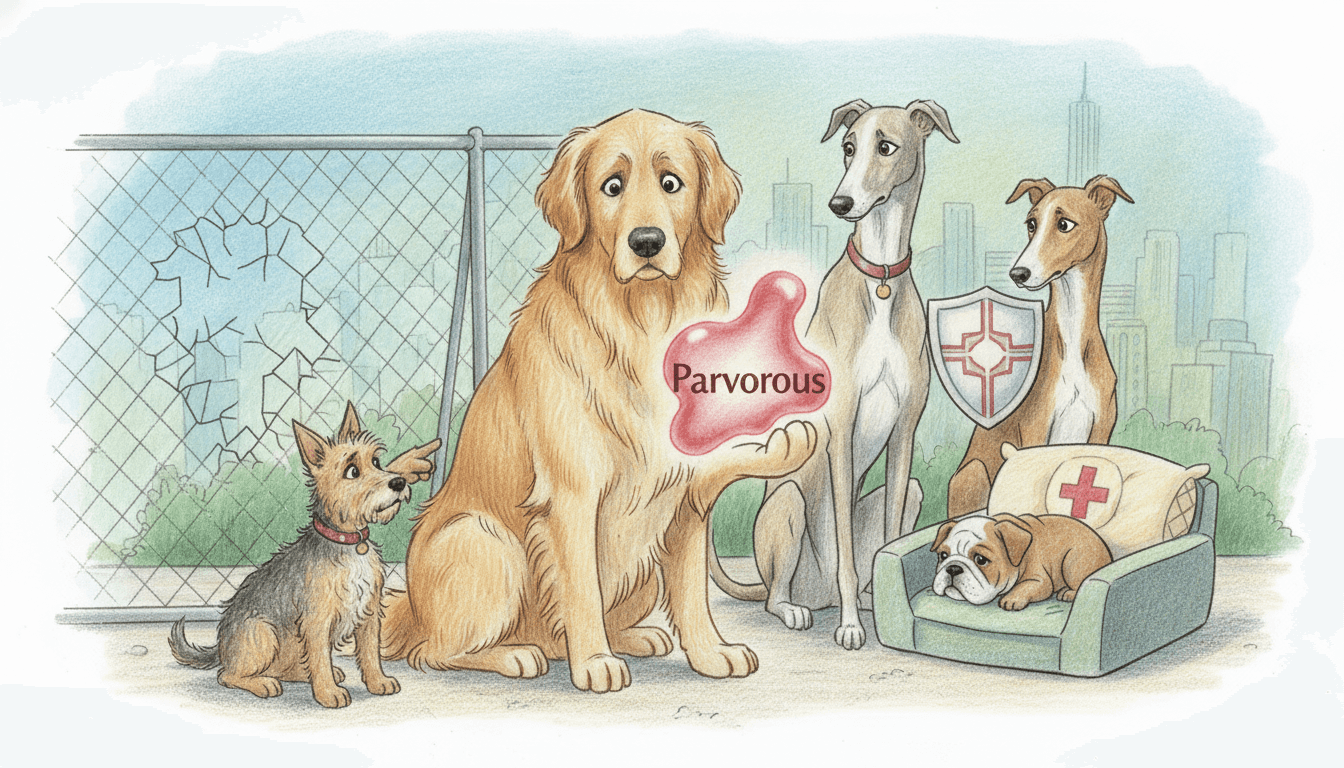
Understanding Parvovirus in Dogs: Risks, Prevention, and Advanced Treatment Options
Canine parvovirus is a highly contagious and potentially fatal viral disease primarily affecting puppies between five to ten weeks old and dogs under one year, with unvaccinated individuals being at greatest risk. This comprehensive guide explores transmission routes, clinical signs like severe vomiting and bloody diarrhea, and the critical importance of vaccination. Recent medical advancements, including monoclonal antibody therapies, are highlighted as innovative treatment options. Prevention strategies such as limiting exposure and maintaining proper hygiene are emphasized to protect your pet's health.
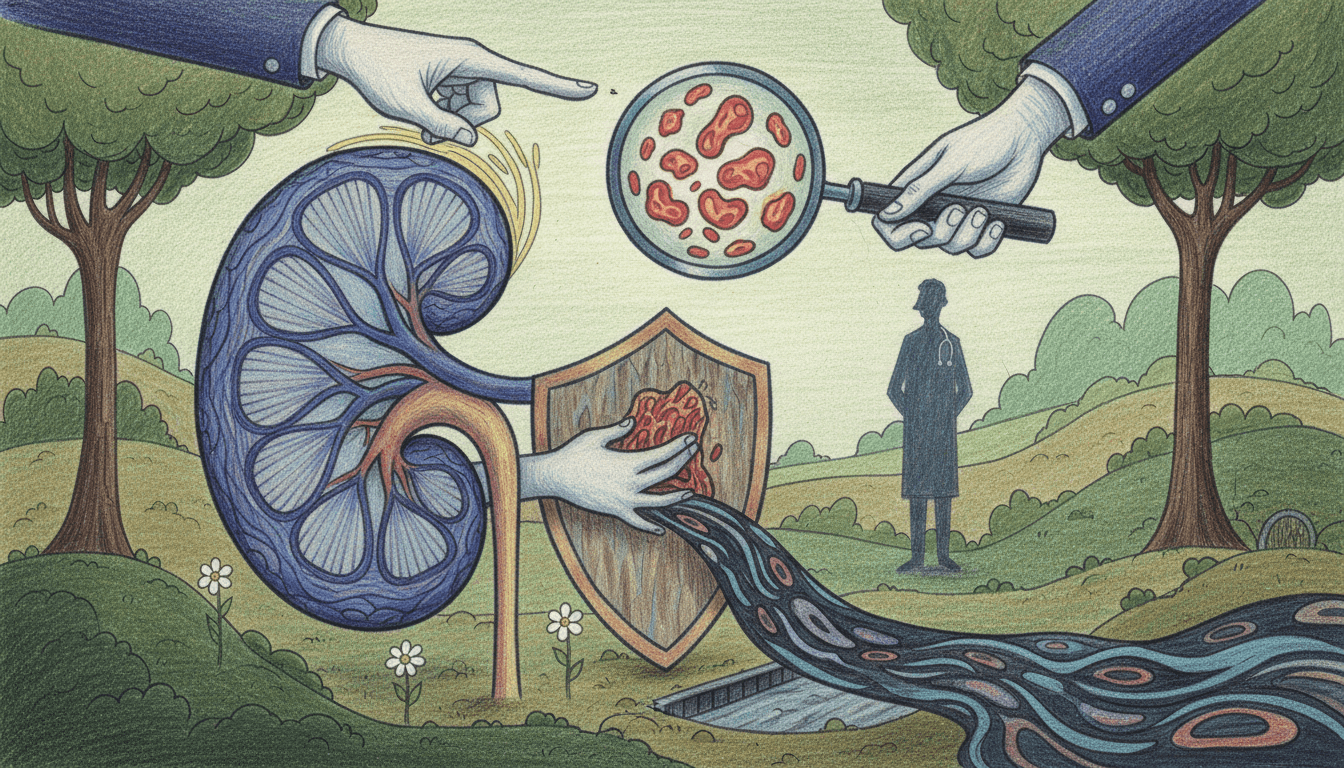
Detecting and Preventing Kidney Disease in Cats: A Professional Guide
Chronic kidney disease is a leading cause of morbidity in cats, affecting up to 30% of felines over age 15. Early detection through regular blood work and urinalysis is crucial since clinical signs often appear only after significant kidney damage. Prevention strategies include maintaining optimal hydration, feeding renal-supportive diets, and managing risk factors like hypertension. With proper veterinary care and owner vigilance, progression can be significantly slowed, maintaining quality of life for years.
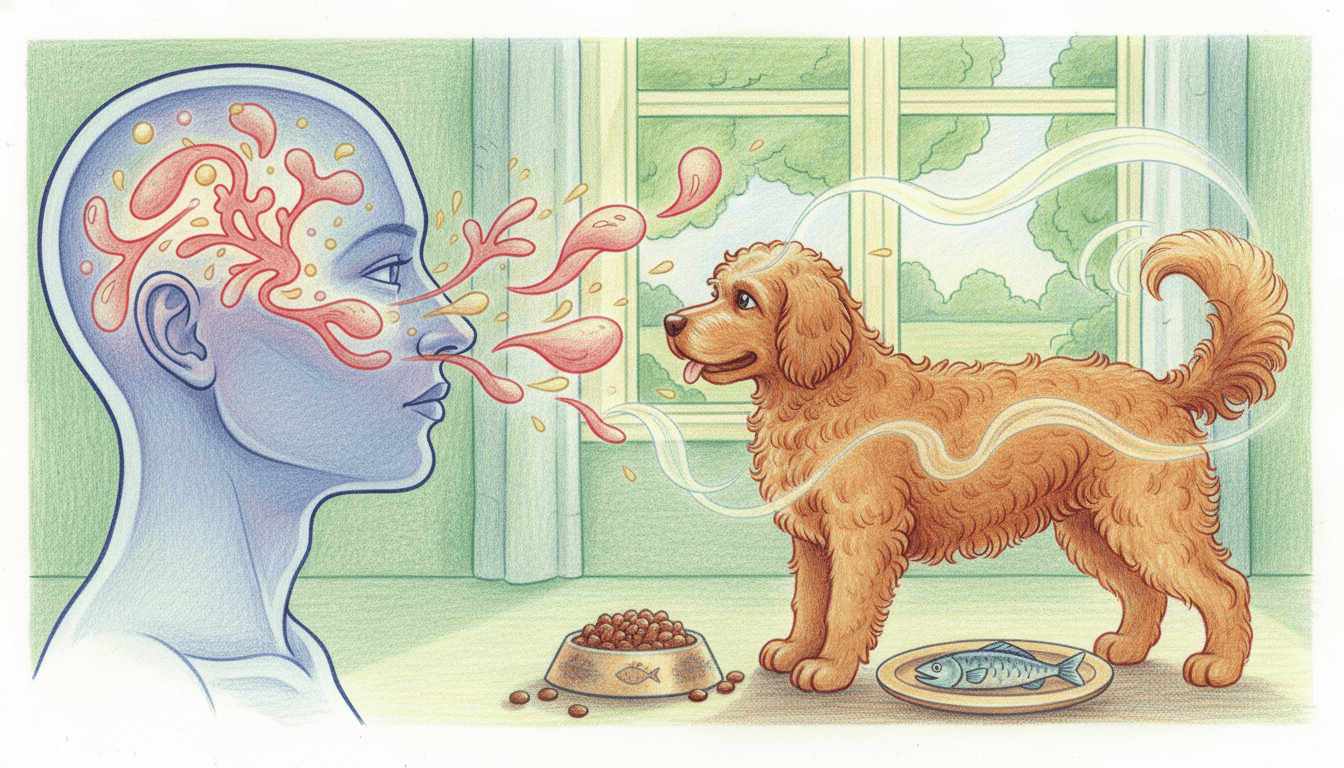
Understanding Pet Allergies: Causes, Symptoms, and Management Strategies
Pet allergies are immune responses to substances like food ingredients, environmental triggers, or parasites such as fleas. Common symptoms include persistent itching, skin infections, and gastrointestinal distress, affecting up to 10% of dogs and cats. Effective management requires veterinary diagnosis through methods like elimination diets or allergy testing, followed by tailored interventions including hypoallergenic nutrition, environmental controls, and medical treatments to alleviate discomfort and enhance your pet's quality of life.

Essential Dog Vaccination Guide: Core and Non-Core Vaccines Explained
This comprehensive guide explains the critical importance of dog vaccinations for preventing life-threatening diseases. It details core vaccines—rabies, distemper, parvovirus, and adenovirus-2—which are essential for all dogs, and non-core vaccines like kennel cough, Lyme disease, and canine influenza, recommended based on exposure risks. Emphasizing the role of annual veterinary check-ups, the article provides a structured vaccination schedule, addresses common concerns, and highlights how vaccinations contribute to long-term canine health and community safety, backed by insights from the American Veterinary Medical Association.

Feline Parasite Prevention Guide: Protecting Your Cat from Heartworms, Intestinal Parasites, Fleas, and Ticks
Comprehensive guide on preventing common feline parasites including heartworms, intestinal worms, fleas, and ticks. Learn personalized prevention strategies with oral medications, topical treatments, and preventive collars. Discover why year-round protection tailored to your cat's lifestyle and regional risks is essential for optimal health, reducing disease transmission and severe complications. Based on veterinary recommendations from VCA Animal Hospitals.
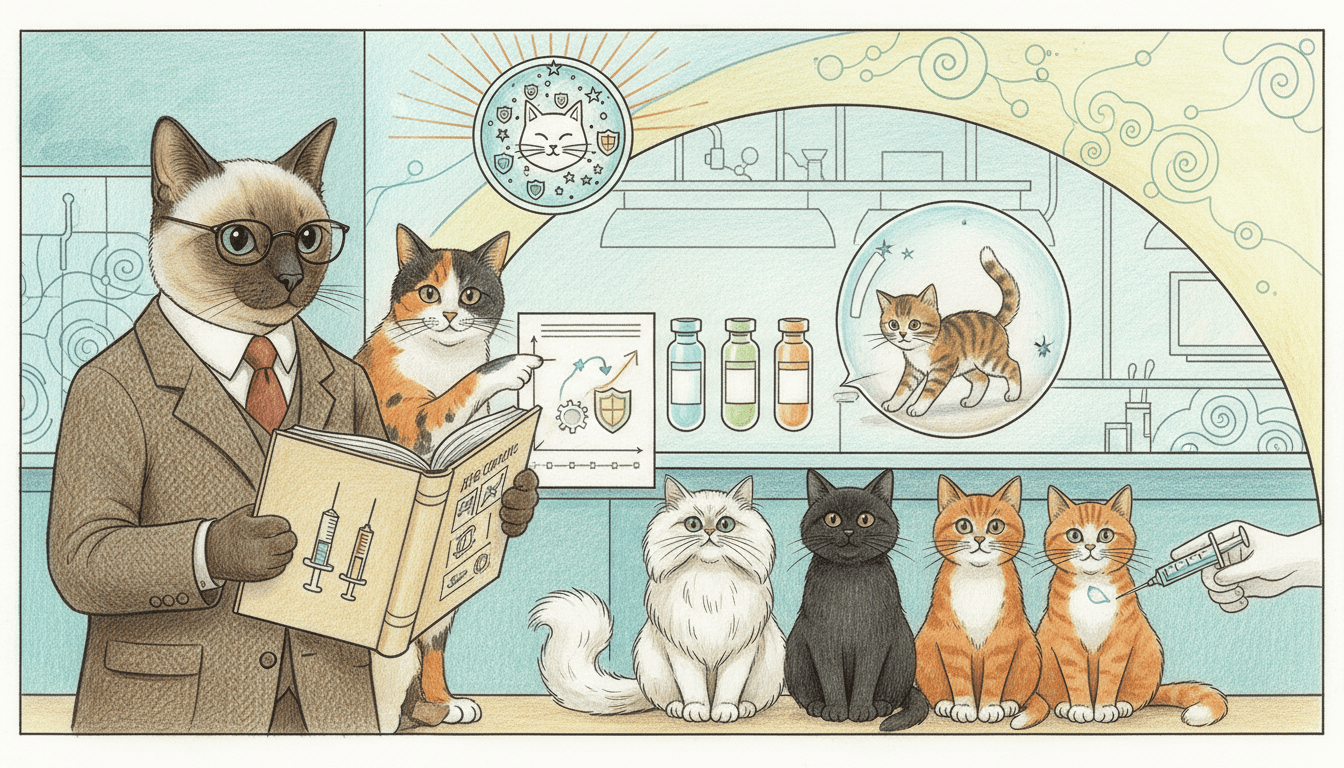
Comprehensive Feline Vaccination Guide: Core Shots, Schedules, and Health Protection
This guide details essential feline vaccinations to safeguard cats from severe diseases. Core vaccines, including rabies, feline panleukopenia virus, feline herpesvirus, and calicivirus, form the foundation of preventive care, while optional vaccines like feline leukemia virus address specific exposure risks. Tailoring vaccination plans based on a cat's age, health, and lifestyle, with regular veterinary consultations, ensures optimal protection. Adhering to recommended schedules helps prevent outbreaks and supports long-term feline wellness, reducing mortality from preventable illnesses.
Heartworm Prevention and Detection: Essential Strategies for Protecting Your Pet
Heartworm disease is a serious, potentially fatal condition transmitted by mosquitoes, primarily affecting dogs but also cats and other mammals. Prevention through year-round medications is strongly recommended by veterinarians, as treatment can be complex and risky. Regular testing, even in cooler climates, ensures early detection and effective management. Many preventive options, including oral, topical, and collar-based solutions, also provide protection against intestinal parasites, offering comprehensive care for your pet's health. Understanding transmission, prevention methods, and the importance of veterinary guidance is crucial for keeping pets safe.

Pet Spaying and Neutering Benefits: Essential Health and Behavioral Advantages
Spaying and neutering are critical veterinary procedures that provide substantial health and behavioral benefits for pets, including preventing infections like pyometra and reducing cancer risks such as mammary tumors by up to 99% in spayed females. These surgeries also curb undesirable behaviors like roaming and aggression, while contributing to population control. Veterinarians recommend timing based on breed, age, and health, with early-age options available for many pets. Adhering to professional guidelines ensures optimal outcomes for your pet's well-being.

Managing Feline Dental Health: Prevention, Risks, and Professional Care
Dental disease affects over 70% of cats by age three, making proactive oral care essential. This comprehensive guide details evidence-based prevention strategies including daily tooth brushing with VOHC-approved products, professional cleanings, and dental chews. Learn to recognize early signs of plaque buildup, gingivitis, and periodontal disease that can lead to systemic infections and organ damage. With contributions from veterinary experts, discover how consistent dental hygiene preserves your cat's quality of life and prevents painful complications.

Senior Pet Health Management: Comprehensive Care for Aging Companions
As pets enter their senior years, typically around age 7 for dogs and 10 for cats, their healthcare needs evolve significantly. This comprehensive guide covers essential aspects of senior pet care, including the critical importance of twice-yearly veterinary check-ups recommended by PetSmart Veterinary Services. We explore four major age-related conditions—heart disease, kidney dysfunction, cancer, and thyroid disorders—and detail monitoring protocols involving comprehensive blood work and physical examinations. Early detection through systematic screening can dramatically improve quality of life and potentially extend your pet's lifespan by addressing health issues before they become advanced.

Comprehensive Pet Vaccination Guide: Protecting Your Companion Animals from Infectious Diseases
This essential guide provides detailed information about core vaccinations for dogs and cats, including rabies, distemper, parvovirus, leptospirosis, panleukopenia, herpesvirus, and calicivirus. Learn about vaccination schedules, disease prevention strategies, and how personalized immunization protocols can protect your pets from life-threatening infections based on their specific health needs, age, and environmental risk factors. Following American Veterinary Medical Association guidelines ensures optimal protection for your beloved companions.

Dental Health Care for Dogs: Essential Strategies for Preventing Disease and Promoting Lifelong Wellness
Dental disease affects over 80% of dogs by age four, making oral care a critical component of canine health. Left untreated, oral infections can spread systemically, leading to heart, liver, and kidney complications. This comprehensive guide covers professional cleanings, daily brushing techniques with VOHC-approved toothpaste, and effective dental chews. Learn to recognize early warning signs like bad breath and bleeding gums while implementing preventive strategies recommended by veterinarians. Proper dental care can extend your dog's lifespan by 2-4 years while preventing painful conditions.