
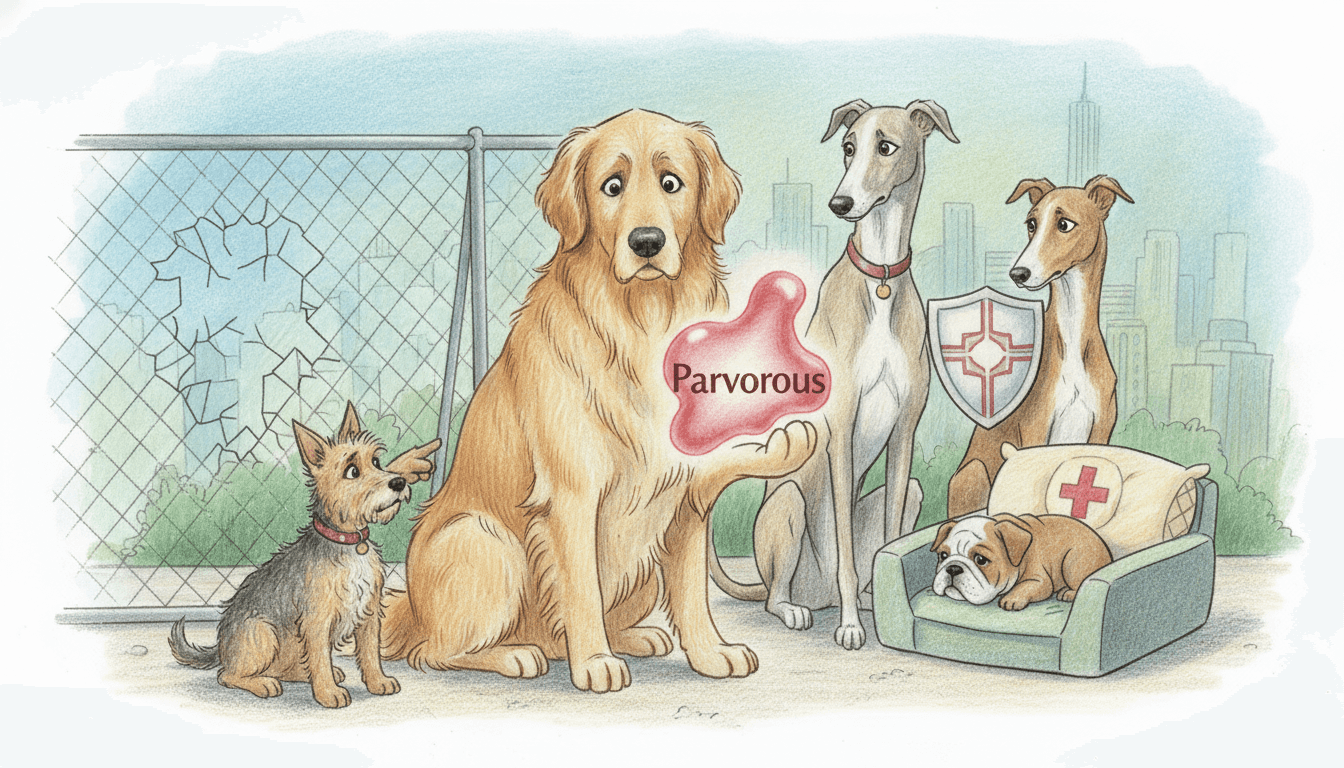
Canine parvovirus (CPV) is a severe, highly contagious viral illness that poses significant threats to dogs, particularly young puppies. First identified in the late 1970s, this virus has evolved into multiple strains, with CPV-2b and CPV-2c being the most prevalent today. It attacks rapidly dividing cells in the body, notably in the intestinal tract, bone marrow, and lymphoid tissues, leading to devastating symptoms and high mortality rates if untreated. Understanding parvovirus's mechanisms, risk factors, and prevention is essential for every dog owner to safeguard their pet's wellbeing.
Sections
What is Canine Parvovirus and How Does It Spread?
Canine parvovirus is a non-enveloped, single-stranded DNA virus belonging to the Parvoviridae family, renowned for its environmental resilience. It can survive for months to years on surfaces like floors, bowls, and clothing, resisting many common disinfectants. Transmission occurs primarily through the fecal-oral route when dogs ingest viral particles from contaminated environments, objects, or direct contact with infected feces. Indirect transmission via fomites—such as shoes, hands, or grooming tools—is common, making kennels, dog parks, and veterinary clinics potential hotspots. The virus incubates for 4-14 days before symptoms emerge, during which an infected dog can shed billions of viral particles, exacerbating contagion risks.
High-Risk Groups: Puppies and Unvaccinated Dogs
Puppies aged five to ten weeks are at the highest risk due to the decline of maternal antibodies and an underdeveloped immune system. Dogs under one year old account for approximately 85% of parvovirus cases, with unvaccinated individuals being overwhelmingly vulnerable. Specific high-risk groups include puppies 5-10 weeks old, dogs under one year, and unvaccinated dogs of any age. Breeds like Rottweilers, Doberman Pinschers, and American Pit Bull Terriers may have genetic susceptibilities. Factors such as stress, overcrowding, and poor nutrition can further increase susceptibility, highlighting the need for vigilant care in these demographics.
Clinical Signs and Diagnostic Procedures
Parvovirus manifests through severe gastrointestinal and systemic symptoms. Common clinical signs include profuse, often bloody diarrhea; persistent vomiting; lethargy; anorexia; and fever exceeding 104°F (40°C). Dehydration and septic shock can develop rapidly, with mortality rates reaching 91% in untreated cases. Veterinarians diagnose CPV using ELISA (enzyme-linked immunosorbent assay) tests on fecal samples, which detect viral antigens with high accuracy. Additional diagnostics may include complete blood counts (revealing leukopenia), biochemistry profiles, and PCR testing for confirmation. Early detection is critical, as treatment initiated within the first 48 hours of symptom onset significantly improves survival odds.
Prevention Strategies: Vaccination and Hygiene
Vaccination is the cornerstone of parvovirus prevention, with core vaccines recommended for all dogs. Puppies should receive their first dose at 6-8 weeks, followed by boosters every 3-4 weeks until 16 weeks old, and adult dogs require regular revaccination per veterinary guidelines. Other prevention strategies include comprehensive vaccination, limiting exposure to high-risk areas until fully vaccinated, and maintaining proper hygiene with disinfectants like bleach (1:30 dilution). Quarantining new pets and avoiding contact with infected animals are essential practices. Studies show vaccination reduces infection risk by over 99%, underscoring its indispensability in canine healthcare protocols.
Treatment Advances: Monoclonal Antibodies and Supportive Care
Treatment for parvovirus is primarily supportive, addressing dehydration, electrolyte imbalances, and secondary infections. Intravenous fluid therapy, antiemetics, antibiotics, and nutritional support are standard. Recent medical advancements have introduced innovative monoclonal antibody products that neutralize the virus, reducing viral load and improving recovery times. These biologics, administered early, can decrease mortality rates to below 10%. Hospitalization typically lasts 5-7 days, with costs ranging from $1,000 to $5,000. Prognosis is favorable with prompt, aggressive intervention, though survivors may experience long-term gastrointestinal sensitivities.
Key Takeaways
Parvovirus is highly contagious and potentially fatal, especially for puppies 5-10 weeks old and unvaccinated dogs.
Vaccination is the most effective prevention method, reducing infection risk by over 99% when protocols are followed.
Early symptoms include bloody diarrhea, vomiting, and lethargy; immediate veterinary care is crucial.
Monoclonal antibody therapies represent a breakthrough in treatment, significantly improving survival rates.
Environmental decontamination and limiting exposure are vital complementary prevention measures.
Frequently Asked Questions
How long can parvovirus survive in the environment?
Can vaccinated dogs still get parvovirus?
What are the first signs of parvovirus in a puppy?
Are there any home remedies for parvovirus?
Conclusion
Canine parvovirus remains a formidable threat to dog populations worldwide, particularly impacting young puppies and unvaccinated individuals. Through diligent vaccination, strict hygiene practices, and awareness of high-risk scenarios, owners can substantially mitigate these dangers. Innovations in treatment, such as monoclonal antibodies, offer promising avenues for saving lives, yet prevention through proactive healthcare is paramount. By staying informed and collaborating with veterinarians, pet owners can ensure their dogs lead healthy, protected lives, free from the ravages of this devastating virus.
Related Comparisons
Detecting and Preventing Kidney Disease in Cats: A Professional Guide
Chronic kidney disease is a leading cause of morbidity in cats, affecting up to 30% of felines over age 15. Early detection through regular blood work and urinalysis is crucial since clinical signs often appear only after significant kidney damage. Prevention strategies include maintaining optimal hydration, feeding renal-supportive diets, and managing risk factors like hypertension. With proper veterinary care and owner vigilance, progression can be significantly slowed, maintaining quality of life for years.
Understanding Pet Allergies: Causes, Symptoms, and Management Strategies
Pet allergies are immune responses to substances like food ingredients, environmental triggers, or parasites such as fleas. Common symptoms include persistent itching, skin infections, and gastrointestinal distress, affecting up to 10% of dogs and cats. Effective management requires veterinary diagnosis through methods like elimination diets or allergy testing, followed by tailored interventions including hypoallergenic nutrition, environmental controls, and medical treatments to alleviate discomfort and enhance your pet's quality of life.

Essential Dog Vaccination Guide: Core and Non-Core Vaccines Explained
This comprehensive guide explains the critical importance of dog vaccinations for preventing life-threatening diseases. It details core vaccines—rabies, distemper, parvovirus, and adenovirus-2—which are essential for all dogs, and non-core vaccines like kennel cough, Lyme disease, and canine influenza, recommended based on exposure risks. Emphasizing the role of annual veterinary check-ups, the article provides a structured vaccination schedule, addresses common concerns, and highlights how vaccinations contribute to long-term canine health and community safety, backed by insights from the American Veterinary Medical Association.

Feline Parasite Prevention Guide: Protecting Your Cat from Heartworms, Intestinal Parasites, Fleas, and Ticks
Comprehensive guide on preventing common feline parasites including heartworms, intestinal worms, fleas, and ticks. Learn personalized prevention strategies with oral medications, topical treatments, and preventive collars. Discover why year-round protection tailored to your cat's lifestyle and regional risks is essential for optimal health, reducing disease transmission and severe complications. Based on veterinary recommendations from VCA Animal Hospitals.
Comprehensive Feline Vaccination Guide: Core Shots, Schedules, and Health Protection
This guide details essential feline vaccinations to safeguard cats from severe diseases. Core vaccines, including rabies, feline panleukopenia virus, feline herpesvirus, and calicivirus, form the foundation of preventive care, while optional vaccines like feline leukemia virus address specific exposure risks. Tailoring vaccination plans based on a cat's age, health, and lifestyle, with regular veterinary consultations, ensures optimal protection. Adhering to recommended schedules helps prevent outbreaks and supports long-term feline wellness, reducing mortality from preventable illnesses.
Heartworm Prevention and Detection: Essential Strategies for Protecting Your Pet
Heartworm disease is a serious, potentially fatal condition transmitted by mosquitoes, primarily affecting dogs but also cats and other mammals. Prevention through year-round medications is strongly recommended by veterinarians, as treatment can be complex and risky. Regular testing, even in cooler climates, ensures early detection and effective management. Many preventive options, including oral, topical, and collar-based solutions, also provide protection against intestinal parasites, offering comprehensive care for your pet's health. Understanding transmission, prevention methods, and the importance of veterinary guidance is crucial for keeping pets safe.

Pet Spaying and Neutering Benefits: Essential Health and Behavioral Advantages
Spaying and neutering are critical veterinary procedures that provide substantial health and behavioral benefits for pets, including preventing infections like pyometra and reducing cancer risks such as mammary tumors by up to 99% in spayed females. These surgeries also curb undesirable behaviors like roaming and aggression, while contributing to population control. Veterinarians recommend timing based on breed, age, and health, with early-age options available for many pets. Adhering to professional guidelines ensures optimal outcomes for your pet's well-being.

Managing Feline Dental Health: Prevention, Risks, and Professional Care
Dental disease affects over 70% of cats by age three, making proactive oral care essential. This comprehensive guide details evidence-based prevention strategies including daily tooth brushing with VOHC-approved products, professional cleanings, and dental chews. Learn to recognize early signs of plaque buildup, gingivitis, and periodontal disease that can lead to systemic infections and organ damage. With contributions from veterinary experts, discover how consistent dental hygiene preserves your cat's quality of life and prevents painful complications.

Senior Pet Health Management: Comprehensive Care for Aging Companions
As pets enter their senior years, typically around age 7 for dogs and 10 for cats, their healthcare needs evolve significantly. This comprehensive guide covers essential aspects of senior pet care, including the critical importance of twice-yearly veterinary check-ups recommended by PetSmart Veterinary Services. We explore four major age-related conditions—heart disease, kidney dysfunction, cancer, and thyroid disorders—and detail monitoring protocols involving comprehensive blood work and physical examinations. Early detection through systematic screening can dramatically improve quality of life and potentially extend your pet's lifespan by addressing health issues before they become advanced.

Comprehensive Pet Vaccination Guide: Protecting Your Companion Animals from Infectious Diseases
This essential guide provides detailed information about core vaccinations for dogs and cats, including rabies, distemper, parvovirus, leptospirosis, panleukopenia, herpesvirus, and calicivirus. Learn about vaccination schedules, disease prevention strategies, and how personalized immunization protocols can protect your pets from life-threatening infections based on their specific health needs, age, and environmental risk factors. Following American Veterinary Medical Association guidelines ensures optimal protection for your beloved companions.

Dental Health Care for Dogs: Essential Strategies for Preventing Disease and Promoting Lifelong Wellness
Dental disease affects over 80% of dogs by age four, making oral care a critical component of canine health. Left untreated, oral infections can spread systemically, leading to heart, liver, and kidney complications. This comprehensive guide covers professional cleanings, daily brushing techniques with VOHC-approved toothpaste, and effective dental chews. Learn to recognize early warning signs like bad breath and bleeding gums while implementing preventive strategies recommended by veterinarians. Proper dental care can extend your dog's lifespan by 2-4 years while preventing painful conditions.
Senior Pet Healthcare: Comprehensive Guide to Aging Pet Wellness
As pets age, their healthcare needs evolve significantly, requiring twice-yearly veterinary check-ups to monitor for age-related conditions like kidney disease, heart issues, arthritis, and cancer. With pets aging the equivalent of humans visiting a doctor every 4-5 years, proactive preventive care becomes essential. This guide covers specialized monitoring, early disease detection strategies, and practical management tips to ensure your senior pet maintains optimal health and quality of life through their golden years.

Comprehensive Pet Exercise and Activity Management: Optimizing Health and Happiness
Regular, tailored exercise is essential for maintaining your pet's physical and mental well-being, preventing obesity, and enhancing overall quality of life. This guide provides detailed strategies based on breed, age, and health conditions to create effective activity plans. Learn how exercise supports weight management, mental stimulation, cardiovascular health, and joint mobility with expert insights from Veterinary Fitness Experts.
Pet First Aid and Emergency Preparedness: Essential Knowledge for Every Pet Owner
This comprehensive guide details essential pet first aid and emergency preparedness strategies, drawing from Veterinary Emergency Specialists. Learn to handle poisoning incidents, identify critical symptoms like rapid breathing or collapse, and maintain a robust emergency kit with veterinarian contacts, medical history, and first aid supplies. Implementing these practices can significantly improve outcomes during pet emergencies, ensuring timely and effective care.