
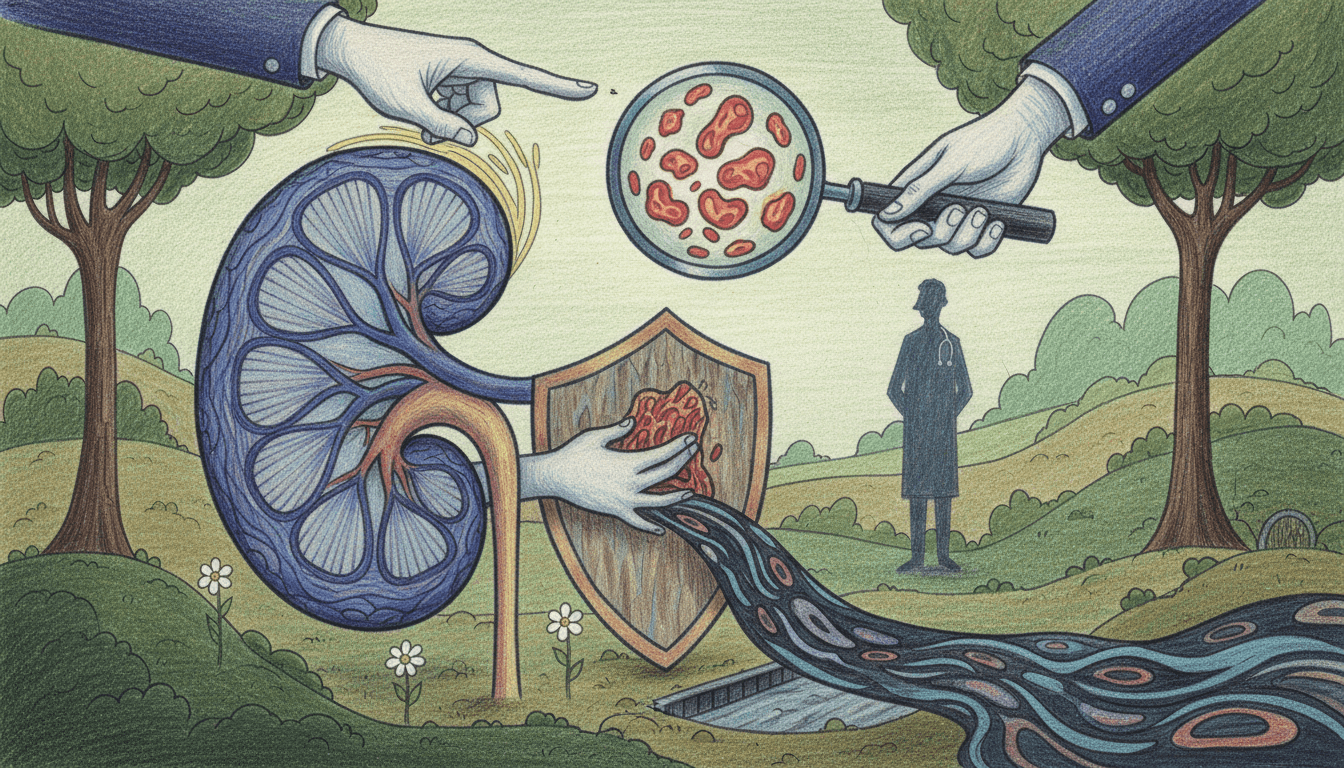
Chronic kidney disease represents one of the most significant health challenges facing domestic cats, particularly senior felines. According to veterinary research, renal insufficiency affects approximately 1-3% of all cats and increases dramatically to 30% in cats over age 15. The kidneys perform vital functions including waste filtration, electrolyte balance, blood pressure regulation, and erythropoietin production. When these functions decline gradually over months or years, the condition is classified as chronic kidney disease. The insidious nature of this disease makes early detection challenging, as cats typically show no obvious symptoms until approximately 75% of kidney function has been lost. Understanding the risk factors, detection methods, and prevention strategies is essential for every cat owner committed to their pet's long-term health and wellbeing.
Sections
Understanding Feline Kidney Disease Pathophysiology
Feline kidneys contain hundreds of thousands of nephrons, the functional units responsible for filtration. Chronic kidney disease develops when these nephrons become damaged and non-functional through various mechanisms. The remaining healthy nephrons compensate by working harder, a process called renal adaptation. This compensation mechanism explains why clinical signs often appear only in advanced stages. The International Renal Interest Society classifies kidney disease into four stages based on blood creatinine levels and proteinuria. Stage I represents non-azotemic kidney disease with creatinine levels below 1.6 mg/dL, while Stage IV indicates severe renal failure with creatinine exceeding 5.0 mg/dL. Common pathological findings include tubulointerstitial nephritis, glomerulosclerosis, and renal fibrosis. Understanding this progression helps veterinarians implement stage-appropriate interventions.
Risk Factors and Early Detection Strategies
Advanced age remains the primary risk factor, with cats over 7 years showing increased susceptibility. Other significant risk factors include chronic dehydration, which concentrates urine and increases crystal formation; inappropriate diets high in phosphorus or poor-quality protein; dental disease allowing oral bacteria to enter the bloodstream; hypertension damaging renal vasculature; and certain breeds like Persians and Maine Coons showing genetic predisposition. Early detection relies on twice-yearly veterinary visits for cats over 7 years, including complete blood count, serum chemistry (creatinine, BUN, phosphorus), urinalysis with culture, urine protein:creatinine ratio, and blood pressure measurement. Symmetric dimethylarginine testing can detect kidney dysfunction earlier than traditional creatinine measurements. Owners should monitor for subtle changes including increased water consumption, urination frequency, decreased appetite, weight loss, and poor coat quality.
Comprehensive Prevention Protocols
Prevention begins with maintaining optimal hydration through multiple fresh water sources, water fountains, and incorporating wet food into the diet. Canned food typically contains 75-80% moisture compared to 10% in dry kibble. Renal-supportive diets should contain high-quality, reduced-quantity protein (approximately 28-35% dry matter), restricted phosphorus (0.3-0.6%), added omega-3 fatty acids, and controlled sodium. Regular dental care prevents periodontal disease and subsequent bacteremia. Environmental enrichment reduces stress, which can impact immune function and blood pressure. Annual blood pressure screening should begin at age 7, with more frequent monitoring in hypertensive cats. Avoid nephrotoxic substances including certain antibiotics, NSAIDs, and lilies, which can cause acute kidney injury. Maintain ideal body condition through portion control and regular exercise to prevent obesity-related comorbidities.
Advanced Diagnostic and Management Approaches
When kidney disease is suspected, advanced diagnostics include abdominal ultrasound to assess renal architecture, size, and blood flow; infectious disease testing for FIV/FeLV; and thyroid hormone measurement since hyperthyroidism can mask kidney values. International Renal Interest Society guidelines recommend staging based on creatinine, SDMA, and urine specific gravity. Management strategies vary by stage: Stage I focuses on prevention and monitoring; Stage II introduces renal diets and blood pressure control; Stage III adds phosphate binders, potassium supplementation, and anti-emetics; Stage IV requires fluid therapy, appetite stimulants, and potentially erythropoietin for anemia. Regular monitoring every 3-6 months tracks progression and treatment efficacy. Home care includes daily fresh water changes, environmental modifications for arthritic cats, and appetite encouragement through food warming and palatability enhancers.
Key Takeaways
Begin kidney screening at age 7 with twice-yearly veterinary visits including blood work and urinalysis
Maintain hydration through multiple water sources and wet food incorporation
Implement renal-supportive diets before clinical signs appear in high-risk cats
Monitor for subtle behavioral changes including increased drinking and urination
Control comorbidities like hypertension and dental disease that impact renal health
Frequently Asked Questions
At what age should I start worrying about kidney disease in my cat?
What are the earliest detectable signs of kidney problems?
Are there specific blood tests that detect kidney disease earlier?
Can kidney disease be reversed or cured in cats?
Conclusion
Feline kidney disease represents a manageable condition rather than an immediate death sentence when detected early and managed comprehensively. Through regular veterinary care, appropriate nutrition, hydration maintenance, and owner vigilance, many cats enjoy good quality of life for years following diagnosis. The partnership between informed pet owners and veterinary professionals forms the foundation of successful renal health management. By implementing preventive strategies before clinical signs appear and responding promptly to subtle changes, cat owners can significantly impact their feline companions' longevity and wellbeing.
Related Comparisons
Understanding Pet Allergies: Causes, Symptoms, and Management Strategies
Pet allergies are immune responses to substances like food ingredients, environmental triggers, or parasites such as fleas. Common symptoms include persistent itching, skin infections, and gastrointestinal distress, affecting up to 10% of dogs and cats. Effective management requires veterinary diagnosis through methods like elimination diets or allergy testing, followed by tailored interventions including hypoallergenic nutrition, environmental controls, and medical treatments to alleviate discomfort and enhance your pet's quality of life.

Essential Dog Vaccination Guide: Core and Non-Core Vaccines Explained
This comprehensive guide explains the critical importance of dog vaccinations for preventing life-threatening diseases. It details core vaccines—rabies, distemper, parvovirus, and adenovirus-2—which are essential for all dogs, and non-core vaccines like kennel cough, Lyme disease, and canine influenza, recommended based on exposure risks. Emphasizing the role of annual veterinary check-ups, the article provides a structured vaccination schedule, addresses common concerns, and highlights how vaccinations contribute to long-term canine health and community safety, backed by insights from the American Veterinary Medical Association.

Feline Parasite Prevention Guide: Protecting Your Cat from Heartworms, Intestinal Parasites, Fleas, and Ticks
Comprehensive guide on preventing common feline parasites including heartworms, intestinal worms, fleas, and ticks. Learn personalized prevention strategies with oral medications, topical treatments, and preventive collars. Discover why year-round protection tailored to your cat's lifestyle and regional risks is essential for optimal health, reducing disease transmission and severe complications. Based on veterinary recommendations from VCA Animal Hospitals.
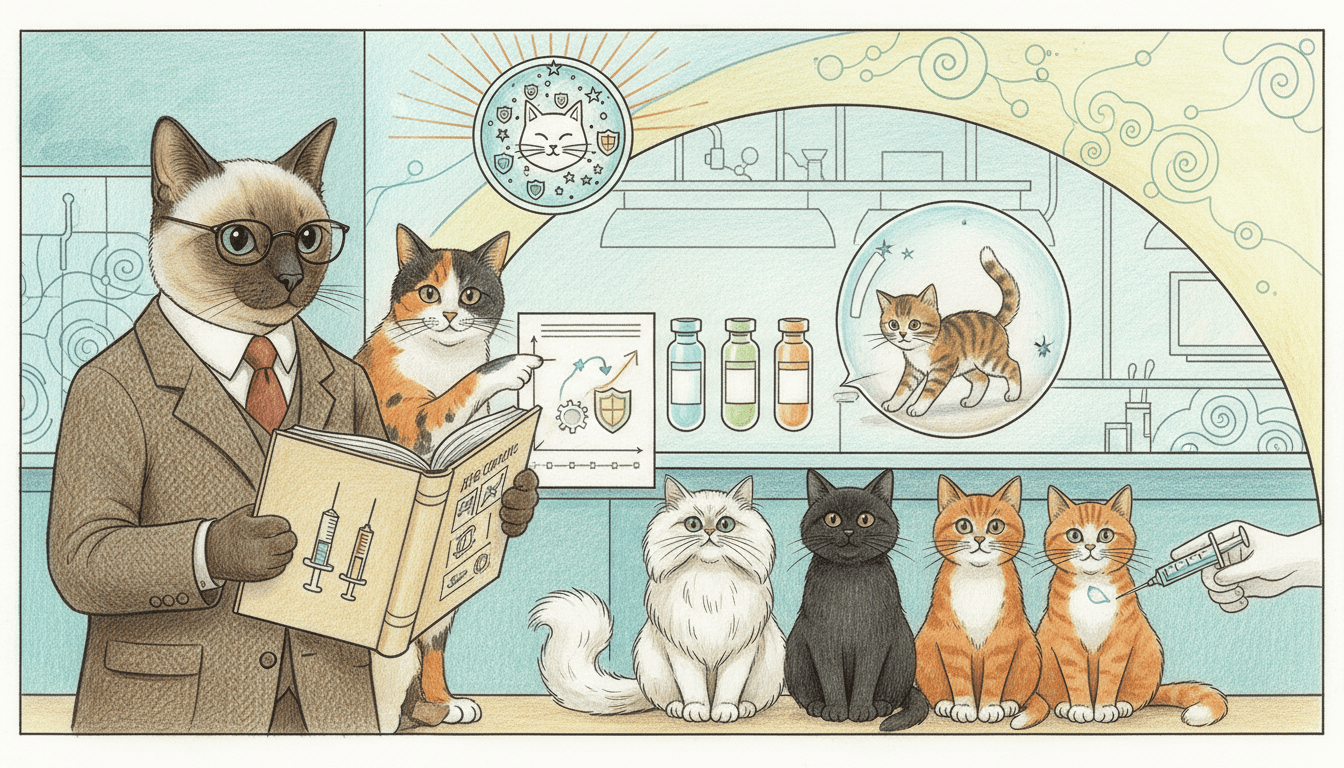
Comprehensive Feline Vaccination Guide: Core Shots, Schedules, and Health Protection
This guide details essential feline vaccinations to safeguard cats from severe diseases. Core vaccines, including rabies, feline panleukopenia virus, feline herpesvirus, and calicivirus, form the foundation of preventive care, while optional vaccines like feline leukemia virus address specific exposure risks. Tailoring vaccination plans based on a cat's age, health, and lifestyle, with regular veterinary consultations, ensures optimal protection. Adhering to recommended schedules helps prevent outbreaks and supports long-term feline wellness, reducing mortality from preventable illnesses.
Heartworm Prevention and Detection: Essential Strategies for Protecting Your Pet
Heartworm disease is a serious, potentially fatal condition transmitted by mosquitoes, primarily affecting dogs but also cats and other mammals. Prevention through year-round medications is strongly recommended by veterinarians, as treatment can be complex and risky. Regular testing, even in cooler climates, ensures early detection and effective management. Many preventive options, including oral, topical, and collar-based solutions, also provide protection against intestinal parasites, offering comprehensive care for your pet's health. Understanding transmission, prevention methods, and the importance of veterinary guidance is crucial for keeping pets safe.

Pet Spaying and Neutering Benefits: Essential Health and Behavioral Advantages
Spaying and neutering are critical veterinary procedures that provide substantial health and behavioral benefits for pets, including preventing infections like pyometra and reducing cancer risks such as mammary tumors by up to 99% in spayed females. These surgeries also curb undesirable behaviors like roaming and aggression, while contributing to population control. Veterinarians recommend timing based on breed, age, and health, with early-age options available for many pets. Adhering to professional guidelines ensures optimal outcomes for your pet's well-being.
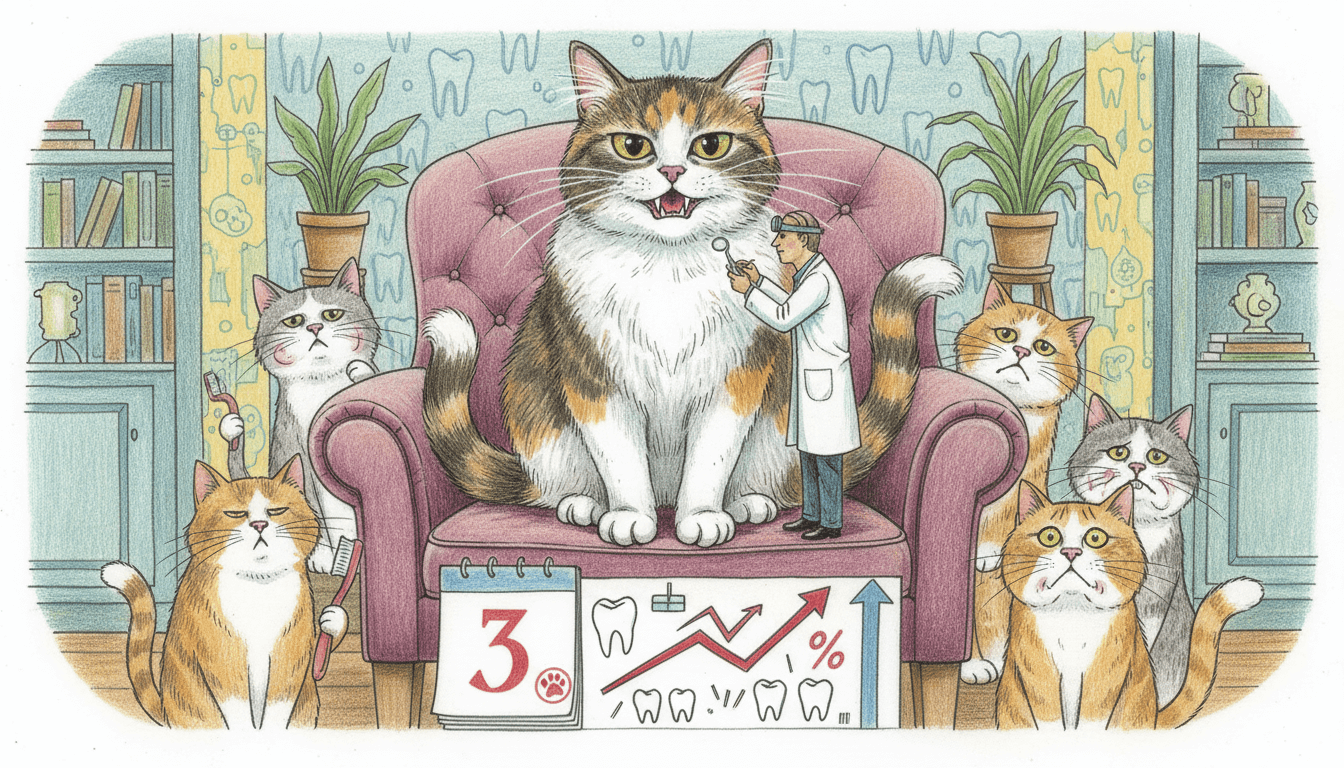
Managing Feline Dental Health: Prevention, Risks, and Professional Care
Dental disease affects over 70% of cats by age three, making proactive oral care essential. This comprehensive guide details evidence-based prevention strategies including daily tooth brushing with VOHC-approved products, professional cleanings, and dental chews. Learn to recognize early signs of plaque buildup, gingivitis, and periodontal disease that can lead to systemic infections and organ damage. With contributions from veterinary experts, discover how consistent dental hygiene preserves your cat's quality of life and prevents painful complications.

Senior Pet Health Management: Comprehensive Care for Aging Companions
As pets enter their senior years, typically around age 7 for dogs and 10 for cats, their healthcare needs evolve significantly. This comprehensive guide covers essential aspects of senior pet care, including the critical importance of twice-yearly veterinary check-ups recommended by PetSmart Veterinary Services. We explore four major age-related conditions—heart disease, kidney dysfunction, cancer, and thyroid disorders—and detail monitoring protocols involving comprehensive blood work and physical examinations. Early detection through systematic screening can dramatically improve quality of life and potentially extend your pet's lifespan by addressing health issues before they become advanced.

Comprehensive Pet Vaccination Guide: Protecting Your Companion Animals from Infectious Diseases
This essential guide provides detailed information about core vaccinations for dogs and cats, including rabies, distemper, parvovirus, leptospirosis, panleukopenia, herpesvirus, and calicivirus. Learn about vaccination schedules, disease prevention strategies, and how personalized immunization protocols can protect your pets from life-threatening infections based on their specific health needs, age, and environmental risk factors. Following American Veterinary Medical Association guidelines ensures optimal protection for your beloved companions.

Dental Health Care for Dogs: Essential Strategies for Preventing Disease and Promoting Lifelong Wellness
Dental disease affects over 80% of dogs by age four, making oral care a critical component of canine health. Left untreated, oral infections can spread systemically, leading to heart, liver, and kidney complications. This comprehensive guide covers professional cleanings, daily brushing techniques with VOHC-approved toothpaste, and effective dental chews. Learn to recognize early warning signs like bad breath and bleeding gums while implementing preventive strategies recommended by veterinarians. Proper dental care can extend your dog's lifespan by 2-4 years while preventing painful conditions.
Senior Pet Healthcare: Comprehensive Guide to Aging Pet Wellness
As pets age, their healthcare needs evolve significantly, requiring twice-yearly veterinary check-ups to monitor for age-related conditions like kidney disease, heart issues, arthritis, and cancer. With pets aging the equivalent of humans visiting a doctor every 4-5 years, proactive preventive care becomes essential. This guide covers specialized monitoring, early disease detection strategies, and practical management tips to ensure your senior pet maintains optimal health and quality of life through their golden years.

Comprehensive Pet Exercise and Activity Management: Optimizing Health and Happiness
Regular, tailored exercise is essential for maintaining your pet's physical and mental well-being, preventing obesity, and enhancing overall quality of life. This guide provides detailed strategies based on breed, age, and health conditions to create effective activity plans. Learn how exercise supports weight management, mental stimulation, cardiovascular health, and joint mobility with expert insights from Veterinary Fitness Experts.
Pet First Aid and Emergency Preparedness: Essential Knowledge for Every Pet Owner
This comprehensive guide details essential pet first aid and emergency preparedness strategies, drawing from Veterinary Emergency Specialists. Learn to handle poisoning incidents, identify critical symptoms like rapid breathing or collapse, and maintain a robust emergency kit with veterinarian contacts, medical history, and first aid supplies. Implementing these practices can significantly improve outcomes during pet emergencies, ensuring timely and effective care.

Pet Behavioral Health: Veterinary Insights into Common Issues and Solutions
Behavioral problems in pets, such as inappropriate urination, aggression, and separation anxiety, often stem from underlying medical conditions. Veterinarians play an essential role in diagnosing these issues through comprehensive assessments, including physical exams, laboratory tests, and behavioral history reviews. This guide explains how professional veterinary intervention provides targeted treatment plans that address both health and behavioral aspects, ensuring long-term well-being for your pet. Early detection can prevent escalation and improve quality of life, with success rates improving by up to 80% when medical causes are identified and treated promptly.