

Intestinal parasites are a prevalent concern in veterinary medicine, affecting millions of pets annually. Common offenders like coccidia and giardia can lead to gastrointestinal distress, weight loss, and systemic illness if left unmanaged. Understanding their transmission, clinical signs, and evidence-based prevention strategies is crucial for pet owners. This guide draws on data from Revival Animal Care to provide a thorough overview of intestinal parasite management, emphasizing the role of hygiene, routine screenings, and species-specific treatments under veterinary supervision.
Sections
Common Intestinal Parasites: Coccidia and Giardia
Coccidia and giardia are protozoan parasites frequently diagnosed in domestic pets. Coccidia, including species like Isospora, infect the intestinal lining, leading to diarrhea, dehydration, and in severe cases, death in young or immunocompromised animals. Giardia, a flagellate parasite, causes giardiasis, characterized by foul-smelling, watery diarrhea and malabsorption. According to veterinary studies, giardia affects approximately 10-15% of dogs and cats in the U.S., with higher prevalence in multi-pet households or areas with poor sanitation. Both parasites thrive in moist environments and are resilient to many disinfectants, making eradication challenging without targeted interventions.
Transmission Methods and Risk Factors
Transmission of intestinal parasites occurs through several pathways, primarily the fecal-oral route. Pets can ingest infective oocysts or cysts from contaminated feces, soil, or water sources. Contaminated water is a significant vector, as giardia cysts can survive for weeks in cool, damp conditions. Maternal transmission is another critical route, where parasites pass from mother to offspring during birth or nursing, leading to early-onset infections. Risk factors include overcrowding, poor sanitation, and exposure to wildlife or communal areas like dog parks. Puppies and kittens under six months are especially vulnerable due to underdeveloped immune systems, with studies indicating up to 30% of young animals may harbor intestinal parasites.
Prevention Strategies: Hygiene and Environmental Management
Preventing intestinal parasites hinges on rigorous hygiene and environmental controls. Prompt feces cleanup—within 24 hours—reduces environmental contamination by up to 90%. Use EPA-approved disinfectants, such as diluted bleach or quaternary ammonium compounds, on surfaces and bedding. Avoid allowing pets to drink from stagnant water sources, and provide filtered or treated water instead. Regular veterinary screenings, including fecal exams every 6-12 months, are essential for early detection. For high-risk environments, prophylactic treatments may be recommended. Additionally, isolate new or ill pets to prevent cross-contamination, and maintain a clean living space to minimize parasite loads.
Diagnosis and Veterinary Treatment Protocols
Accurate diagnosis involves microscopic examination of fecal samples to identify parasite eggs, oocysts, or cysts. Veterinarians may use techniques like centrifugation or ELISA tests for giardia, which boast over 95% sensitivity. Treatment protocols differ between dogs and cats; for instance, sulfadimethoxine is commonly prescribed for coccidia in dogs, while fenbendazole or metronidazole may be used for giardia in both species. Cats often require adjusted dosages due to metabolic differences. A typical treatment course lasts 5-10 days, with follow-up fecal tests to confirm eradication. Always consult a veterinarian, as self-treatment can lead to drug resistance or adverse effects. In severe cases, supportive care like fluid therapy may be necessary.
Long-Term Management and Monitoring
Sustained parasite management involves ongoing vigilance. Implement annual fecal screenings for all pets, increasing frequency to biannual for those in endemic areas. Monitor for clinical signs such as lethargy, vomiting, or changes in appetite, and seek veterinary care promptly. Nutritional support, including probiotics and balanced diets, can bolster gut health and immunity. Educate household members on handwashing after pet contact, and consider environmental treatments like steam cleaning or yard sanitation. Data from Revival Animal Care underscores that consistent prevention reduces reinfection rates by over 70%, highlighting the importance of a proactive approach to pet health.
Key Takeaways
Intestinal parasites like coccidia and giardia spread via fecal-oral contamination, contaminated water, or maternal transmission.
Young pets are at highest risk, with prevention relying on hygiene, quick feces cleanup, and regular vet screenings.
Treatment varies by species; professional guidance is essential to avoid complications.
Long-term management includes environmental controls and monitoring for recurrence.
Frequently Asked Questions
What are the common symptoms of intestinal parasites in pets?
How often should I have my pet screened for parasites?
Can humans contract intestinal parasites from pets?
Are there natural remedies for intestinal parasites?
Conclusion
Managing intestinal parasites requires a multifaceted approach combining prevention, timely diagnosis, and species-specific treatments. By adhering to hygiene protocols, scheduling regular veterinary check-ups, and staying informed about transmission risks, pet owners can safeguard their companions' health. Trust professional resources like Revival Animal Care for accurate guidance, and prioritize proactive care to minimize the impact of these common yet manageable parasites.
Related Comparisons

Comprehensive Parasite Prevention Strategies for Optimal Pet Health
Parasite prevention is a critical component of responsible pet ownership, requiring year-round vigilance against threats like heartworms, fleas, ticks, and intestinal parasites. This guide details evidence-based strategies, including tailored medication protocols, annual screenings, and environmental management to protect pets from serious diseases such as Lyme disease and ehrlichiosis. Following American Animal Hospital Association guidelines, we emphasize integrating prevention into routine care to ensure long-term health and well-being for your companion animals.
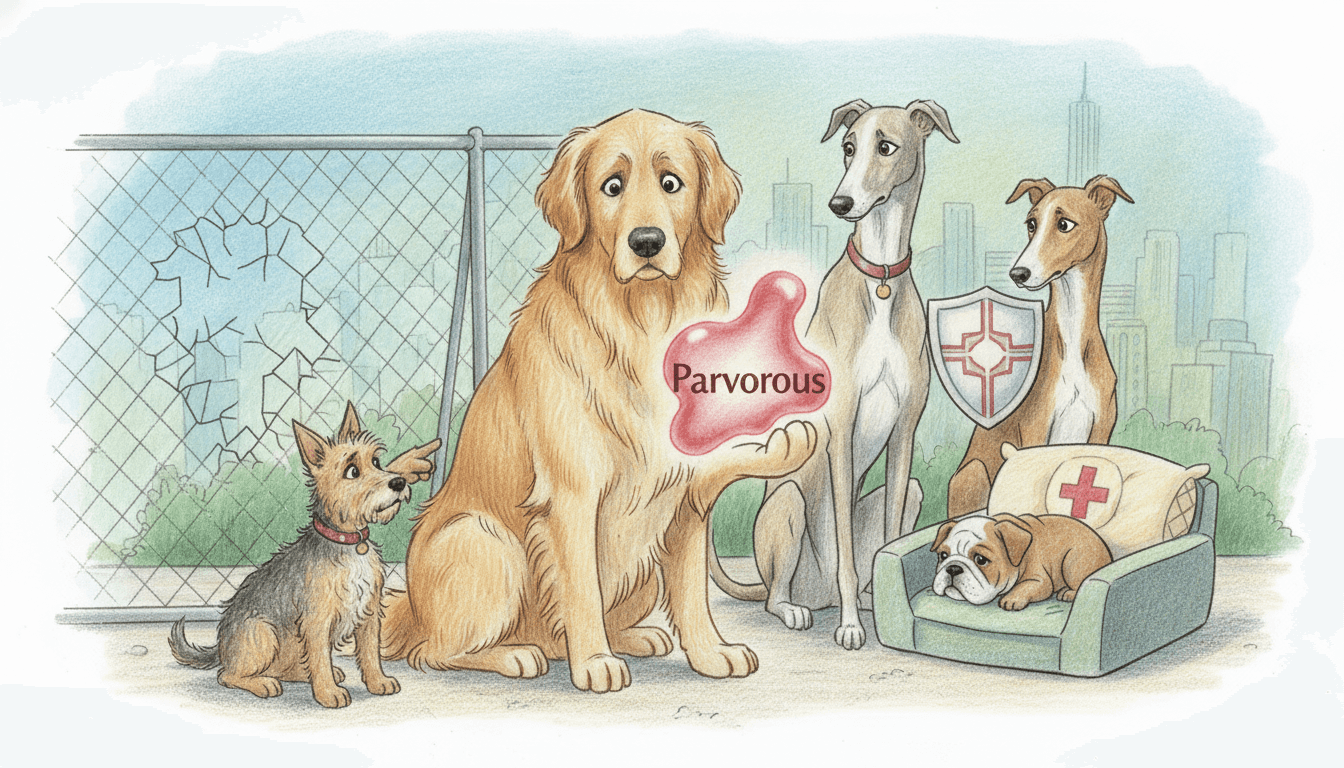
Understanding Parvovirus in Dogs: Risks, Prevention, and Advanced Treatment Options
Canine parvovirus is a highly contagious and potentially fatal viral disease primarily affecting puppies between five to ten weeks old and dogs under one year, with unvaccinated individuals being at greatest risk. This comprehensive guide explores transmission routes, clinical signs like severe vomiting and bloody diarrhea, and the critical importance of vaccination. Recent medical advancements, including monoclonal antibody therapies, are highlighted as innovative treatment options. Prevention strategies such as limiting exposure and maintaining proper hygiene are emphasized to protect your pet's health.
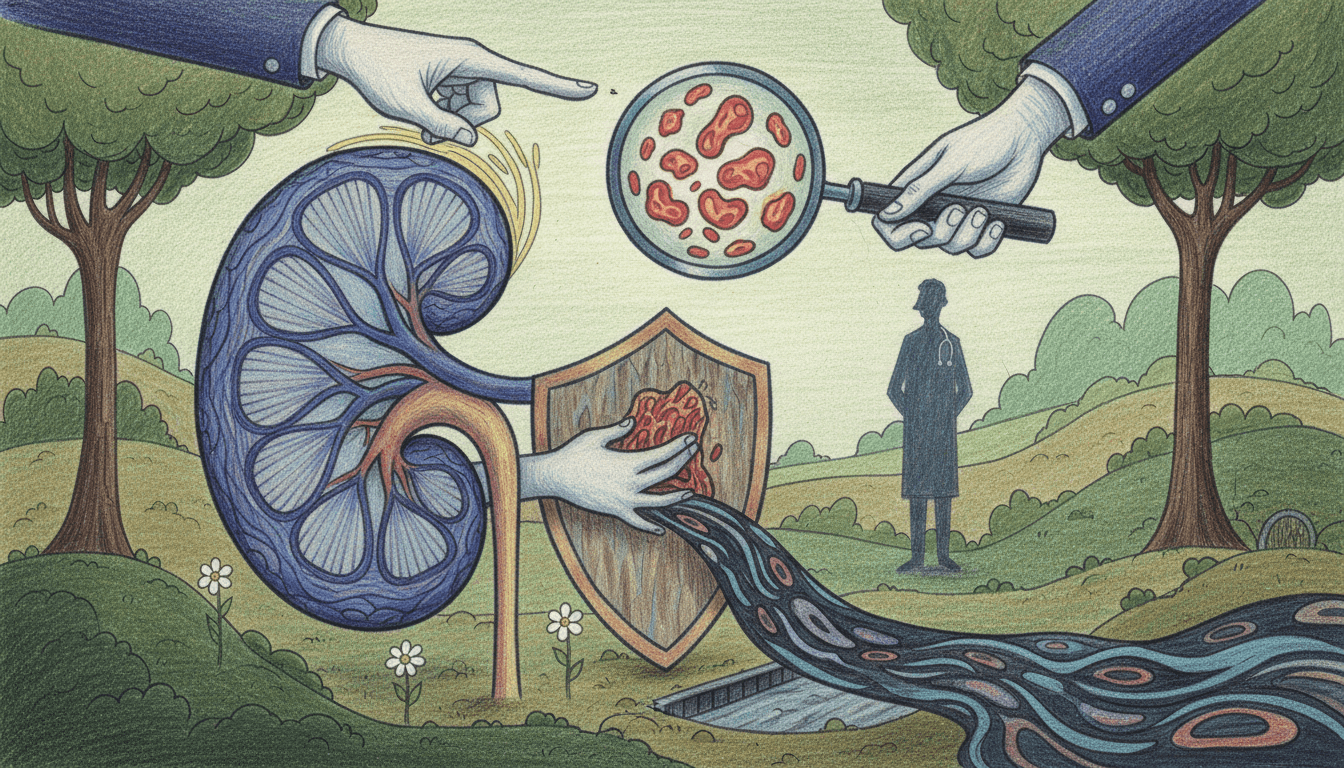
Detecting and Preventing Kidney Disease in Cats: A Professional Guide
Chronic kidney disease is a leading cause of morbidity in cats, affecting up to 30% of felines over age 15. Early detection through regular blood work and urinalysis is crucial since clinical signs often appear only after significant kidney damage. Prevention strategies include maintaining optimal hydration, feeding renal-supportive diets, and managing risk factors like hypertension. With proper veterinary care and owner vigilance, progression can be significantly slowed, maintaining quality of life for years.
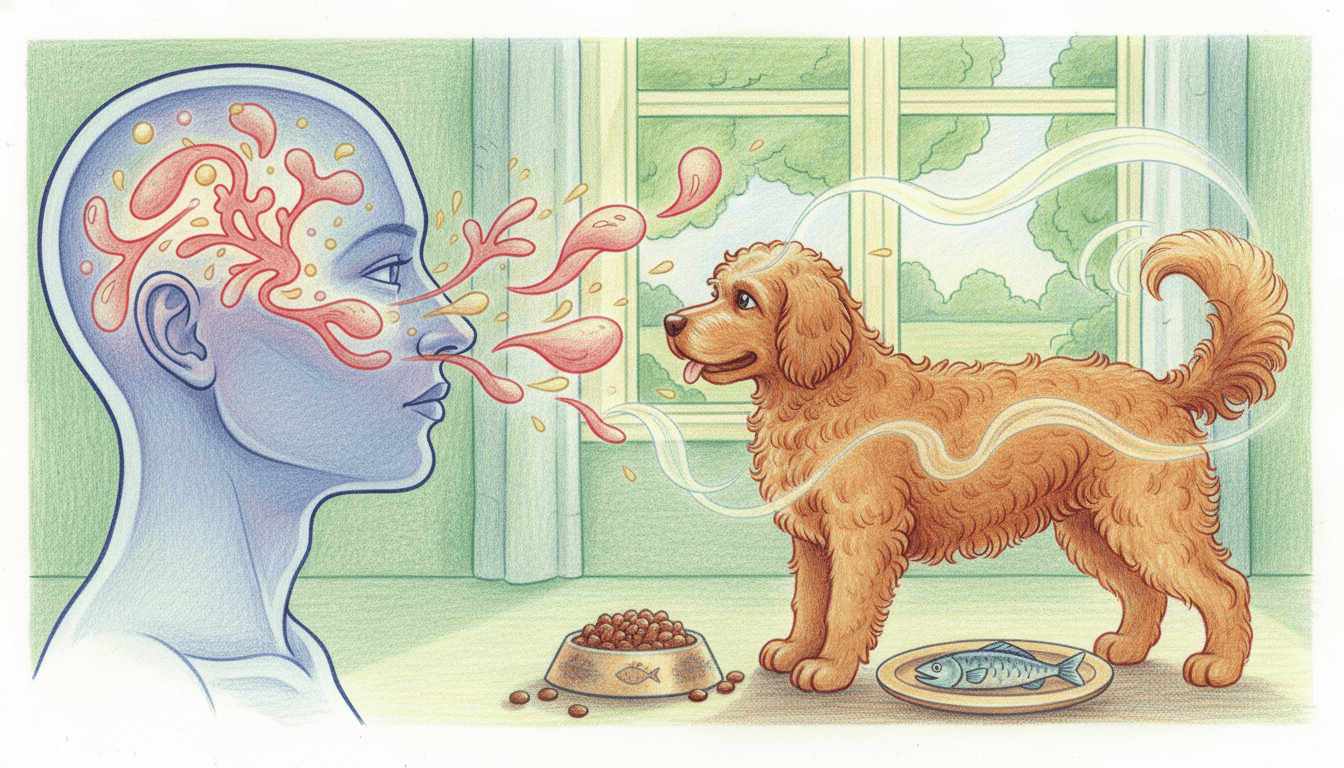
Understanding Pet Allergies: Causes, Symptoms, and Management Strategies
Pet allergies are immune responses to substances like food ingredients, environmental triggers, or parasites such as fleas. Common symptoms include persistent itching, skin infections, and gastrointestinal distress, affecting up to 10% of dogs and cats. Effective management requires veterinary diagnosis through methods like elimination diets or allergy testing, followed by tailored interventions including hypoallergenic nutrition, environmental controls, and medical treatments to alleviate discomfort and enhance your pet's quality of life.

Essential Dog Vaccination Guide: Core and Non-Core Vaccines Explained
This comprehensive guide explains the critical importance of dog vaccinations for preventing life-threatening diseases. It details core vaccines—rabies, distemper, parvovirus, and adenovirus-2—which are essential for all dogs, and non-core vaccines like kennel cough, Lyme disease, and canine influenza, recommended based on exposure risks. Emphasizing the role of annual veterinary check-ups, the article provides a structured vaccination schedule, addresses common concerns, and highlights how vaccinations contribute to long-term canine health and community safety, backed by insights from the American Veterinary Medical Association.

Feline Parasite Prevention Guide: Protecting Your Cat from Heartworms, Intestinal Parasites, Fleas, and Ticks
Comprehensive guide on preventing common feline parasites including heartworms, intestinal worms, fleas, and ticks. Learn personalized prevention strategies with oral medications, topical treatments, and preventive collars. Discover why year-round protection tailored to your cat's lifestyle and regional risks is essential for optimal health, reducing disease transmission and severe complications. Based on veterinary recommendations from VCA Animal Hospitals.
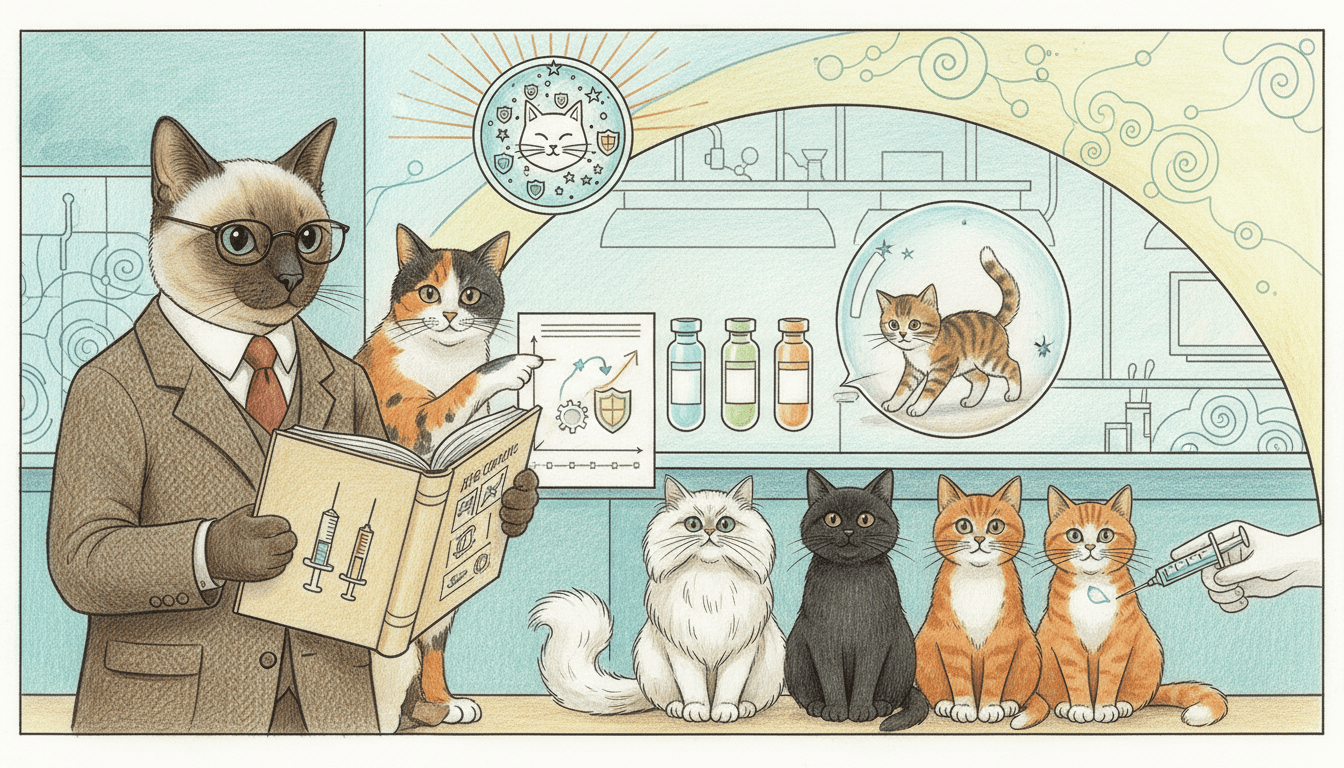
Comprehensive Feline Vaccination Guide: Core Shots, Schedules, and Health Protection
This guide details essential feline vaccinations to safeguard cats from severe diseases. Core vaccines, including rabies, feline panleukopenia virus, feline herpesvirus, and calicivirus, form the foundation of preventive care, while optional vaccines like feline leukemia virus address specific exposure risks. Tailoring vaccination plans based on a cat's age, health, and lifestyle, with regular veterinary consultations, ensures optimal protection. Adhering to recommended schedules helps prevent outbreaks and supports long-term feline wellness, reducing mortality from preventable illnesses.
Heartworm Prevention and Detection: Essential Strategies for Protecting Your Pet
Heartworm disease is a serious, potentially fatal condition transmitted by mosquitoes, primarily affecting dogs but also cats and other mammals. Prevention through year-round medications is strongly recommended by veterinarians, as treatment can be complex and risky. Regular testing, even in cooler climates, ensures early detection and effective management. Many preventive options, including oral, topical, and collar-based solutions, also provide protection against intestinal parasites, offering comprehensive care for your pet's health. Understanding transmission, prevention methods, and the importance of veterinary guidance is crucial for keeping pets safe.

Pet Spaying and Neutering Benefits: Essential Health and Behavioral Advantages
Spaying and neutering are critical veterinary procedures that provide substantial health and behavioral benefits for pets, including preventing infections like pyometra and reducing cancer risks such as mammary tumors by up to 99% in spayed females. These surgeries also curb undesirable behaviors like roaming and aggression, while contributing to population control. Veterinarians recommend timing based on breed, age, and health, with early-age options available for many pets. Adhering to professional guidelines ensures optimal outcomes for your pet's well-being.
Managing Feline Dental Health: Prevention, Risks, and Professional Care
Dental disease affects over 70% of cats by age three, making proactive oral care essential. This comprehensive guide details evidence-based prevention strategies including daily tooth brushing with VOHC-approved products, professional cleanings, and dental chews. Learn to recognize early signs of plaque buildup, gingivitis, and periodontal disease that can lead to systemic infections and organ damage. With contributions from veterinary experts, discover how consistent dental hygiene preserves your cat's quality of life and prevents painful complications.

Senior Pet Health Management: Comprehensive Care for Aging Companions
As pets enter their senior years, typically around age 7 for dogs and 10 for cats, their healthcare needs evolve significantly. This comprehensive guide covers essential aspects of senior pet care, including the critical importance of twice-yearly veterinary check-ups recommended by PetSmart Veterinary Services. We explore four major age-related conditions—heart disease, kidney dysfunction, cancer, and thyroid disorders—and detail monitoring protocols involving comprehensive blood work and physical examinations. Early detection through systematic screening can dramatically improve quality of life and potentially extend your pet's lifespan by addressing health issues before they become advanced.

Comprehensive Pet Vaccination Guide: Protecting Your Companion Animals from Infectious Diseases
This essential guide provides detailed information about core vaccinations for dogs and cats, including rabies, distemper, parvovirus, leptospirosis, panleukopenia, herpesvirus, and calicivirus. Learn about vaccination schedules, disease prevention strategies, and how personalized immunization protocols can protect your pets from life-threatening infections based on their specific health needs, age, and environmental risk factors. Following American Veterinary Medical Association guidelines ensures optimal protection for your beloved companions.

Dental Health Care for Dogs: Essential Strategies for Preventing Disease and Promoting Lifelong Wellness
Dental disease affects over 80% of dogs by age four, making oral care a critical component of canine health. Left untreated, oral infections can spread systemically, leading to heart, liver, and kidney complications. This comprehensive guide covers professional cleanings, daily brushing techniques with VOHC-approved toothpaste, and effective dental chews. Learn to recognize early warning signs like bad breath and bleeding gums while implementing preventive strategies recommended by veterinarians. Proper dental care can extend your dog's lifespan by 2-4 years while preventing painful conditions.
Senior Pet Healthcare: Comprehensive Guide to Aging Pet Wellness
As pets age, their healthcare needs evolve significantly, requiring twice-yearly veterinary check-ups to monitor for age-related conditions like kidney disease, heart issues, arthritis, and cancer. With pets aging the equivalent of humans visiting a doctor every 4-5 years, proactive preventive care becomes essential. This guide covers specialized monitoring, early disease detection strategies, and practical management tips to ensure your senior pet maintains optimal health and quality of life through their golden years.